Navigating the intricacies of protein synthesis can feel like decoding a complex biological cipher. From transcription to translation, the process involves numerous steps, molecules, and organelles all working in perfect harmony to produce the proteins our bodies need to function. If you’re currently wrestling with a protein synthesis worksheet, you’re not alone! Many students find this topic challenging. This post aims to provide clear, concise answers and explanations to commonly asked questions in protein synthesis worksheets, offering a helping hand in your learning journey. We’ll break down the key concepts and provide the answers in an easy-to-understand format.
Protein Synthesis Worksheet Answers
Here are the answers to some common questions found on Protein Synthesis worksheets. Remember to always refer to your specific worksheet and any instructions from your teacher for the most accurate information.
Transcription
-
Question: What is transcription?
Answer: Transcription is the process where the information in DNA is copied into a complementary RNA sequence. Specifically, messenger RNA (mRNA) is synthesized using DNA as a template. This occurs in the nucleus. -
Question: Where does transcription take place in eukaryotic cells?
Answer: Transcription takes place in the nucleus of eukaryotic cells. -
Question: What enzyme is responsible for transcription?
Answer: RNA polymerase is the enzyme responsible for transcription. It binds to a specific region of DNA (promoter) and initiates the synthesis of mRNA. -
Question: What is the role of mRNA?
Answer: Messenger RNA (mRNA) carries the genetic code transcribed from DNA out of the nucleus to the ribosomes in the cytoplasm, where it is translated into a protein. It serves as the template for protein synthesis. -
Question: What are the key differences between DNA and RNA?
Answer: Key differences include: DNA is double-stranded, contains deoxyribose sugar, and uses thymine (T) as a base. RNA is single-stranded, contains ribose sugar, and uses uracil (U) instead of thymine. DNA is primarily found in the nucleus, while RNA can be found in the nucleus, cytoplasm, and ribosomes. DNA stores genetic information, while RNA is involved in expressing that information through protein synthesis.
Translation
-
Question: What is translation?
Answer: Translation is the process where the information carried by mRNA is used to synthesize a protein. It occurs at the ribosomes in the cytoplasm. -
Question: Where does translation take place?
Answer: Translation takes place at the ribosomes in the cytoplasm (or on the rough endoplasmic reticulum in eukaryotic cells). -
Question: What is the role of tRNA?
Answer: Transfer RNA (tRNA) molecules carry specific amino acids to the ribosome and match them to the corresponding codons on the mRNA molecule. Each tRNA has an anticodon that is complementary to a specific mRNA codon. -
Question: What is a codon?
Answer: A codon is a sequence of three nucleotides (a triplet) in mRNA that codes for a specific amino acid. For example, AUG is a codon that codes for methionine (and also serves as the “start” codon). -
Question: What is an anticodon?
Answer: An anticodon is a sequence of three nucleotides on a tRNA molecule that is complementary to a codon on the mRNA molecule. This ensures that the correct amino acid is added to the growing polypeptide chain. -
Question: What is the role of ribosomes?
Answer: Ribosomes are the sites of protein synthesis. They bind to mRNA and facilitate the interaction between mRNA and tRNA. They catalyze the formation of peptide bonds between amino acids, assembling the polypeptide chain. Ribosomes are composed of ribosomal RNA (rRNA) and proteins. -
Question: Explain the steps of translation.
Answer: Translation can be divided into three main steps:- Initiation: The ribosome binds to the mRNA at the start codon (AUG). The initiator tRNA, carrying methionine, binds to the start codon.
- Elongation: The ribosome moves along the mRNA, one codon at a time. For each codon, a tRNA molecule with the complementary anticodon binds to the mRNA, bringing the corresponding amino acid. Peptide bonds are formed between the amino acids, adding them to the growing polypeptide chain.
- Termination: The ribosome reaches a stop codon (UAA, UAG, or UGA) on the mRNA. There is no tRNA that corresponds to these codons. Release factors bind to the stop codon, causing the polypeptide chain to be released from the ribosome. The ribosome then disassembles.
General Concepts
-
Question: What is the central dogma of molecular biology?
Answer: The central dogma of molecular biology describes the flow of genetic information in a cell: DNA -> RNA -> Protein. This means that DNA contains the instructions for making RNA, and RNA contains the instructions for making proteins. -
Question: What is a polypeptide?
Answer: A polypeptide is a chain of amino acids linked together by peptide bonds. Polypeptides fold into specific three-dimensional structures to form functional proteins.
Remember, understanding the underlying concepts is just as important as knowing the answers. Use these answers as a guide to help you understand the process of protein synthesis. Good luck with your studies!
If you are looking for protein foods #3298276 you’ve visit to the right place. We have 20 Pics about protein foods #3298276 like Researchers Find That Eating Just a Little More Protein Can Enhance, L-Arginine: Benefits, Uses, Side Effects, and More and also Храни, които са почти чист протеин- Smart Diet. Here you go:
Protein Foods #3298276

clipart-library.com
Protein: Jenis Dan Fungsinya Untuk Kesehatan

www.rsbudimedika.com
Complete Protein Combinations Chart For Vegans – Fit Vegan Guide
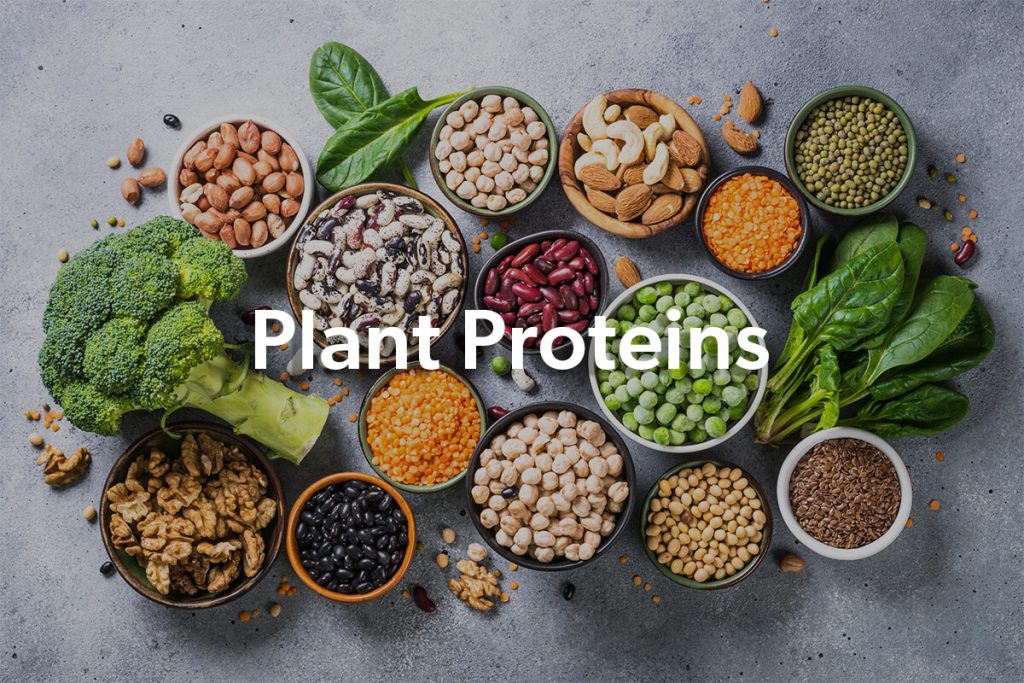
www.fitveganguide.com
Highest Protein Foods |Foods Rich In Protein |Best Protein Rich Foods

www.youtube.com
1300 CALORIE HIGH PROTEIN HEALTHY MEAL PLAN – THE OVENIST
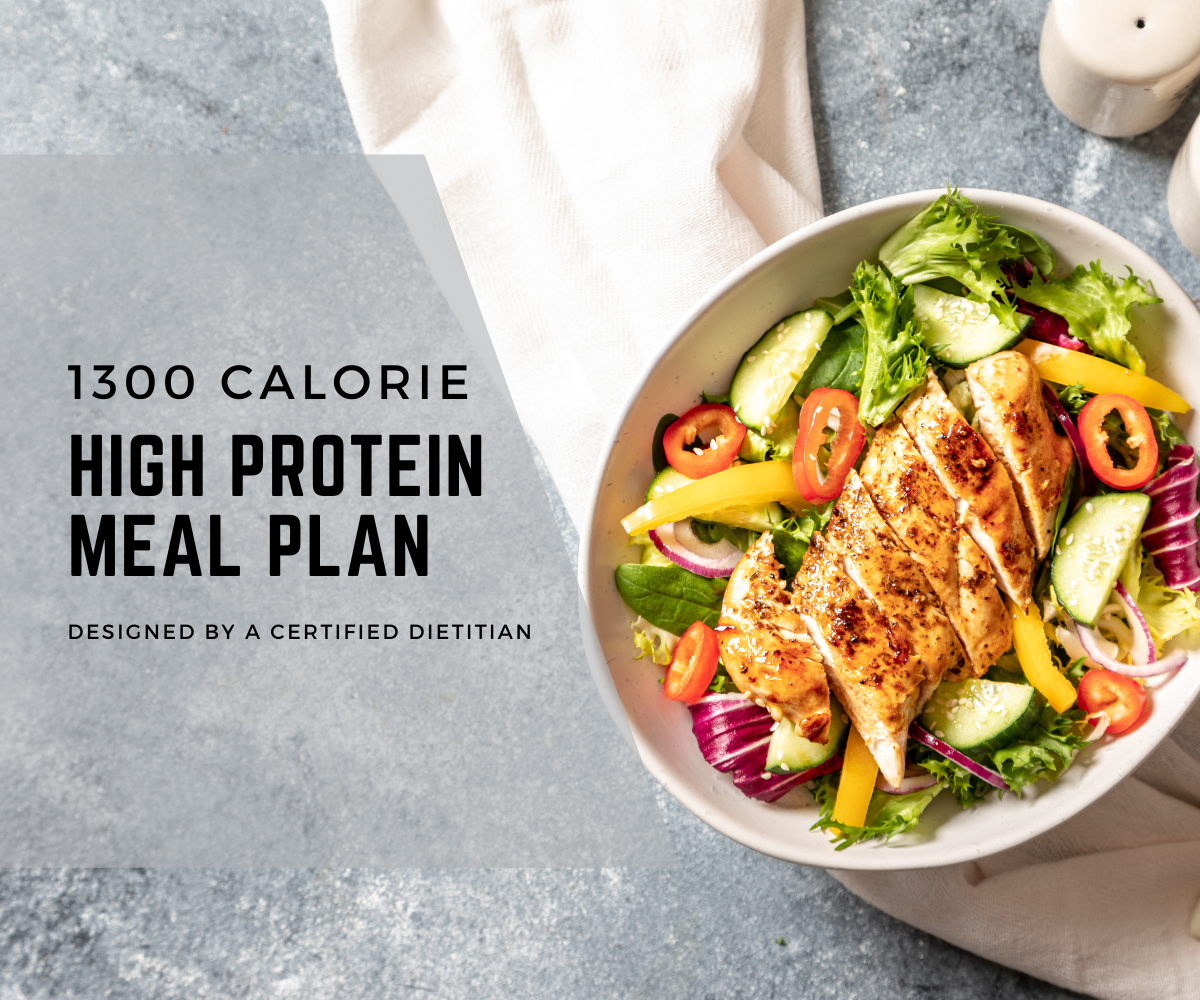
theovenist.com
Cari Asupan Yang Mengandung Protein Tinggi? Cek Di Sini!
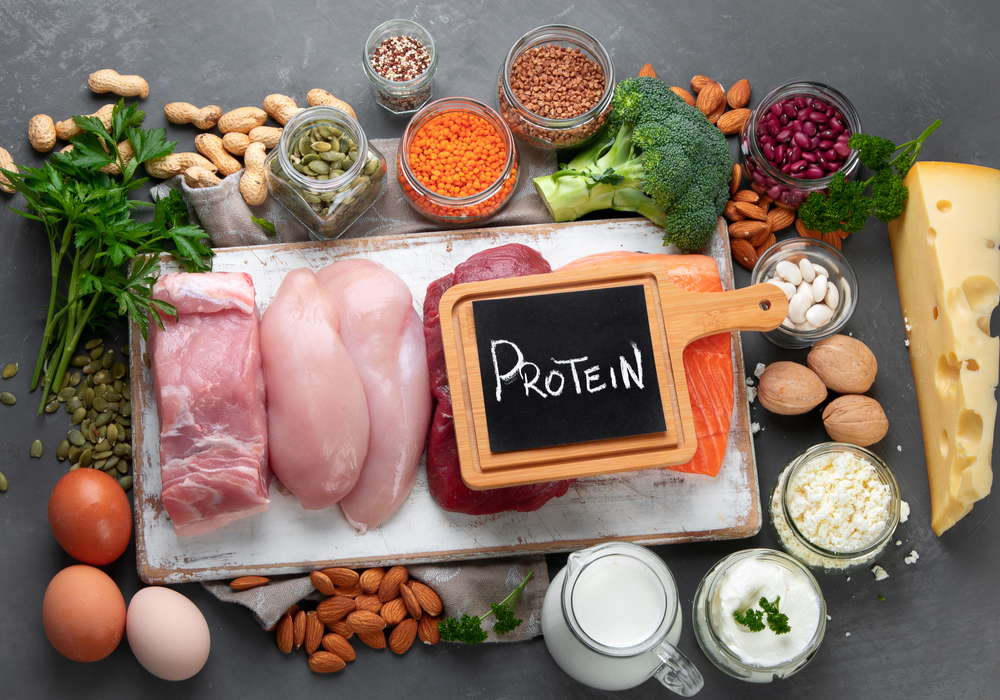
www.family.abbott
Top 5 High Protein Foods
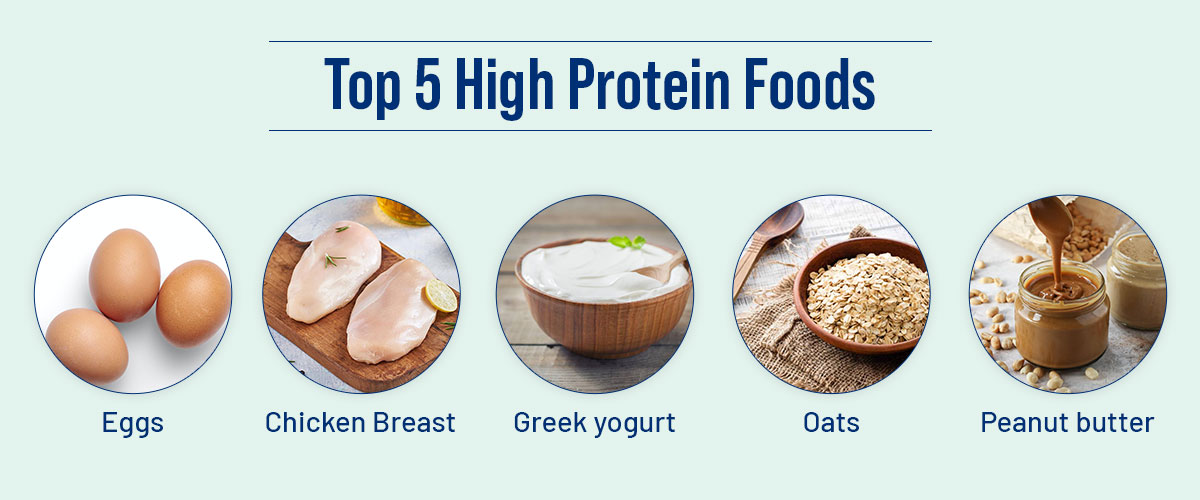
www.felixhospital.com
7 Jenis Protein, Fungsi, Dan Sumbernya – KlikDokter
:strip_icc():format(webp)/article/25r0oXZiwJaGHiDNAA30k/original/1664848418-Berbagai Jenis Protein dan Fungsinya bagi Tubuh.jpg)
www.klikdokter.com
L-Arginine: Benefits, Uses, Side Effects, And More
:max_bytes(150000):strip_icc()/GettyImages-14574114091-005ce9266e2e4133b9128d58c4fb53fe.jpg)
www.health.com
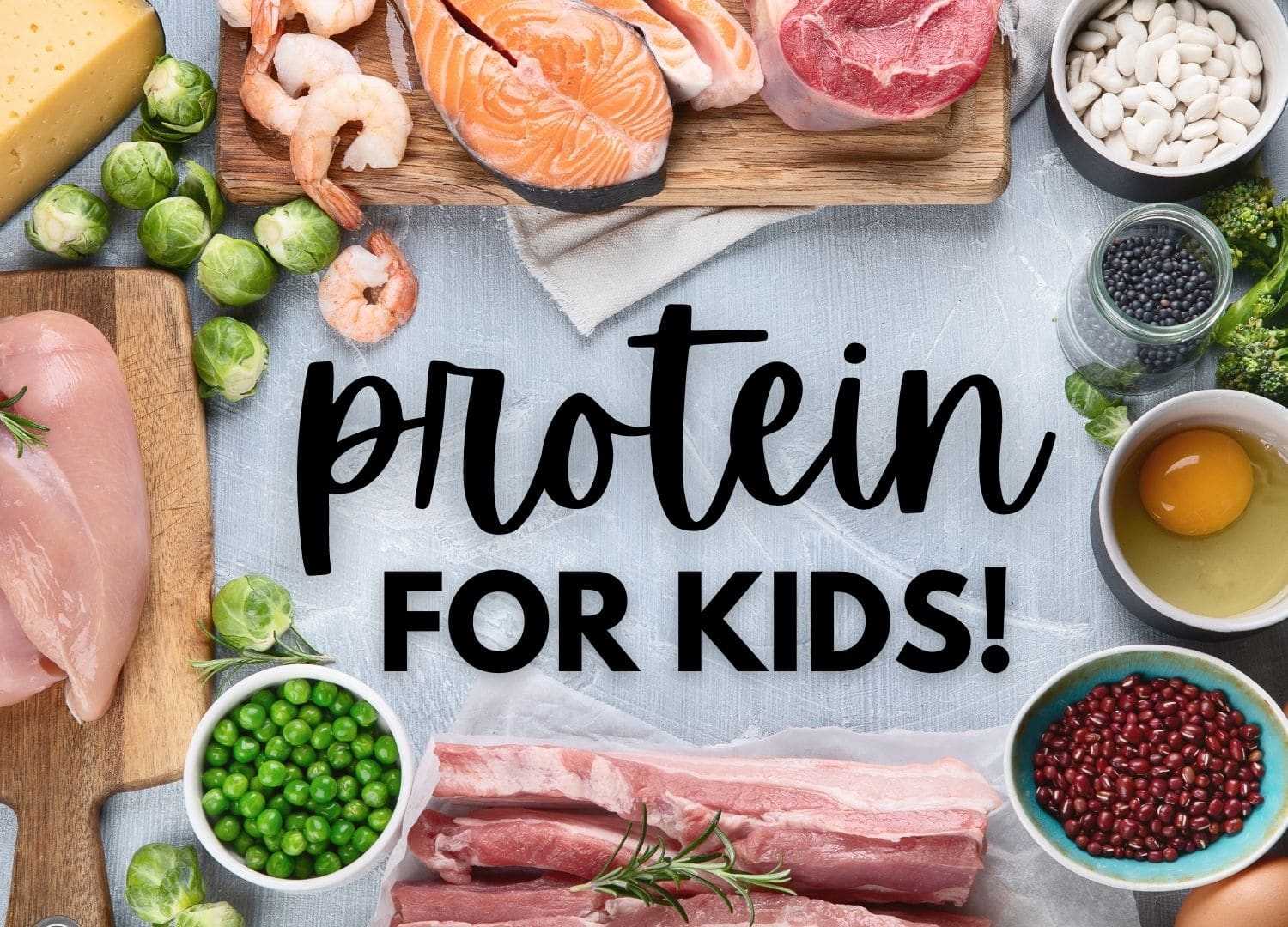
High Protein Foods For Picky Eaters – The Family Nutritionist
myfamilynutritionist.com
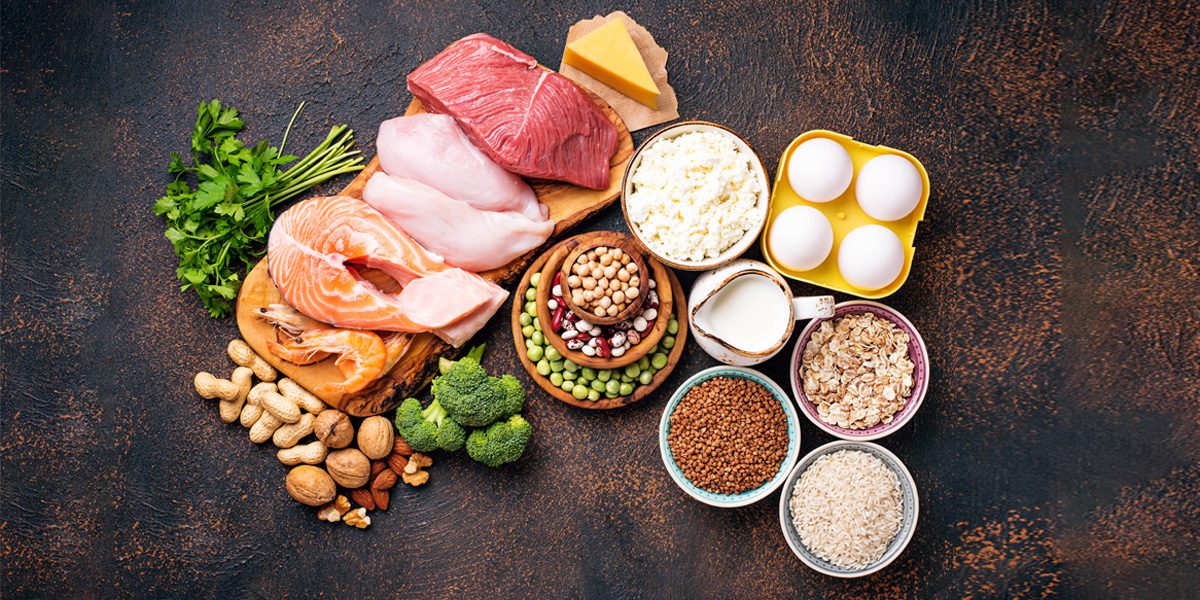
Top 21 Protein Rich Foods To Lose Weight – Fitterfly
www.fitterfly.com
Храни, които са почти чист протеин- Smart Diet

smartdiet.bg
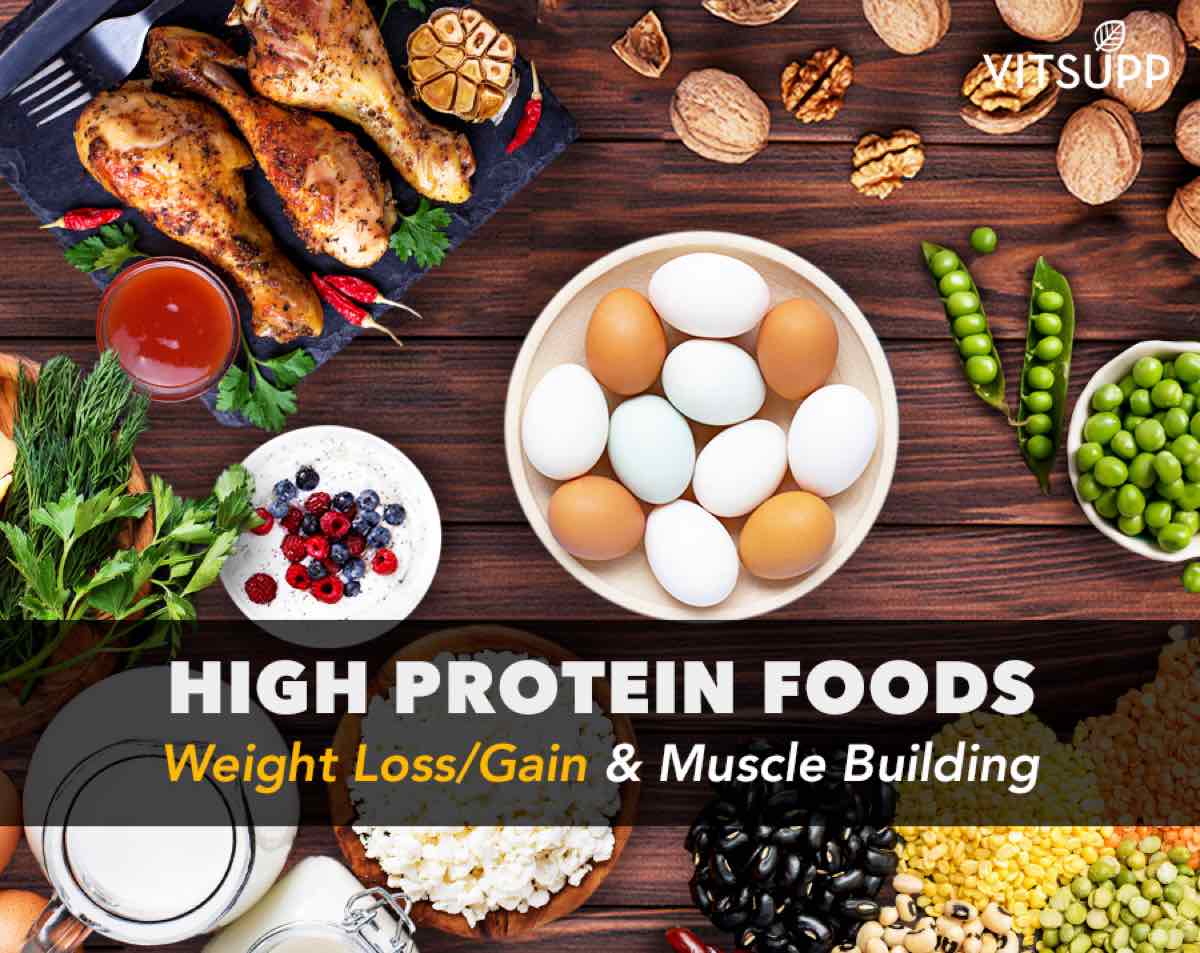
High Protein Foods For Muscle Building
ar.inspiredpencil.com
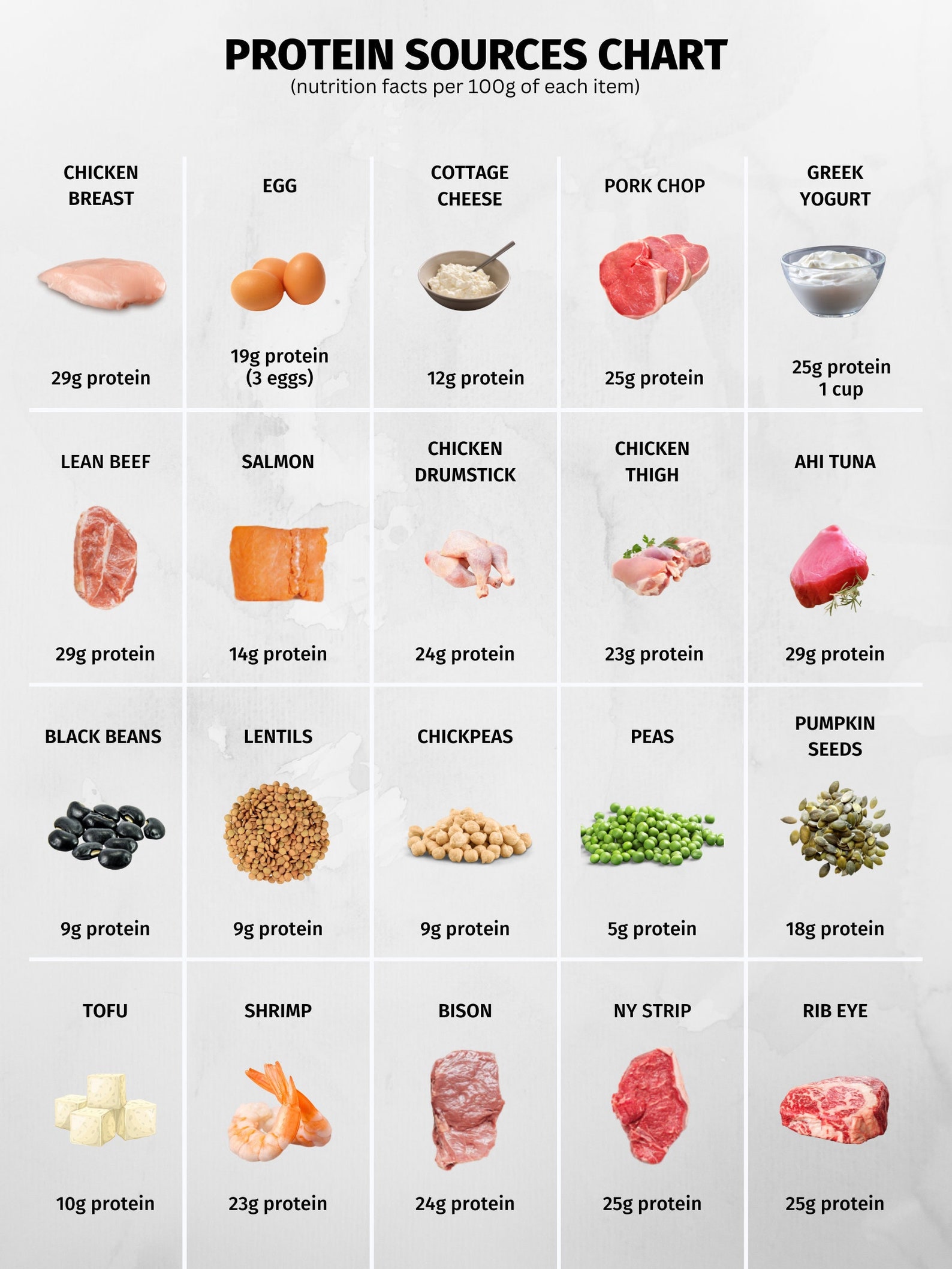
High Protein Foods Reference Chart, PRINTABLE / INSTANT DOWNLOAD. For A
www.etsy.com
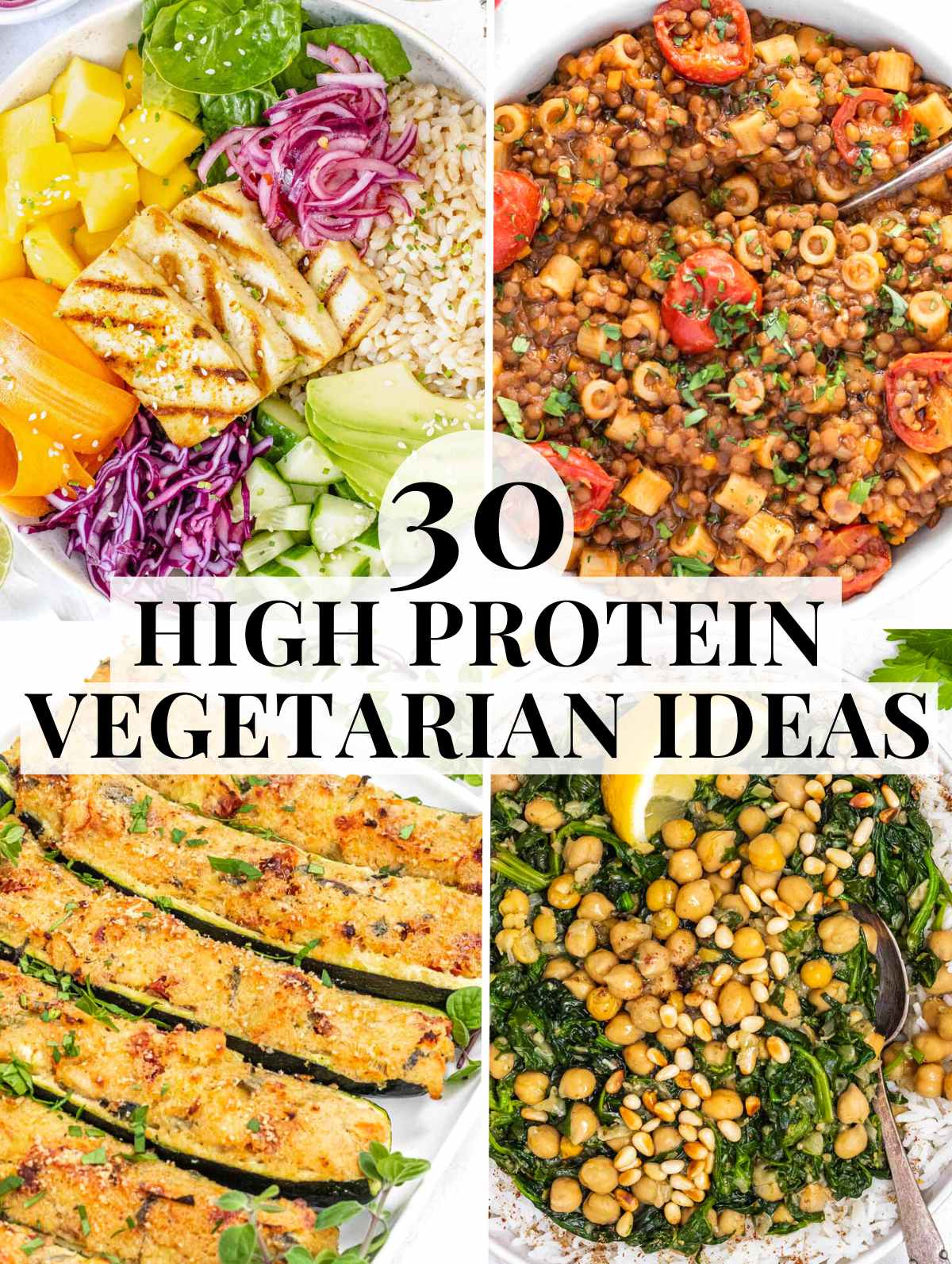
30 High Protein Vegetarian Meals – The Plant Based School
theplantbasedschool.com
Protein Chart – Artofit

www.artofit.org
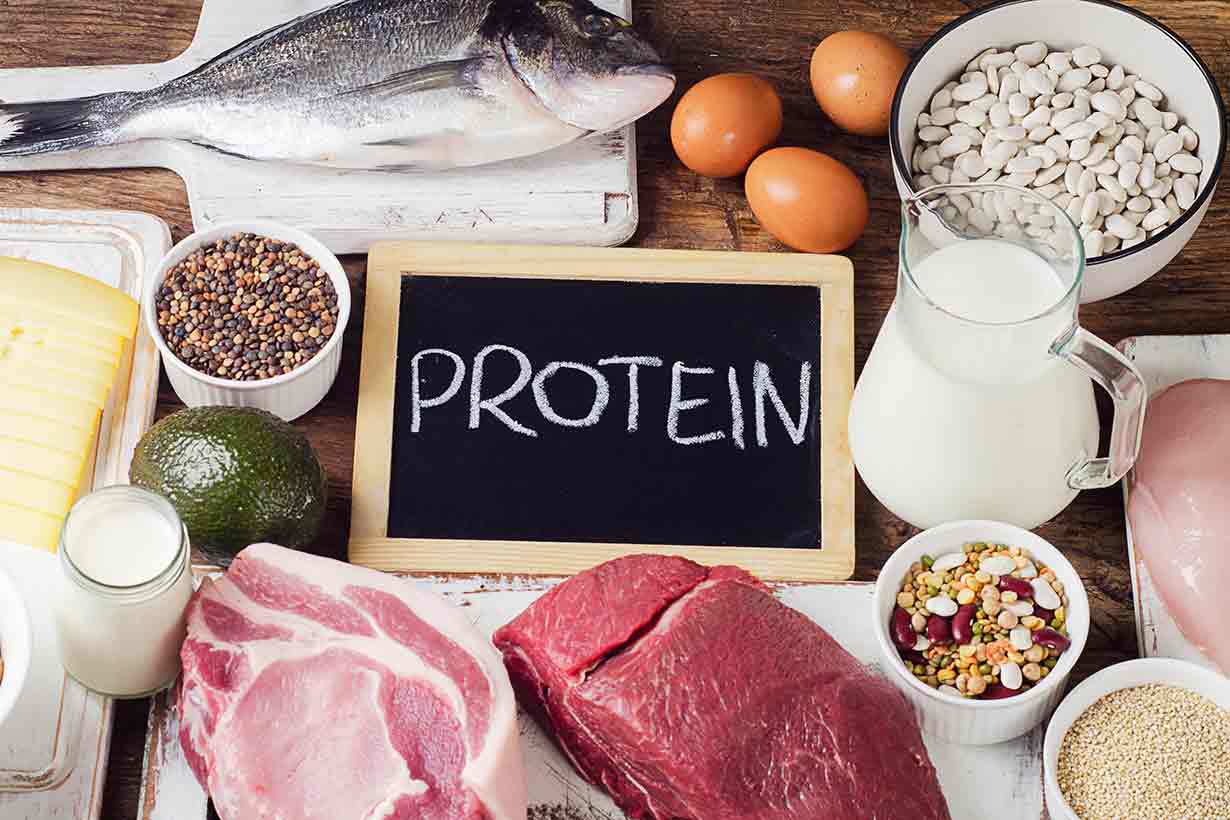
Examples Of Proteins In Foods
www.animalia-life.club
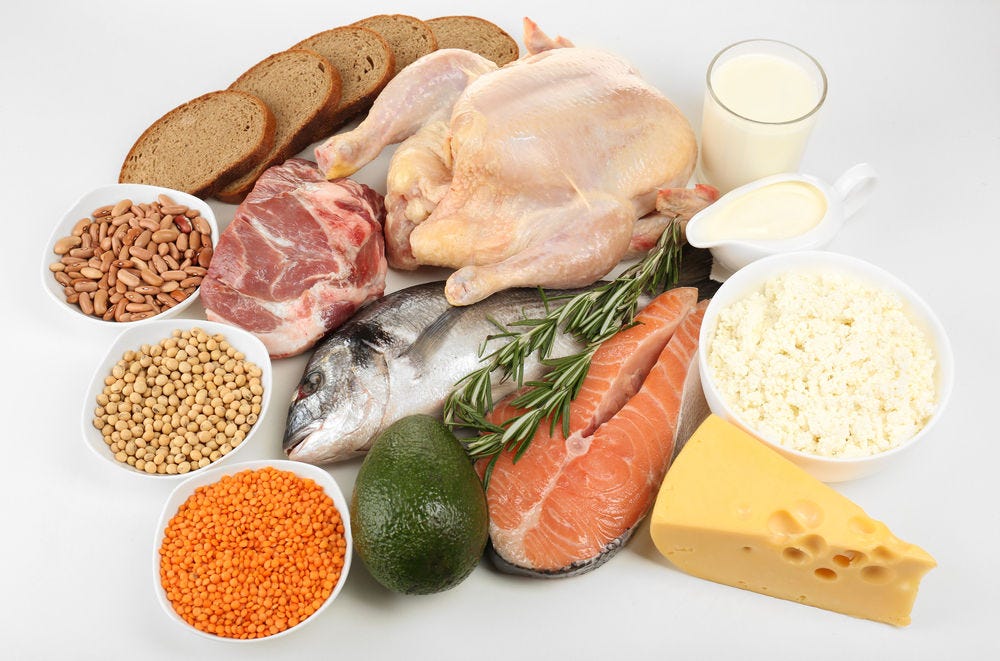
Pengertian, Fungsi, Struktur Dan Jenis-jenis Protein | By Indotesis.com
medium.com
Protein Foods List
:max_bytes(150000):strip_icc()/HighProteinVegetables-9e666d0561444246a5ce27a373ec4991.jpg)
ar.inspiredpencil.com
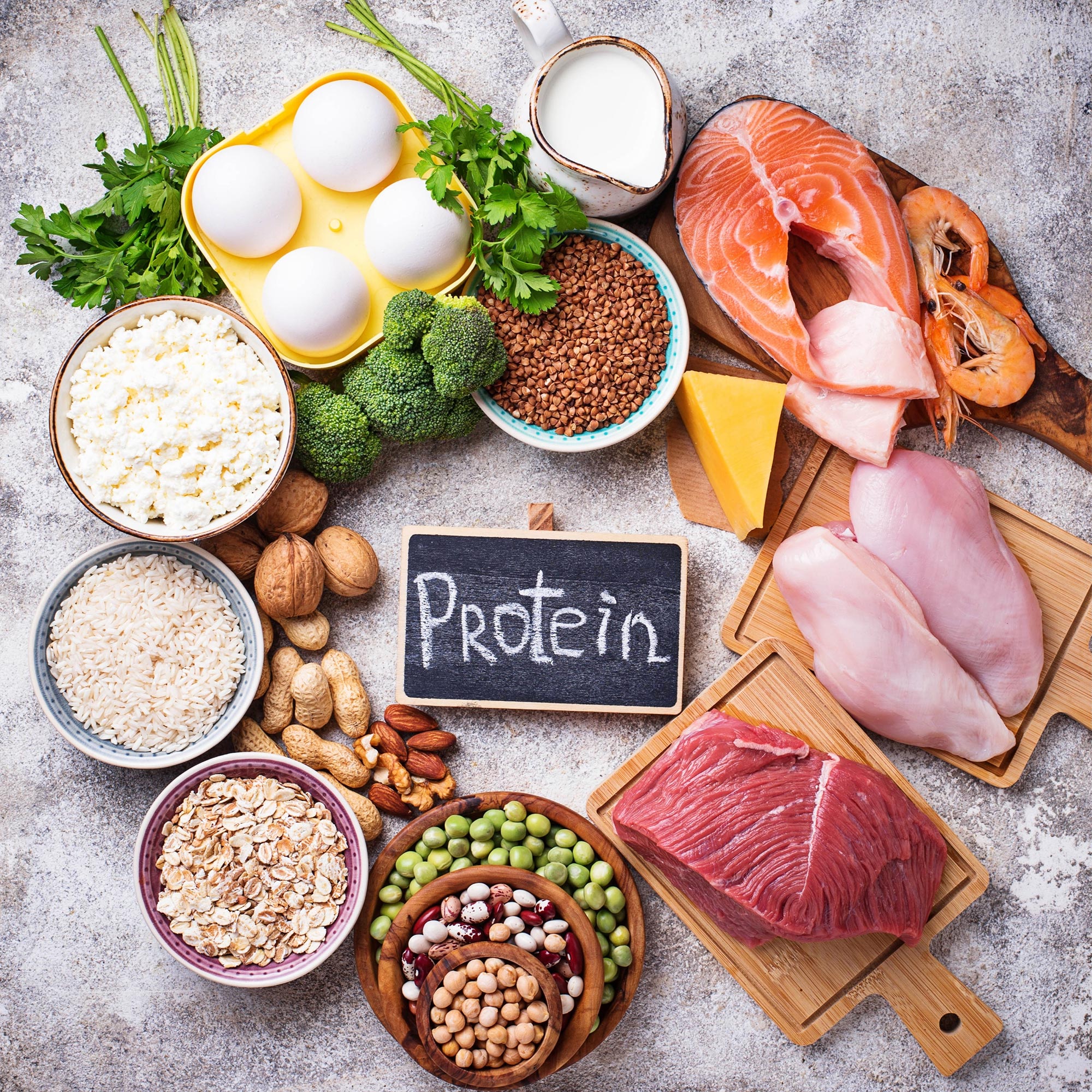
Researchers Find That Eating Just A Little More Protein Can Enhance
scitechdaily.com
protein foods #3298276. L-arginine: benefits, uses, side effects, and more. Cari asupan yang mengandung protein tinggi? cek di sini!