Are you a student grappling with the intricacies of heat transfer? Or perhaps a teacher looking for a reliable resource to assess your students’ understanding? Either way, you’ve likely been on the hunt for a comprehensive and accurate answer key to a Heat Transfer Worksheet. The principles of heat transfer – conduction, convection, and radiation – are fundamental to many fields, from engineering and physics to chemistry and even cooking! Mastering these concepts is crucial, and having the right tools to check your work can make all the difference.
This post aims to provide you with a sample answer key for a generic Heat Transfer Worksheet. Please remember that worksheets vary in content and difficulty. This key is intended as a guideline and should be adapted to suit the specific questions on your worksheet. Always double-check your answers against the original material and consult your teacher or textbook if you’re still unsure. Understanding *why* the answer is correct is just as important as getting the right answer itself!
Below, you’ll find the answers presented in an organized and easy-to-read format. We’ve categorized the answers by the type of heat transfer process involved and included brief explanations where necessary. Remember, the goal is not just to see the correct answer but to understand the underlying principles and how they apply to different scenarios.
Heat Transfer Worksheet Answer Key
The following is a sample answer key. Your worksheet may have different questions, so compare carefully and understand the reasoning behind each answer.
Conduction
- Question 1: Calculate the rate of heat transfer through a 2 cm thick copper plate with an area of 0.5 m2 when the temperature difference across the plate is 50°C. (Thermal conductivity of copper = 400 W/m.K)
- Answer: Using Fourier’s Law of Conduction: Q = (k * A * ΔT) / d
Q = (400 W/m.K * 0.5 m2 * 50°C) / 0.02 m
Q = 500,000 W or 500 kW - Question 2: Explain why metal feels colder than wood at room temperature, even though they are both at the same temperature.
- Answer: Metal is a much better conductor of heat than wood. When you touch metal, it rapidly conducts heat away from your hand, making your hand feel colder. Wood, being a poor conductor, does not conduct heat away as quickly, so it doesn’t feel as cold. This is due to the difference in their thermal conductivity values.
- Question 3: List three factors that affect the rate of conductive heat transfer.
- Answer:
- Thermal conductivity of the material
- Area of the surface
- Temperature difference across the material
- Thickness or distance of the material
Convection
- Question 4: Differentiate between natural convection and forced convection.
- Answer: Natural convection occurs due to density differences caused by temperature gradients within a fluid. Warm fluid rises, and cool fluid sinks, creating a circulating flow. Forced convection, on the other hand, uses external means like a fan or pump to move the fluid and enhance heat transfer.
- Question 5: A hot air balloon rises because of which heat transfer mechanism?
- Answer: Convection. Heating the air inside the balloon makes it less dense than the surrounding air. This density difference creates buoyancy, causing the balloon to rise due to natural convection.
- Question 6: What is a heat transfer coefficient and how does it relate to convection?
- Answer: The heat transfer coefficient (h) is a measure of how effectively heat is transferred between a surface and a fluid during convection. A higher heat transfer coefficient indicates more efficient heat transfer. It is a key parameter in Newton’s Law of Cooling: Q = h * A * ΔT, where Q is the heat transfer rate, A is the surface area, and ΔT is the temperature difference between the surface and the fluid.
Radiation
- Question 7: Explain Stefan-Boltzmann Law.
- Answer: The Stefan-Boltzmann Law states that the total energy radiated per unit surface area of a black body per unit time is proportional to the fourth power of the absolute temperature. The formula is: Q = εσAT4, where Q is the radiant heat emitted, ε is the emissivity of the object (0 for a perfect reflector and 1 for a black body), σ is the Stefan-Boltzmann constant (5.67 x 10⁻⁸ W/m2K4), A is the surface area, and T is the absolute temperature in Kelvin.
- Question 8: Why are dark-colored objects better at radiating heat than light-colored objects?
- Answer: Dark-colored objects have a higher emissivity than light-colored objects. Emissivity is a measure of how effectively an object radiates energy. A higher emissivity means the object will radiate more heat at a given temperature. Dark colors absorb more radiation, and good absorbers are also good emitters.
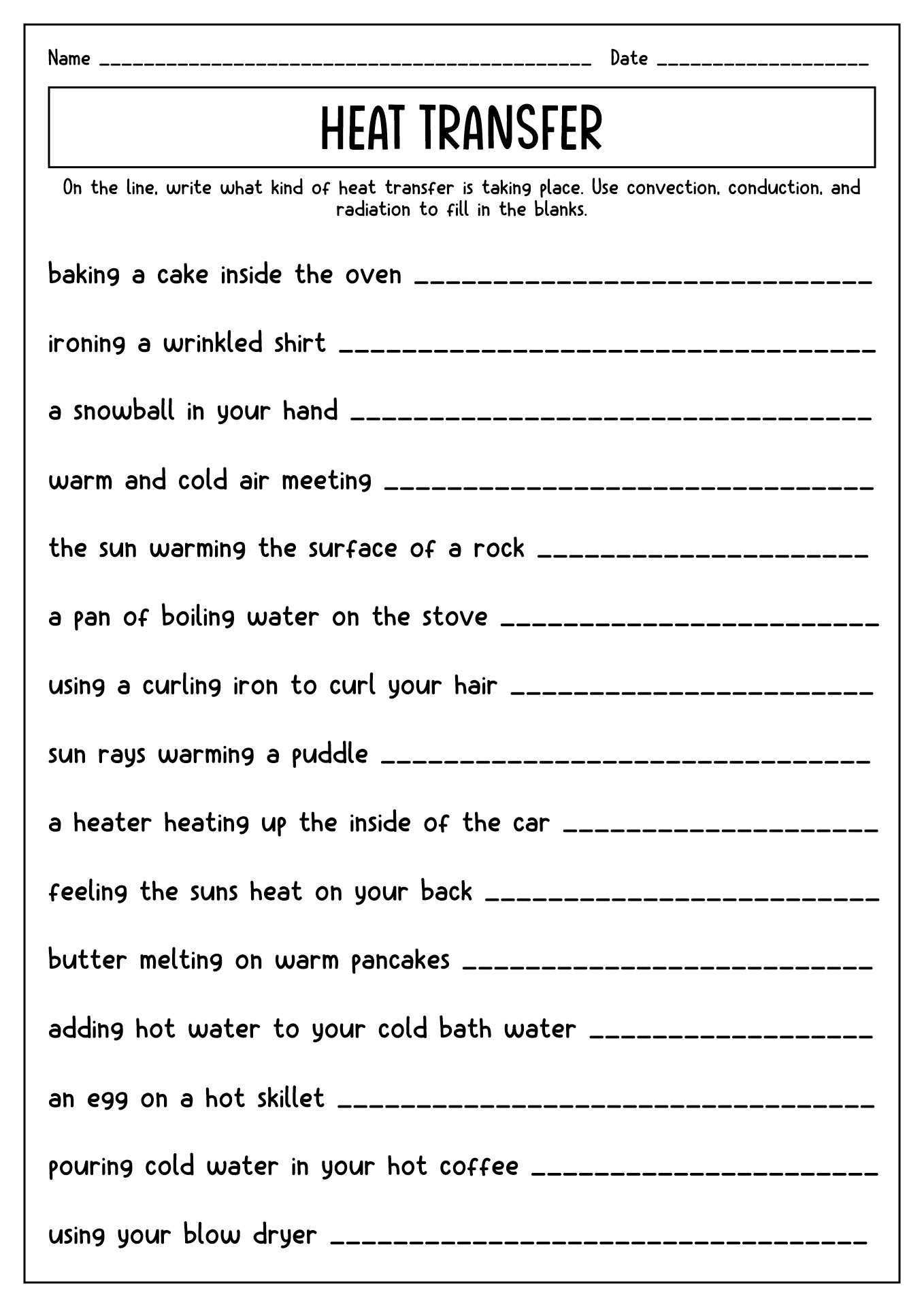
- Question 9: Give an example of radiation heat transfer in everyday life.
- Answer: Examples include feeling the warmth of the sun, the heat radiating from a stovetop burner (even if you aren’t touching it), or the warmth you feel standing near a fireplace.
This sample answer key should help you understand the solutions to your Heat Transfer Worksheet. Remember to review the underlying concepts and practice solving similar problems to solidify your understanding. Good luck!
If you are searching about Heat Transfer Worksheet Answer Key – E-streetlight.com you’ve visit to the right page. We have 20 Images about Heat Transfer Worksheet Answer Key – E-streetlight.com like Heat Transfer Worksheet Answer Key – Pro Worksheet, Heat And Heat Transfer Worksheet | dev.onallcylinders.com and also Heat Transfer By Conduction Gizmo Answer Key The Best Feel T. Read more:
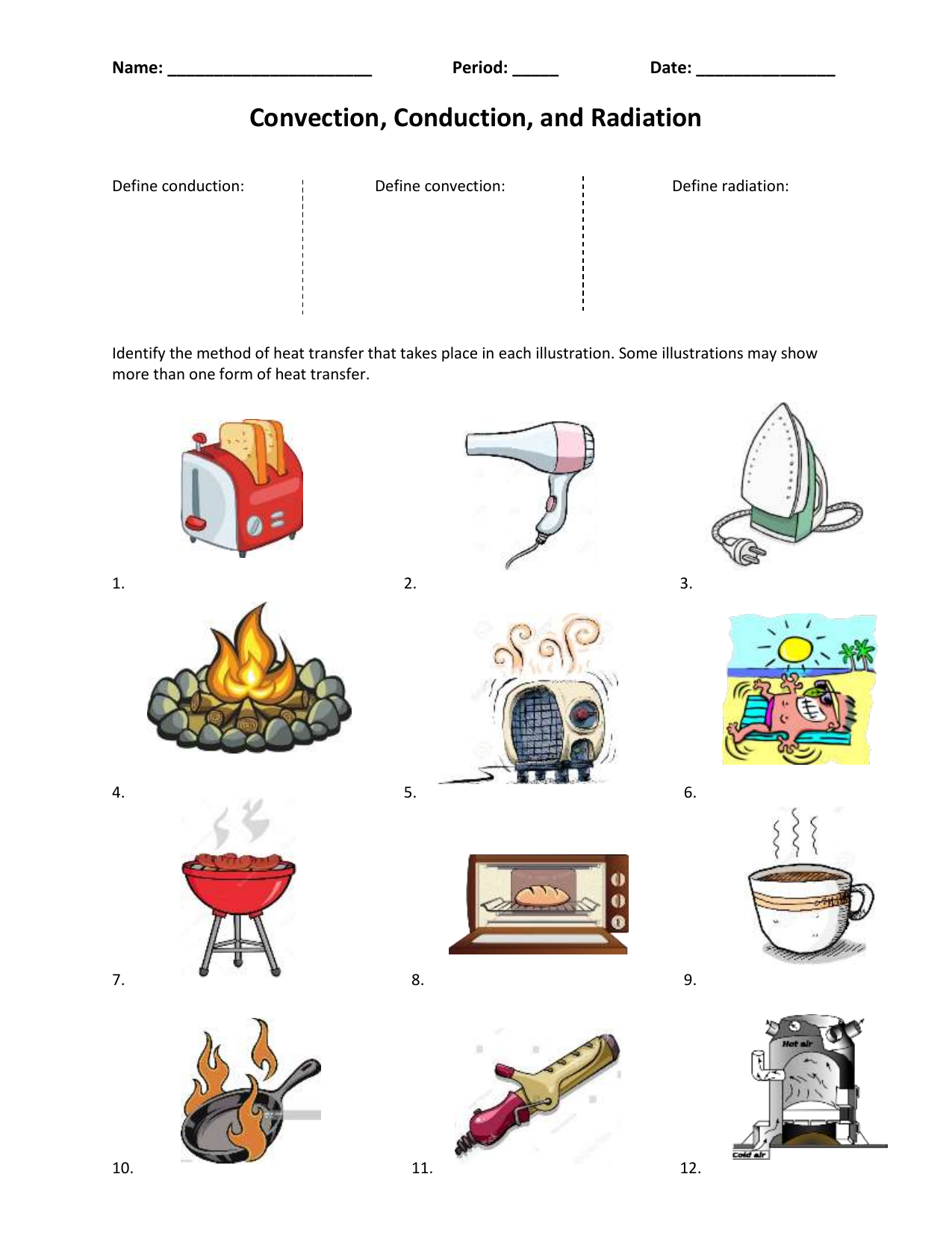
Heat Transfer Worksheet Answer Key – E-streetlight.com
www.e-streetlight.com
19 Types Of Energy Transfer Worksheet | Thermal Energy Transfer, Energy

www.pinterest.ph
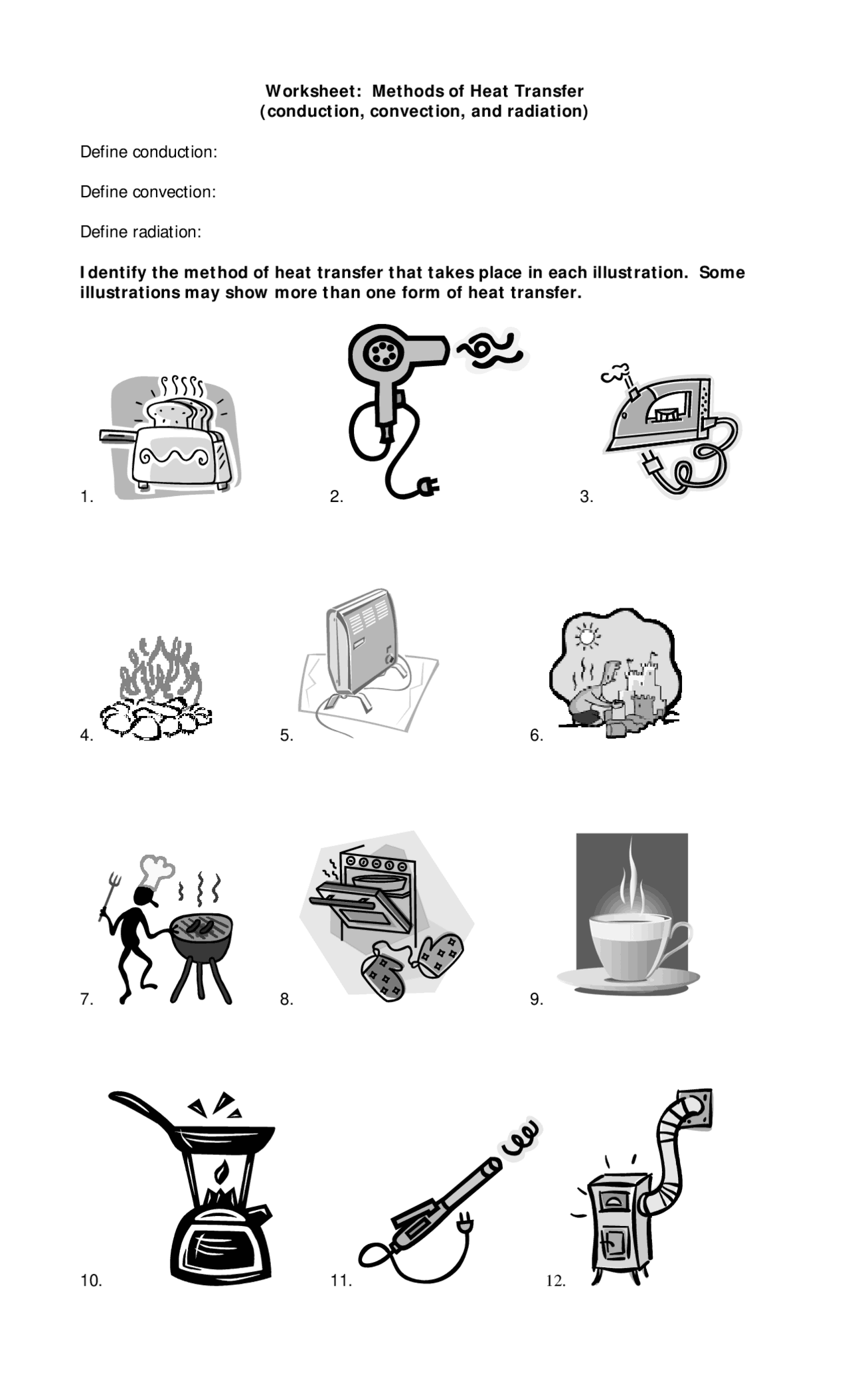
Worksheet: Methods Of Heat Transfer (conduction, Convection
www.docsity.com
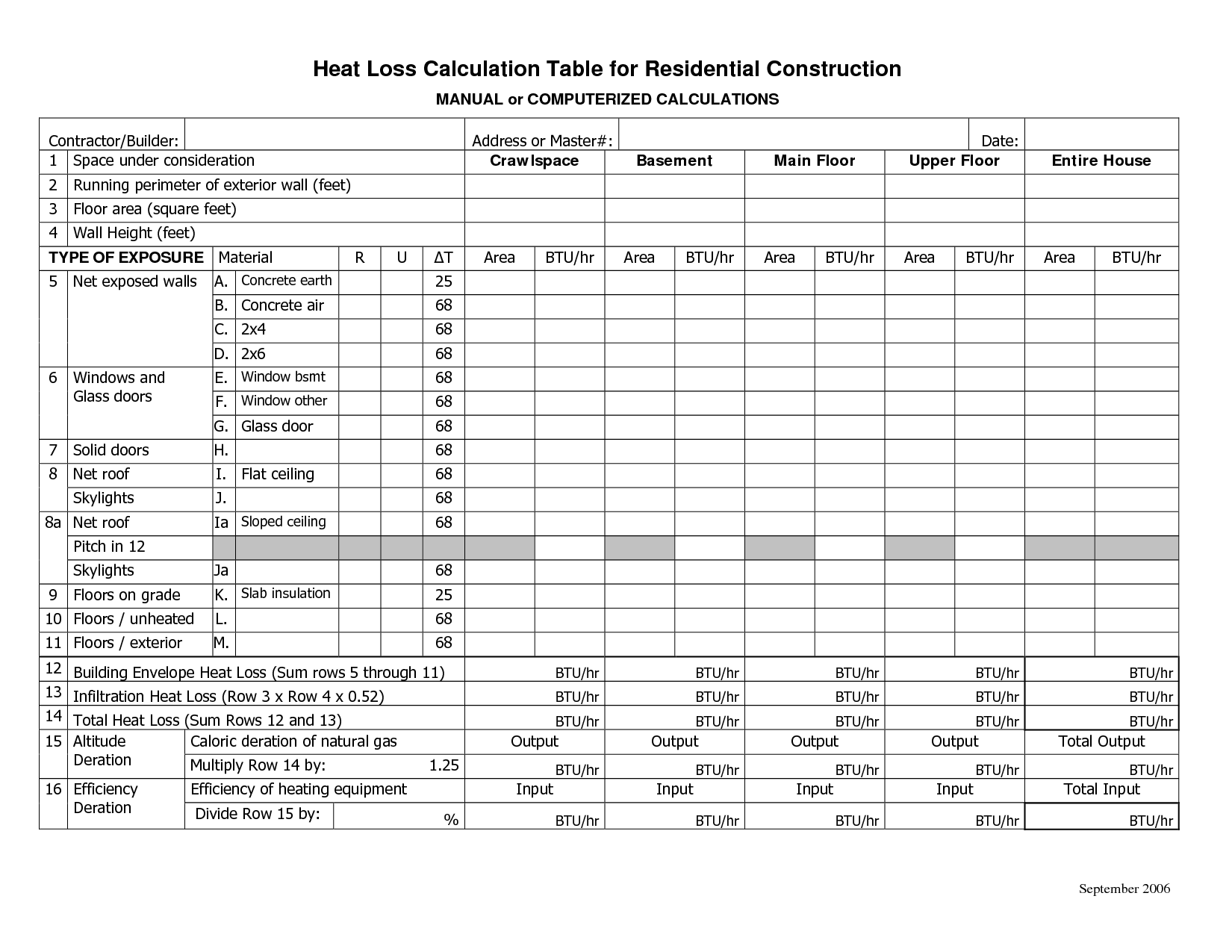
15 Heat Loss Worksheet / Worksheeto.com
www.worksheeto.com
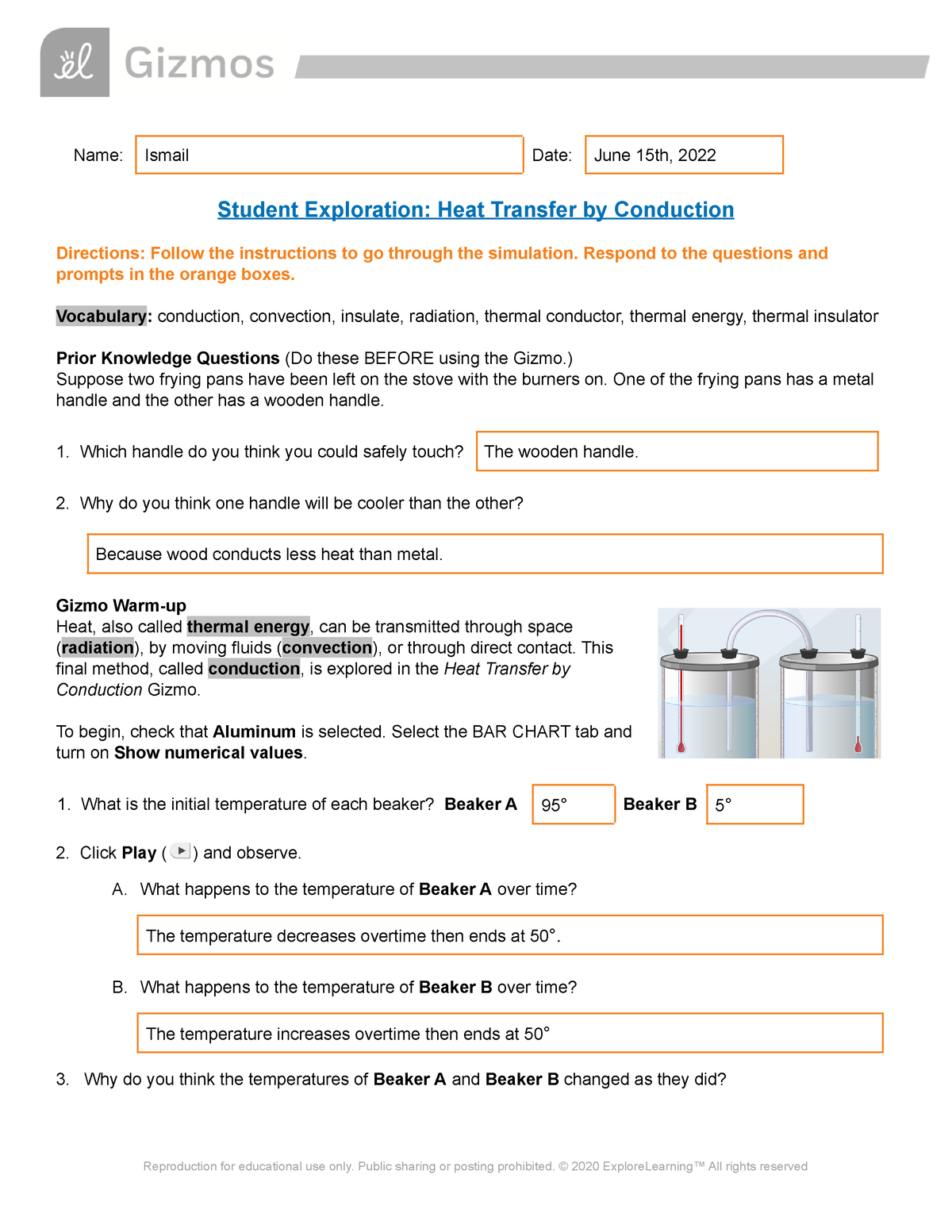
Heat Transfer By Conduction Gizmo Answer Key The Best Feel T
sluogtise9tdblearning.z13.web.core.windows.net
Heat And Heat Transfer Worksheets Answers

prekucaxr9lessonlearning.z13.web.core.windows.net
Heat Transfer Worksheet Answers – E-streetlight.com
www.e-streetlight.com
Heat Transfer Conduction, Convection And Radiation – Ppt Video

worksheets.clipart-library.com
11 Science Heat Energy Worksheets With Answer – Free PDF At Worksheeto.com
www.worksheeto.com
19 Types Of Energy Transfer Worksheet – Free PDF At Worksheeto.com
www.worksheeto.com
Heat Transfer Worksheet Answer Key – Pro Worksheet

www.proworksheet.my.id
The Heat Transfer Worksheet For Students To Practice Heat Transfer In

www.pinterest.es
Heat And Heat Transfer Worksheet | Dev.onallcylinders.com

dev.onallcylinders.com
Heat Transfer Worksheet 1

quizzschoolmementoes.z21.web.core.windows.net
19 Types Of Energy Transfer Worksheet | Science Teaching Resources

www.pinterest.ph
Kami Export – Module 4 – Unit Activity – Heat Transfer Gizmo Student
www.studocu.com
️Heat Transfer Examples Worksheet Free Download| Gambr.co

gambr.co
Heat And Heat Transfer Worksheets
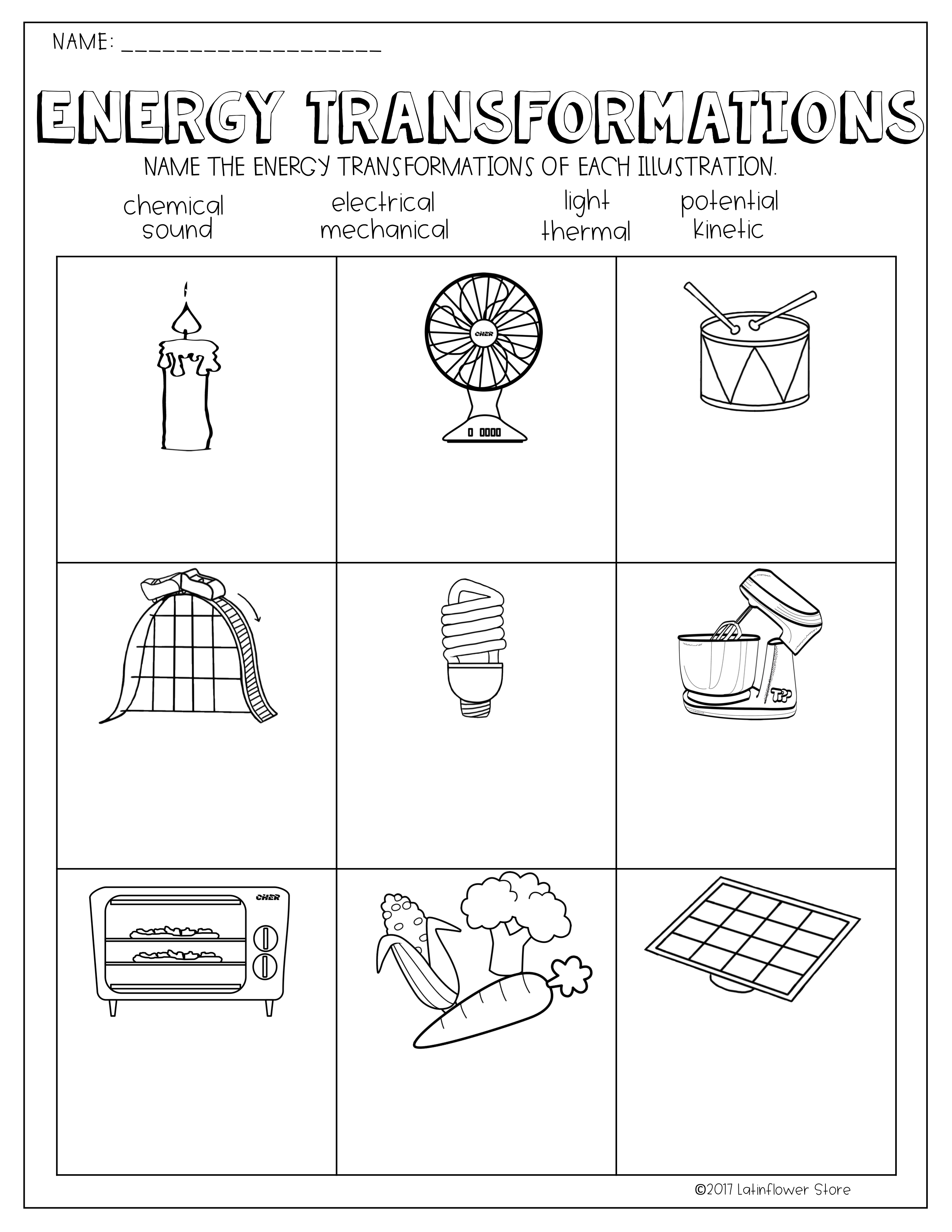
learningdbjonelle.z21.web.core.windows.net
️Heat Transfer Examples Worksheet Free Download| Gambr.co

gambr.co
Heat Transfer Worksheet Answer Key — Db-excel.com
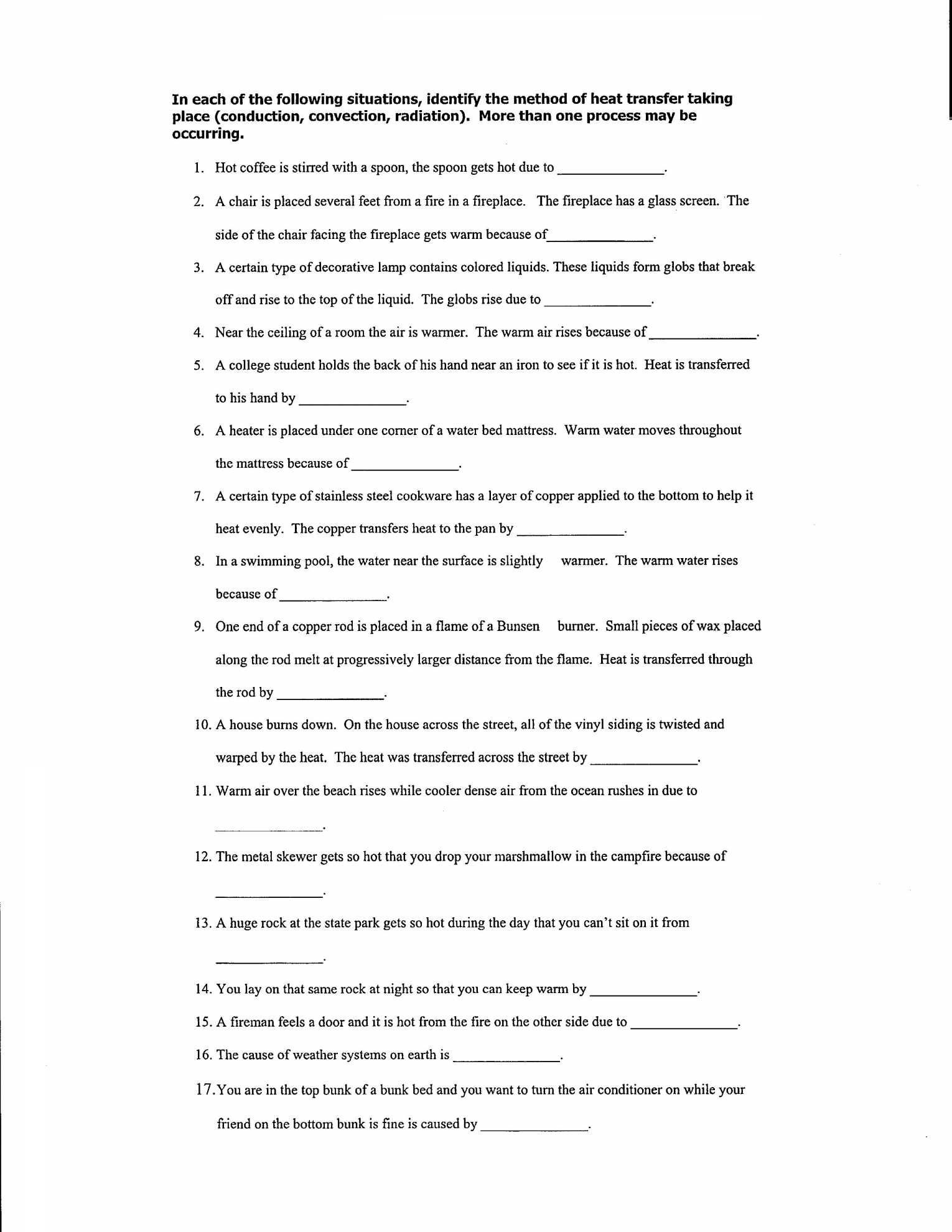
db-excel.com
11 science heat energy worksheets with answer. 19 types of energy transfer worksheet. Heat and heat transfer worksheet