Evolution, the grand unifying theory of biology, explains the diversity of life on Earth through descent with modification. But it’s not just a “theory” in the casual sense; it’s supported by a mountain of evidence from various fields of science. Exploring this evidence is crucial to understanding the process of evolution and how species, including our own, have changed over vast stretches of time. One effective way to explore this evidence is through an “Evidence of Evolution Worksheet,” which guides students and enthusiasts through different lines of proof.
These worksheets typically cover key areas like the fossil record, comparative anatomy, embryology, biogeography, and molecular biology. By working through the worksheet, you can actively engage with the data and strengthen your understanding of how these different fields corroborate the evolutionary narrative. Think of it like a detective piecing together clues to solve a mystery – the mystery of how life has transformed over billions of years.
The following is a sample answer key to a typical “Evidence of Evolution Worksheet.” This is not meant to be a comprehensive solution for *every* worksheet you might encounter, as content and questions can vary. Rather, it provides a general framework and examples of how to interpret and analyze the evidence for evolution.
Evidence of Evolution Worksheet: Sample Answers
1. Fossil Record
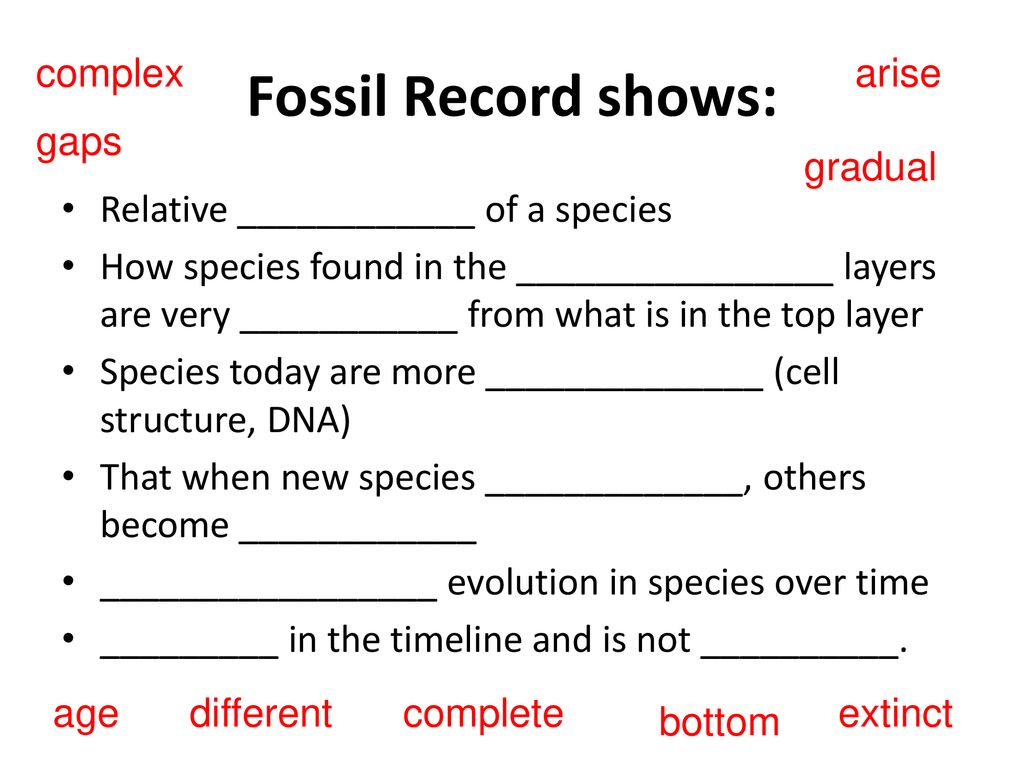
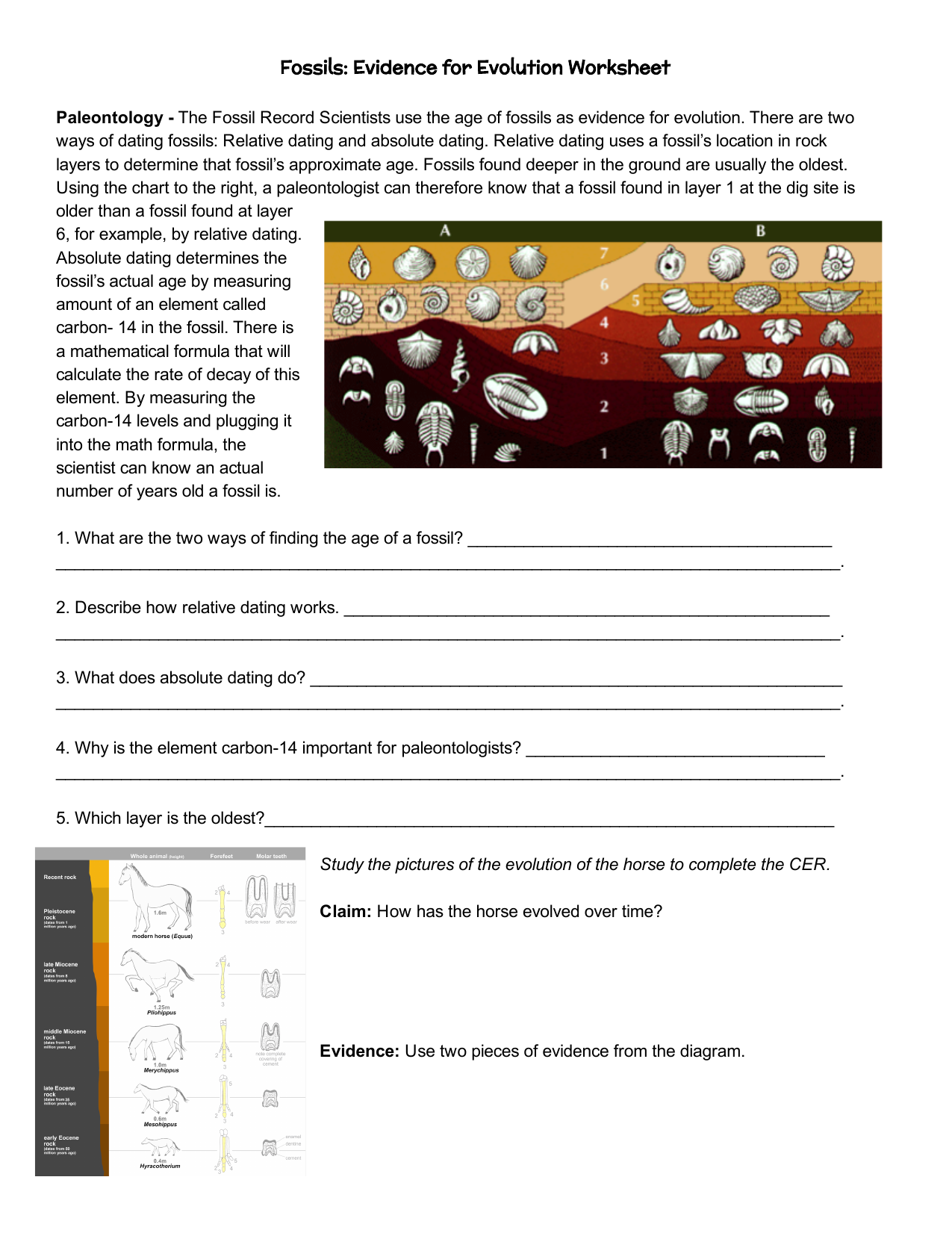
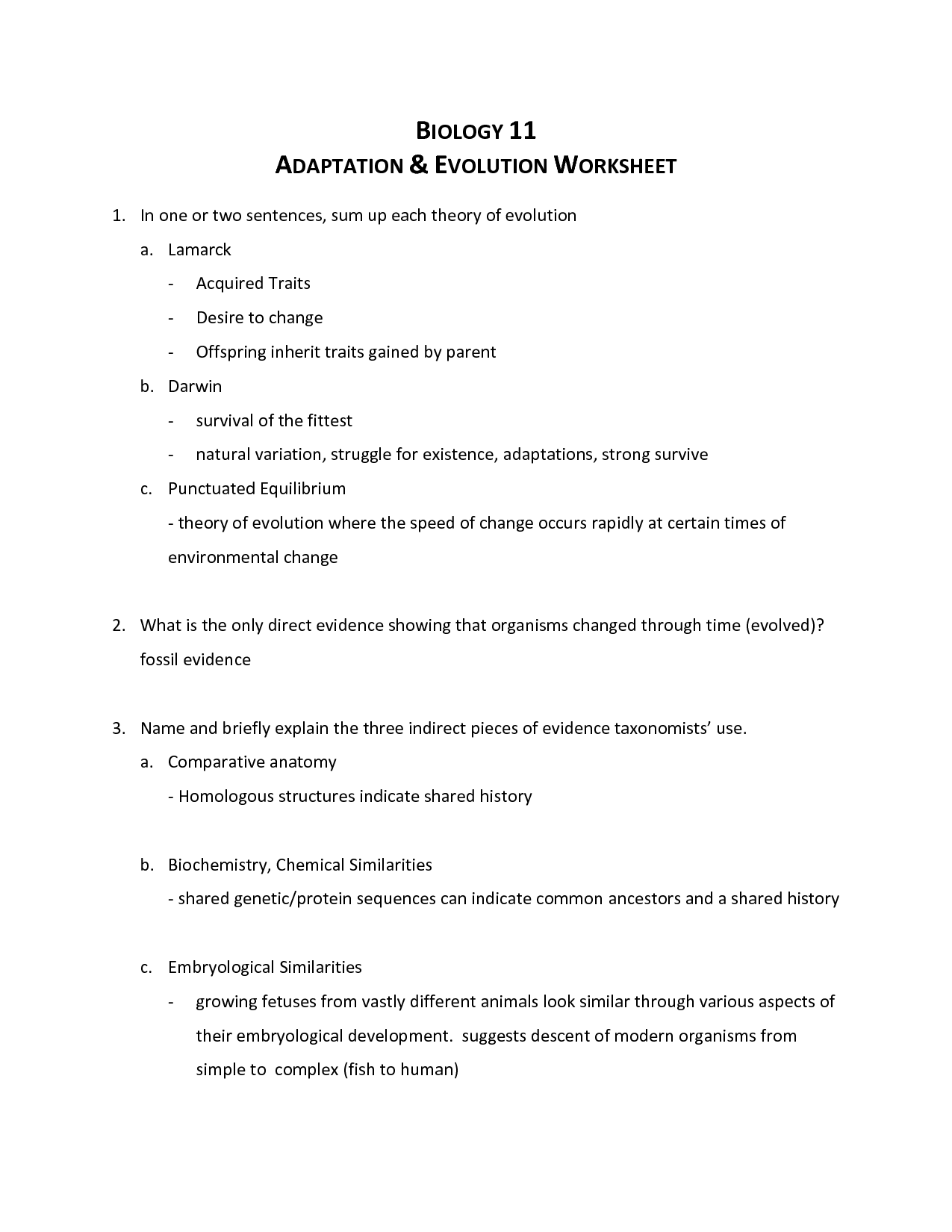
The fossil record provides a chronological sequence of life’s history. Fossils show transitional forms, extinct species, and the gradual changes in morphology over time. By examining the age of fossils using radiometric dating, scientists can determine the relative ages of different species and their evolutionary relationships.
2. Comparative Anatomy
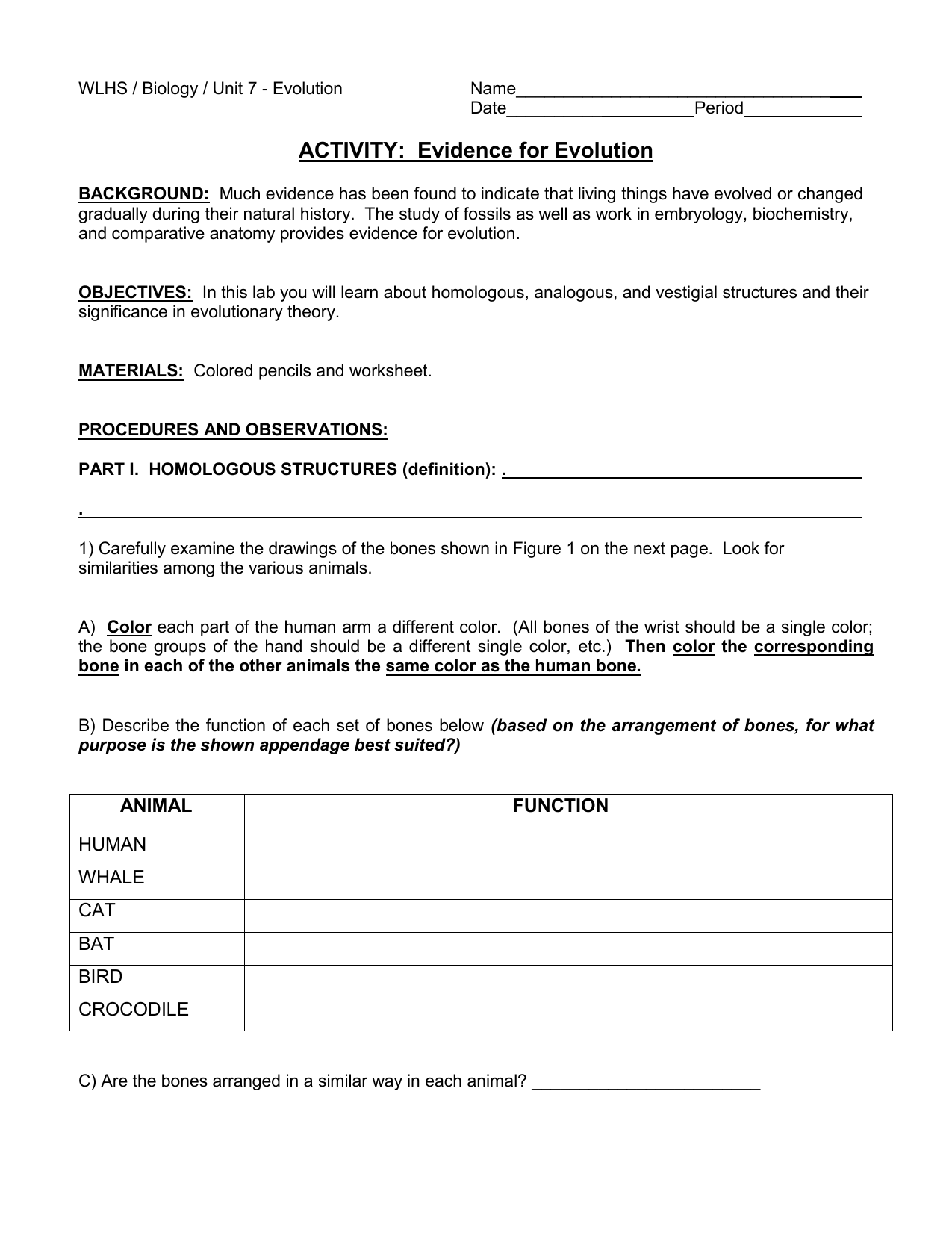
Comparative anatomy involves studying the similarities and differences in the anatomical structures of different species. Homologous structures are structures that share a common ancestry but may have different functions in different organisms (e.g., the forelimbs of mammals: human arm, bat wing, whale flipper). This suggests a shared evolutionary origin. Analogous structures, on the other hand, have similar functions but different underlying structures (e.g., the wings of insects and birds), indicating convergent evolution – the independent evolution of similar traits in unrelated organisms due to similar environmental pressures. Vestigial structures are remnants of organs or structures that had a function in an ancestor but no longer serve a purpose in the modern organism (e.g., the human appendix, whale pelvic bones).
3. Embryology
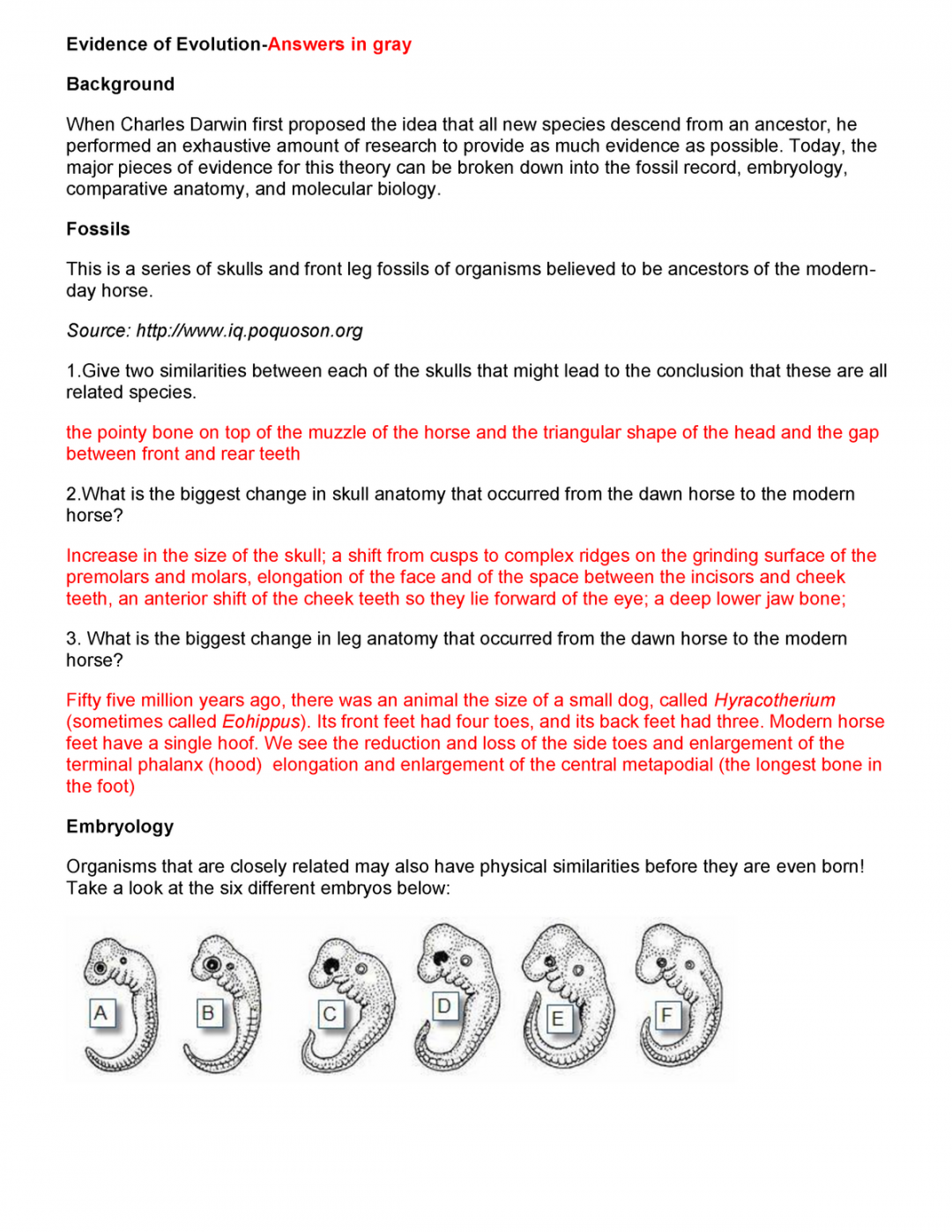
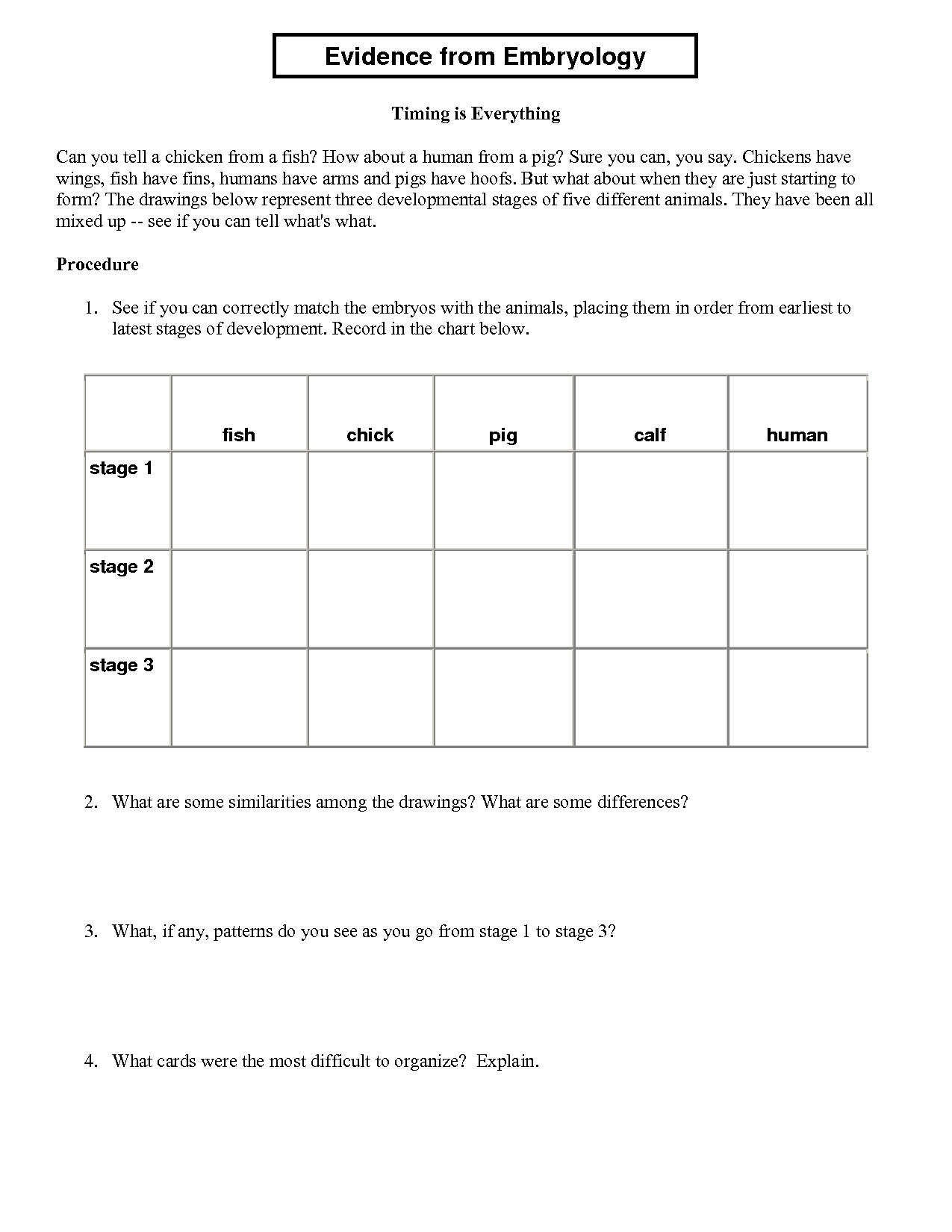
Embryology is the study of the development of embryos. In many species, especially vertebrates, early developmental stages are remarkably similar. For example, vertebrate embryos have gill slits and tails, even if the adult form does not. This suggests a common ancestry and that these features were present in a shared ancestor. As the embryos develop, they diverge, reflecting the different evolutionary pathways their species have taken.
4. Biogeography
Biogeography is the study of the geographic distribution of species. The distribution of species is often closely linked to evolutionary history. For example, marsupials are largely found in Australia because they evolved in isolation on that continent after it separated from other landmasses. Islands often have unique species that are not found anywhere else in the world. This is because these species evolved in isolation on the island, often from a small number of colonizing ancestors.
5. Molecular Biology
Molecular biology provides perhaps the most compelling evidence for evolution. The universality of the genetic code (DNA and RNA) and the similarity of many genes across diverse species indicate a common ancestor. By comparing DNA sequences, scientists can construct phylogenetic trees (evolutionary trees) that show the relationships between different species. The more similar the DNA sequences, the more closely related the species are presumed to be. The presence of pseudogenes (non-functional DNA sequences) also supports evolution, as these sequences represent remnants of genes that were functional in ancestors but have since been disabled.
By actively working through an “Evidence of Evolution Worksheet” and critically analyzing the information presented, you gain a deeper appreciation for the overwhelming support that exists for the theory of evolution. It’s a journey through the history of life itself, revealed through the tangible clues left behind in fossils, anatomy, developing embryos, geographical distributions, and the very molecules that define us.
- Fossil Record: Provides evidence of extinct species, transitional forms, and changes in morphology over time. Radiometric dating allows for determining the age of fossils.
- Comparative Anatomy:
- Homologous Structures: Structures with a common ancestry but different functions (e.g., vertebrate limbs).
- Analogous Structures: Structures with similar functions but different origins (e.g., insect and bird wings).
- Vestigial Structures: Remnants of organs or structures that had a function in an ancestor but no longer serve a purpose (e.g., human appendix).
- Embryology: Similarities in early embryonic development among different species, suggesting a common ancestor (e.g., gill slits in vertebrate embryos).
- Biogeography: The geographic distribution of species reflects evolutionary history. Isolation can lead to the evolution of unique species (e.g., marsupials in Australia).
- Molecular Biology:
- Universality of the genetic code (DNA and RNA).
- Similarities in DNA sequences across different species.
- Presence of pseudogenes.
If you are searching about Evidence Of Evolution Worksheet – E-streetlight.com you’ve came to the right web. We have 20 Pics about Evidence Of Evolution Worksheet – E-streetlight.com like POGIL Evidence for Evolution – Evidence for Evolution 1 Evidence, Evidence For Evolution Worksheet – Pro Worksheet and also Solved Dra Name Period: Page Evidence for Evolution | Chegg.com. Here you go:
Evidence Of Evolution Worksheet – E-streetlight.com

www.e-streetlight.com
Evidence For Evolution Worksheet – E-streetlight.com
www.e-streetlight.com
Evidence For Evolution Worksheet – Pro Worksheet

www.proworksheet.my.id
Evidence For Evolution Worksheet Answer – Printable PDF Template
martinlindelof.com
Evidence Of Evolution Word Search Puzzle Worksheet Activity | Teaching

www.tes.com
50 Evidence Of Evolution Worksheet Answers | Chessmuseum Template

ar.pinterest.com
Evidence For Evolution Worksheet – E-streetlight.com
www.e-streetlight.com
Evidence For Evolution Worksheet – E-streetlight.com
www.e-streetlight.com
Printable Human Evolution Worksheet Askworksheet

narodnatribuna.info
Solved Dra Name Period: Page Evidence For Evolution | Chegg.com

worksheets.clipart-library.com
Evidence Of Evolution Home Learning Worksheet GCSE – Rocketsheets

worksheets.clipart-library.com
Evidence For Evolution Worksheet Answers – Pro Worksheet
www.proworksheet.my.id
Evidence Of Evolution Home Learning Worksheet GCSE | Teaching Resources

www.tes.com
12 Evidence Of Evolution Worksheet Answer Key – Free PDF At Worksheeto.com
www.worksheeto.com
POGIL Evidence For Evolution – Evidence For Evolution 1 Evidence

worksheets.clipart-library.com
Evidence For Evolution Worksheet – Owhentheyanks.com
www.owhentheyanks.com
Evidence Of Evolution Worksheet – Artofit

www.artofit.org
Evidence For Evolution Worksheet – Owhentheyanks.com
www.owhentheyanks.com
Evidence Of Evolution Worksheet | Worksheetzone – Worksheets Library

worksheets.clipart-library.com
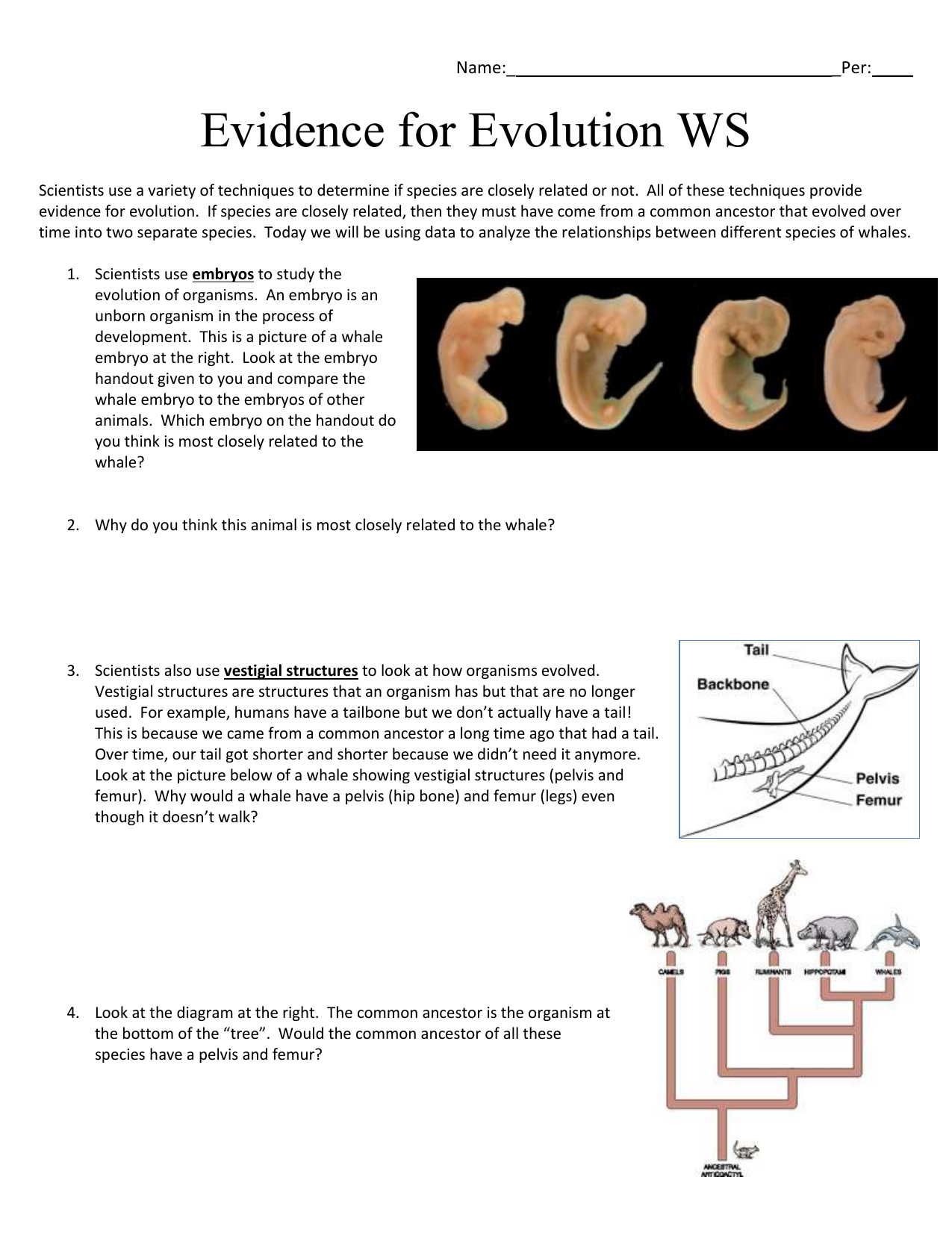
Evidence For Evolution Worksheet – Pro Worksheet
www.proworksheet.my.id
Evidence for evolution worksheet – e-streetlight.com. evidence of evolution worksheet – artofit. Evidence for evolution worksheet answer – printable pdf template