Ah, the infamous Ionic Bonds Worksheet! If you’re seeing this, chances are you’ve tackled, or are about to tackle, the concept of ionic bonds and their formation in your chemistry class. Understanding ionic bonds is a fundamental step in mastering chemical bonding and how different elements interact to form compounds. These bonds are responsible for the properties of many familiar substances, like the table salt we sprinkle on our food (sodium chloride, NaCl). But often, students find themselves grappling with questions about electron transfer, charge balancing, and predicting the resulting formulas. Don’t worry; it’s a learning process, and we’re here to help shed some light on the answers and, more importantly, the concepts behind them. Let’s break down the typical questions you might find on an ionic bonds worksheet and explore the right answers in a clear and easy-to-understand format. Remember, the goal isn’t just to memorize answers, but to grasp the underlying principles of why elements form these bonds in the first place.
Ionic bonds form when there’s a significant difference in electronegativity between two atoms. Essentially, one atom (usually a metal) readily loses electrons to achieve a stable electron configuration, while the other atom (usually a nonmetal) readily gains electrons to achieve a stable electron configuration. This electron transfer results in the formation of ions – positively charged cations (metals) and negatively charged anions (nonmetals). The electrostatic attraction between these oppositely charged ions is what we call an ionic bond. Understanding this electron transfer is key to predicting the formula of an ionic compound.
A typical ionic bonds worksheet will usually ask you to do the following:
- Identify if a compound is likely to be ionic based on the elements involved.
- Draw Lewis dot structures to illustrate the electron transfer.
- Determine the charges of the ions formed.
- Write the correct chemical formula for the ionic compound formed.
- Name the ionic compound using IUPAC nomenclature rules.
Below, you’ll find a list of answers to the kinds of questions that commonly appear in an Ionic Bonds Worksheet. Please remember that understanding the process is more important than simply memorizing the answers. Try working through the problems yourself first, and use these answers to check your work and identify any areas where you might need further clarification.
Ionic Bonds Worksheet: Example Answers
Here’s a possible set of answers, assuming a worksheet with a variety of common ionic compounds. These are just examples, of course, and your specific worksheet may contain different compounds. *Always check with your teacher for the correct and graded answers.*
Example Problems and Solutions
- Question 1: Draw the Lewis dot structures to show the formation of an ionic bond between sodium (Na) and chlorine (Cl). What is the resulting formula?
- Question 2: What ions are formed when magnesium (Mg) and oxygen (O) react to form an ionic compound? What is the resulting formula?
- Question 3: Potassium (K) reacts with sulfur (S) to form an ionic compound. Determine the formula of this compound.
- Question 4: Aluminum (Al) reacts with fluorine (F) to form an ionic compound. What is the formula of this compound, and what are the names of the ions formed?
- Question 5: Name the following ionic compounds: a) NaCl, b) MgO, c) K2S, d) AlF3, e) CaO
Answer Key:
-
Answer 1:
- Sodium (Na) loses one electron to become Na+.
- Chlorine (Cl) gains one electron to become Cl–.
- Lewis Dot Structures: (Illustrations of Na with one dot and Cl with seven dots, showing electron transfer).
- Resulting Formula: NaCl
-
Answer 2:
- Magnesium (Mg) loses two electrons to become Mg2+.
- Oxygen (O) gains two electrons to become O2-.
- Lewis Dot Structures: (Illustrations of Mg with two dots and O with six dots, showing electron transfer).
- Resulting Formula: MgO
-
Answer 3:
- Potassium (K) loses one electron to become K+.
- Sulfur (S) gains two electrons to become S2-.
- To balance the charges, two potassium ions are needed.
- Resulting Formula: K2S
-
Answer 4:
- Aluminum (Al) loses three electrons to become Al3+.
- Fluorine (F) gains one electron to become F–.
- To balance the charges, three fluoride ions are needed.
- Resulting Formula: AlF3
- Ions Formed: Aluminum ion (Al3+) and Fluoride ion (F–)
-
Answer 5:
- a) NaCl: Sodium Chloride
- b) MgO: Magnesium Oxide
- c) K2S: Potassium Sulfide
- d) AlF3: Aluminum Fluoride
- e) CaO: Calcium Oxide
Remember to always show your work when answering these questions. Demonstrating the electron transfer process and the charge balancing will not only help you arrive at the correct answer but also solidify your understanding of ionic bond formation. Chemistry can be tricky, but with practice and a clear understanding of the fundamental principles, you’ll master ionic bonds in no time!
If you are looking for Ionic bonding exam practice questions | GCSE Chemistry | Teachit you’ve visit to the right page. We have 20 Images about Ionic bonding exam practice questions | GCSE Chemistry | Teachit like Sam Li- ioniccovalent bonding – Name: Simulation: Ionic and – Studocu, Ionic Bonds Worksheet Answers – E-streetlight.com and also Ionic bonding exam practice questions | GCSE Chemistry | Teachit. Read more:
Ionic Bonding Exam Practice Questions | GCSE Chemistry | Teachit

worksheets.clipart-library.com
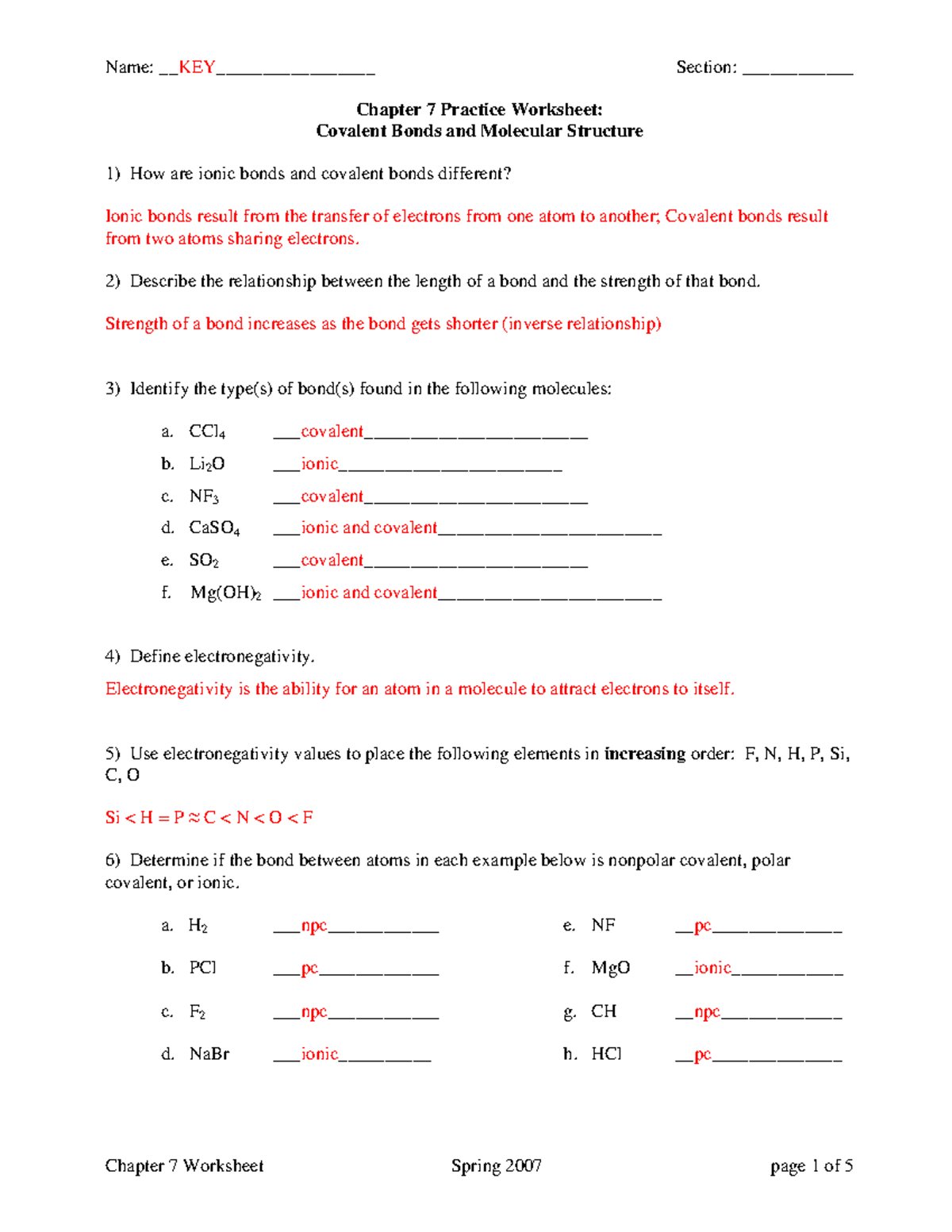
Ionic Bonds Worksheet Answers – Pro Worksheet
www.proworksheet.my.id
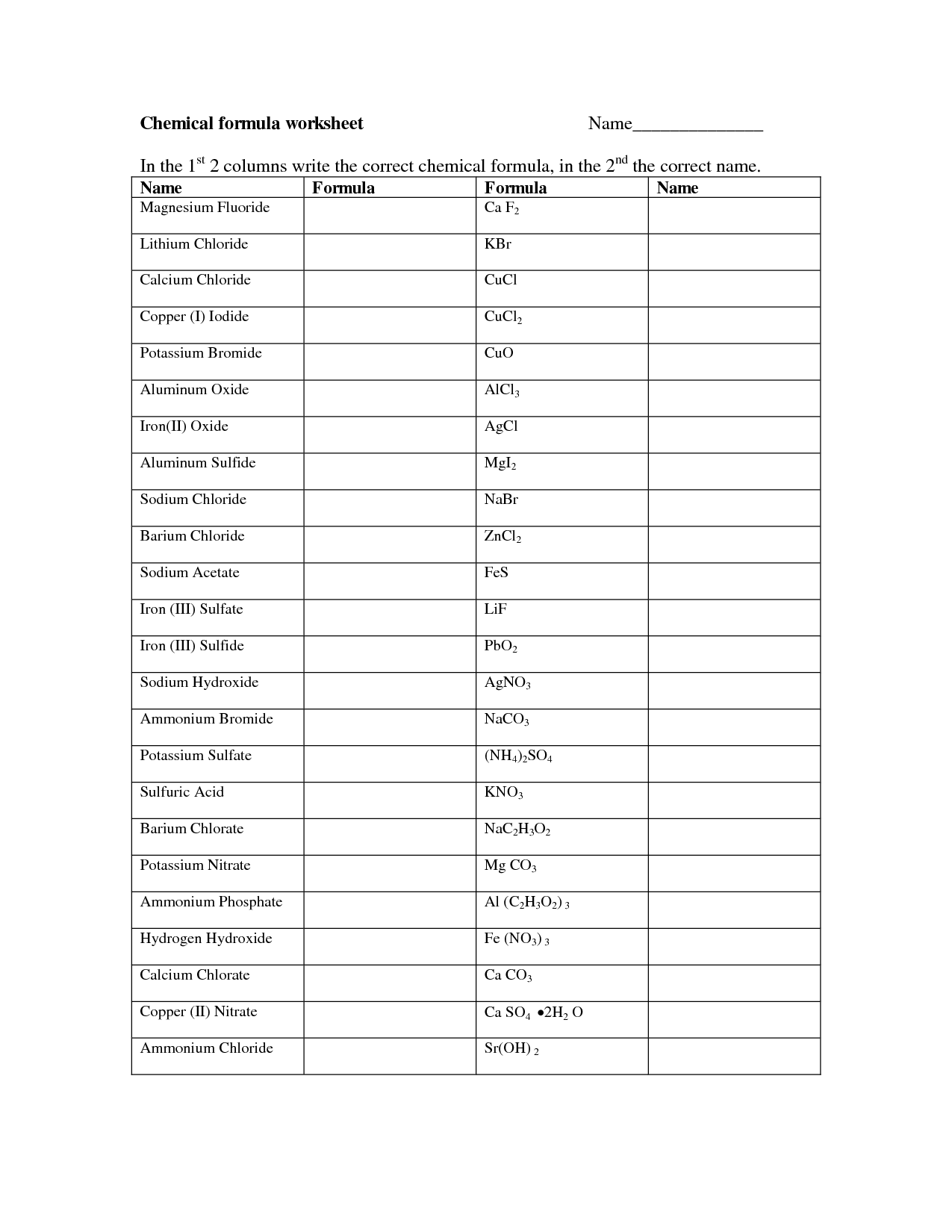
Ionic Formula Worksheets
learninglibrarysteiner.z21.web.core.windows.net
Free Ionic Bonds Worksheet, Download Free Ionic Bonds Worksheet Png

worksheets.clipart-library.com
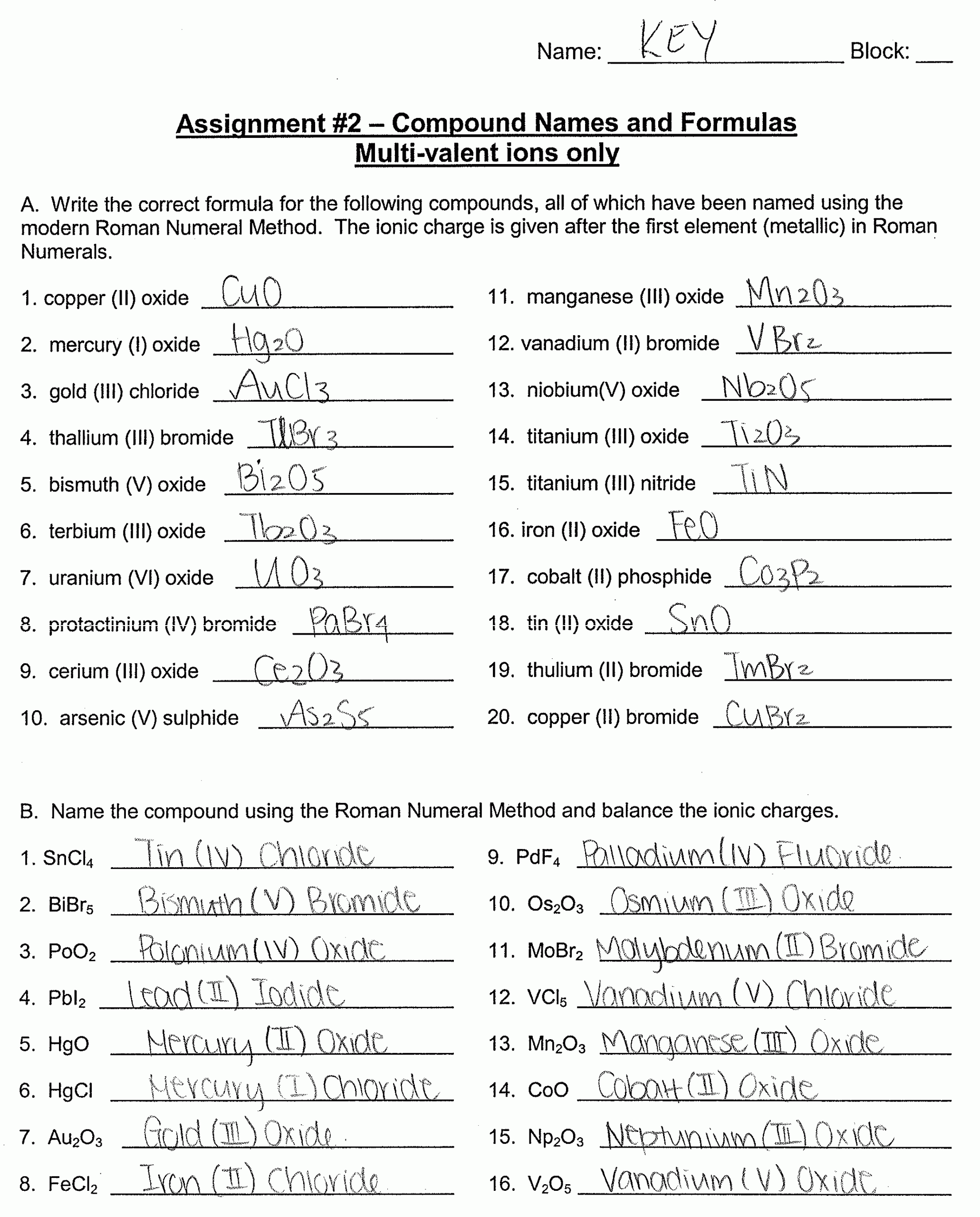
Ionic Bonds Worksheet Key Amashusho Images – CompoundWorksheets.com
www.compoundworksheets.com
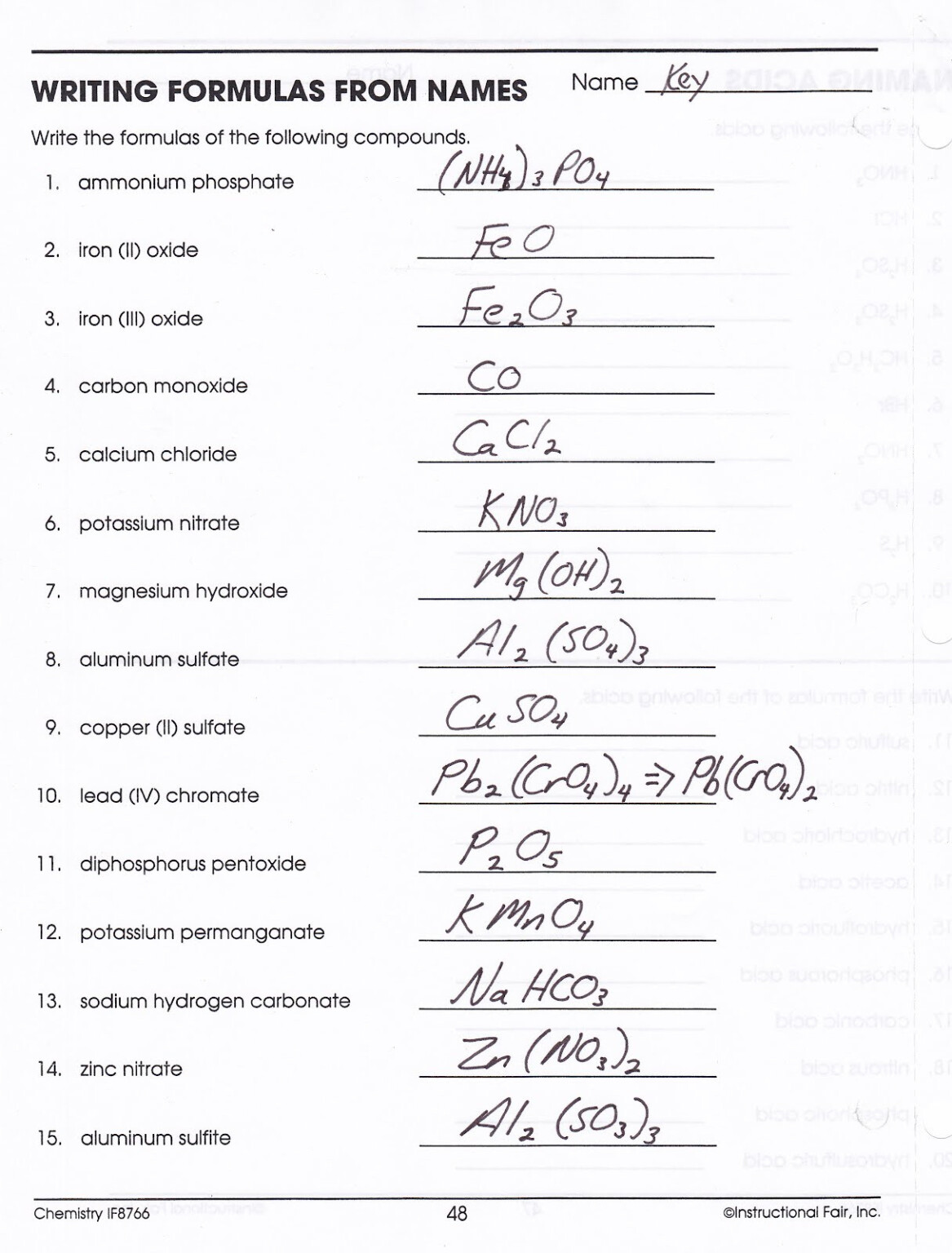
Naming Ionic Compounds Worksheet Pdf – CompoundWorksheets.com
www.compoundworksheets.com
Free Ionic Bond Formation Worksheet, Download Free Ionic Bond Formation

worksheets.clipart-library.com
Ionic Bonds Worksheet Answers – E-streetlight.com

www.e-streetlight.com
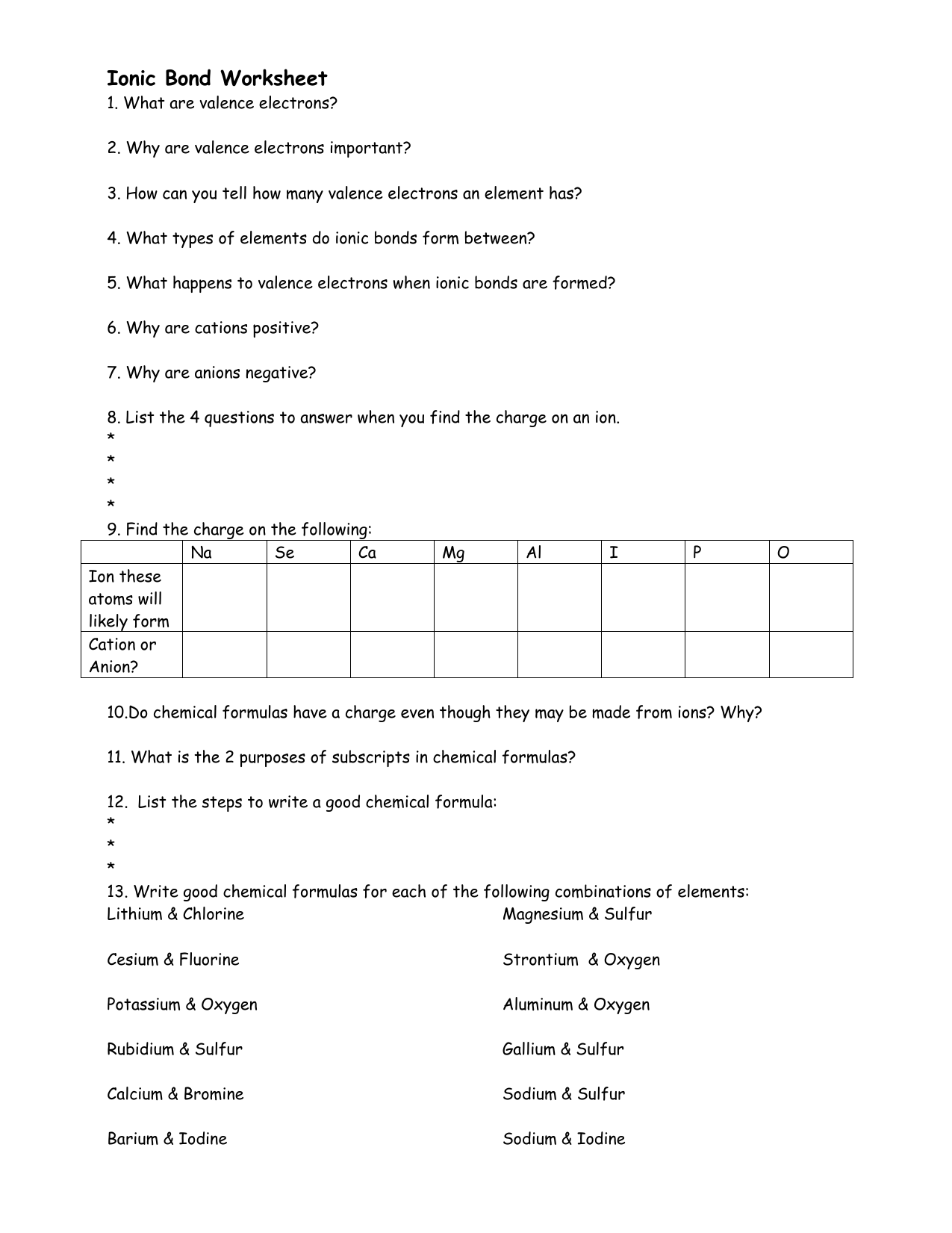
Ionic Bonds Worksheet Answers – Pro Worksheet
www.proworksheet.my.id
Ionic Bonding Worksheet Answer Key – E-streetlight.com

www.e-streetlight.com
Sam Li- Ioniccovalent Bonding – Name: Simulation: Ionic And – Studocu

worksheets.clipart-library.com
Identifying Ionic And Covalent Bonds Worksheet Answer Key – Printable

davida.davivienda.com
Student Exploration Ionic Bonds Answer Sheet / Student Exploration

jakaylafowlerblogs.blogspot.com
Naming And Formulas Of Ionic Compounds: A Chemistry Worksheet | Made By

www.madebyteachers.com
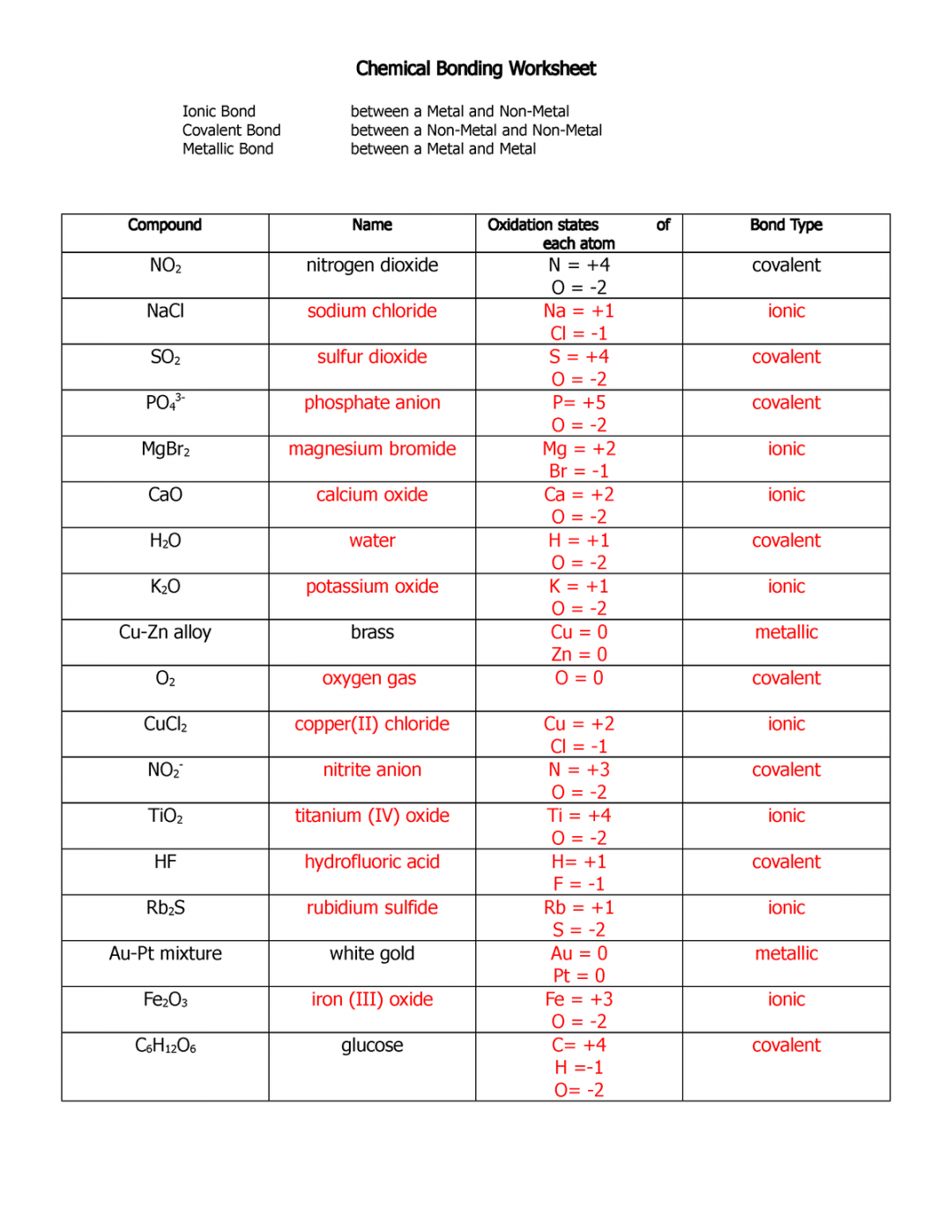
Ionic Bonding Worksheet 1 Answers – Printable PDF Template
martinlindelof.com
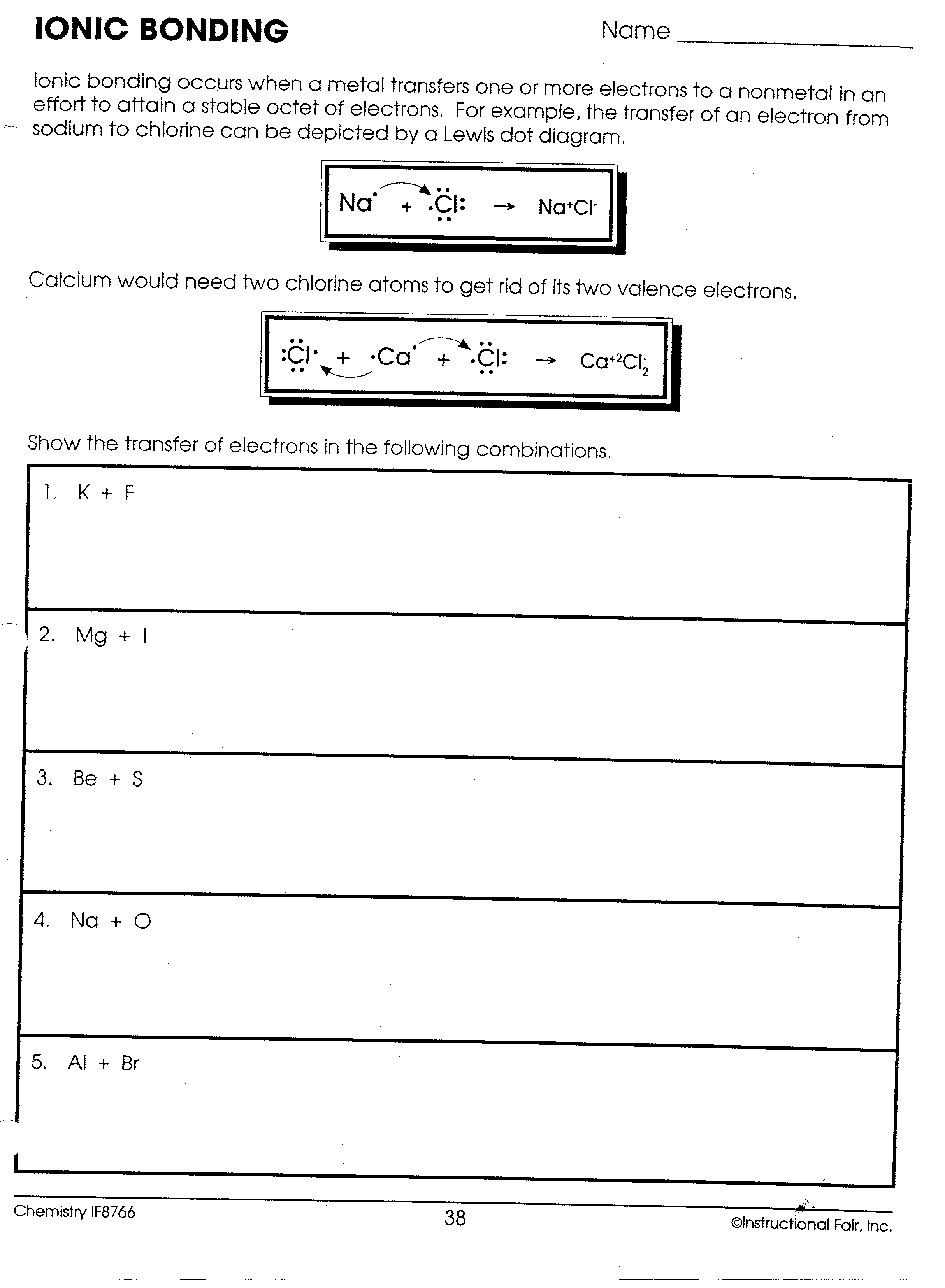
Ionic Bonds Worksheet Answers – E-streetlight.com
www.e-streetlight.com
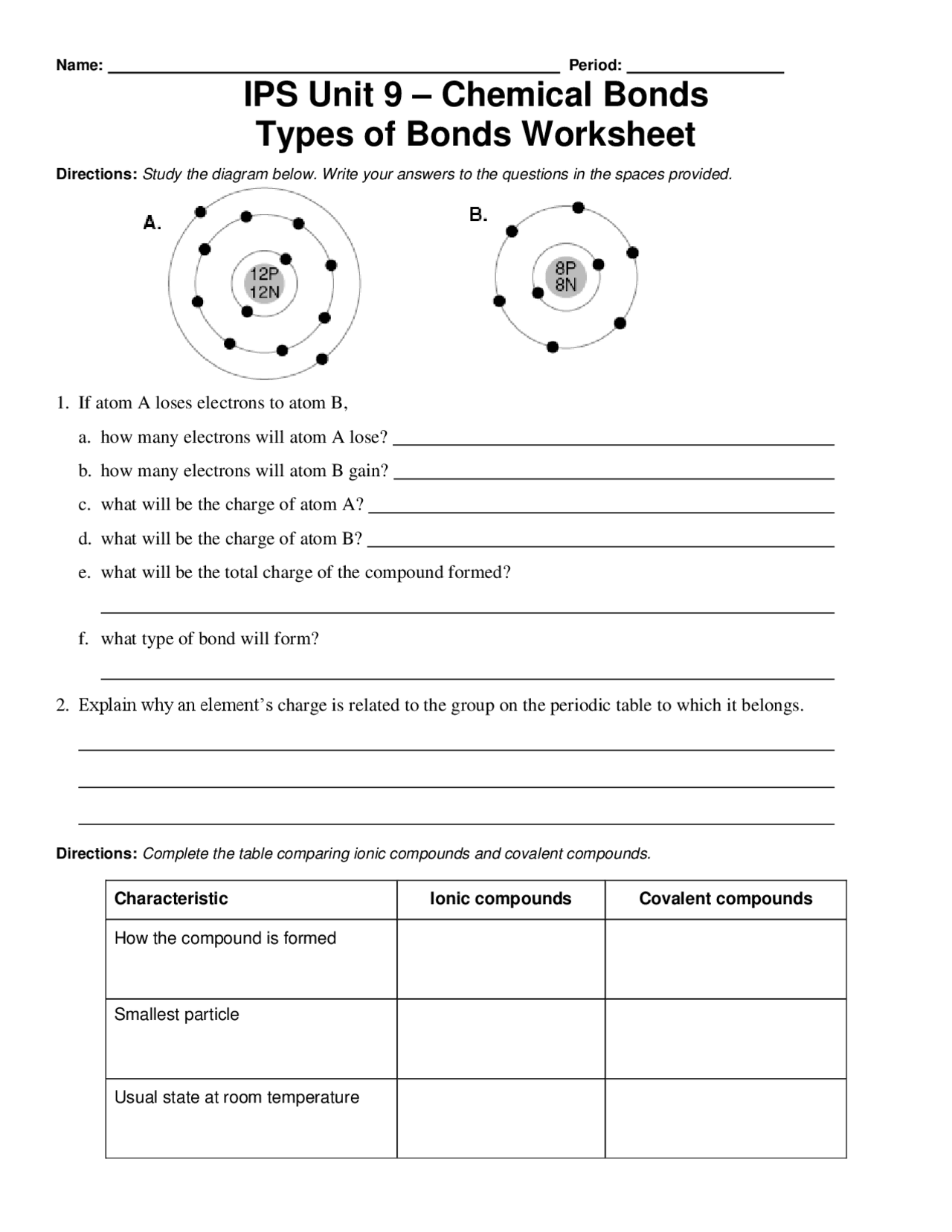
Chemical Bonding Worksheet With Answers Pdf
hrpicakt7school.z21.web.core.windows.net
Ionic Bonds Worksheet Answers – E-streetlight.com

www.e-streetlight.com
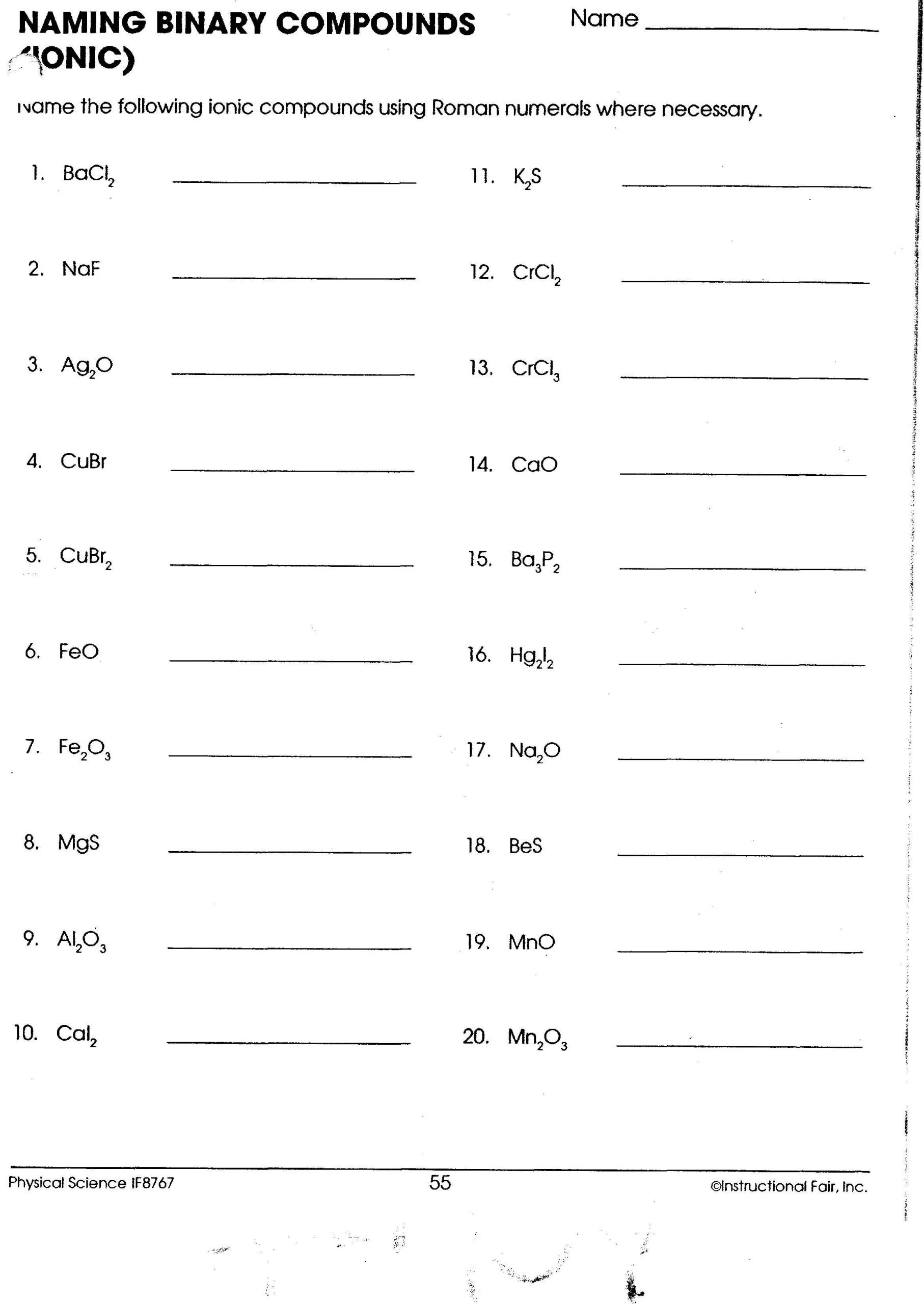
Naming Binary Ionic Compounds Practice Worksheet – CompoundWorksheets.com
www.compoundworksheets.com
Free Ionic Bonds Worksheet, Download Free Ionic Bonds Worksheet Png

worksheets.clipart-library.com
Free ionic bonds worksheet, download free ionic bonds worksheet png. ionic bonds worksheet answers – e-streetlight.com. Student exploration ionic bonds answer sheet / student exploration …