Delving into the world of literature requires understanding the fundamental forces at play within a story. Two of the most critical components are the protagonist and the antagonist. The protagonist is the central character, often the hero or main player, whom the audience is meant to connect with and follow throughout the narrative. On the other hand, the antagonist is the character or force that opposes the protagonist, creating conflict and driving the plot forward. These characters are not always simply “good” versus “bad”; often, they are complex individuals with their own motivations and reasons for their actions.
Successfully identifying the protagonist and antagonist is crucial for comprehending the story’s themes, appreciating the character development, and ultimately understanding the author’s message. While sometimes obvious, these roles can be nuanced and require careful analysis of the characters’ actions, motivations, and relationships within the narrative. Understanding the interplay between the protagonist and antagonist also sheds light on the central conflict and its resolution, making the story more meaningful and impactful. This is why utilizing tools like a Protagonist and Antagonist Worksheet can be incredibly beneficial for students, readers, and even aspiring writers.
A well-designed worksheet helps break down the complexities of character analysis into manageable tasks. It encourages readers to think critically about each character’s traits, goals, and the role they play in the overall story. By answering questions related to these elements, individuals can solidify their understanding of the protagonist and antagonist and gain a deeper appreciation for the story’s narrative structure. The following is a possible outline of a completed Protagonist and Antagonist Worksheet, providing specific examples and guiding the reader through the process of identifying these key characters.
Protagonist and Antagonist Worksheet: *Example Using “The Hunger Games” (Katniss Everdeen)*
This example uses Suzanne Collins’s “The Hunger Games” to illustrate how a Protagonist and Antagonist Worksheet can be completed. The protagonist is Katniss Everdeen, and the antagonist is a combination of President Snow and the Capitol’s oppressive system.
Worksheet Answers:
- Protagonist: Katniss Everdeen
- Description: A resourceful and brave sixteen-year-old girl from District 12 who volunteers as tribute to save her younger sister, Prim. She is skilled with a bow and arrow, fiercely protective of her loved ones, and struggles with the emotional consequences of the Hunger Games.
- Goal: To survive the Hunger Games and protect her family. Later, to spark and lead a rebellion against the Capitol’s tyranny.
- Strengths: Skilled hunter, intelligent, resilient, compassionate (despite trying to hide it), courageous.
- Weaknesses: Can be impulsive, emotionally guarded, struggles with trust, haunted by past trauma.
- Motivation: Love for her family, sense of justice, and eventually, a desire to create a better future for Panem.
- How do we know she is the protagonist? The story is told primarily from her perspective. We follow her journey, empathize with her struggles, and root for her success. Her actions drive the plot forward.
- Description: President Snow is the cold, calculating, and ruthless leader of Panem. The Capitol represents the oppressive and decadent ruling class that exploits and controls the districts.
- Goal: To maintain control over Panem through fear, oppression, and the Hunger Games. To crush any signs of rebellion and maintain the Capitol’s power.
- Strengths (of the Antagonist): Immense power and resources, sophisticated technology, ruthless efficiency, ability to manipulate public opinion.
- Weaknesses (of the Antagonist): Dependent on fear and oppression, vulnerable to acts of rebellion, increasingly paranoid.
- Motivation: To preserve their power and privilege at all costs. To suppress dissent and maintain the status quo.
- How do we know they are the antagonist(s)? They directly oppose Katniss’s goals and create obstacles for her. Their actions cause suffering and injustice. They represent the systemic evil that Katniss fights against. They actively try to control and eliminate Katniss when she becomes a symbol of rebellion.
By completing a worksheet like this, readers can solidify their understanding of the protagonist and antagonist, the conflict they face, and the overall themes of the story. This type of analysis fosters critical thinking skills and enhances the reading experience, allowing for a deeper appreciation of the author’s craft and the story’s message.
Furthermore, this exercise is not just beneficial for understanding existing stories. Aspiring writers can use a Protagonist and Antagonist Worksheet as a tool for character development. By carefully considering the goals, motivations, strengths, and weaknesses of their main characters and the forces that oppose them, writers can create more compelling and believable narratives. A well-defined antagonist can elevate a story from good to great, adding depth, tension, and ultimately, a more satisfying resolution.
If you are looking for Protagonist and Antagonist Worksheets — Character Types you’ve visit to the right web. We have 20 Images about Protagonist and Antagonist Worksheets — Character Types like Antagonist – Worksheets Library, Protagonist and Antagonist Worksheets — Character Types – Worksheets and also Protagonist and Antagonist Worksheets — Character Types. Here you go:
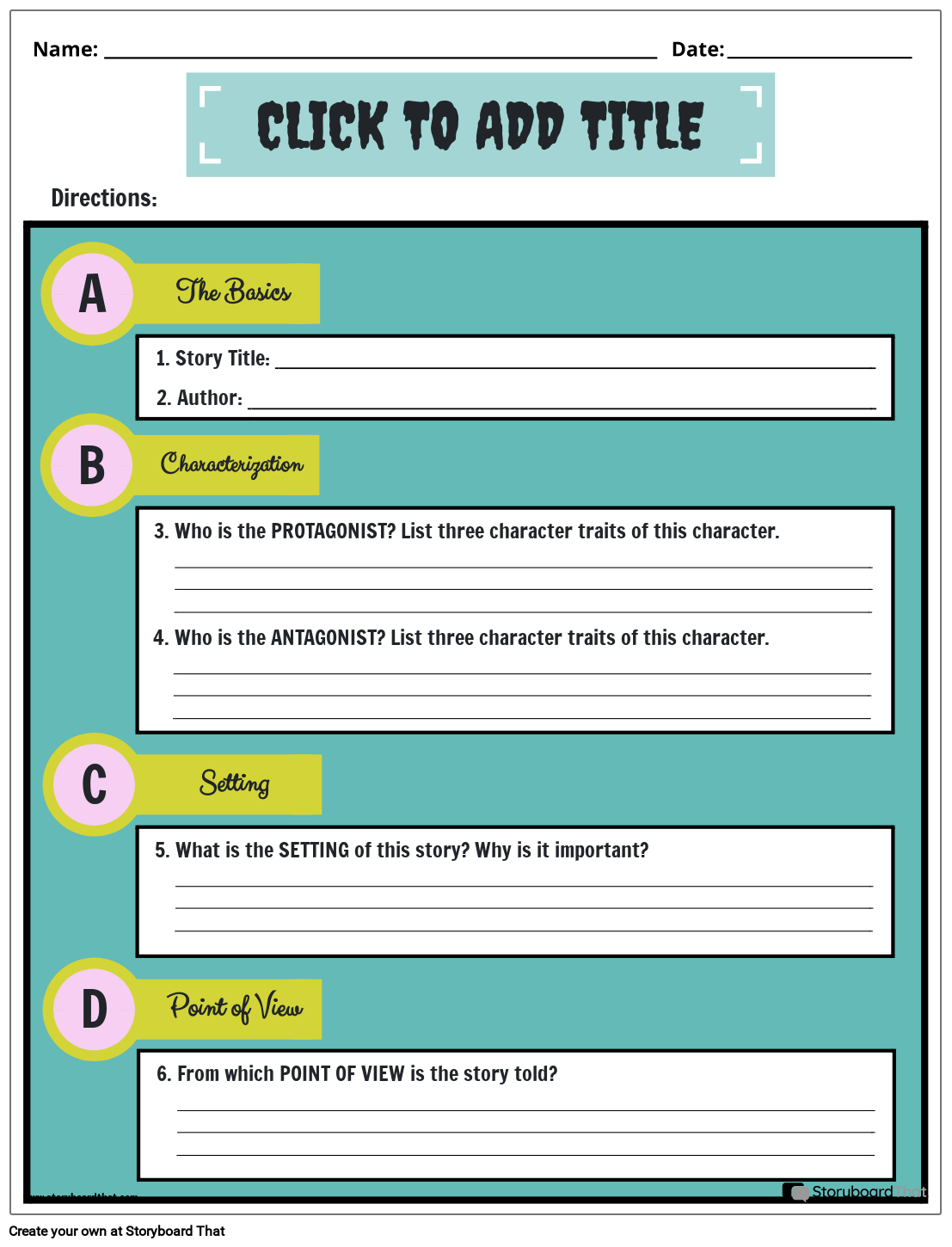
Protagonist And Antagonist Worksheets — Character Types
www.storyboardthat.com
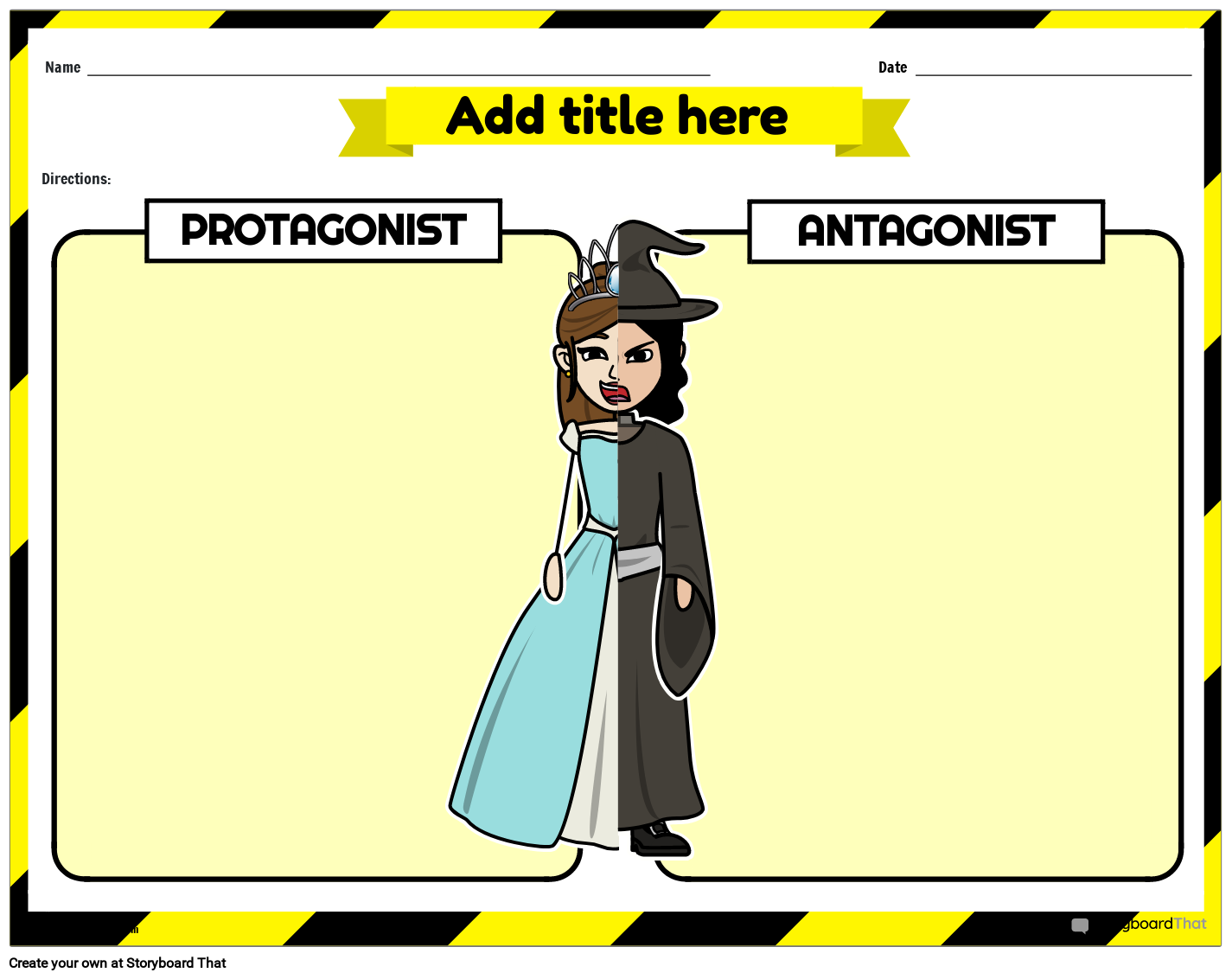
Protagonist VS Antagonist Worksheet Template Storyboard
www.storyboardthat.com
Protagonist Antagonist Worksheet 5Th Grade – Life In Fifth Grade

willshireimg01.blogspot.com
Protagonist And Antagonist Worksheet – Pro Worksheet

www.proworksheet.my.id
Name Types Of Conflict Protagonis+- Central Character Antagonist

brainly.com
Novelleanalyse: Protagonist Vs Antagonist Worksheet
www.storyboardthat.com
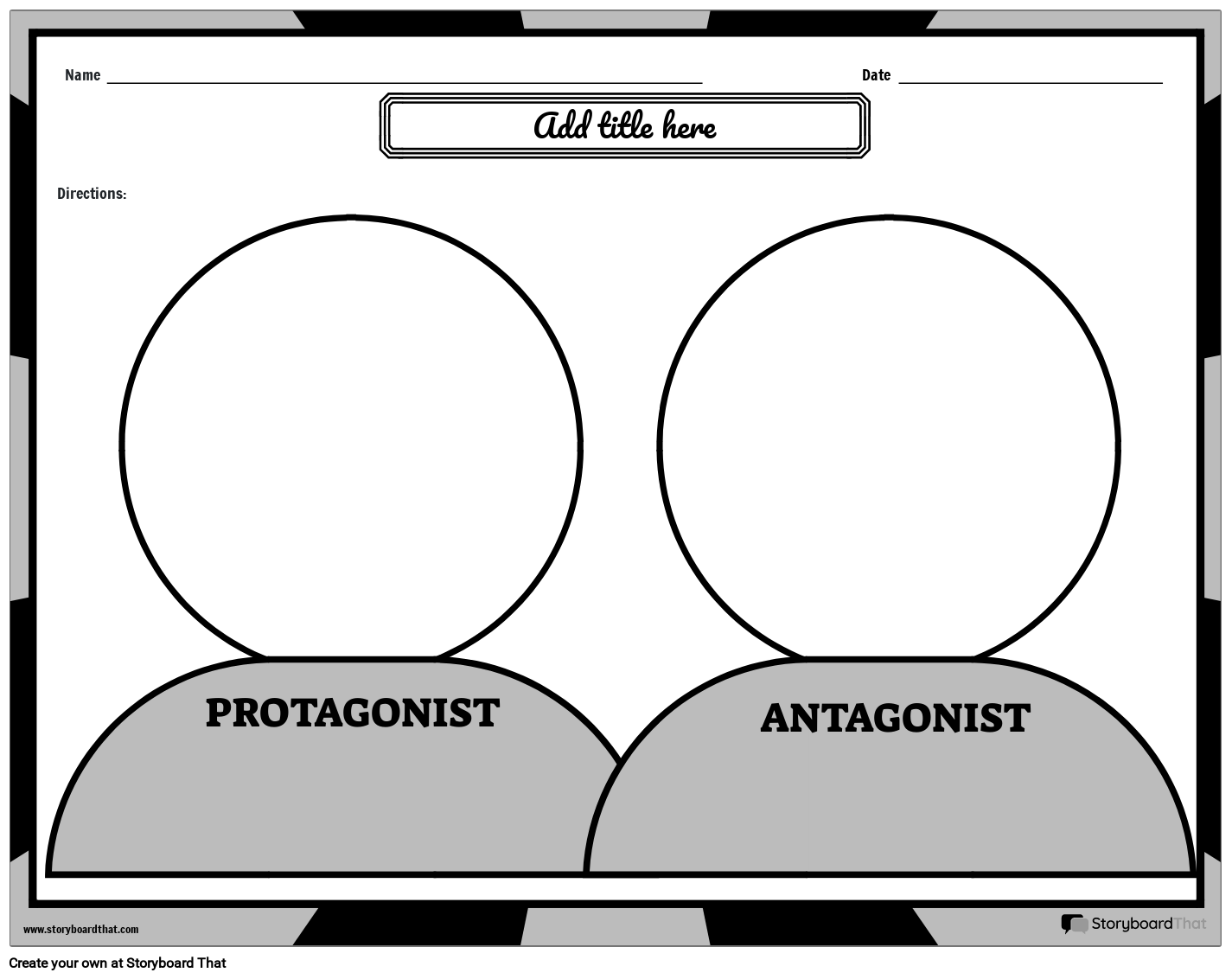
Describing The Protagonist And Antagonist Worksheet
www.storyboardthat.com
Conflict Worksheet | Elements Of Fiction Activity – Worksheets Library
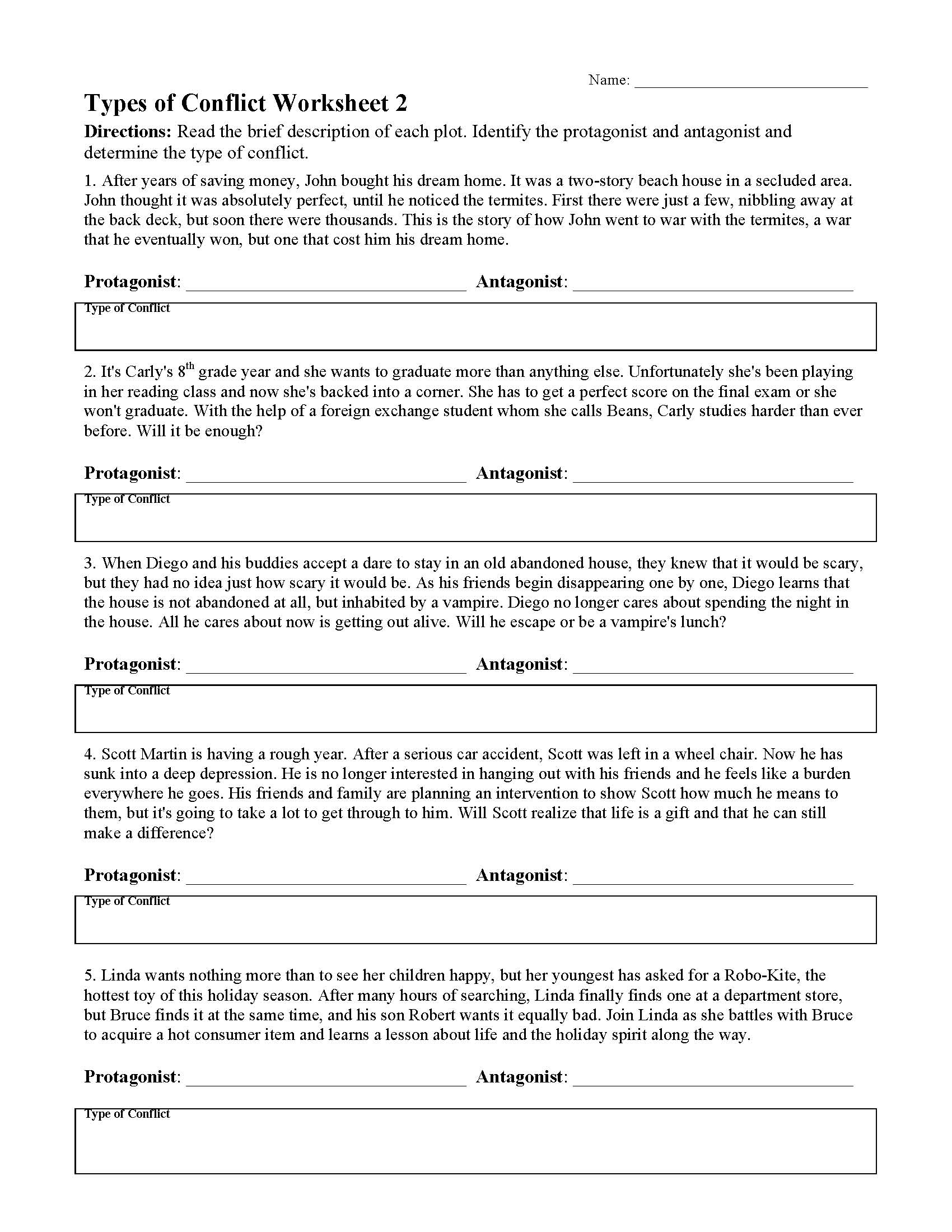
worksheets.clipart-library.com
Protagonist And Antagonist Worksheet – Pro Worksheet

www.proworksheet.my.id
Character Study | Protagonist And Antagonist In Literature – Worksheets

worksheets.clipart-library.com
Antagonist – Worksheets Library

worksheets.clipart-library.com
Protagonist Character

ar.inspiredpencil.com
Protagonist And Antagonist Worksheets — Character Types – Worksheets

worksheets.clipart-library.com
Protagonist Antagonist Worksheet 5Th Grade – Tricks To Teaching

pic-latisha35.blogspot.com
Protagonist And Antagonist During Reading Graphic Organizer Worksheet
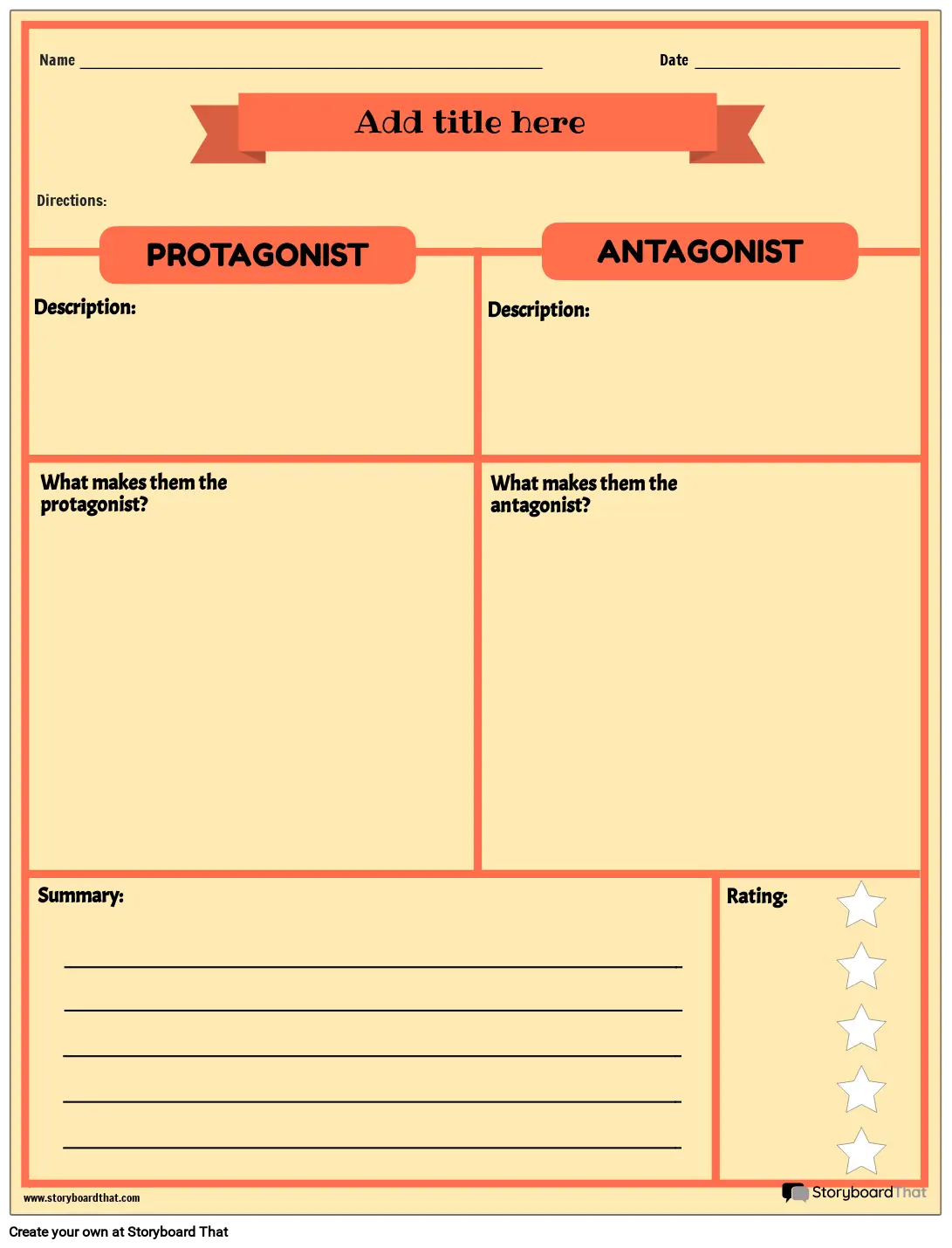
www.storyboardthat.com
Protagonist And Antagonist Worksheet – E-streetlight.com
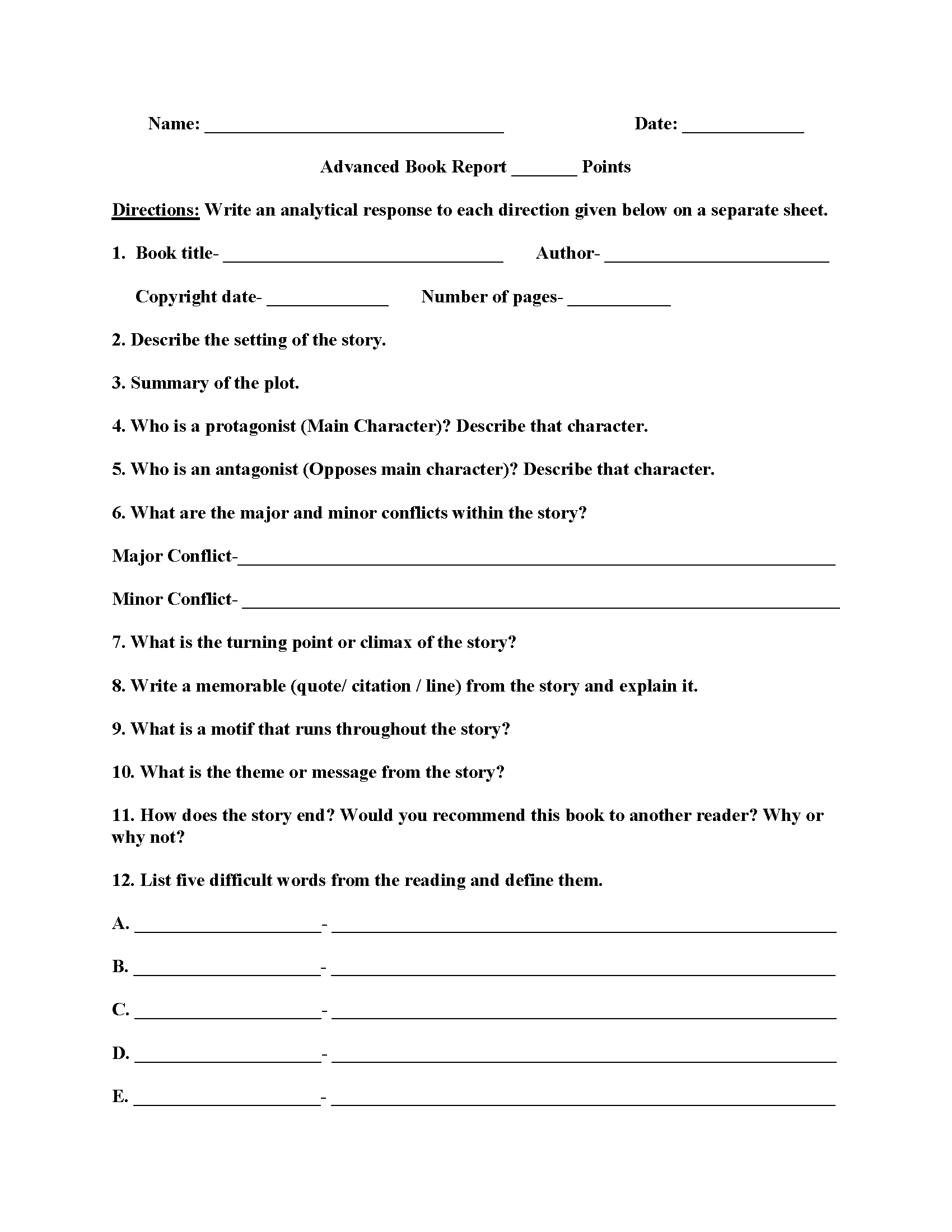
www.e-streetlight.com
Protagonist And Antagonist Worksheets — Character Types
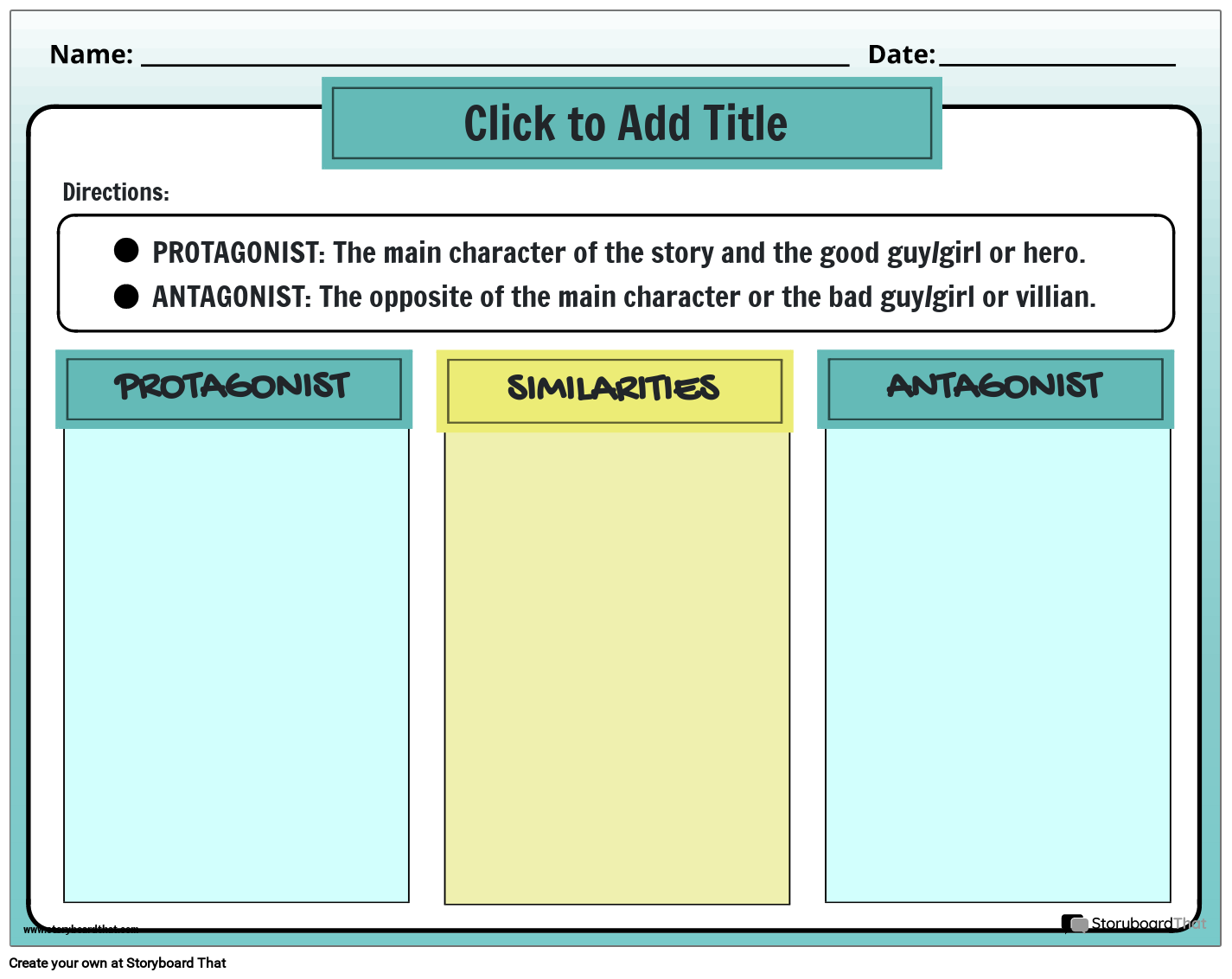
www.storyboardthat.com
Character Types Worksheets And Lessons | Ereading Worksheets

worksheets.clipart-library.com
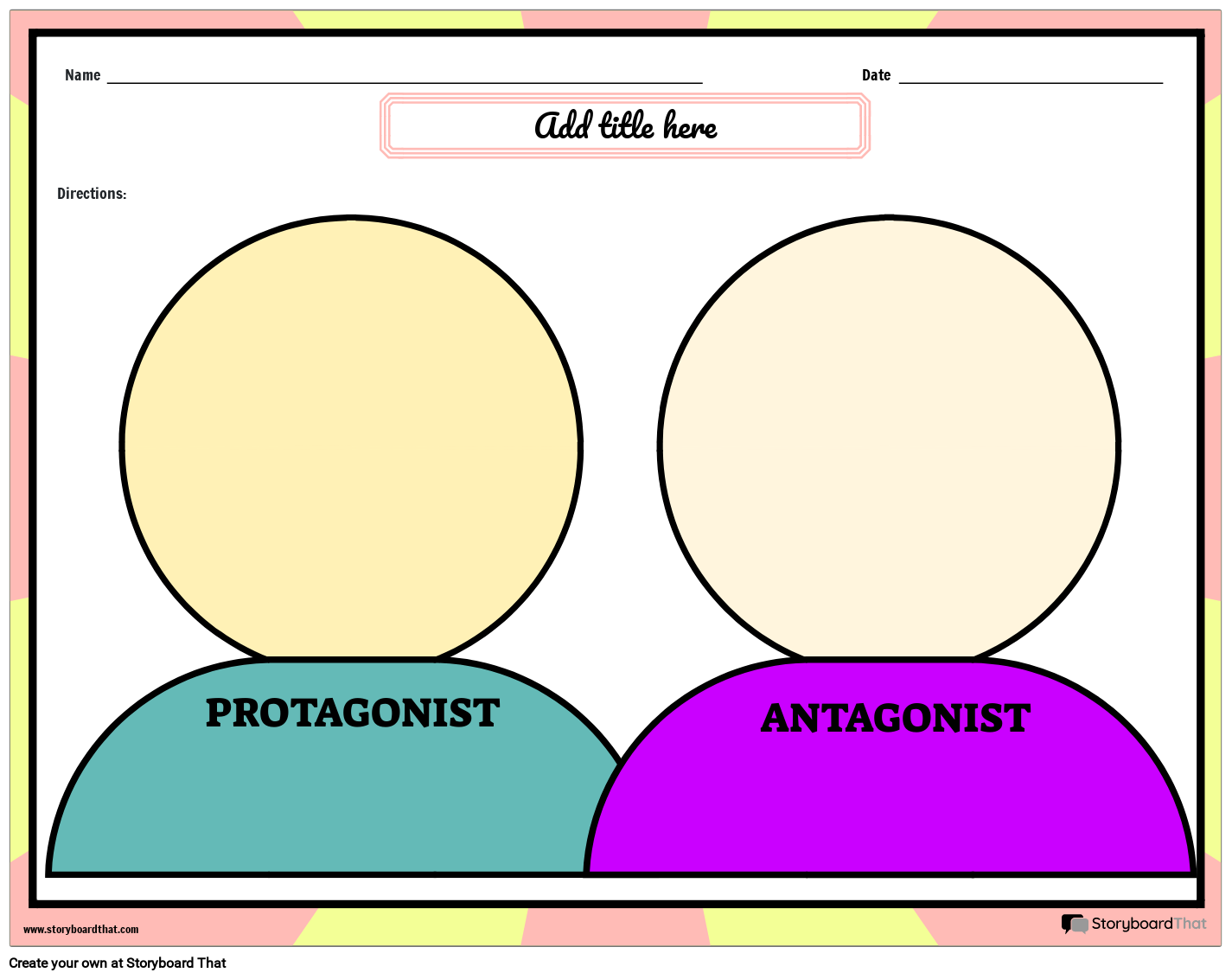
Protagonist And Antagonist Worksheets — Character Types
www.storyboardthat.com
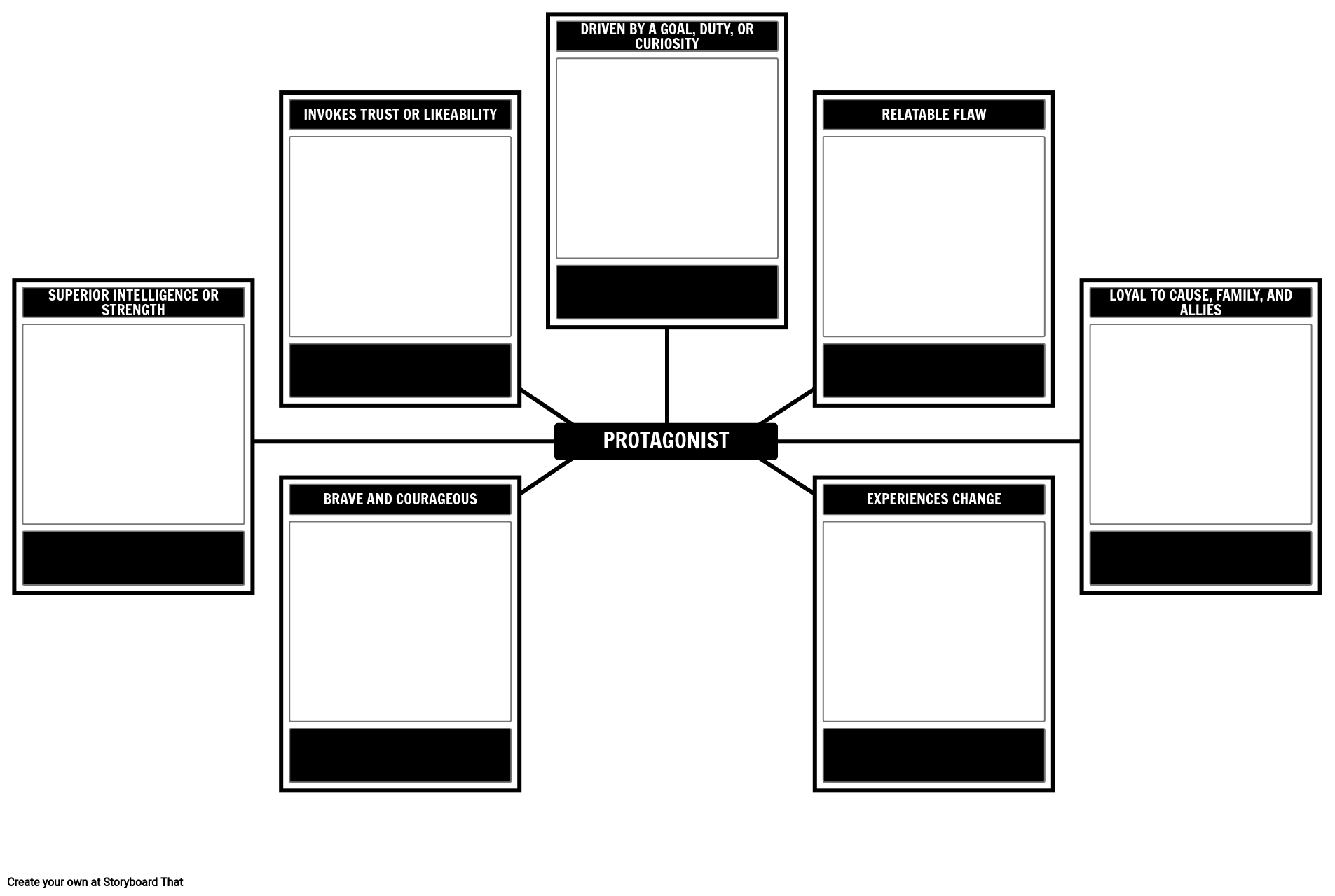
Protagonist And Antagonist Worksheet – Pro Worksheet
www.proworksheet.my.id
Name types of conflict protagonis+- central character antagonist. Novelleanalyse: protagonist vs antagonist worksheet. protagonist and antagonist worksheet – pro worksheet