p>Navigating the world of physics can feel like riding a rollercoaster – full of exciting highs, bewildering dips, and the occasional loop-de-loop that leaves you questioning which way is up. One of the fundamental concepts in physics is the study of waves, and understanding them is crucial for grasping a wide range of phenomena, from the light we see to the sounds we hear. Often, students encounter a “Wave Review Worksheet” designed to solidify their comprehension of wave properties, characteristics, and behavior. This worksheet typically covers key concepts like wavelength, frequency, amplitude, speed, interference, and diffraction. The success of these worksheets, however, often hinges on having access to accurate answers to confirm understanding and identify areas that need further clarification. This post is dedicated to providing just that: a comprehensive answer key to a typical Wave Review Worksheet, empowering students to learn and master the intricacies of wave physics.
Wave Review Worksheet Answer Key
Below you’ll find a detailed answer key addressing common questions found in Wave Review Worksheets. Remember that specific worksheets may vary slightly, but this guide covers the fundamental principles.
Part 1: Wave Characteristics and Definitions
- Question 1: Define a wave.
- Answer: A wave is a disturbance that transfers energy through a medium or space, without transferring matter. It is a rhythmic oscillation that propagates from one point to another.
- Question 2: What is wavelength? Label it on a diagram.
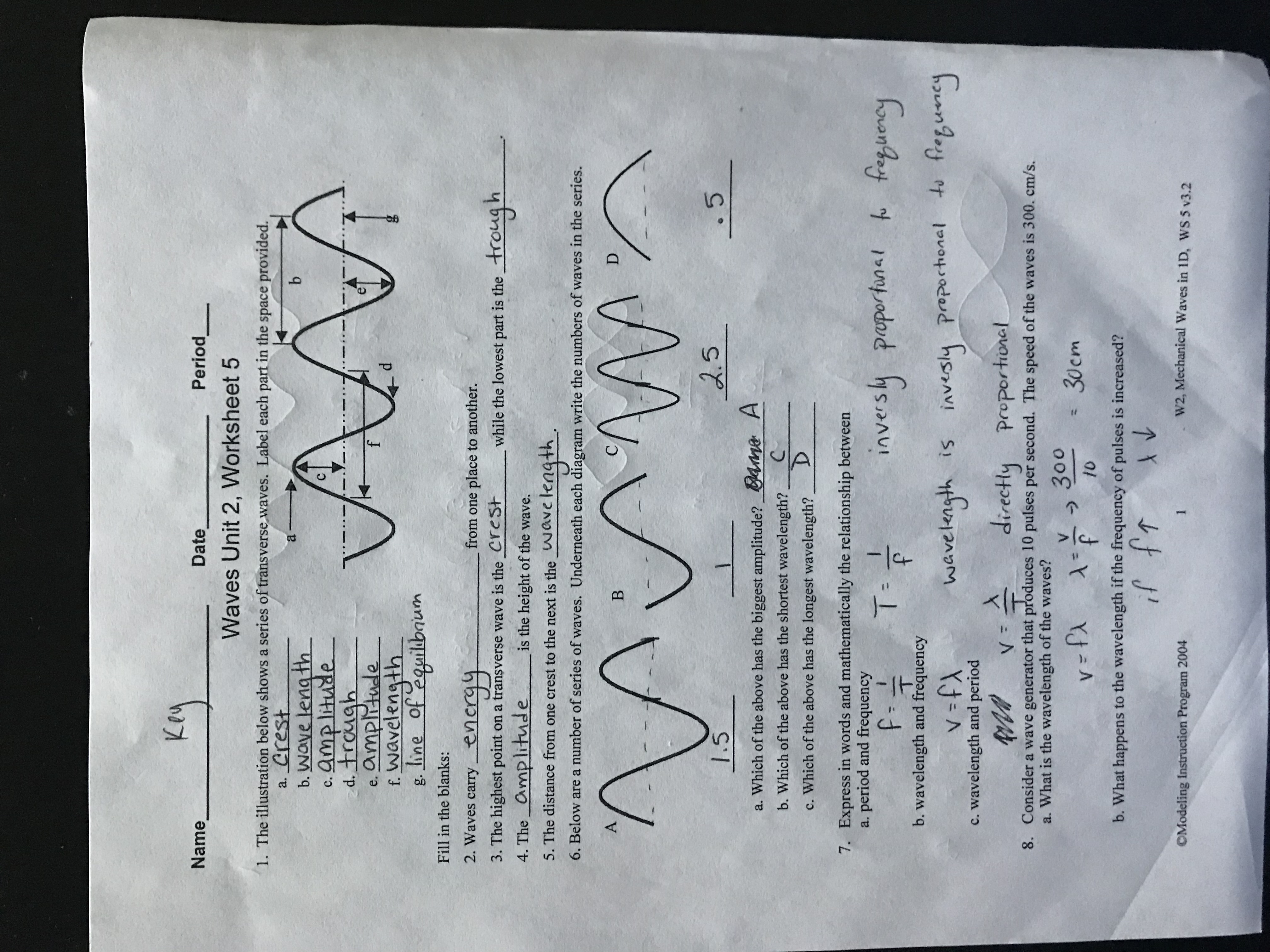
- Answer: Wavelength (λ) is the distance between two successive crests (or troughs) of a wave. On a diagram, it’s typically depicted as the horizontal distance between two identical points on consecutive wave cycles.
- Question 3: What is frequency? What are its units?
- Answer: Frequency (f) is the number of complete wave cycles that pass a given point per unit of time. Its units are Hertz (Hz), which represents cycles per second.
- Question 4: What is amplitude? Label it on a diagram.
- Answer: Amplitude (A) is the maximum displacement of a wave from its equilibrium position (the resting point). On a diagram, it’s represented as the vertical distance from the equilibrium position to a crest or trough.
- Question 5: How are wavelength and frequency related? Write the formula.
- Answer: Wavelength and frequency are inversely proportional. The formula is: v = fλ, where v is the wave speed, f is the frequency, and λ is the wavelength.
- Question 6: Define period. How is it related to frequency?
- Answer: Period (T) is the time it takes for one complete wave cycle to pass a given point. It is the reciprocal of frequency: T = 1/f.
Part 2: Types of Waves
- Question 7: What is the difference between a transverse wave and a longitudinal wave? Give an example of each.
- Answer: In a transverse wave, the particles of the medium vibrate perpendicular to the direction of wave propagation (e.g., light waves, waves on a string). In a longitudinal wave, the particles of the medium vibrate parallel to the direction of wave propagation (e.g., sound waves).
- Question 8: What is an electromagnetic wave? List some examples.
- Answer: An electromagnetic wave is a type of transverse wave that consists of oscillating electric and magnetic fields. Examples include radio waves, microwaves, infrared radiation, visible light, ultraviolet radiation, X-rays, and gamma rays.
- Question 9: What type of wave is sound?
- Answer: Sound is a longitudinal wave.
Part 3: Wave Behavior
- Question 10: Define reflection. Give an example.
- Answer: Reflection is the bouncing back of a wave when it encounters a boundary or obstacle. An example is seeing your reflection in a mirror, or the echo of your voice in a canyon.
- Question 11: Define refraction. What causes it?
- Answer: Refraction is the bending of a wave as it passes from one medium to another due to a change in speed. This change in speed is caused by the different densities or properties of the media.
- Question 12: Define diffraction. Give an example.
- Answer: Diffraction is the spreading out of waves as they pass through an opening or around an obstacle. An example is the ability to hear sound around a corner, or the formation of interference patterns when light passes through a narrow slit.
- Question 13: What is interference? Explain constructive and destructive interference.
- Answer: Interference is the phenomenon that occurs when two or more waves overlap in space. Constructive interference occurs when the waves are in phase, resulting in an increased amplitude. Destructive interference occurs when the waves are out of phase, resulting in a decreased amplitude (or even cancellation).
- Question 14: What is the Doppler Effect? Give an example.
- Answer: The Doppler Effect is the change in frequency of a wave in relation to an observer who is moving relative to the wave source. An example is the change in pitch of a siren as it approaches and then moves away from you.
This answer key provides a solid foundation for understanding wave properties. Remember to consult your textbook, lecture notes, and teacher for more specific information related to your particular Wave Review Worksheet. Good luck with your studies!
If you are looking for Waves Review Worksheet Answer Key Beautiful Light Waves Chem Worksheet you’ve visit to the right web. We have 20 Pics about Waves Review Worksheet Answer Key Beautiful Light Waves Chem Worksheet like Wave Worksheet Answer Key Lovely Anatomy A Wave Worksheet – Chessmuseum, transverse wave worksheet answer key and also Wave Worksheet Answer Key – Pro Worksheet. Here it is:
Waves Review Worksheet Answer Key Beautiful Light Waves Chem Worksheet

www.pinterest.co.uk
Transverse Wave Worksheet Answer Key
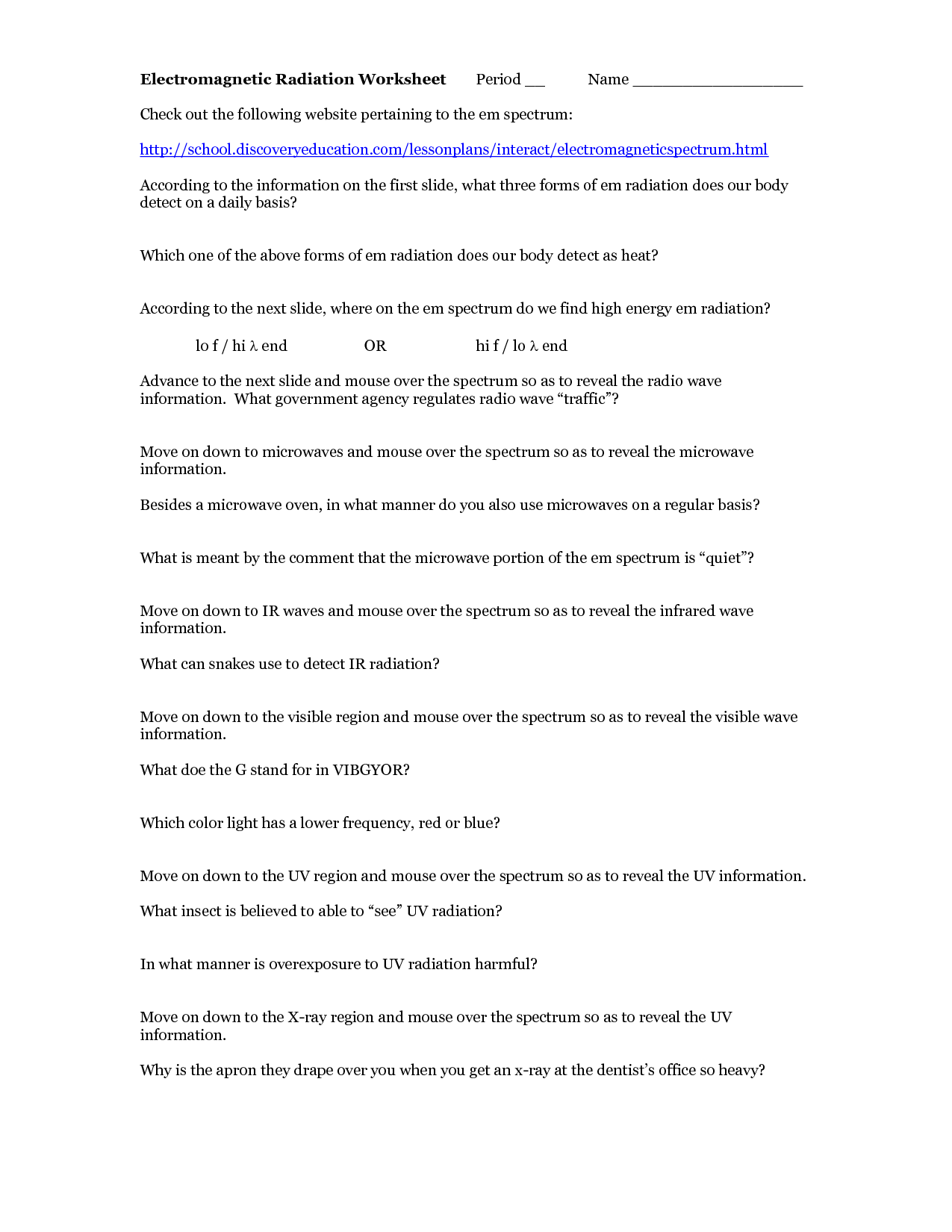
worksheetpic101.s3.amazonaws.com
Worksheet Wave Structure Properties Ks4 – Handout 1 – Wave Structure
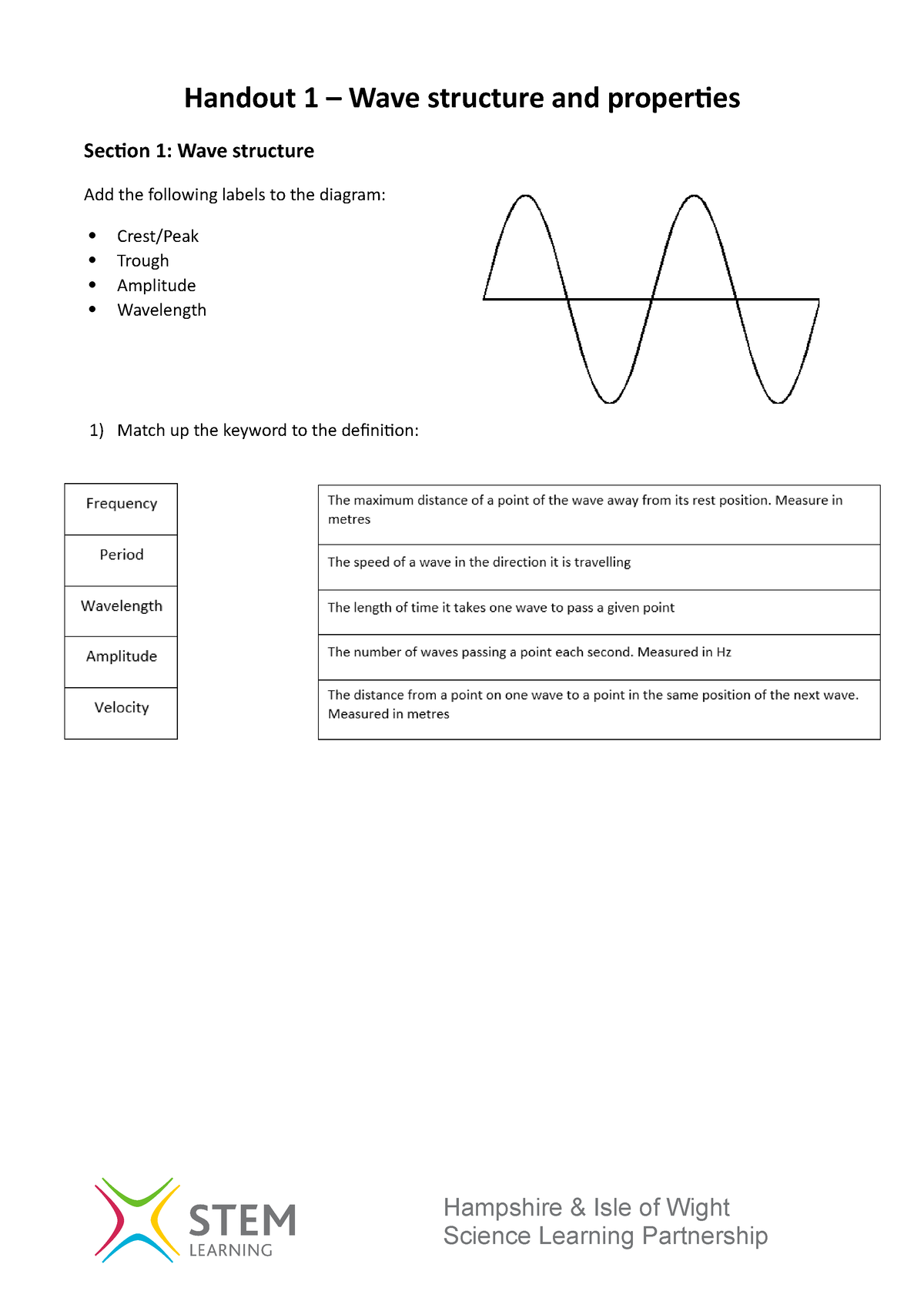
www.studocu.com
Waves Worksheet 1 Answers Luxury 16 Best Of Wave Worksheet 1 Answer Key
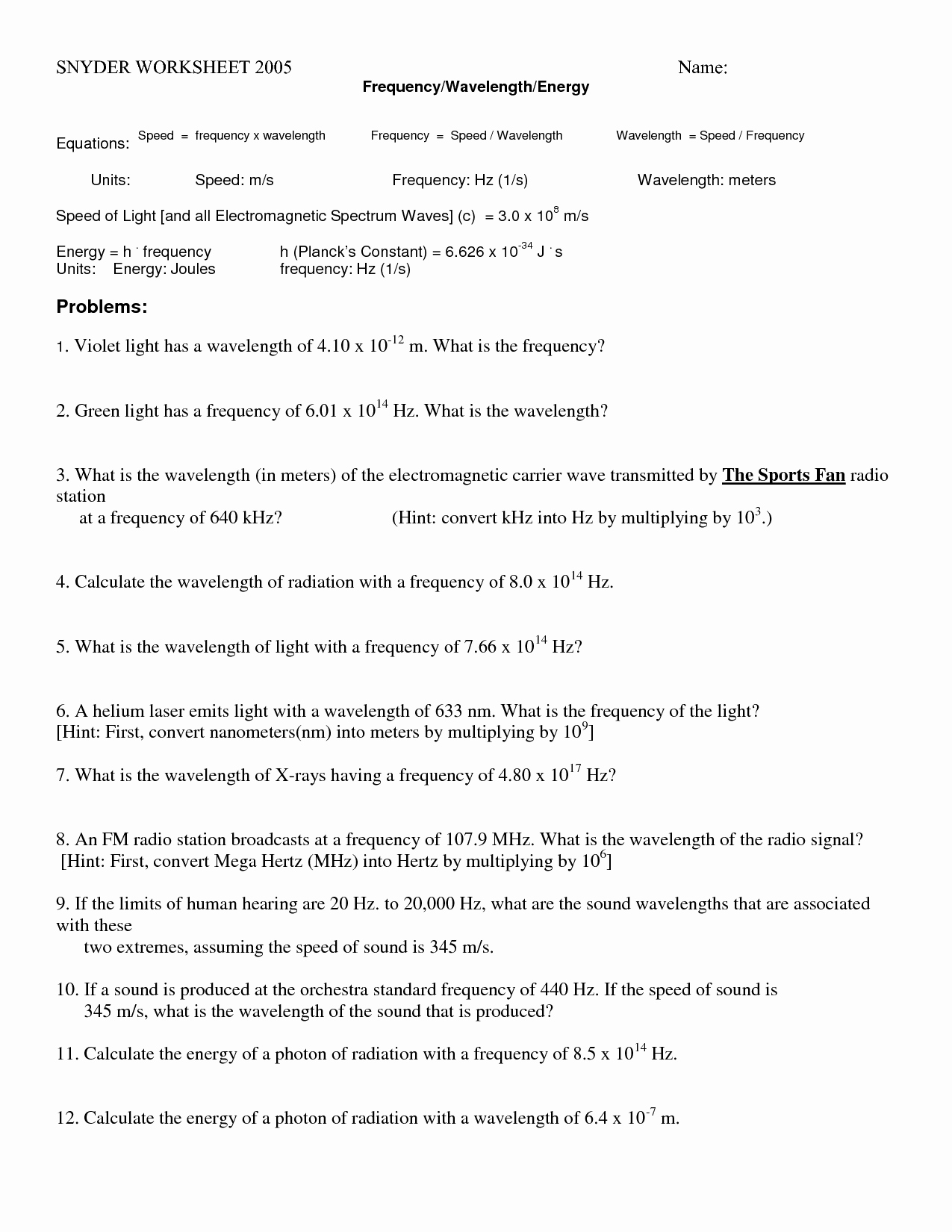
chessmuseum.org
Wave Worksheet Answer Key – E-streetlight.com
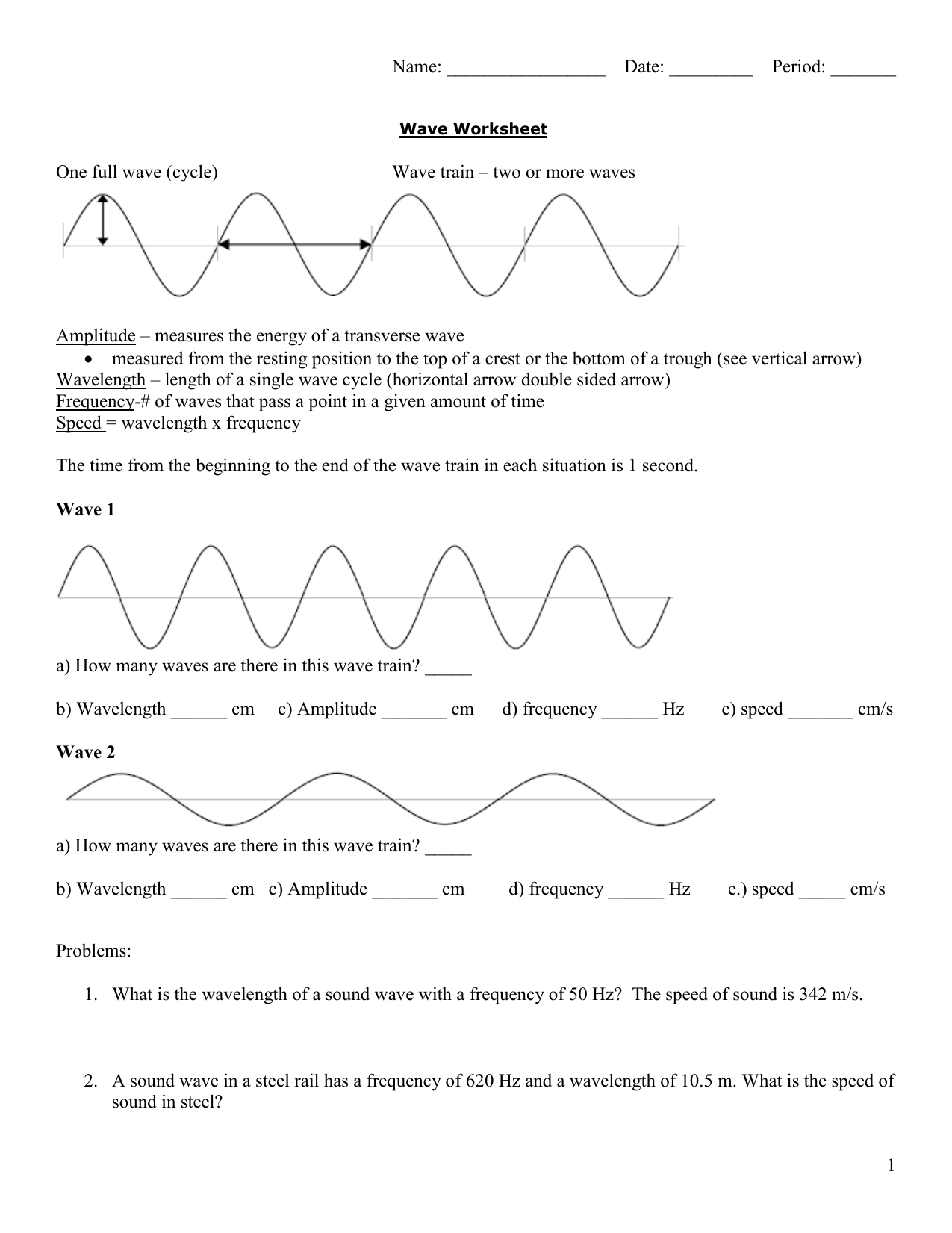
www.e-streetlight.com
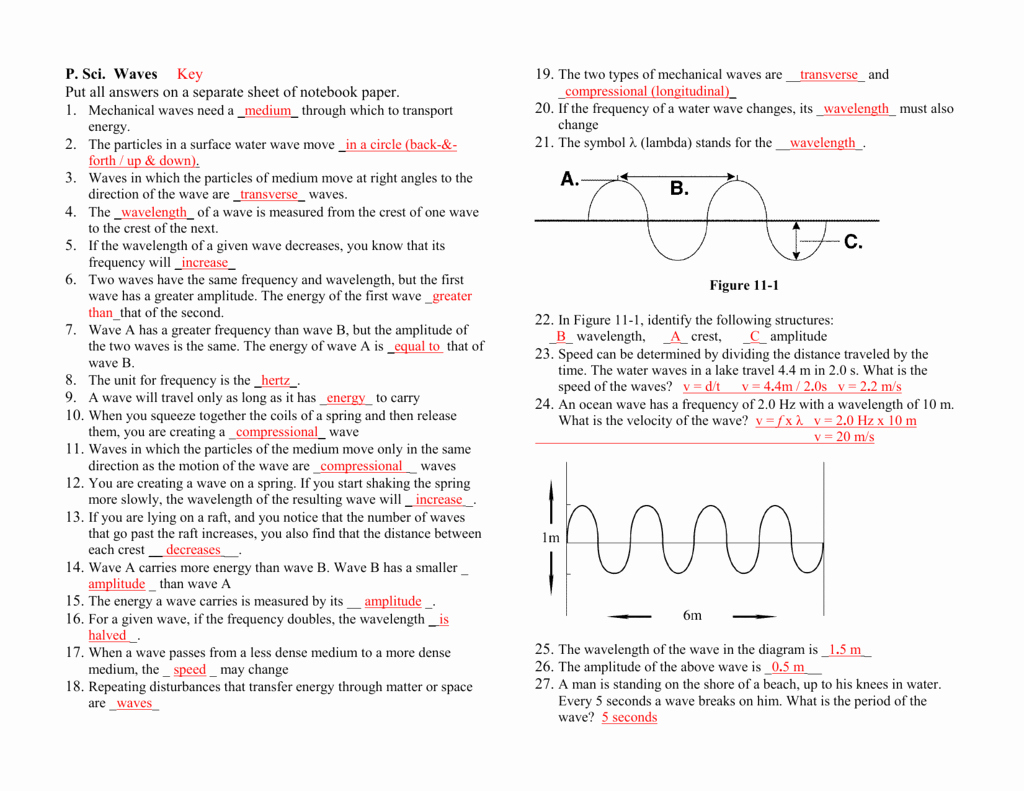
Wave Worksheet Answer Key Lovely Anatomy A Wave Worksheet – Chessmuseum
chessmuseum.org
Worksheet Wave Interactions Answer Key – Printable Word Searches

davida.davivienda.com
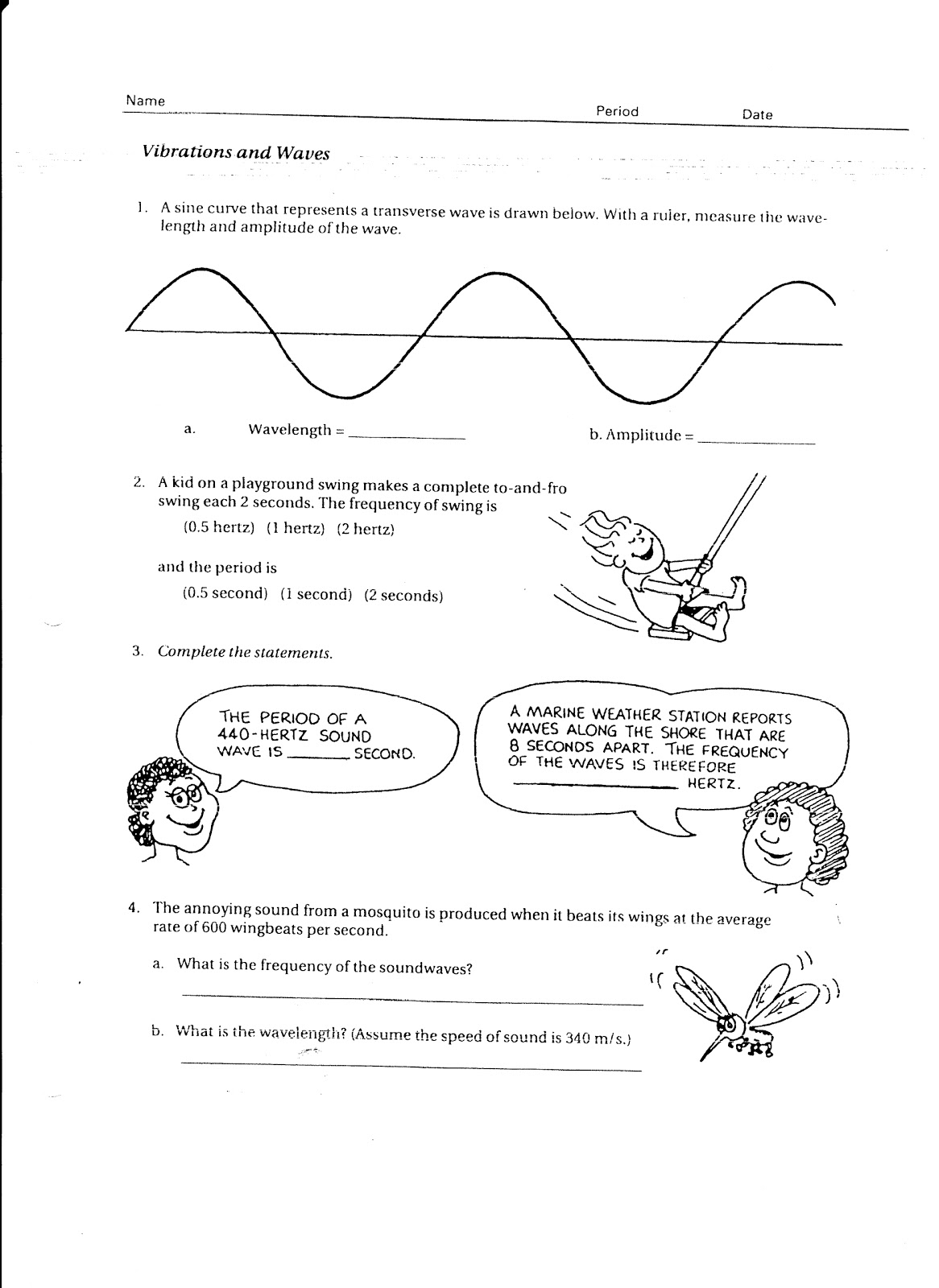
Worksheet Labeling Waves Answer Key – Owhentheyanks.com
www.owhentheyanks.com
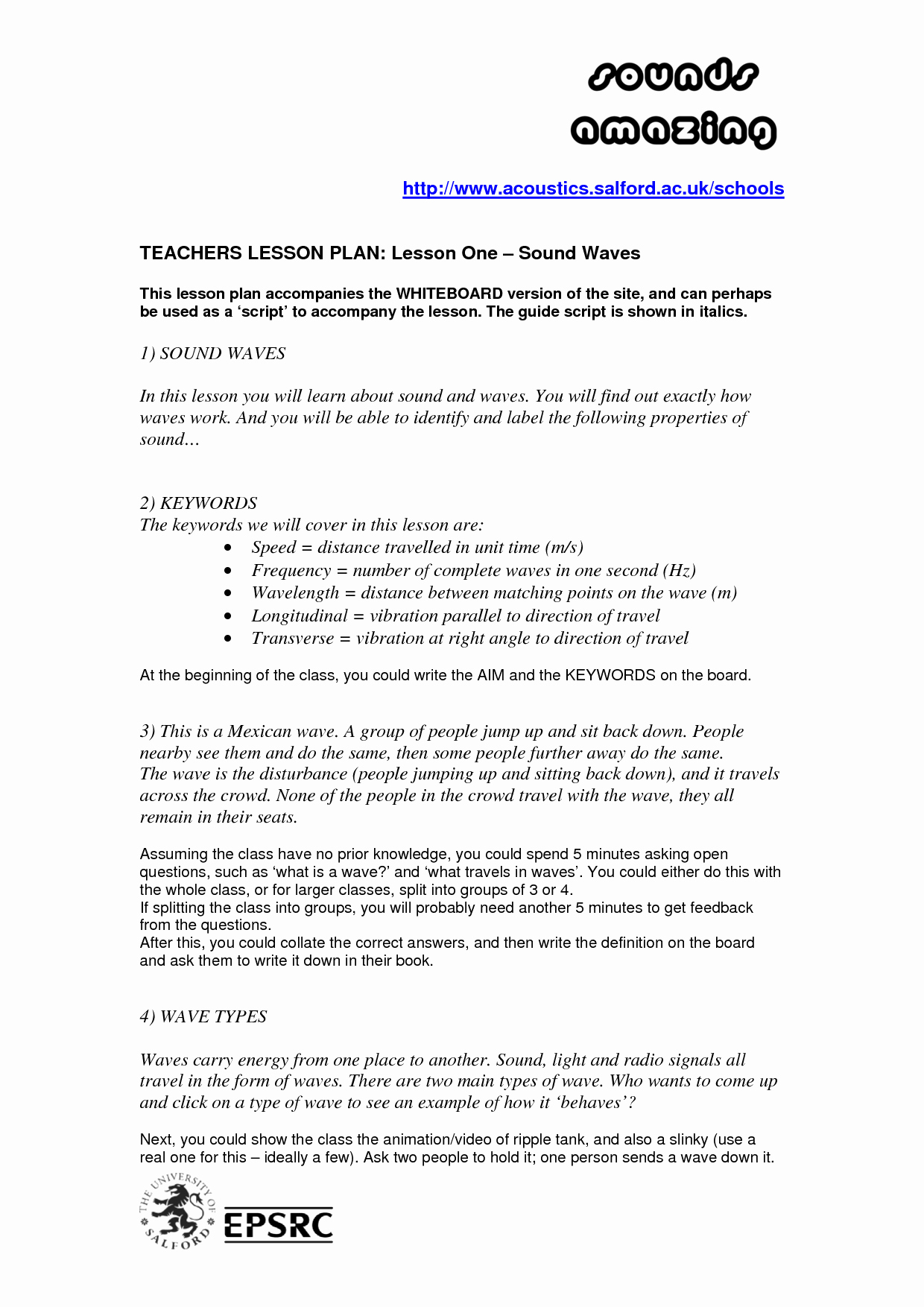
Wave Worksheet Answer Key Lovely 14 Best Of Sound Waves Worksheet
chessmuseum.org
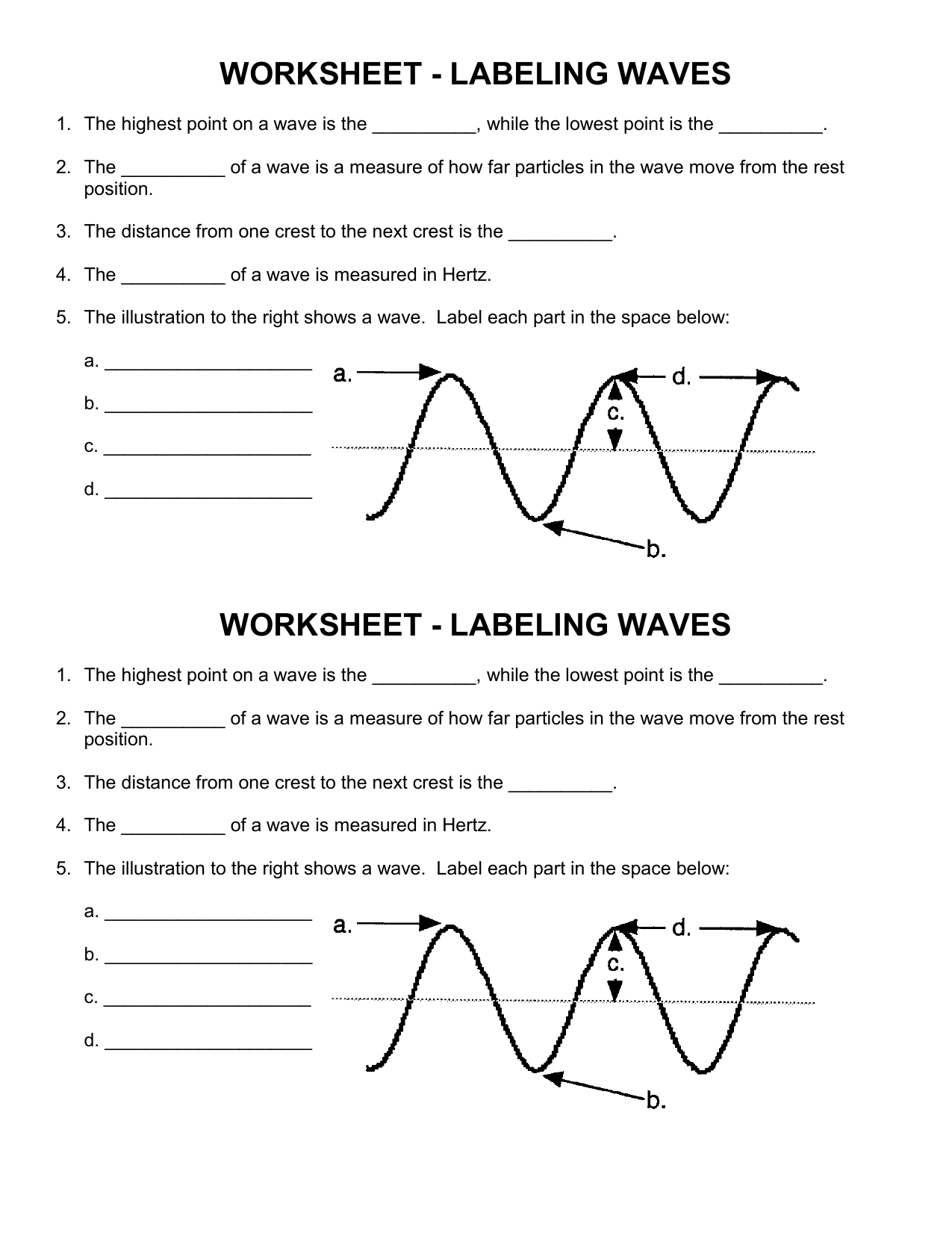
Worksheet Labeling Waves Answer Key Worksheet – Vrogue.co
www.vrogue.co
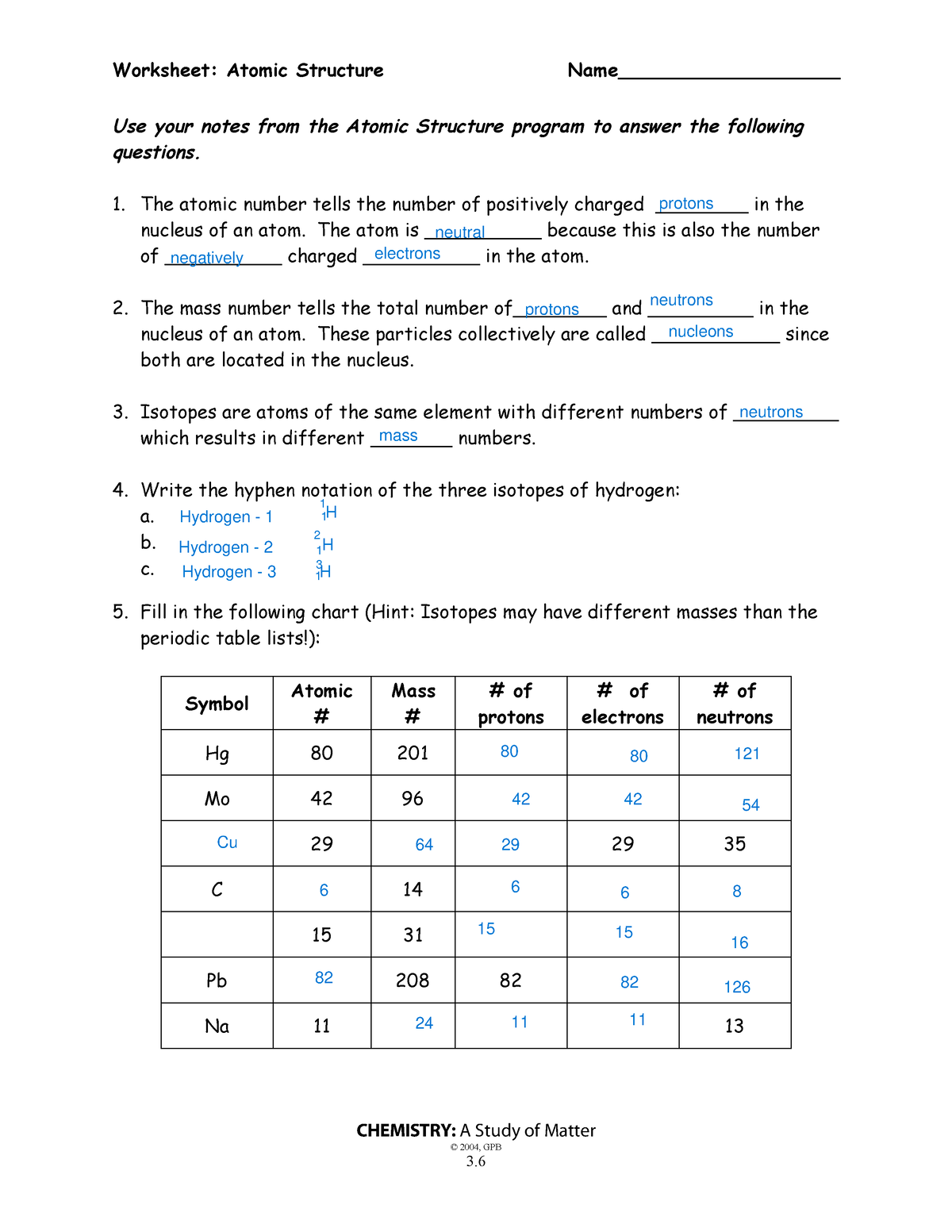
Atomic Structure Worksheet 2 Answer Key Wk Number 2 Atomic S
kleszczeb4bdblearning.z13.web.core.windows.net
SOLUTION: Waves And Optics Anatomy Of A Wave Worksheet – Studypool

www.studypool.com
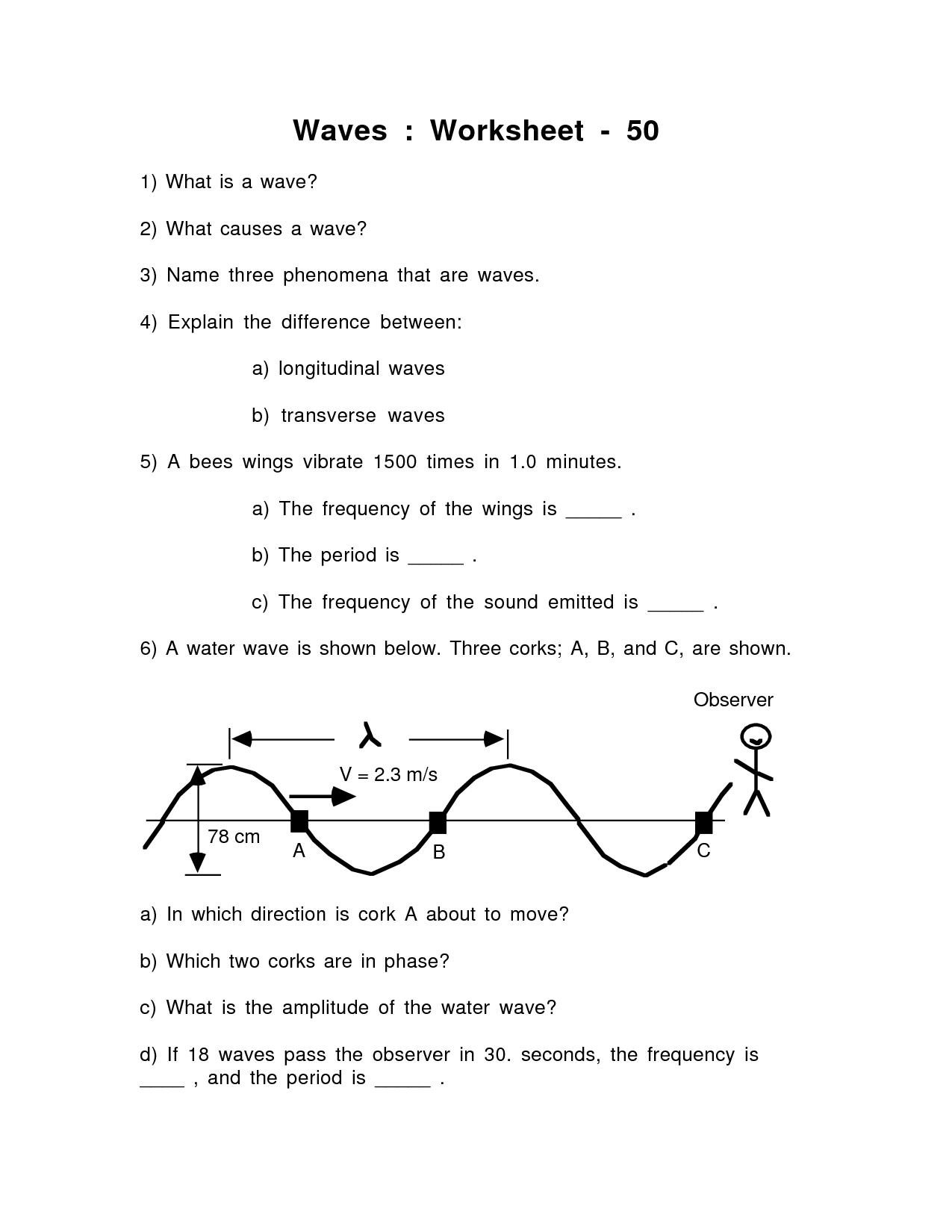
17 Light And Waves Worksheet / Worksheeto.com
www.worksheeto.com
Anatomy Of A Wave Worksheet Answer Key | Anatomy Worksheets

anatomyworksheets.com
Sound Waves Worksheet Middle School | Science Worksheets, Middle School

www.pinterest.com
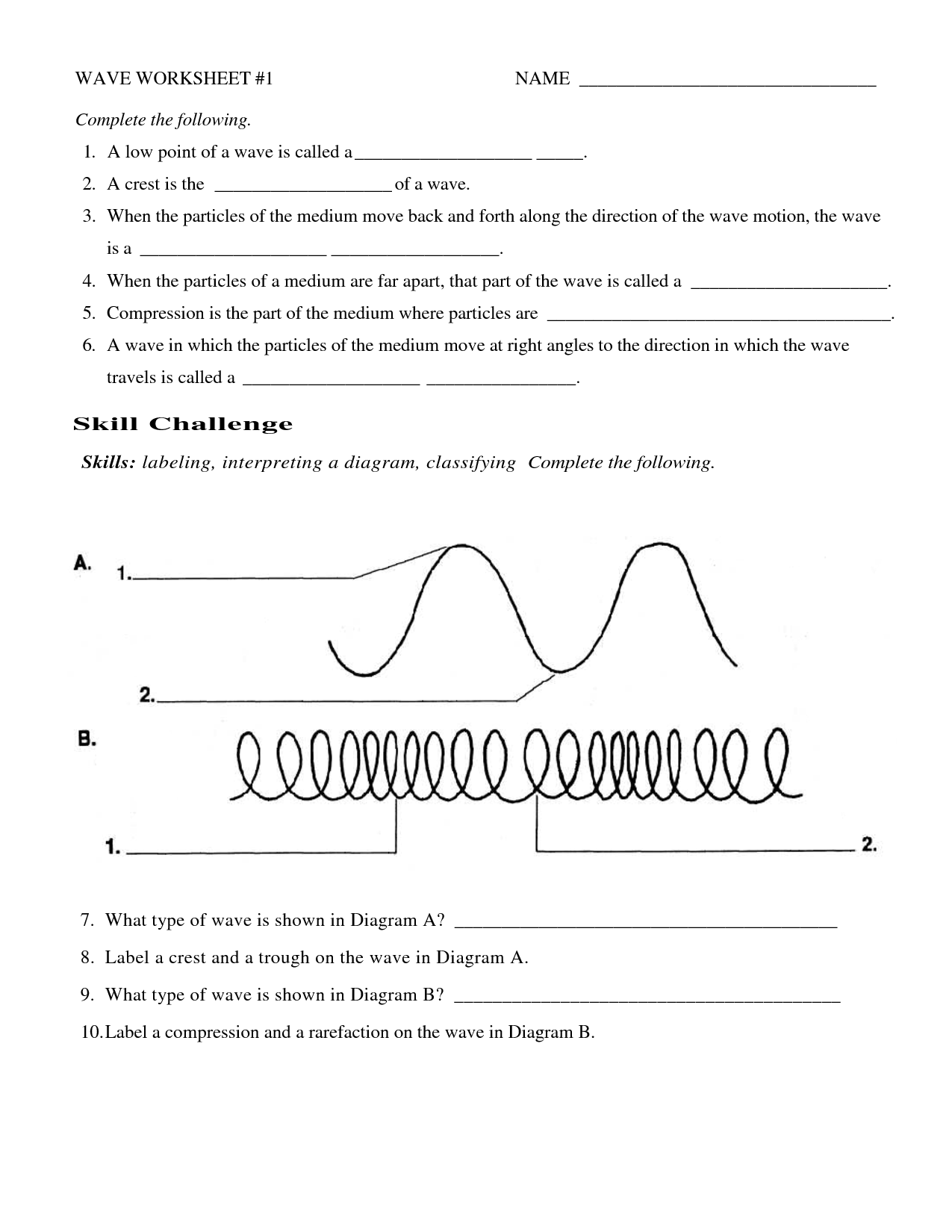
Physics Worksheet Category Page 1 – Worksheeto.com
www.worksheeto.com
Physics Wave Equation Worksheet Answer Key: Mastering Wave Phenomena

www.worksheetsdigital.co
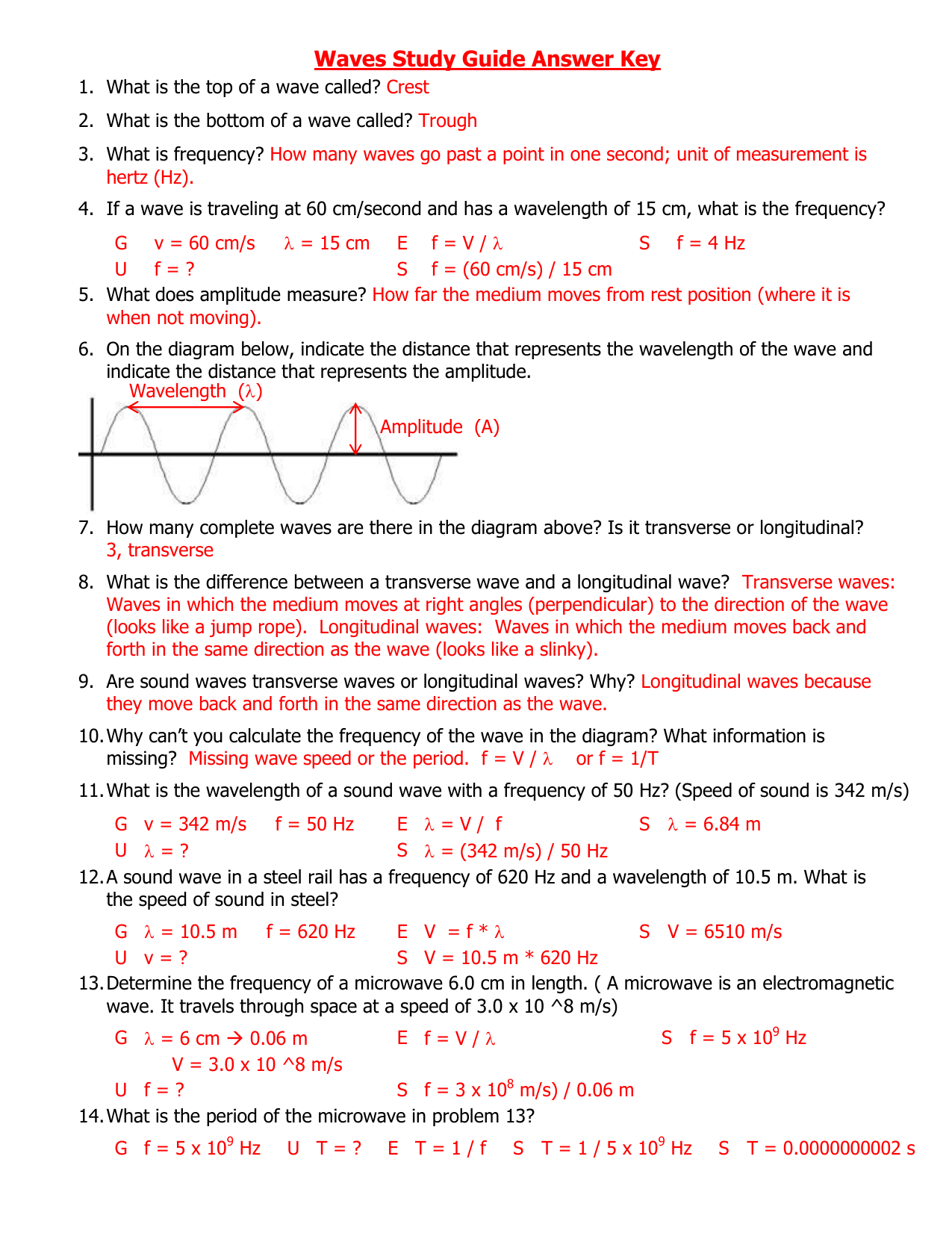
Wave Worksheet Answer Key – Pro Worksheet
www.proworksheet.my.id
Wave Worksheet Answer Key – E-streetlight.com
www.e-streetlight.com
Worksheet Labeling Waves Answer Key – E-streetlight.com
www.e-streetlight.com
Wave worksheet answer key – e-streetlight.com. Wave worksheet answer key – pro worksheet. Sound waves worksheet middle school