Cellular transport is a fundamental process that allows cells to maintain their internal environment, obtain nutrients, and eliminate waste products. Understanding how substances move across cell membranes is crucial in biology. Two main mechanisms govern this movement: active and passive transport. These mechanisms differ significantly in their energy requirements and the types of substances they can move. Mastering the concepts of active and passive transport is essential for any student studying biology or related fields.
Active and Passive Transport: A Deep Dive
This worksheet aims to solidify your understanding of active and passive transport. It will cover the key differences between these two transport methods, the various types of transport under each category, and the factors that influence their effectiveness. Let’s delve into the details of each transport type.
Passive Transport
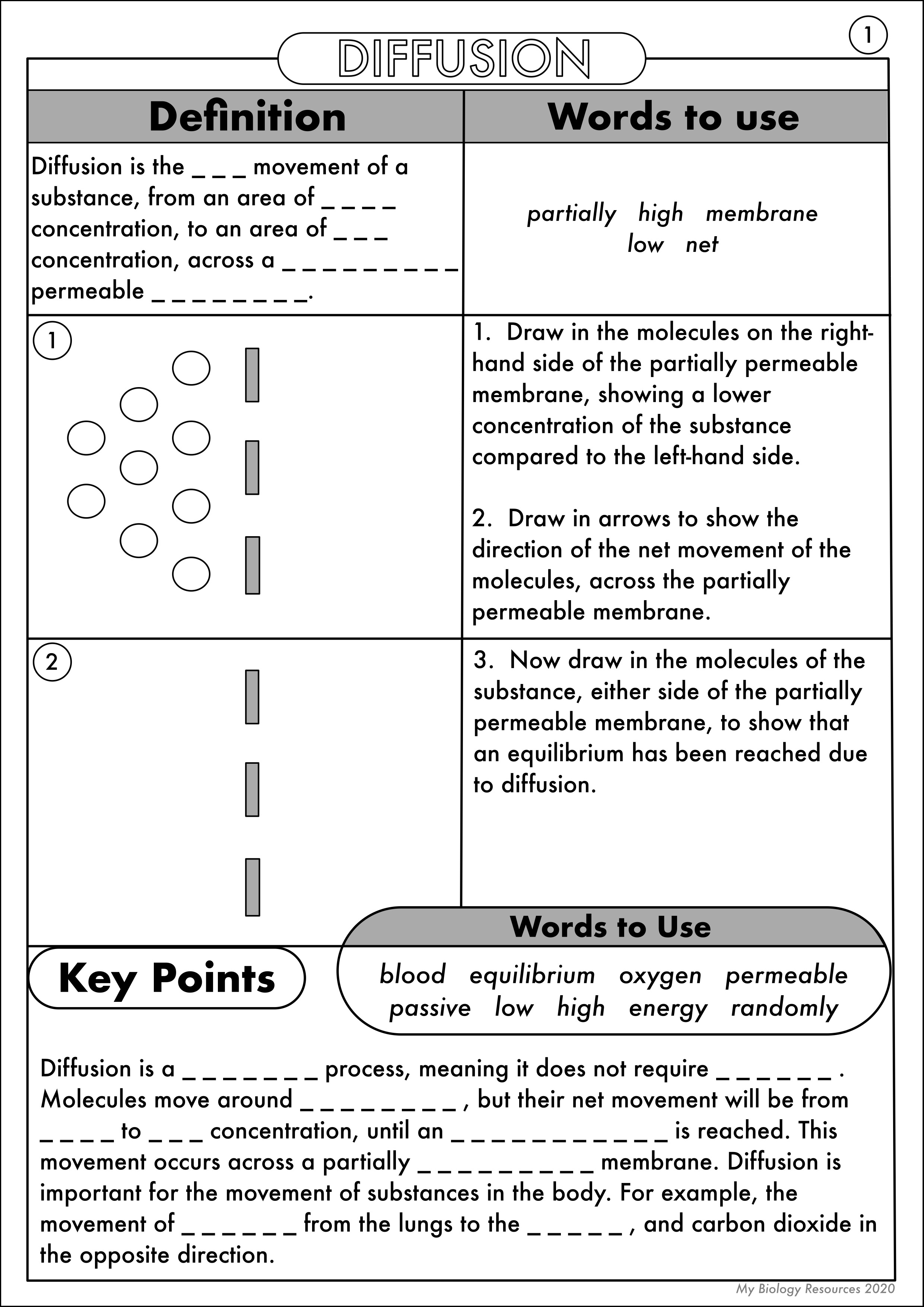
Passive transport is a type of membrane transport that *does not* require cellular energy to move substances across cell membranes. Instead, it relies on the concentration gradient, where substances move from an area of high concentration to an area of low concentration, effectively “rolling downhill.” This process is driven by the inherent kinetic energy of the molecules themselves.
Several types of passive transport exist, each with its own unique characteristics:
- Simple Diffusion: The movement of molecules directly across the cell membrane, typically small, nonpolar molecules like oxygen and carbon dioxide. No membrane proteins are involved.
- Facilitated Diffusion: The movement of molecules across the cell membrane with the help of transport proteins. These proteins can be channel proteins, which create a pore for specific molecules, or carrier proteins, which bind to specific molecules and undergo conformational changes to facilitate their passage. This is still considered passive transport because the movement is driven by the concentration gradient, not cellular energy.
- Osmosis: The movement of water across a semipermeable membrane from an area of high water concentration (low solute concentration) to an area of low water concentration (high solute concentration). Osmosis is crucial for maintaining cell turgor and osmotic balance.
Active Transport
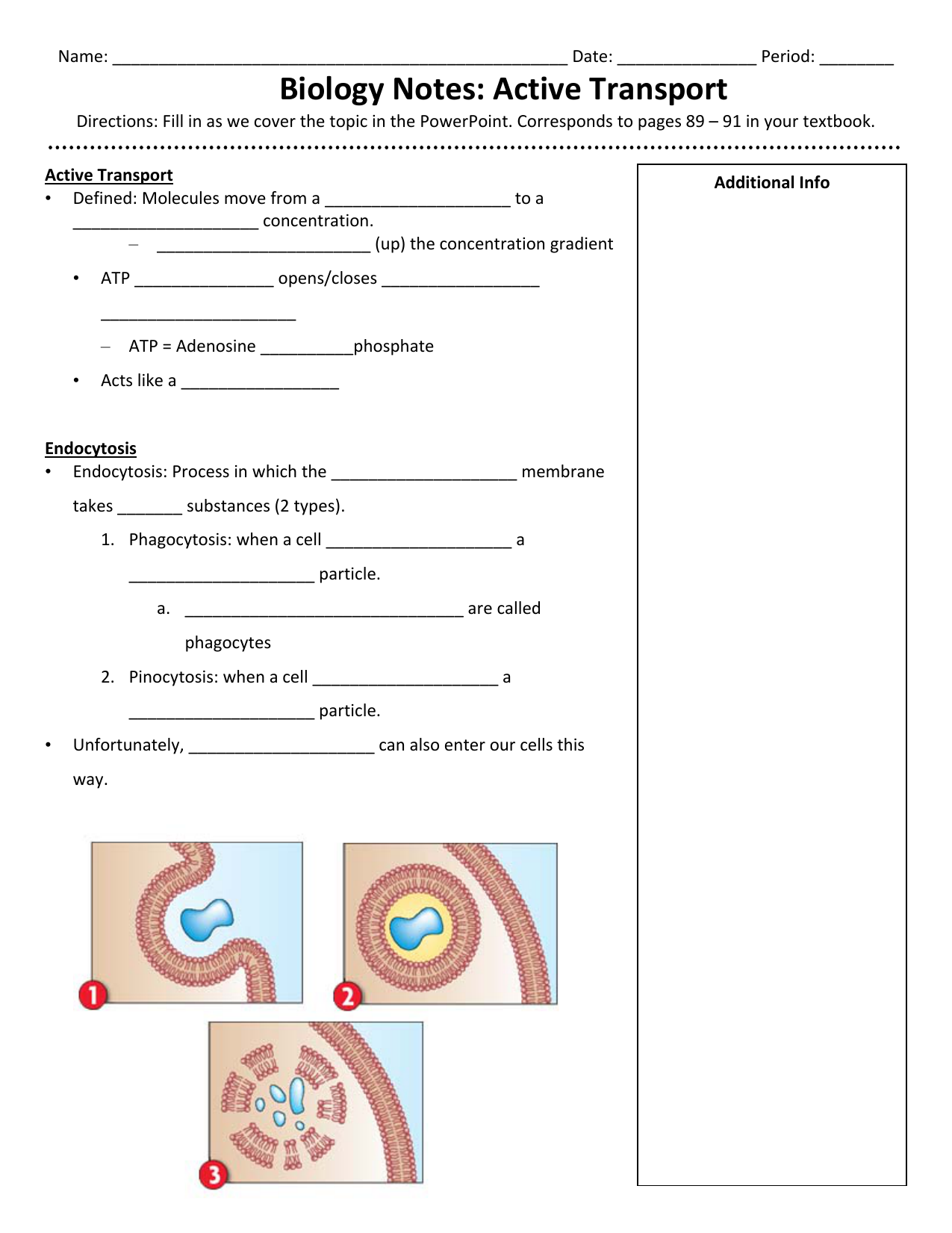
Active transport, in contrast to passive transport, *requires* the cell to expend energy, usually in the form of ATP (adenosine triphosphate). This energy is used to move substances against their concentration gradient, from an area of low concentration to an area of high concentration – essentially “pushing uphill.” This is vital for maintaining specific intracellular environments and transporting substances that would not otherwise cross the membrane.
Active transport can be further categorized into:
- Primary Active Transport: Directly uses ATP to move substances. A prime example is the sodium-potassium pump, which uses ATP to pump sodium ions out of the cell and potassium ions into the cell, both against their respective concentration gradients.
- Secondary Active Transport: Indirectly uses ATP. This involves using the electrochemical gradient established by primary active transport as the driving force to move other substances. For example, a symporter protein might use the energy of sodium ions flowing down their concentration gradient (established by the sodium-potassium pump) to simultaneously transport glucose into the cell, even if glucose is already at a higher concentration inside the cell.
Active And Passive Transport Worksheet Answers
Here are some typical questions you might encounter on an Active and Passive Transport Worksheet and their corresponding answers. Remember that specific questions and answers may vary depending on the worksheet’s design, but these examples cover the fundamental concepts:
- Question: What is the main difference between active and passive transport?
- Answer: The main difference is that active transport requires energy (ATP) to move substances against their concentration gradient, while passive transport does not require energy and relies on the concentration gradient.
- Question: Give an example of simple diffusion.
- Answer: An example of simple diffusion is the movement of oxygen from the lungs into the blood.
- Question: Explain how the sodium-potassium pump works and why it is considered active transport.
- Answer: The sodium-potassium pump uses ATP to move three sodium ions out of the cell and two potassium ions into the cell, both against their concentration gradients. It is considered active transport because it directly utilizes ATP for the movement of these ions.
- Question: Describe the process of osmosis.
- Answer: Osmosis is the movement of water across a semipermeable membrane from an area of high water concentration (low solute concentration) to an area of low water concentration (high solute concentration).
- Question: What is facilitated diffusion, and how does it differ from simple diffusion?
- Answer: Facilitated diffusion is the movement of molecules across the cell membrane with the help of transport proteins (channel or carrier proteins). It differs from simple diffusion because simple diffusion does not require any membrane proteins and only involves the movement of molecules directly across the lipid bilayer.
- Question: Is the movement of water into a cell when the cell is placed in a hypotonic solution active or passive transport?
- Answer: Passive transport (specifically, osmosis). The water moves down its concentration gradient.
- Question: Name a type of active transport where two substances are moved at the same time.
- Answer: Secondary active transport (symport or antiport).
- Question: What energy molecule is used in active transport?
- Answer: ATP (Adenosine Triphosphate)
Remember to always relate the transport method back to whether energy is being used and the direction of movement relative to the concentration gradient. By mastering these key concepts and working through practice problems, you’ll be well-equipped to tackle any questions related to active and passive transport!
If you are searching about Cells active passive transport worksheet – Artofit you’ve came to the right place. We have 20 Images about Cells active passive transport worksheet – Artofit like Active and Passive Transport Worksheet New Quiz & Worksheet Passive, Active And Passive Transport Worksheet – Pro Worksheet and also Cells active passive transport worksheet – Artofit. Here it is:
Cells Active Passive Transport Worksheet – Artofit

www.artofit.org
Passive And Active Transport Worksheet – Pro Worksheet

www.proworksheet.my.id
Cells Active Passive Transport Worksheet – Artofit

www.artofit.org
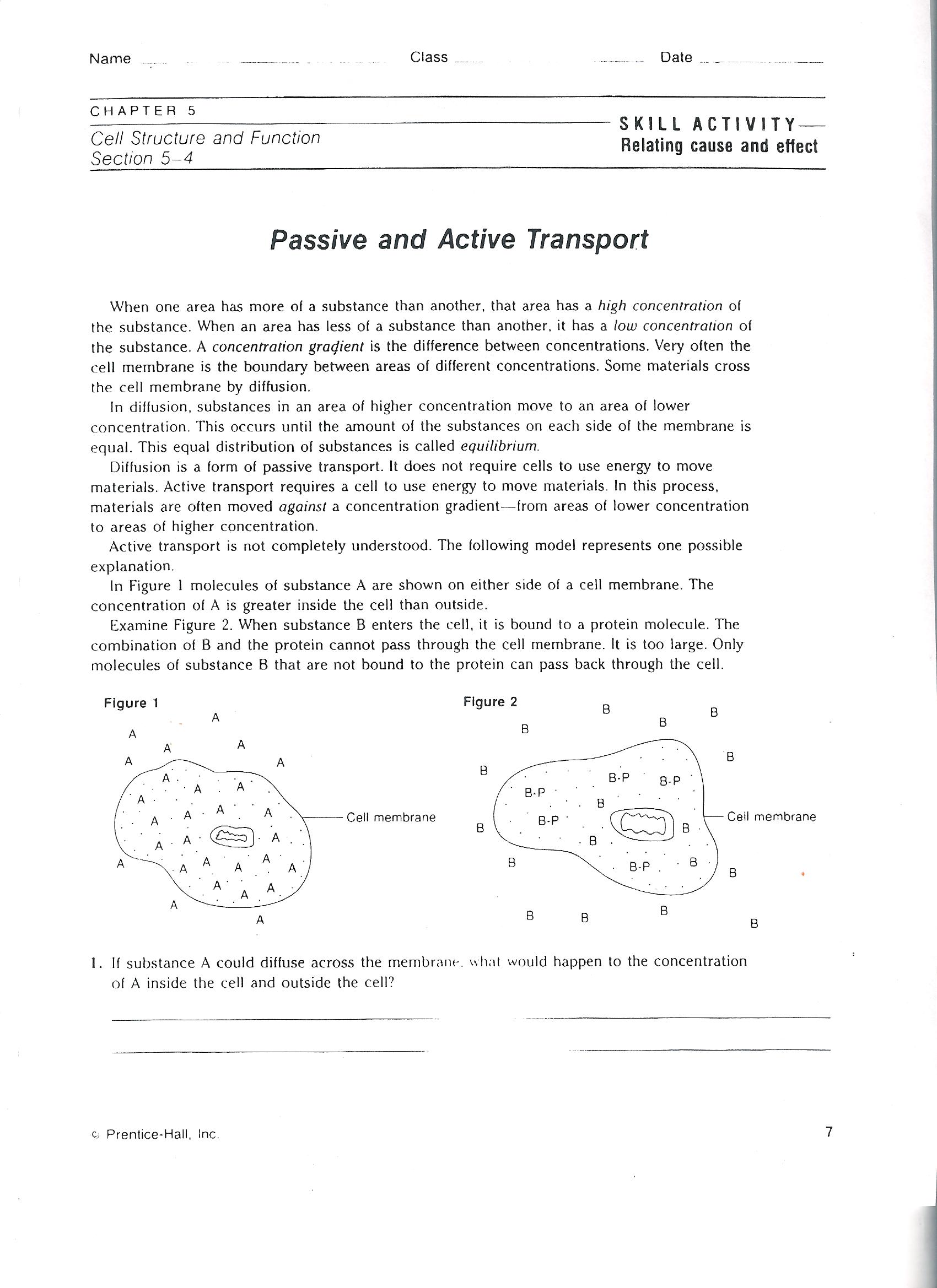
Active Versus Passive Transport Worksheets
www.housview.com
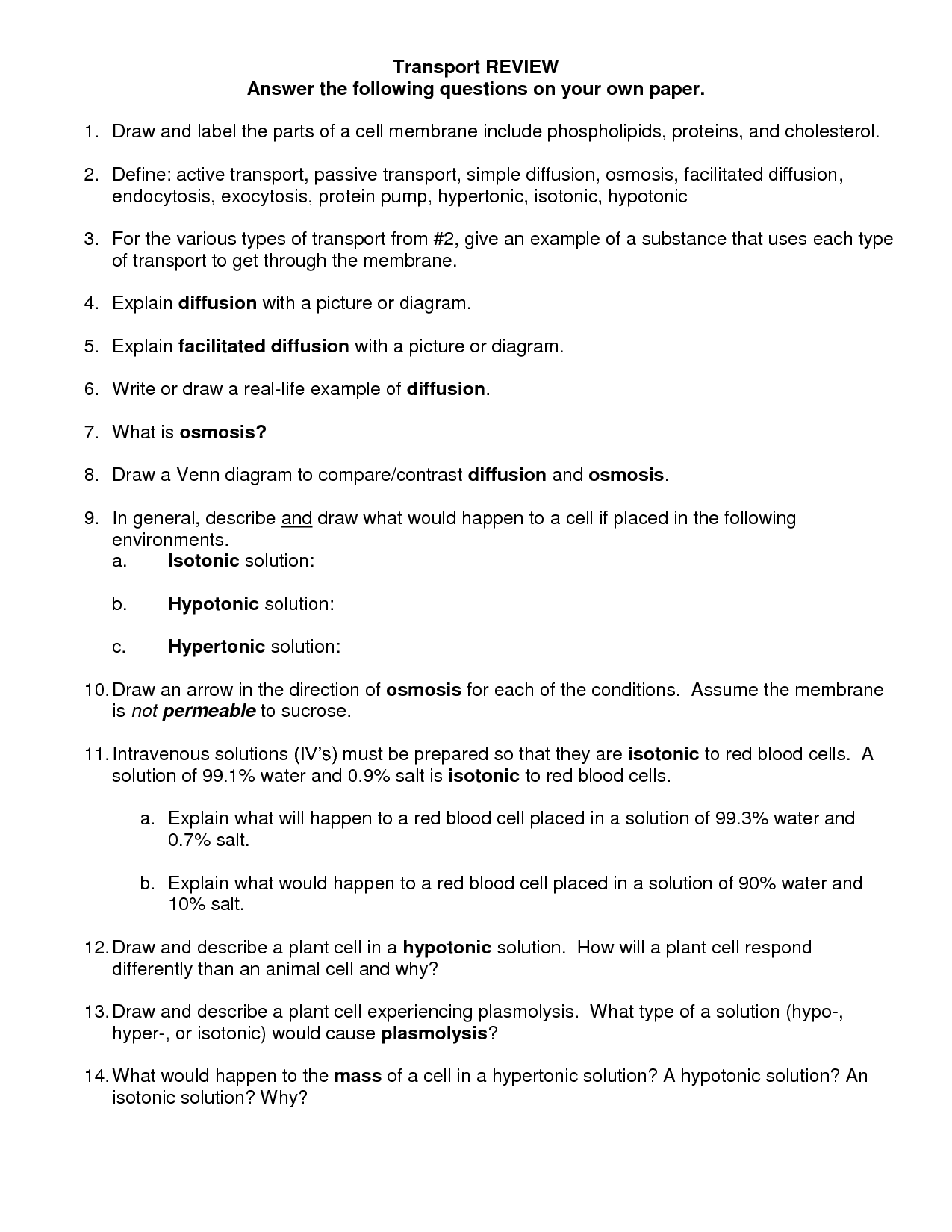
Passive And Active Transport Worksheets Answers
www.housview.com
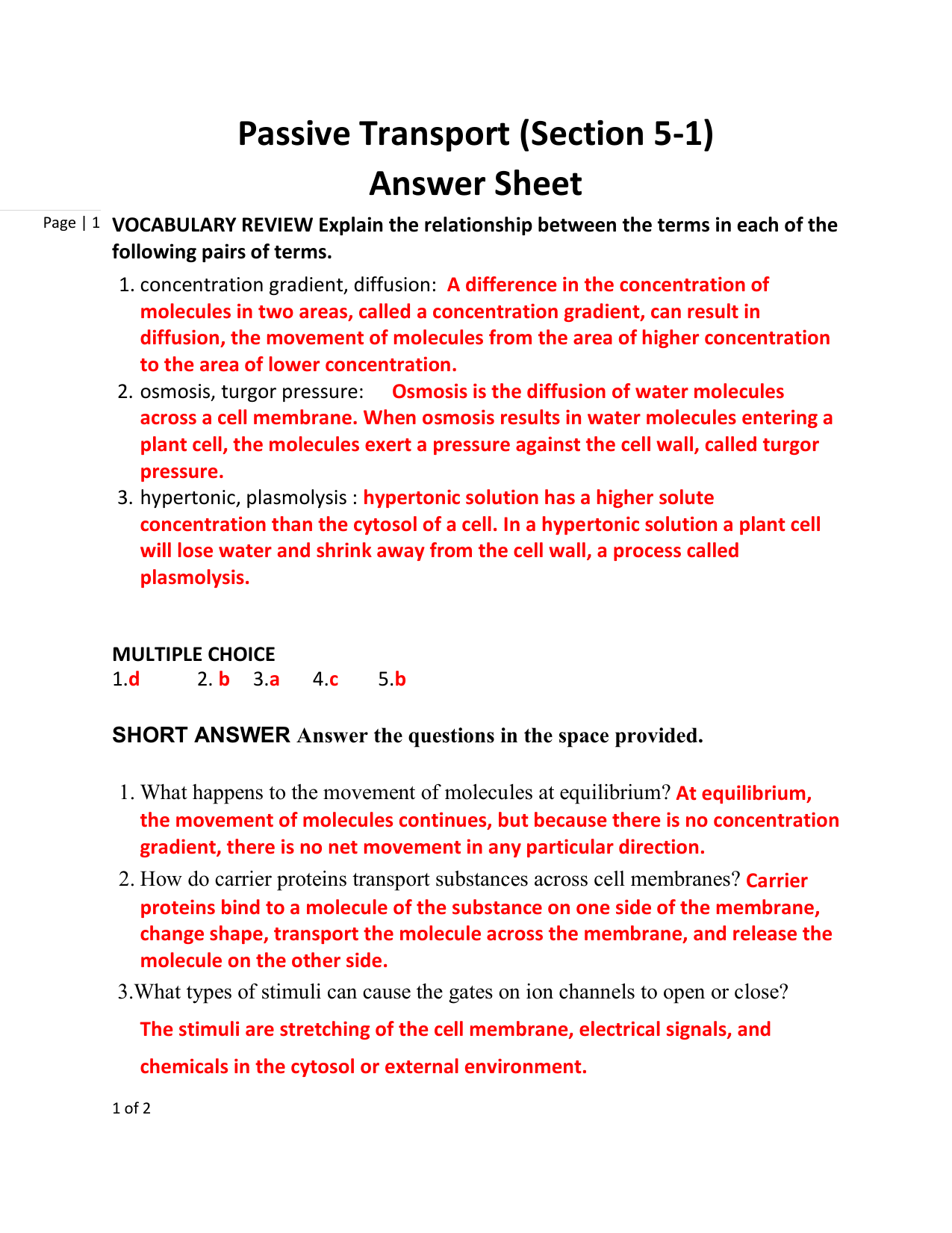
Passive Transport Worksheet Answers
www.e-streetlight.com
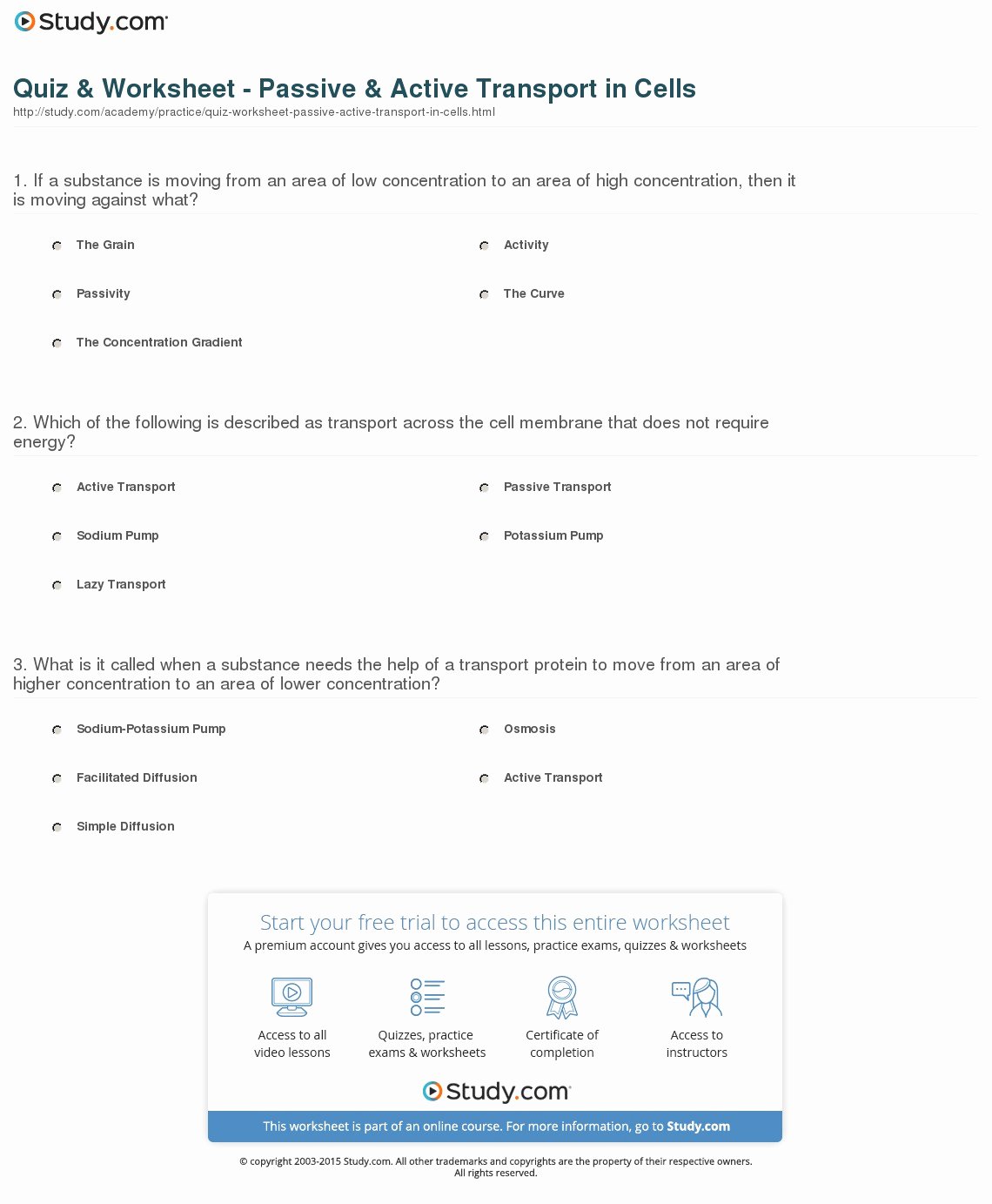
Active And Passive Transport Worksheet New Quiz & Worksheet Passive
chessmuseum.org
Passive And Active Transport Worksheet – E-streetlight.com
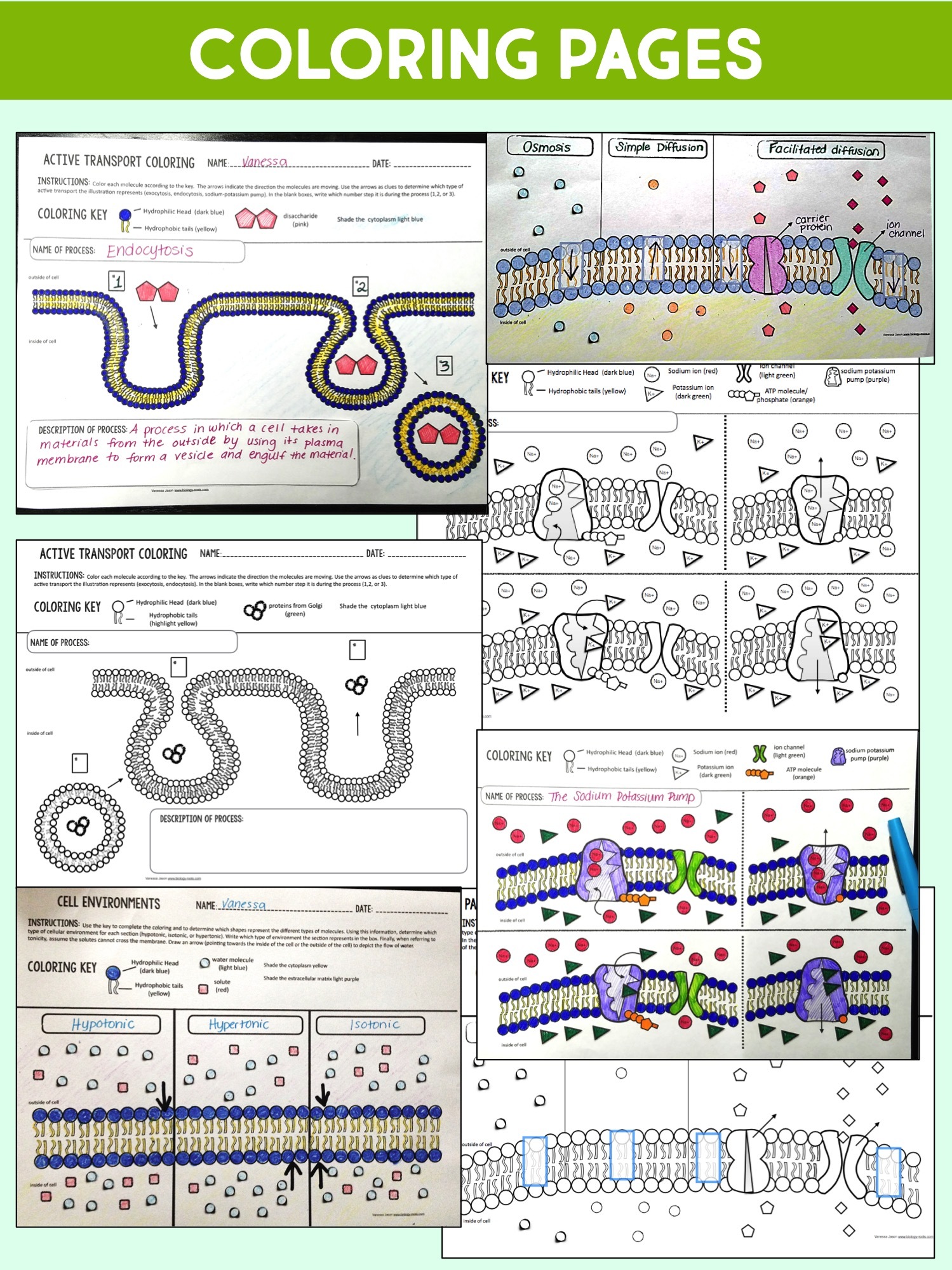
www.e-streetlight.com
Active Passive Transport Worksheets
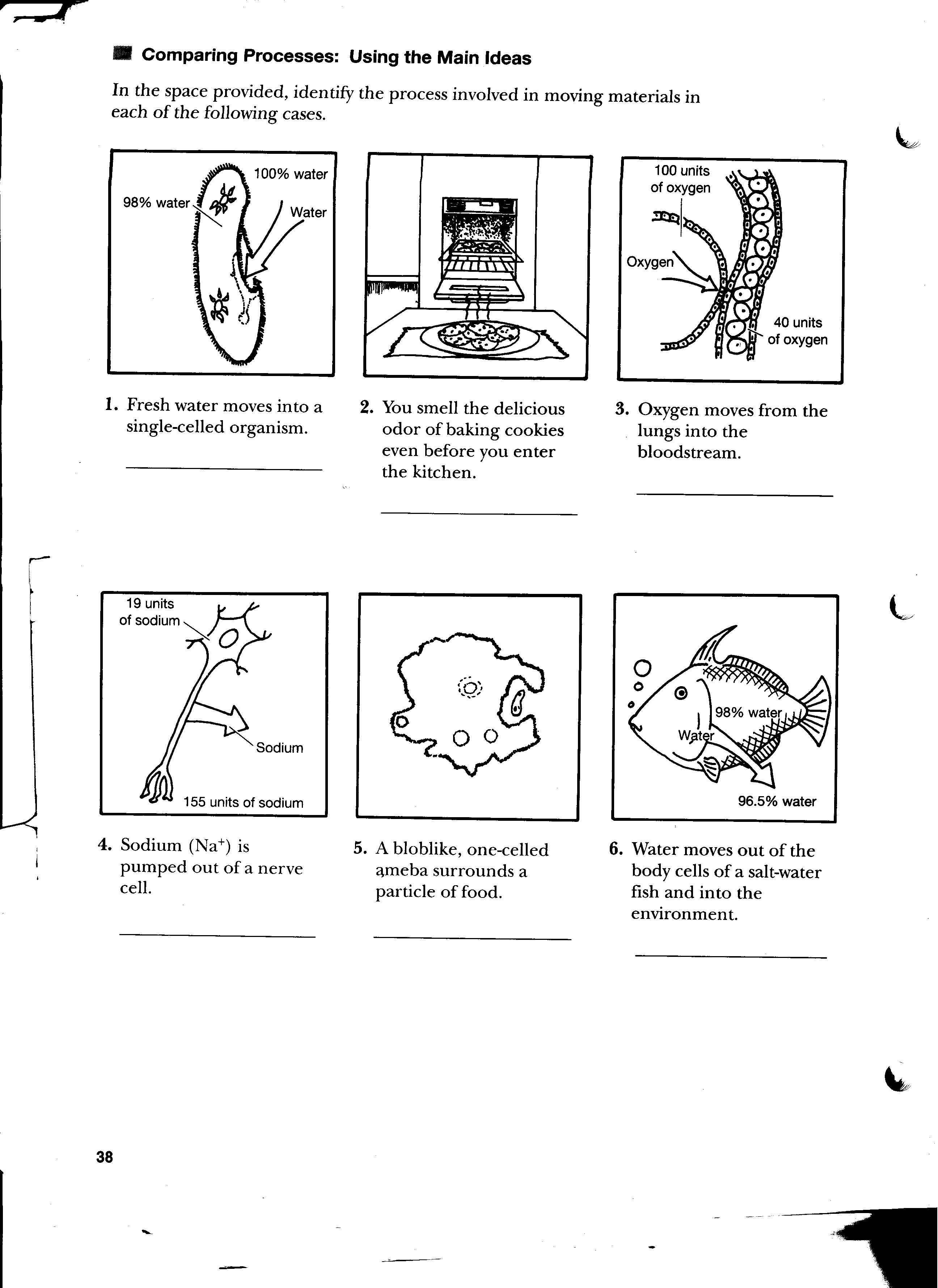
www.housview.com
Active And Passive Voice | Interactive Worksheet | Education.com

worksheets.clipart-library.com
Passive Transport Worksheet This Document Contains Lecture Notes

worksheets.clipart-library.com
Passive Cell Transport: PowerPoint & Worksheet | Made By Teachers

www.madebyteachers.com
14 – Active Vs Passive Transport Reading – Name Period

worksheets.clipart-library.com
Passive Transport Worksheet Answers

www.e-streetlight.com
Active And Passive Transport Worksheet – E-streetlight.com
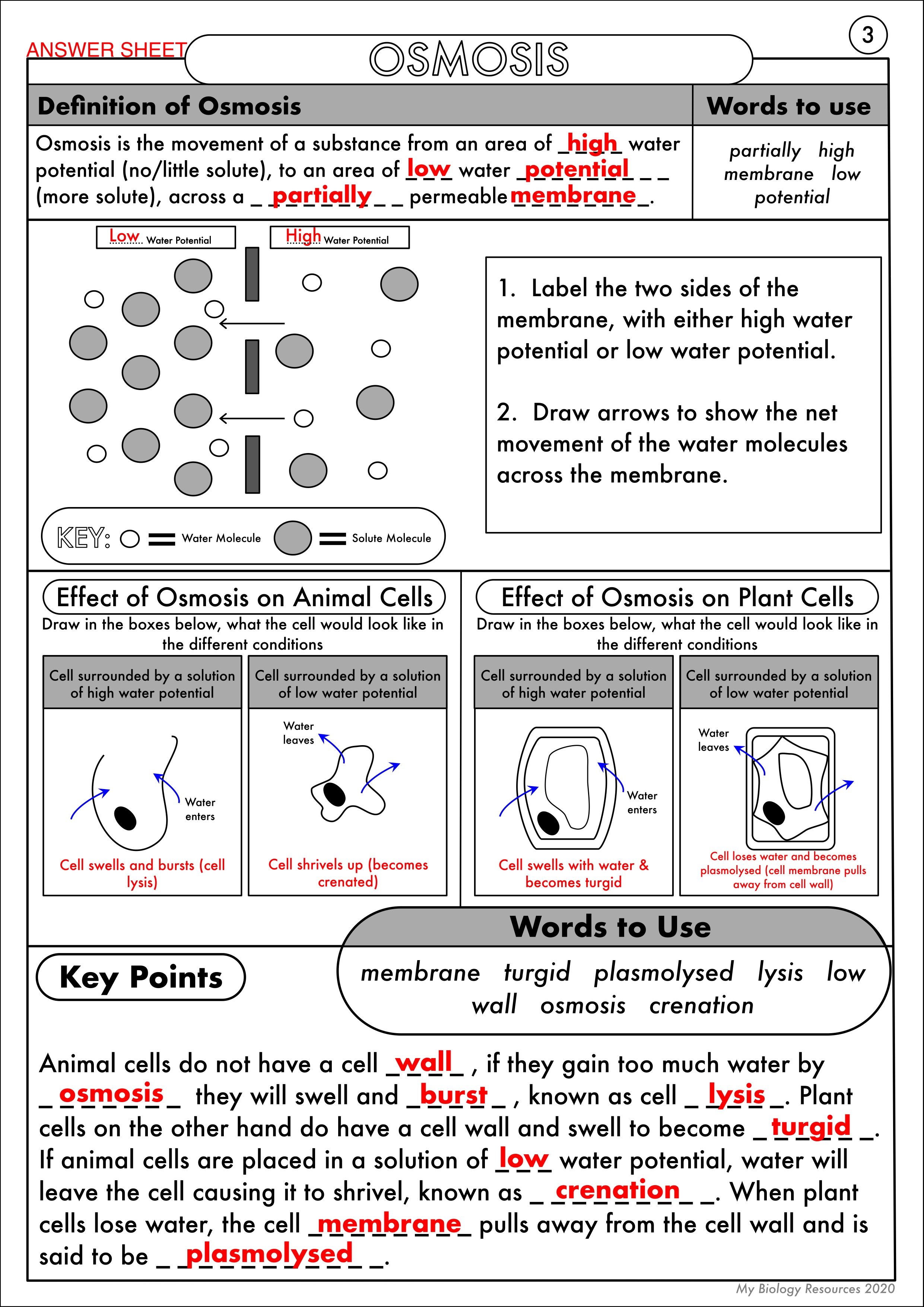
www.e-streetlight.com
Cell Transport Worksheet – WordMint – Worksheets Library
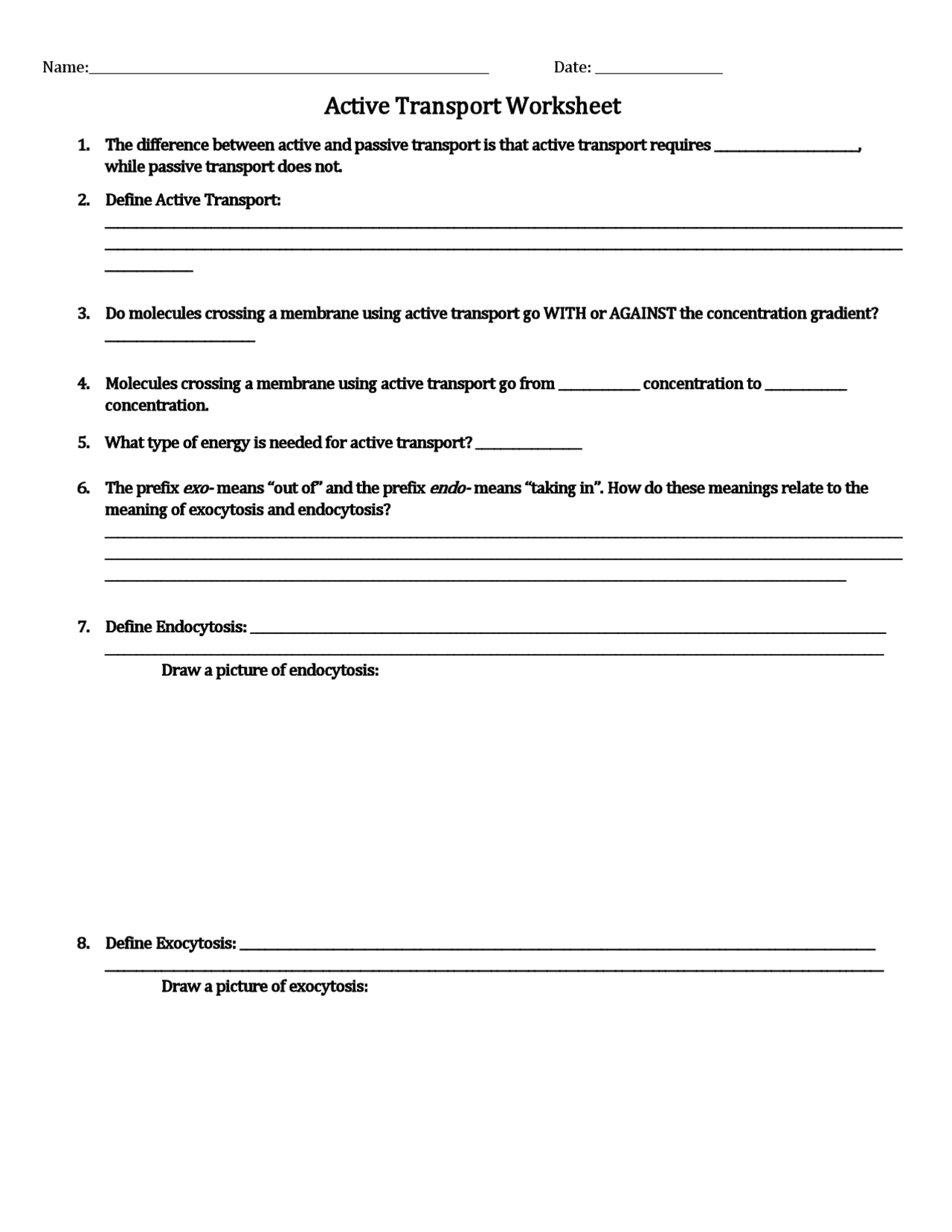
worksheets.clipart-library.com
Active And Passive Transport Worksheet Elegant 11 Best Of Active
chessmuseum.org
Active And Passive Transport Worksheet – E-streetlight.com
www.e-streetlight.com
Passive And Active Transport Worksheet – E-streetlight.com
www.e-streetlight.com
Active And Passive Transport Worksheet – Pro Worksheet

www.proworksheet.my.id
Passive and active transport worksheet – pro worksheet. Passive transport worksheet answers. passive and active transport worksheet – e-streetlight.com