Navigating the Bill of Rights can be a challenging yet essential part of understanding American civics. Worksheets designed to test knowledge of these fundamental rights often play a significant role in education, from middle school civics classes to introductory college courses. But tackling these worksheets can sometimes feel overwhelming. Students might grapple with understanding the nuances of each amendment, the specific protections they offer, and how they apply in real-world scenarios. This post provides comprehensive answers to common Bill of Rights worksheet questions, offering not just the correct answers, but also contextual explanations to foster a deeper understanding of these vital principles.
This resource is intended to supplement classroom learning and textbook study. It’s crucial to remember that the Bill of Rights is a dynamic document, constantly interpreted and reinterpreted by the courts, and impacted by changing social norms. Therefore, relying solely on answers without understanding the underlying concepts can be counterproductive. Use this guide as a stepping stone to further research and critical thinking about the Bill of Rights and its importance to a free society.
Bill of Rights Worksheet Answers
Below you’ll find answers to common Bill of Rights worksheet questions, formatted as an HTML list for clarity and ease of use. Remember to read each answer carefully and think about the reasoning behind it.
-
Amendment 1: Freedom of Religion, Speech, Press, Assembly, and Petition
- Question: What five freedoms are protected by the First Amendment?
- Answer: Freedom of religion, freedom of speech, freedom of the press, the right to assemble peacefully, and the right to petition the government.
- Explanation: This amendment safeguards the core tenets of individual liberty in the United States. It prohibits the government from establishing a religion, interfering with the free exercise of religion, or abridging the freedom of speech, the press, the right to assemble peacefully, and the right to petition the government for a redress of grievances.
-
Amendment 2: Right to Bear Arms
- Question: What right does the Second Amendment protect?
- Answer: The right of the people to keep and bear arms, in order to maintain a well regulated militia.
- Explanation: The Second Amendment is one of the most debated amendments in the Bill of Rights. Its interpretation, especially regarding the individual right to bear arms versus the collective right related to a militia, is a subject of ongoing legal and political discourse.
-
Amendment 3: Quartering of Soldiers
- Question: What does the Third Amendment prevent the government from doing?
- Answer: It prevents the government from forcing citizens to quarter soldiers in their homes during peacetime.
- Explanation: This amendment is a direct response to British practices prior to the American Revolution. While not frequently litigated in modern times, it reflects a fundamental concern about government intrusion into private lives.
-
Amendment 4: Search and Seizure
- Question: What protection does the Fourth Amendment provide against unreasonable searches and seizures?
- Answer: The Fourth Amendment protects individuals from unreasonable searches and seizures. It requires a warrant, supported by probable cause, to be issued before law enforcement can search a person’s property.
- Explanation: This amendment is critical in safeguarding personal privacy and limiting government power. It ensures that law enforcement cannot conduct arbitrary searches without justification. The exclusionary rule, stemming from this amendment, prevents illegally obtained evidence from being used in court.
-
Amendment 5: Rights of the Accused
- Question: List three rights guaranteed to the accused by the Fifth Amendment.
- Answer: The right to remain silent (pleading the Fifth), protection against double jeopardy (being tried twice for the same crime), and the right to due process of law.
- Explanation: The Fifth Amendment offers crucial protections to individuals accused of crimes, ensuring fair treatment under the law. The right against self-incrimination is a cornerstone of American jurisprudence.
-
Amendment 6: Right to a Speedy Trial
- Question: What rights are guaranteed to a person accused of a crime under the Sixth Amendment?
- Answer: The right to a speedy and public trial, the right to an impartial jury, the right to be informed of the nature and cause of the accusation, the right to confront witnesses, and the right to have the assistance of counsel for defense.
- Explanation: This amendment ensures that individuals accused of crimes receive a fair and efficient trial. The right to counsel, particularly the Supreme Court case *Gideon v. Wainwright*, guarantees legal representation even for those who cannot afford it.
-
Amendment 7: Right to Jury Trial in Civil Cases
- Question: What type of case does the Seventh Amendment address?
- Answer: It guarantees the right to a jury trial in civil cases where the amount in controversy exceeds a certain value (originally $20, now significantly more due to inflation, but generally interpreted as cases exceeding a nominal amount).
- Explanation: This amendment preserves the right to a jury trial in civil disputes, further ensuring citizen participation in the legal process.
-
Amendment 8: Cruel and Unusual Punishment
- Question: What does the Eighth Amendment prohibit?
- Answer: It prohibits cruel and unusual punishments and excessive bail or fines.
- Explanation: This amendment seeks to prevent the government from imposing unduly harsh penalties. The definition of “cruel and unusual punishment” is subject to ongoing debate and interpretation.
-
Amendment 9: Unenumerated Rights
- Question: What does the Ninth Amendment state?
- Answer: It states that the enumeration of certain rights in the Constitution does not mean that other rights retained by the people are not also protected.
- Explanation: This amendment acknowledges that the Bill of Rights is not an exhaustive list of all the rights held by the people. It allows for the recognition of other rights, even if they are not explicitly mentioned in the Constitution. The right to privacy, although not explicitly stated, is often argued as being protected under the Ninth Amendment.
-
Amendment 10: Reserved Powers
- Question: What does the Tenth Amendment say about powers not delegated to the federal government?
- Answer: It states that powers not delegated to the federal government by the Constitution, nor prohibited by it to the states, are reserved to the states respectively, or to the people.
- Explanation: This amendment reinforces the principle of federalism, dividing powers between the federal government and the states. It ensures that the states retain significant autonomy over matters not specifically addressed by the Constitution.
This guide provides a foundational understanding of the Bill of Rights and answers to common worksheet questions. Remember to continue your research and engage in critical thinking to fully grasp the significance of these vital amendments to the American Constitution.
If you are searching about インボイス管理サービス「Bill One」 | 連携サービス | ピー・シー・エー株式会社 you’ve came to the right page. We have 20 Pics about インボイス管理サービス「Bill One」 | 連携サービス | ピー・シー・エー株式会社 like Printed Receipt Vector. Bill Atm Template, Cafe Or Restaurant Paper, What is "Bill" | Definition and meaning of the term | Forex Trading and also Bill.com and KeyBank introduce Key CashFlowsm, a Streamlined Payments. Here you go:
インボイス管理サービス「Bill One」 | 連携サービス | ピー・シー・エー株式会社
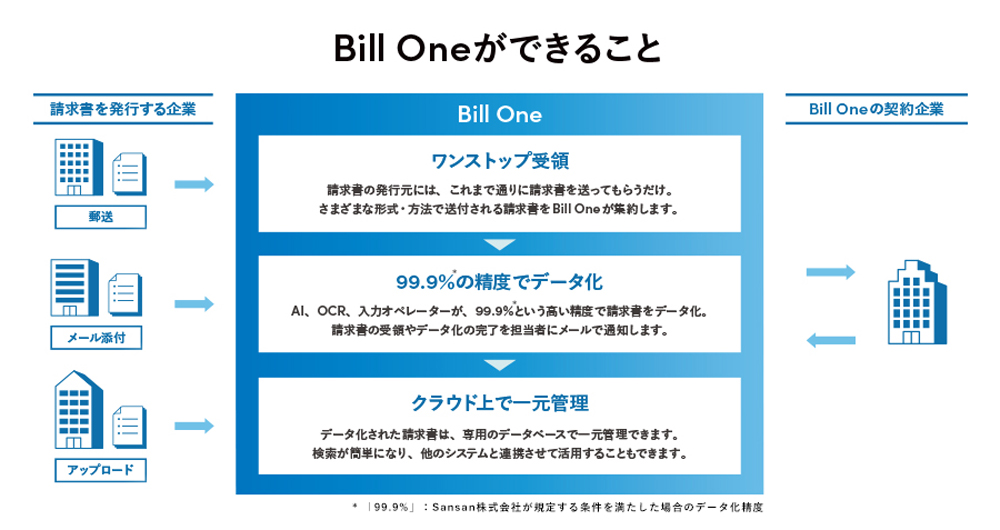
pca.jp
Bill Of Exchange, All You Need To Know – Shiksha Online
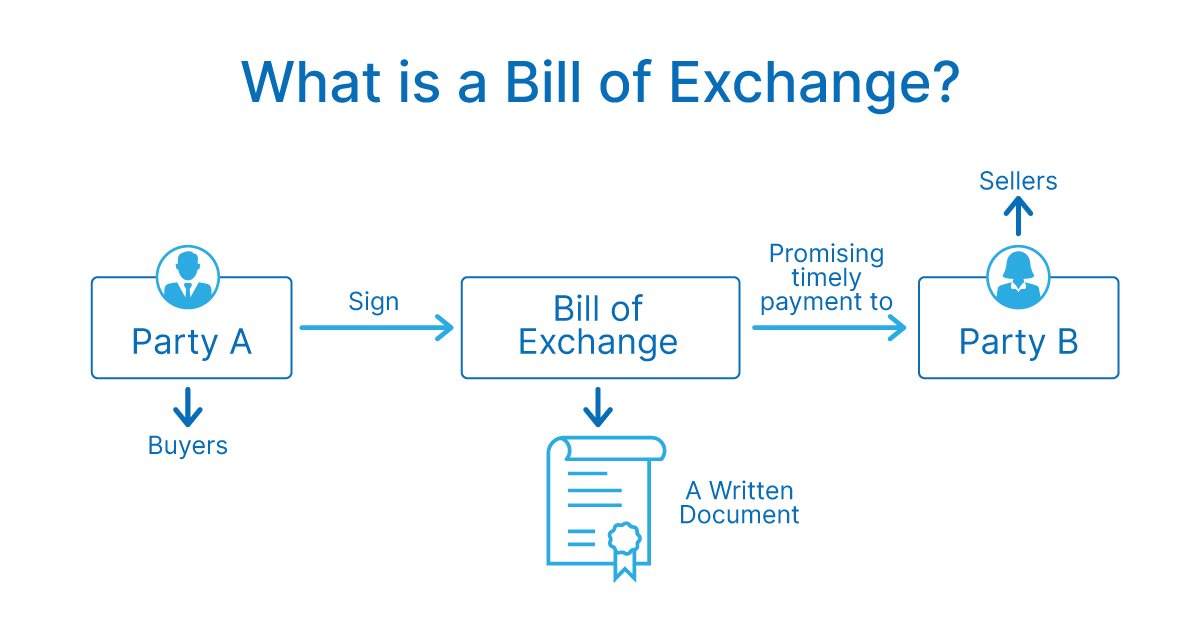
www.shiksha.com
What Is "Bill" | Definition And Meaning Of The Term | Forex Trading

www.fibogroup.com
Bill.com And KeyBank Introduce Key CashFlowsm, A Streamlined Payments

www.businesswire.com
Introducing BILL: Our New Brand

www.bill.com
Bill.Com Changes Name To ‘BILL’ Following Rebrand

www.pymnts.com
Do Restaurants Pay Vat On Water At Gabrielle Krefft Blog

storage.googleapis.com
Bill – Free Of Charge Creative Commons Financial 3 Image

www.thebluediamondgallery.com
File:U.S. Hundred Dollar Bill, 1999.jpg – Wikimedia Commons

commons.wikimedia.org
Msn Money Bill Pay

ar.inspiredpencil.com
Bill Gates: AI Is Most Important Tech Advance In Decades – BBC News

www.bbc.com
40 Editable Utility Bill Templates (FREE Downloads)
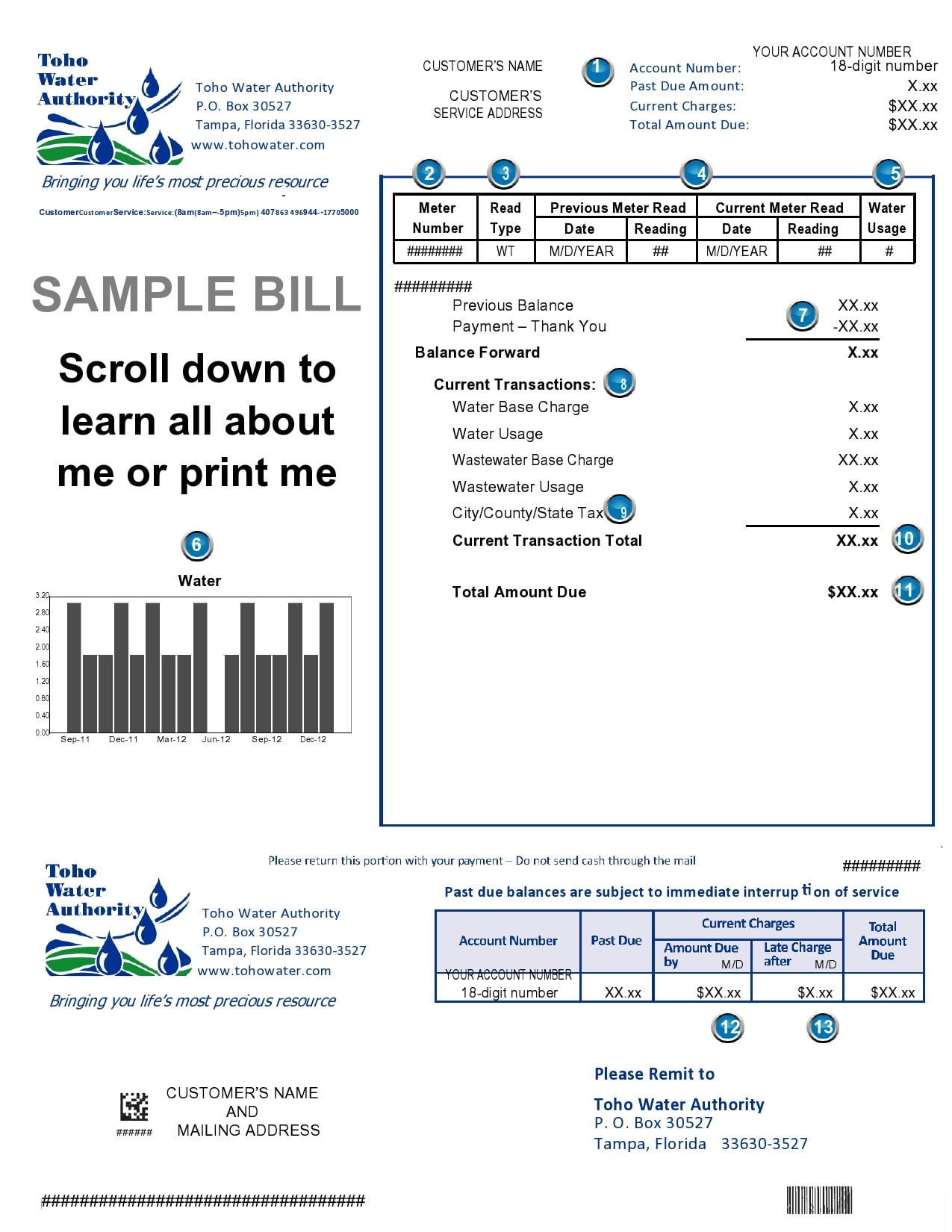
templatearchive.com
BILL Stock: 11 Reasons Why Bill.com Shares Are Skyrocketing Today

www.aol.com
What Is A Bill Of Entry: Types, Format, And Documents Required

sell.amazon.in
Difference Between Invoice And Bill: A Complete Guide – Happay
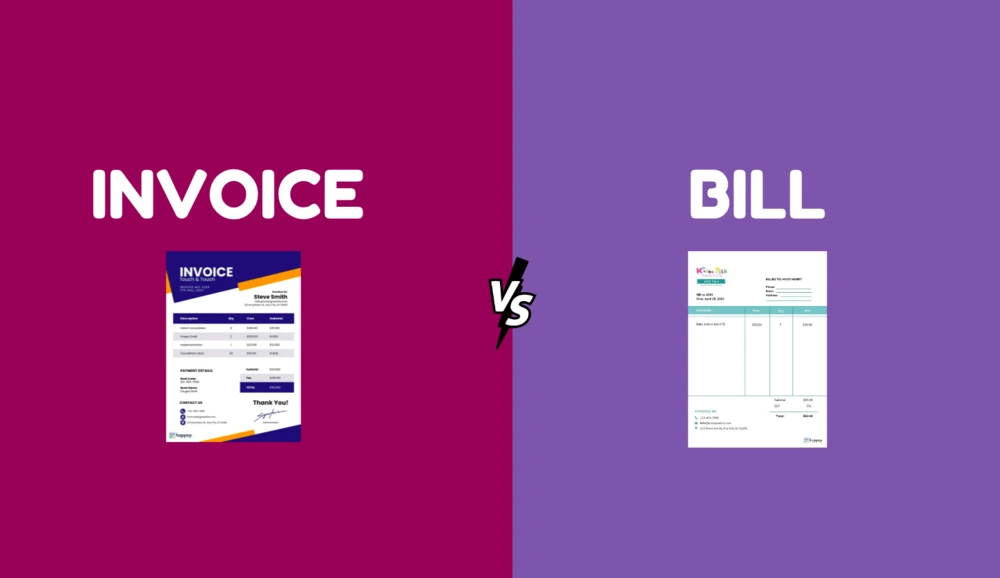
happay.com
BILL (Bill.com) Reviews: What Do Real Users Think?

www.stampli.com
BILL Expands Most Comprehensive Financial Operations Platform For SMBs
.jpg?download=1)
www.businesswire.com
Printed Receipt Vector. Bill Atm Template, Cafe Or Restaurant Paper
stock.adobe.com
Bill Com Holdings (NYSE:BILL) Stock Price News

stocklight.com
Bill.com Introduces New Product Features At Sage Transform, Continuing

www.businesswire.com
What is a bill of entry: types, format, and documents required. インボイス管理サービス「bill one」. Bill.com changes name to ‘bill’ following rebrand