Understanding how life interacts with its environment is a cornerstone of ecology. One of the key ways we break down this complex interaction is through levels of ecological organization. From the individual organism to the vast biosphere, these levels provide a framework for studying the interconnectedness of living things. To test and reinforce your understanding of these levels, a worksheet is often used. This post will provide a general overview of ecological organization and then offer the solutions to a typical worksheet, allowing you to check your knowledge and solidify your understanding of the subject.
Understanding Levels of Ecological Organization
Ecology is the study of the interactions between organisms and their environment. To make this study more manageable, we categorize the living world into different levels of organization. Each level builds upon the previous one, becoming increasingly complex and encompassing wider scales of interaction. It’s important to understand the relationships within each level and how they contribute to the overall health and stability of ecosystems.
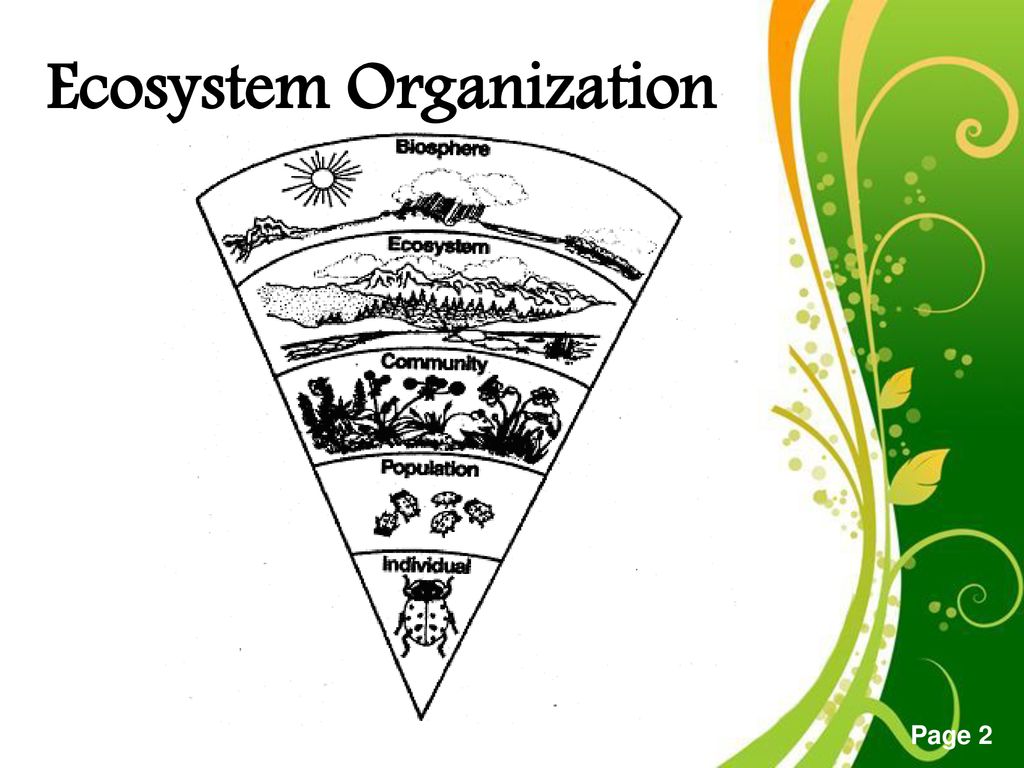
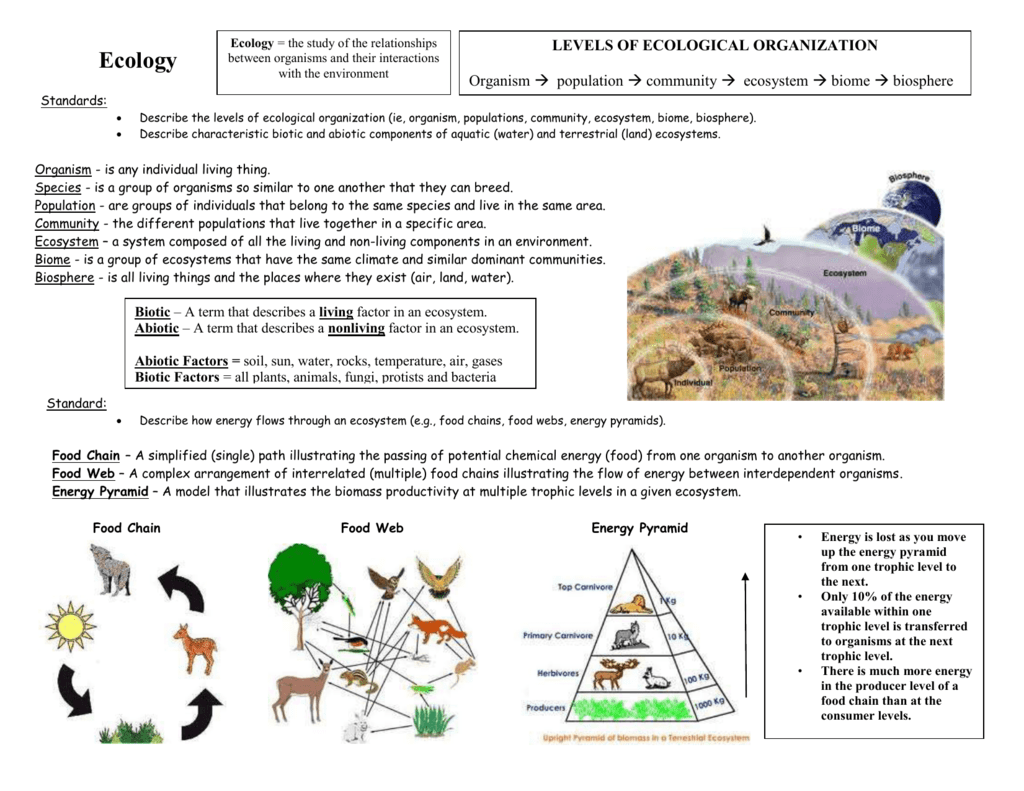
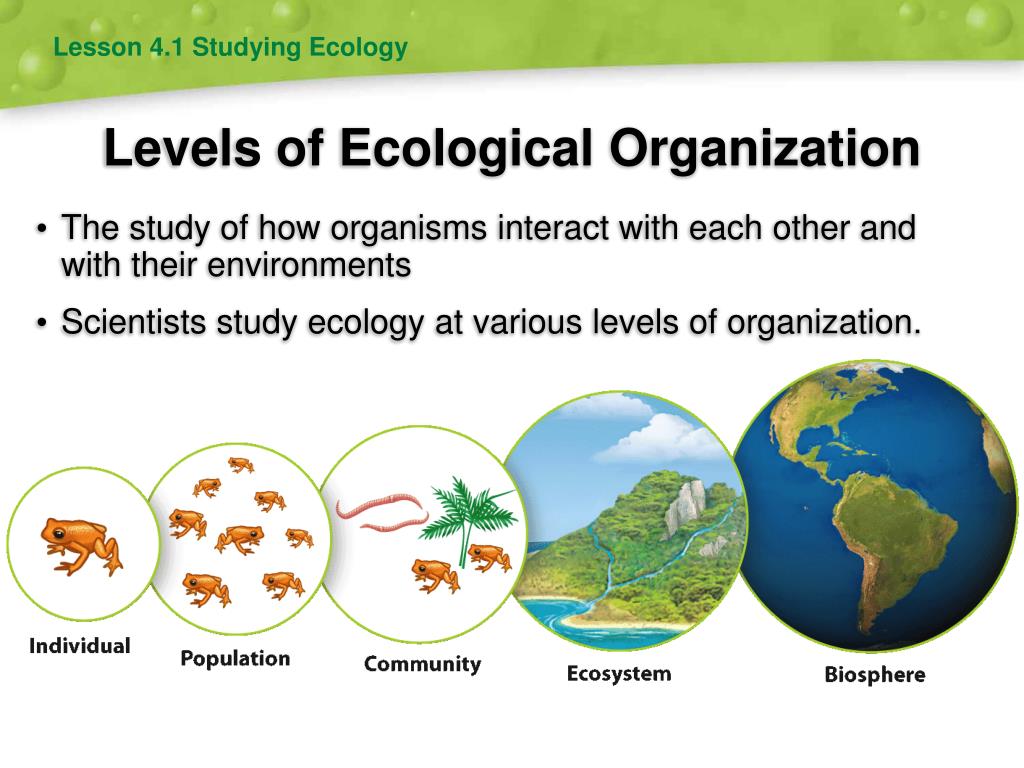
These levels provide a hierarchical structure, making it easier to analyze the intricate relationships between living and non-living components. The main levels, from smallest to largest, are: Individual, Population, Community, Ecosystem, Biome, and Biosphere.
Before diving into the specific solutions to a typical worksheet, let’s briefly define each level:
- Individual: A single organism of a particular species.
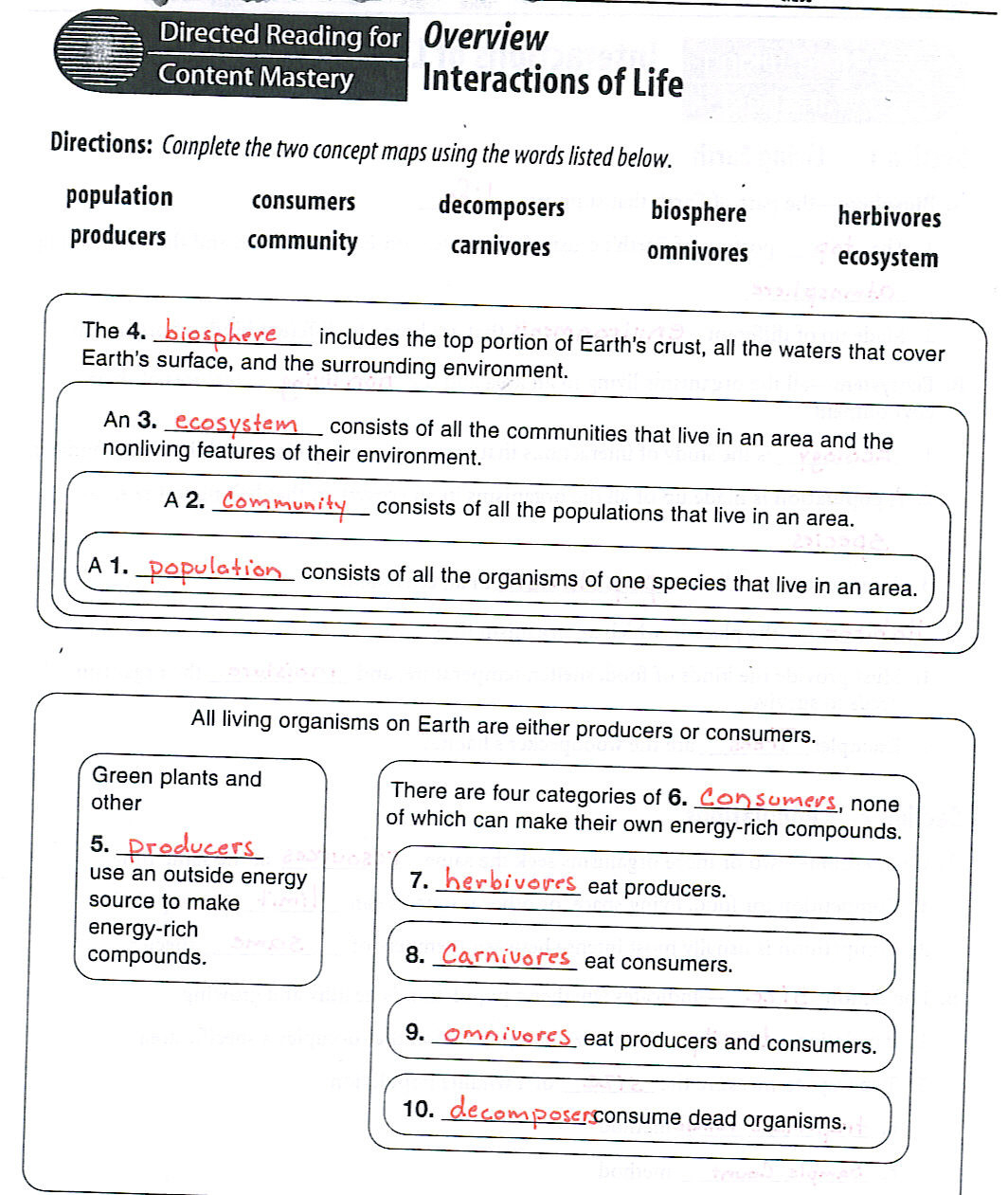
- Population: A group of individuals of the same species living in the same area.
- Community: All the different populations of different species living in the same area.
- Ecosystem: A community of living organisms (biotic factors) interacting with their non-living environment (abiotic factors).
- Biome: A large geographic area characterized by specific climate conditions, animal populations, and plant species.
- Biosphere: The part of Earth where life exists, including all ecosystems and biomes.
Levels of Ecological Organization Worksheet Answers
Below are the answers to a common “Levels of Ecological Organization Worksheet.” Keep in mind that the specific questions and wording may vary, but the core concepts remain the same. This solution is designed to help you understand the logic behind each answer.
Typical Worksheet Questions and Answers:
-
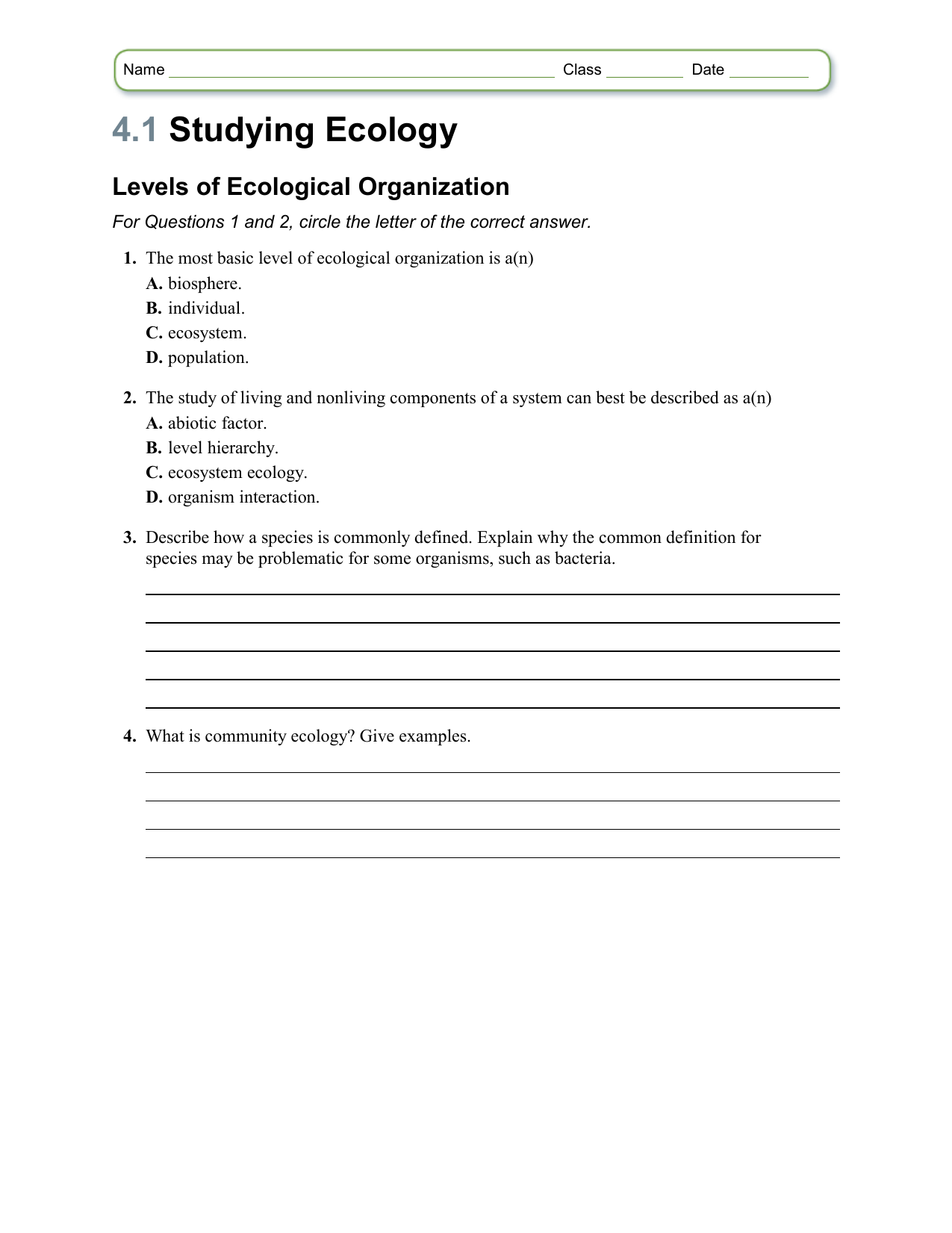
Question: What is the simplest level of ecological organization?
Answer: Individual
-
Question: Define a population.
Answer: A group of individuals of the same species living in the same area at the same time.
-
Question: Give an example of a population.
Answer: A school of clownfish in a coral reef. (Any group of organisms of the same species living in the same place is acceptable.)
-
Question: What is a community?
Answer: All the different populations of different species that live together in the same area.
-
Question: Give an example of a community.
Answer: All the plants, animals, fungi, and microorganisms living in a forest. (Any group of multiple species interacting is acceptable.)
-
Question: What is the difference between a community and an ecosystem?
Answer: An ecosystem includes both the biotic (living) and abiotic (non-living) factors in an area, while a community only includes the biotic factors (living things).
-
Question: Name three abiotic factors that are important to an ecosystem.
Answer: Sunlight, water, temperature, soil composition, air (oxygen, carbon dioxide), nutrients (nitrogen, phosphorus). (Any non-living factor is acceptable.)
-
Question: What is a biome?
Answer: A large geographic area characterized by similar climate conditions, plant communities, and animal communities.
-
Question: Give three examples of biomes.
Answer: Tropical rainforest, desert, tundra, grassland, temperate deciduous forest, taiga (boreal forest). (Any major biome is acceptable.)
-
Question: What is the biosphere?
Answer: The part of Earth where life exists, including all ecosystems and biomes. It’s the sum of all living things and their environments.
-
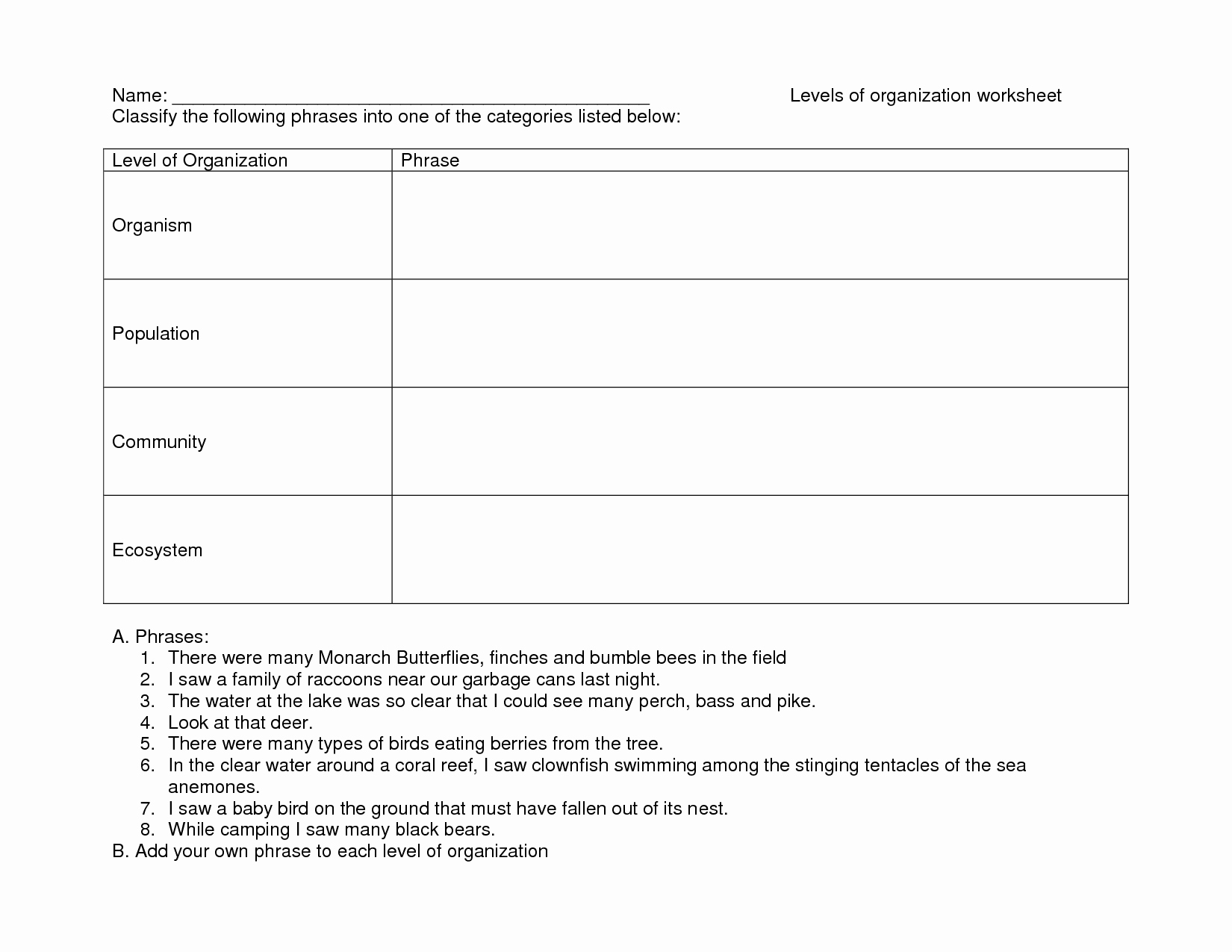
Question: Arrange the following terms in order from simplest to most complex: ecosystem, population, individual, biome, community, biosphere.
Answer: Individual, Population, Community, Ecosystem, Biome, Biosphere
-
Question: If you were studying a group of deer in a forest, which level of ecological organization would you be focused on?
Answer: Population
-
Question: Describe how the health of a population of insects could impact the health of an ecosystem.
Answer: A decline in the insect population could disrupt the food web, affecting the animals that eat them and the plants they pollinate. Conversely, an overpopulation of insects could devastate plant life. The insects are essential to the balance of the ecosystem, for example through pollination, serving as food source, breaking down detritus, etc. Therefore, their population numbers determine the whole ecosystem state.
By working through these questions and answers, you should gain a better grasp of the different levels of ecological organization. Understanding these levels is crucial for understanding how ecosystems function and how we can work to protect them. Remember to always consider the relationships between each level and how changes at one level can ripple through the entire system.
If you are searching about Levels Of Organization Ecology Worksheets you’ve came to the right place. We have 20 Pics about Levels Of Organization Ecology Worksheets like Energy Flow In Ecosystems Worksheet Science Biology, Life Science, Levels Of Ecological Organization Worksheet – E-streetlight.com and also Levels Of Organization Worksheet – Ame.my.id. Here you go:
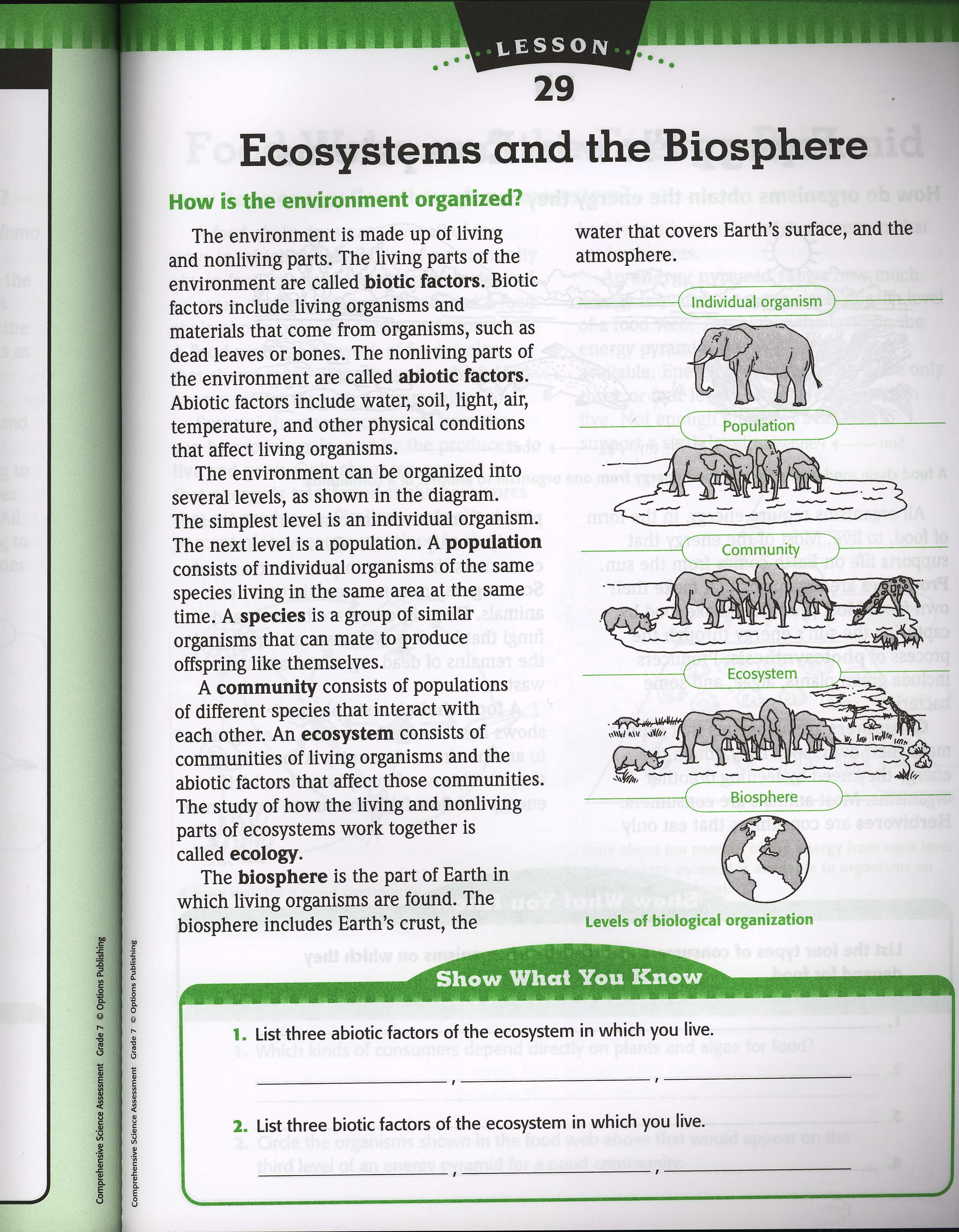
Levels Of Organization Ecology Worksheets
www.housview.com
SOLUTION: Levels Of Ecological Organization – Studypool

www.studypool.com
Levels Of Ecological Organization Worksheet – E-streetlight.com
www.e-streetlight.com
SOLUTION: Levels Of Ecological Organization – Studypool

www.studypool.com
Levels Of Ecological Organization Worksheet – E-streetlight.com
www.e-streetlight.com
Energy Flow In Ecosystems Worksheet Science Biology, Life Science

www.pinterest.pt
Biosphere Levels Of Ecological Organization Worksheet – Printable Word

davida.davivienda.com
Learn About The Levels Of Organization In Biology, Specifically Ecology

www.pinterest.com
Free Levels Of Organization Worksheet, Download Free Levels Of

worksheets.clipart-library.com
Levels Of Ecological Organization Worksheet – Pro Worksheet
www.proworksheet.my.id
Levels Of Ecological Organization Worksheet – Pro Worksheet

www.proworksheet.my.id
Habitat And Niche Practice | Science Lessons, Ecology Unit

worksheets.clipart-library.com
Ecological Levels Of Organization Worksheet At Elias Inman Blog
fyofuzjmm.blob.core.windows.net
Ecological Pyramids Worksheet Answers – Pro Worksheet
www.proworksheet.my.id
Levels Of Ecological Organization Worksheet

ar.inspiredpencil.com
Levels Of Organization Worksheet – Ame.my.id

ame.my.id
Levels Of Organization Worksheet Fresh 9 Best Of Ecosystem Organization
chessmuseum.org
️Levels Of Biological Organization Worksheet Free Download| Gambr.co

gambr.co
30 Levels Of Ecological Organization Worksheet Education Template
www.angleworksheets.com
Levels Of Ecological Organization Worksheet – E-streetlight.com

www.e-streetlight.com
Free levels of organization worksheet, download free levels of …. Levels of organization worksheet – ame.my.id. 30 levels of ecological organization worksheet education template