p>The study of evolution is a cornerstone of modern biology, explaining the diversity and interconnectedness of life on Earth. Understanding the evidence for evolution is crucial for anyone studying biology, from high school students to seasoned researchers. One common way to assess comprehension of this topic is through worksheets that challenge students to analyze and interpret various lines of evidence. Often, these worksheets require students to explain how different types of evidence – such as fossil records, comparative anatomy, embryology, biogeography, and molecular biology – support the theory of evolution. Consequently, students frequently search for “Evidence For Evolution Worksheet Answers” to check their understanding and ensure accuracy. This post aims to provide a comprehensive overview of the evidence for evolution, along with guidance on how to approach such worksheets, and a sample set of answers to help reinforce learning.
Understanding the Evidence for Evolution
Fossil Record
The fossil record provides a chronological sequence of life’s history, showing how organisms have changed over time. Fossils are the preserved remains or traces of ancient organisms found in sedimentary rock layers. By examining the age and characteristics of fossils, scientists can trace the ancestry of modern species and identify transitional forms that link different groups of organisms. For example, the fossil record of horses shows a gradual transition from small, multi-toed creatures to the large, single-toed horses we see today. The order in which fossils appear in the rock layers, with simpler organisms typically found in older layers and more complex organisms in newer layers, supports the idea that life has evolved over vast periods.
Comparative Anatomy
Comparative anatomy involves studying the similarities and differences in the anatomical structures of different species. Homologous structures are structures that have a common evolutionary origin but may have different functions in different species. For instance, the bones in the forelimbs of humans, bats, whales, and birds are homologous, indicating a shared ancestor. Analogous structures, on the other hand, are structures that have similar functions but evolved independently in different lineages due to similar environmental pressures. Examples include the wings of birds and insects. Vestigial structures are remnants of organs or structures that had a function in an ancestral species but are no longer functional or have a reduced function in modern species. Examples include the human appendix, the pelvic bones in whales, and the wings of flightless birds. The presence of homologous, analogous, and vestigial structures all contribute to the evidence supporting common ancestry and evolutionary change.
Embryology
Embryology is the study of the development of embryos. Scientists have observed that embryos of different species often exhibit striking similarities during early stages of development. For example, vertebrate embryos, including fish, amphibians, reptiles, birds, and mammals, all have gill slits and tails at some point in their development, even though these features may disappear or develop into different structures in the adult form. These similarities suggest a common ancestry and that developmental processes have been conserved throughout evolution. The phrase “ontogeny recapitulates phylogeny” (although not entirely accurate) highlights the idea that the development of an individual (ontogeny) can provide clues about the evolutionary history of its species (phylogeny).
Biogeography
Biogeography is the study of the geographic distribution of species. The distribution of species across the globe provides strong evidence for evolution. For example, the unique fauna and flora of islands, such as the Galapagos Islands, are often closely related to species found on the nearest mainland but have evolved distinct characteristics. This suggests that organisms colonize new areas and then evolve in isolation, leading to the formation of new species. The distribution of marsupials in Australia, which are largely absent from other continents, is another example. This pattern indicates that marsupials evolved in isolation after Australia separated from other landmasses.
Molecular Biology
Molecular biology provides some of the most compelling evidence for evolution. All living organisms use DNA and RNA as their genetic material, and the genetic code is nearly universal. By comparing the DNA sequences of different species, scientists can determine their degree of relatedness. Species with more similar DNA sequences are more closely related evolutionarily. For example, studies have shown that humans and chimpanzees share about 98% of their DNA, indicating a recent common ancestor. Furthermore, the presence of pseudogenes (non-functional DNA sequences) that are shared among different species provides evidence of common ancestry. These pseudogenes are essentially “molecular fossils” that have been passed down through generations.
Evidence For Evolution Worksheet Answers: Sample Responses
- Fossil Record: Fossils show a progression of life forms over time, demonstrating transitional species and changes in morphology that support common descent. Older rock layers contain simpler organisms, while newer layers contain more complex organisms.
- Comparative Anatomy (Homologous Structures): The similar bone structures in the limbs of different vertebrates (human, bat, whale, bird) indicate a shared ancestor, despite differences in function.
- Comparative Anatomy (Vestigial Structures): The human appendix, a reduced organ with little or no function, is evidence of our evolutionary past, as it was likely more important in plant-digesting ancestors.
- Embryology: Similarities in the early development of vertebrate embryos, such as the presence of gill slits and tails, suggest a common ancestry.
- Biogeography: The unique species found on islands, such as the Galapagos finches, are related to mainland species but have evolved distinct characteristics due to isolation and adaptation to different environments.
- Molecular Biology: Similarities in DNA sequences between different species indicate evolutionary relationships. Humans and chimpanzees share a high percentage of DNA, indicating a recent common ancestor.
By understanding these key pieces of evidence and how they support the theory of evolution, students can confidently tackle any “Evidence For Evolution Worksheet” and gain a deeper appreciation for the interconnectedness of life on Earth.
If you are searching about Copy of Evidence of Evolution – Assignment: Evidence for – Studocu you’ve visit to the right page. We have 20 Pics about Copy of Evidence of Evolution – Assignment: Evidence for – Studocu like Evidence Of Evolution Worksheet Answers Awesome Evidence for Evolution, POGIL Evidence for Evolution – Evidence for Evolution 1 Evidence and also Evidence Of Evolution Worksheet Answers Awesome Evidence for Evolution. Here you go:
Copy Of Evidence Of Evolution – Assignment: Evidence For – Studocu

worksheets.clipart-library.com
POGIL Evidence For Evolution – Evidence For Evolution 1 Evidence

worksheets.clipart-library.com
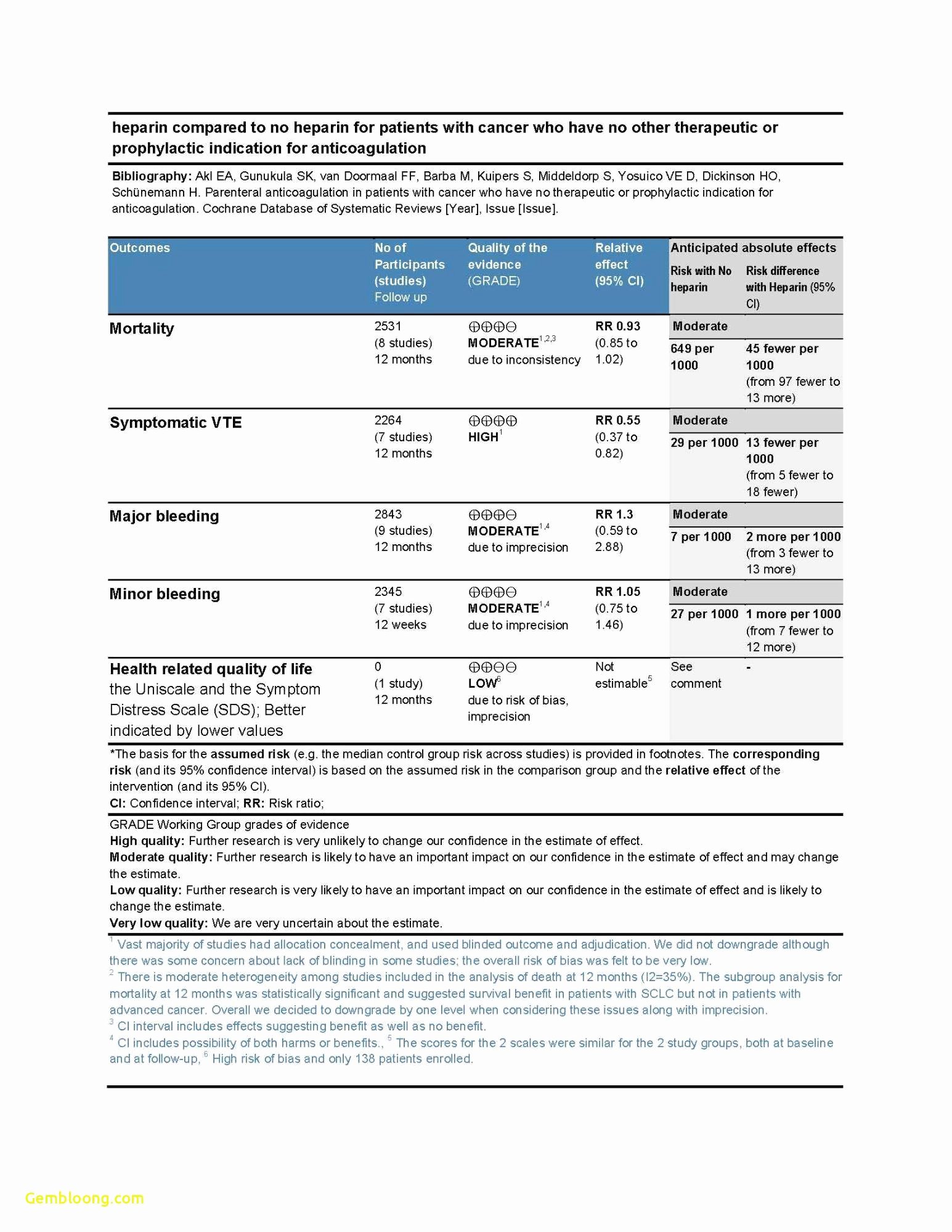
Evidence Of Evolution Worksheet Answers Awesome Evidence For Evolution
chessmuseum.org
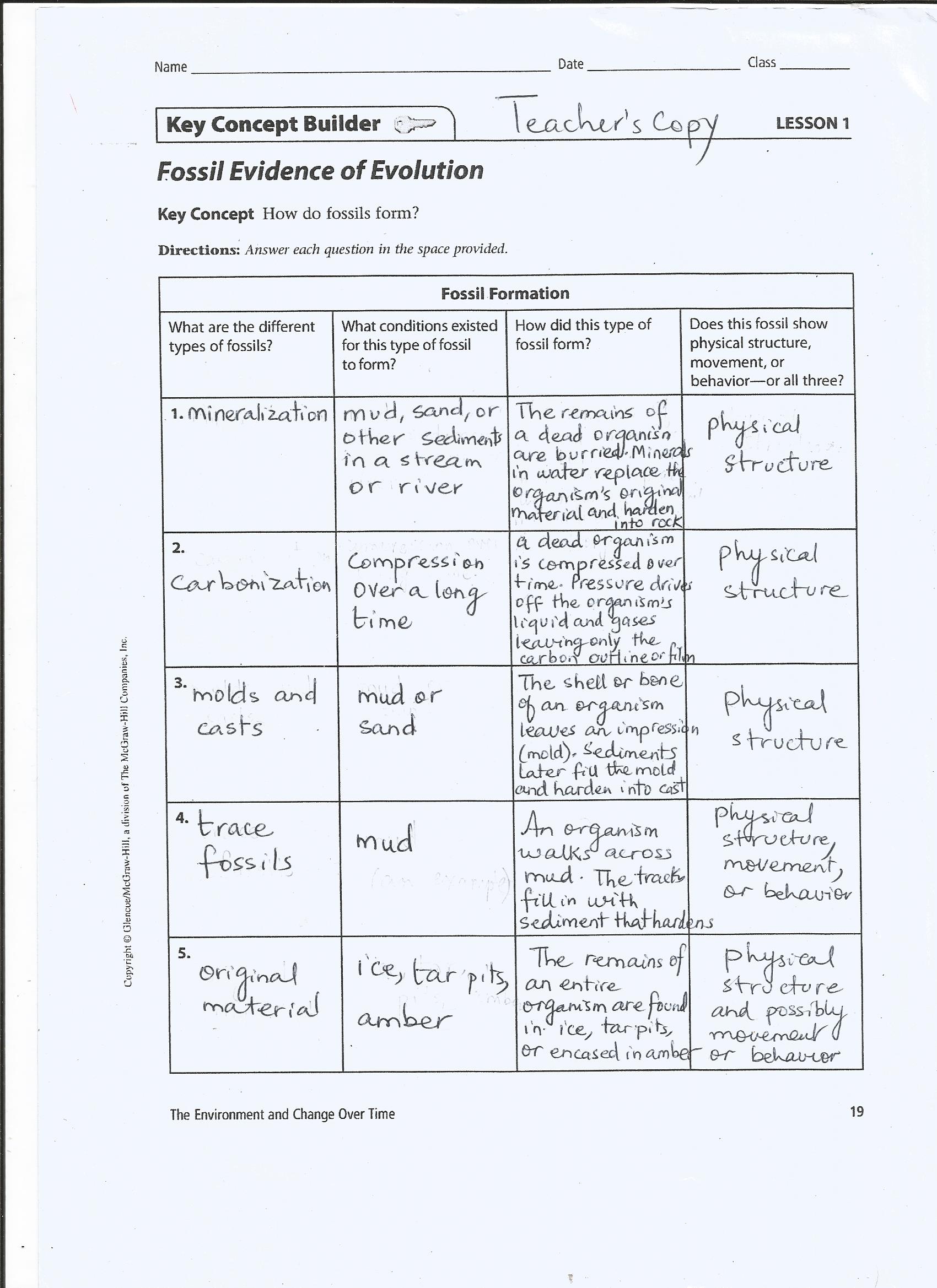
Evidence For Evolution Worksheet Answers – Pro Worksheet
www.proworksheet.my.id
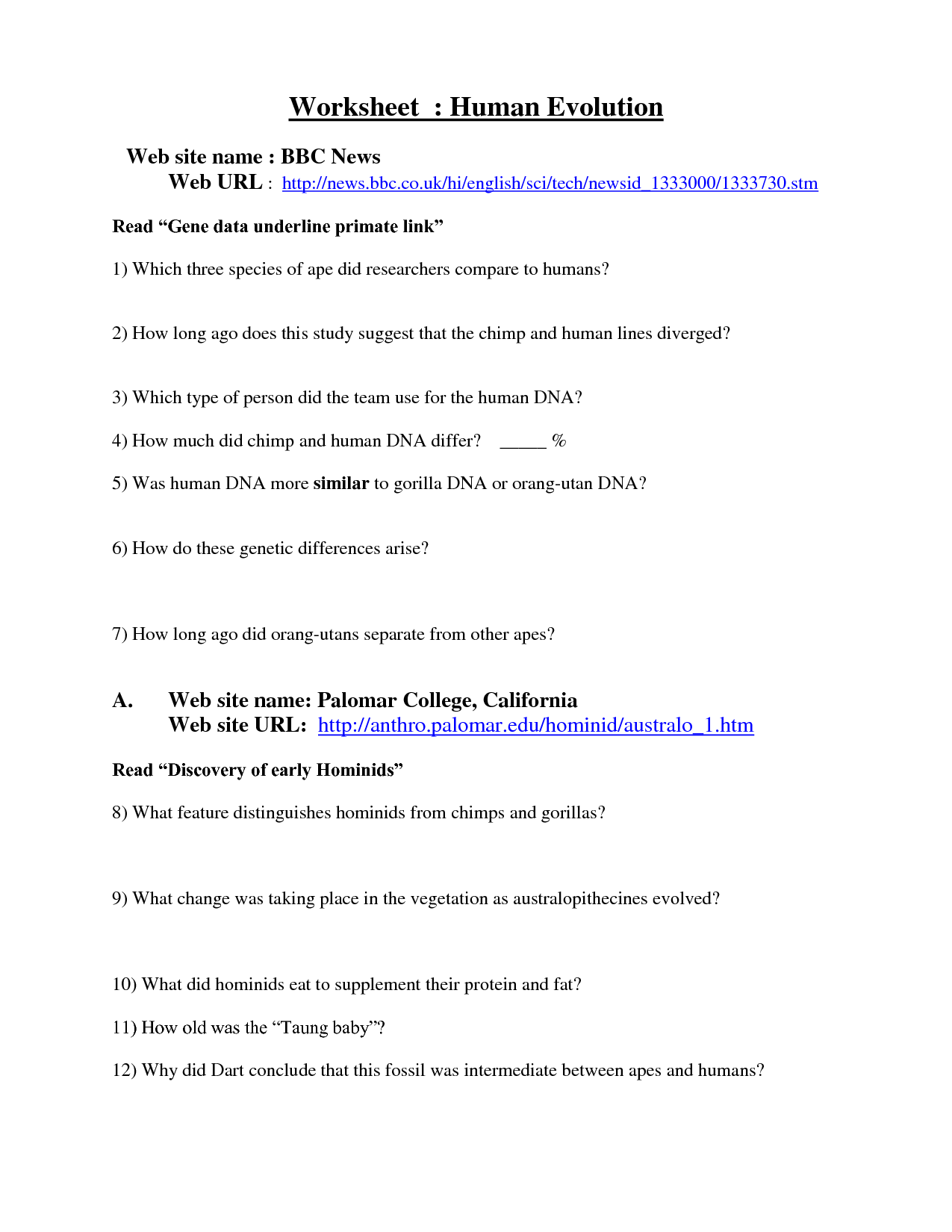
13 Evolution Worksheet With Answer Key / Worksheeto.com
www.worksheeto.com
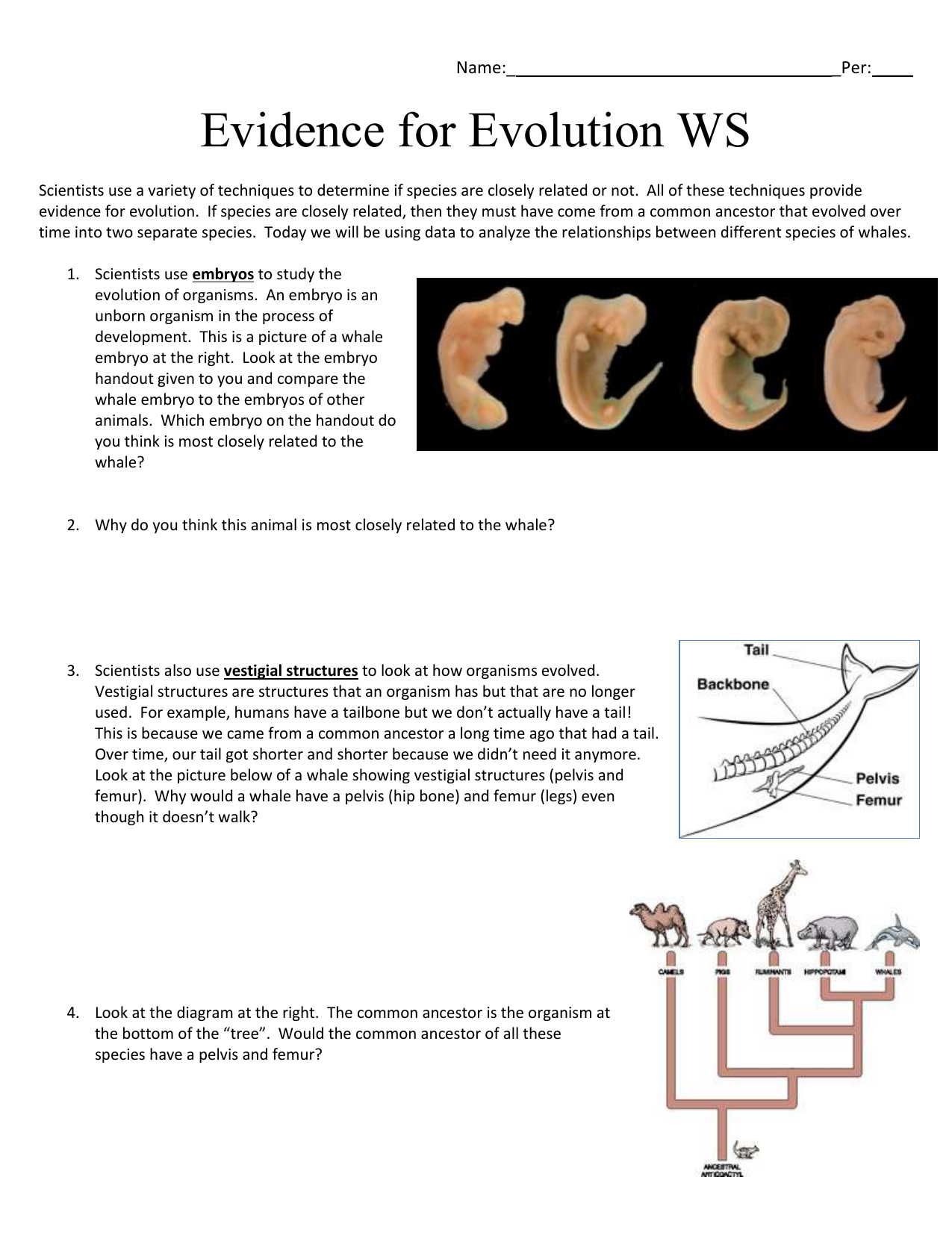
Evidence For Evolution Worksheet Answers – E-streetlight.com
www.e-streetlight.com
Biochemical Evidence For Evolution Worksheet Answers – Printable Word

davida.davivienda.com
Vocabulary–Theory Of Evolution Worksheet – WordMint – Worksheets Library

worksheets.clipart-library.com
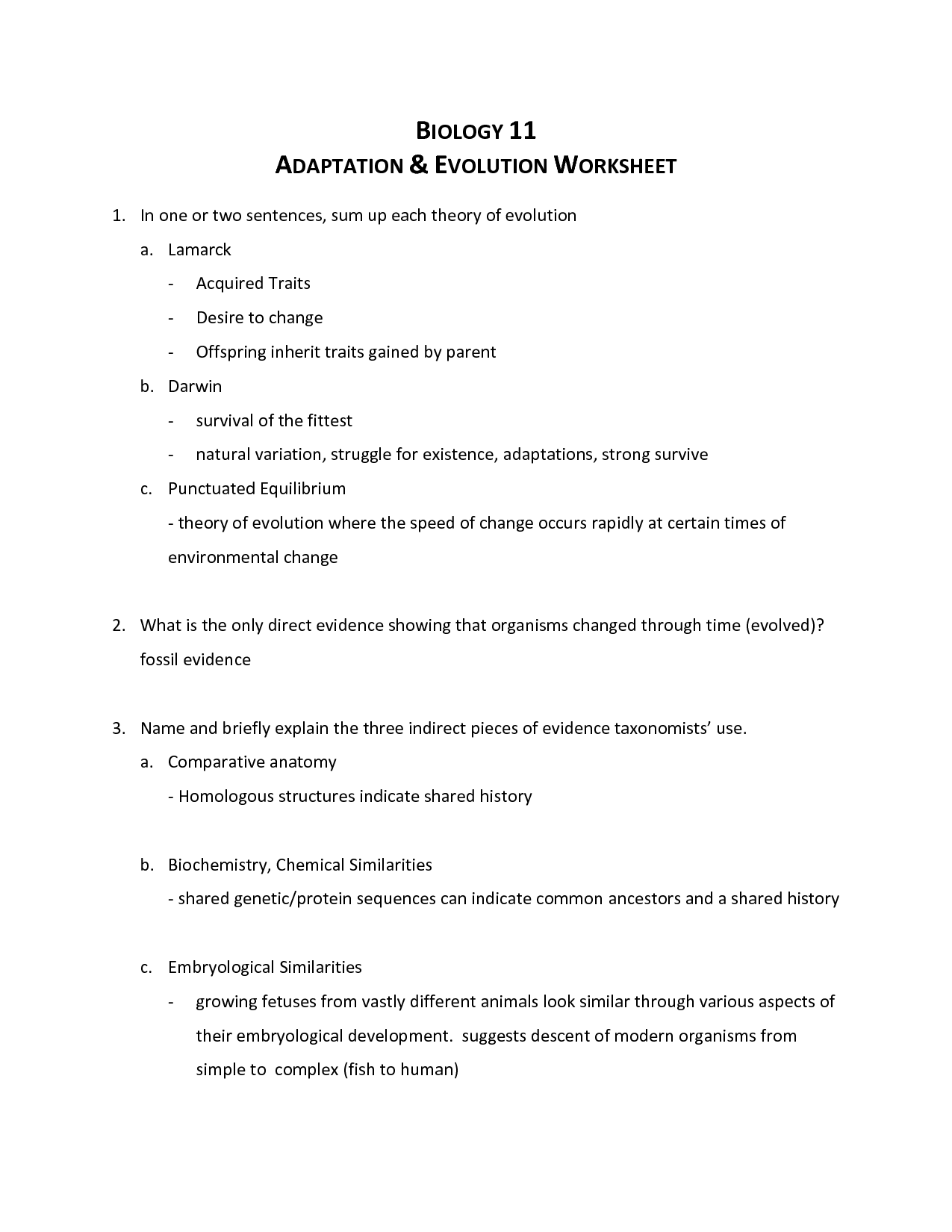
12 Evidence Of Evolution Worksheet Answer Key – Free PDF At Worksheeto.com
www.worksheeto.com
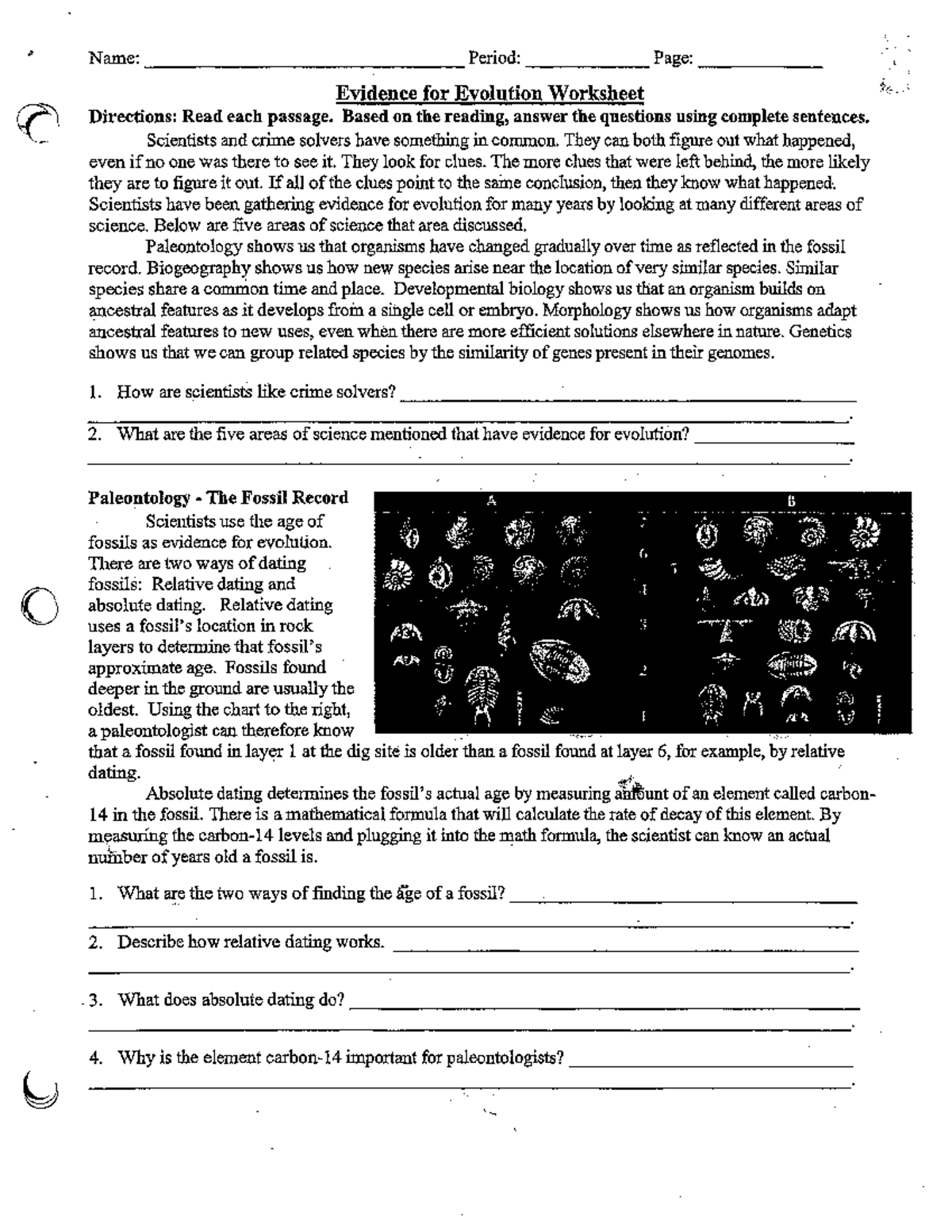
Evidence For Evolution Worksheet – Studocu
www.studocu.com
Evolution And Classification. High School Biology Worksheets And
worksheets.clipart-library.com
Answer Key Evidence Of Evolution Worksheet Answers – Printable Word

davida.davivienda.com
Evidence Of Evolution Worksheet | Worksheetzone – Worksheets Library

worksheets.clipart-library.com
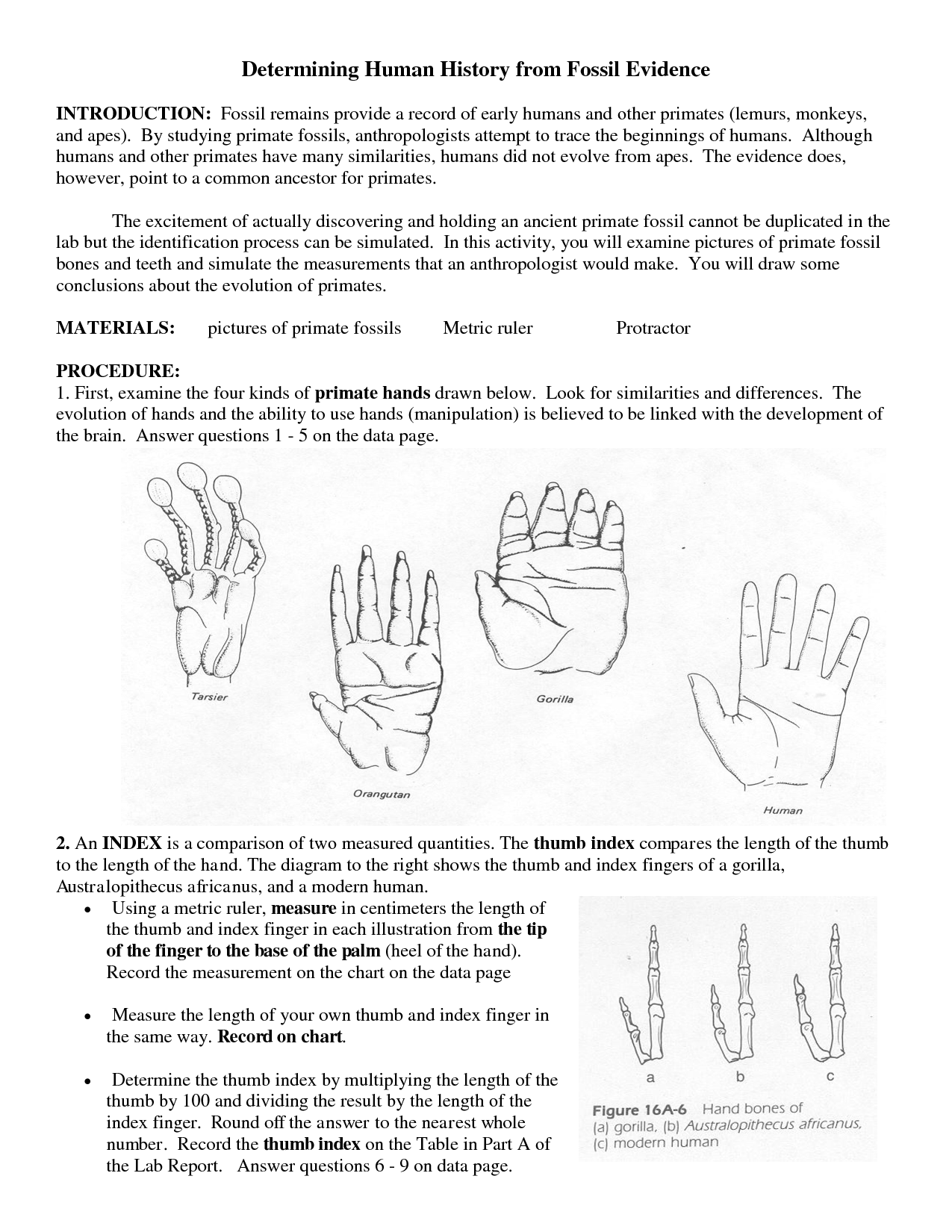
15 Section 1 Reinforcement Fossils Worksheet – Free PDF At Worksheeto.com
www.worksheeto.com
Evidence Of Evolution Home Learning Worksheet GCSE – Rocketsheets

worksheets.clipart-library.com
50 Evidence Of Evolution Worksheet Answers | Chessmuseum Template

ar.pinterest.com
Evidence For Evolution Worksheet – E-streetlight.com
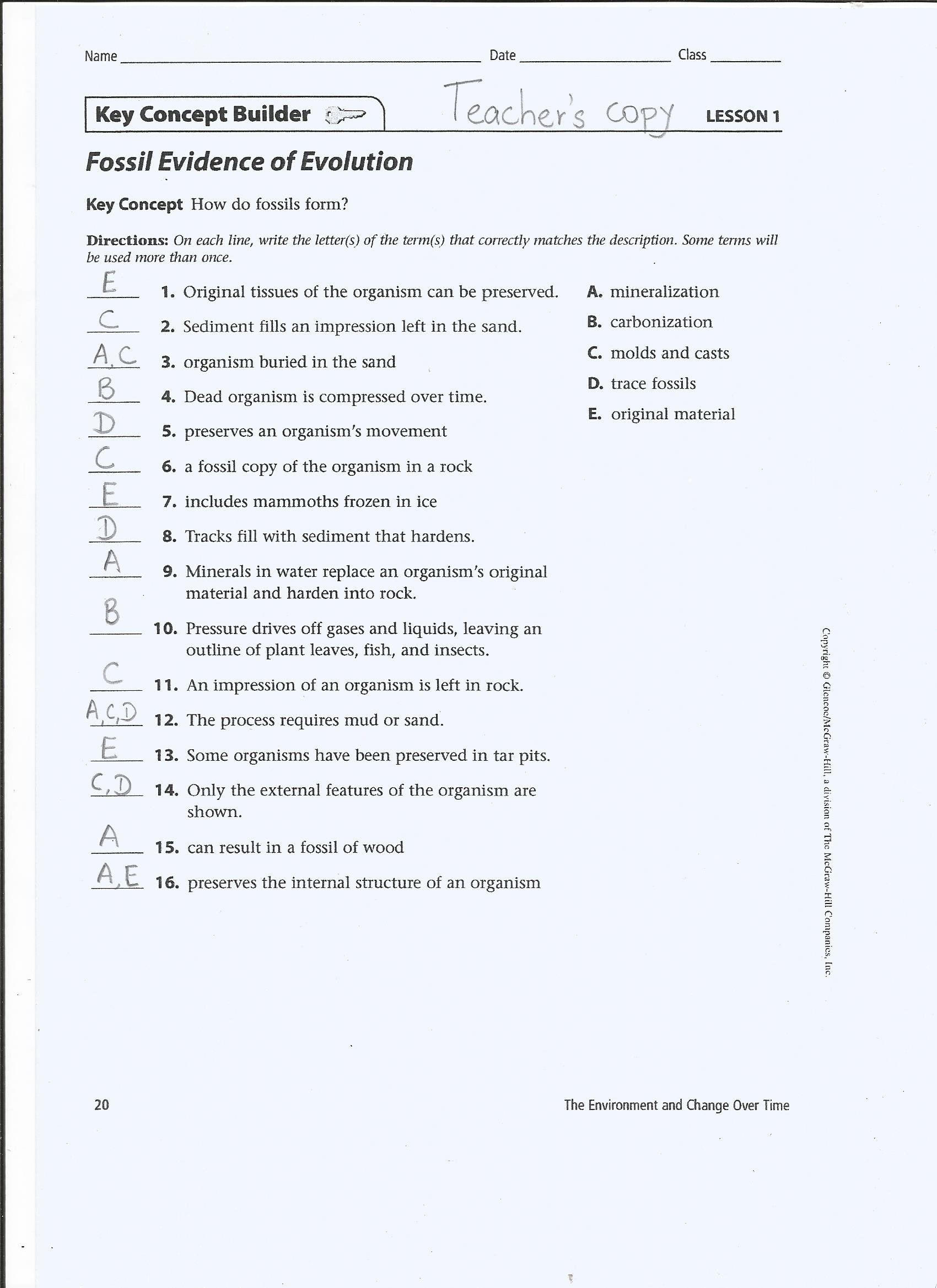
www.e-streetlight.com
Evidence Of Evolution Worksheet Answers – Pro Worksheet
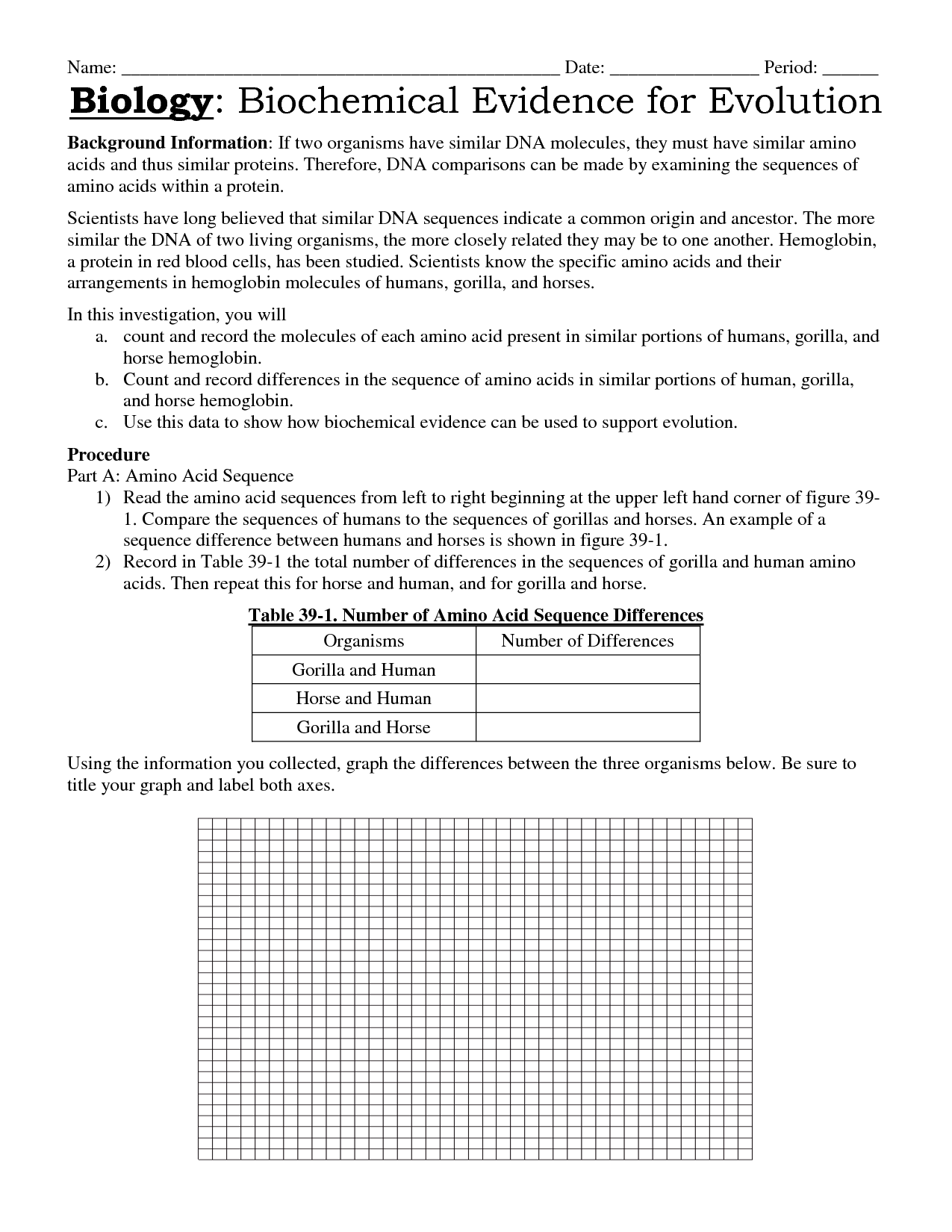
www.proworksheet.my.id
Evidence Of Evolution Worksheet – Artofit

www.artofit.org
Evidence Of Evolution Worksheet | Worksheetzone – Worksheets Library

worksheets.clipart-library.com
Evolution and classification. high school biology worksheets and. 50 evidence of evolution worksheet answers. Evidence of evolution worksheet – artofit