Understanding global wind patterns is fundamental to grasping how our planet’s weather systems operate. These patterns aren’t random gusts; they’re predictable, large-scale movements of air driven by a complex interplay of factors, primarily solar radiation and the Earth’s rotation. By studying these patterns, we can better understand climate, ocean currents, and even the distribution of pollutants across the globe.
This worksheet is designed to test your knowledge of the key concepts related to global wind patterns. It covers topics like the influence of the Coriolis effect, the formation of major wind belts, and the relationship between pressure gradients and wind direction. Working through the exercises will solidify your understanding of these crucial meteorological principles.
Before diving into the worksheet, consider this: global wind patterns are the engines that drive much of the Earth’s climate system. They influence rainfall distribution, temperature variations, and even the movement of ships across the oceans. Understanding them is critical for anyone interested in geography, environmental science, or even just understanding the weather forecast!
After completing the worksheet, take a look at the answers provided below to assess your understanding. Good luck!
Global Wind Patterns Worksheet Answers
Here are the answers to the Global Wind Patterns worksheet. Remember to compare your answers carefully and review any areas where you struggled.
Section 1: Key Concepts
- Question 1: What is the primary driving force behind global wind patterns?
- Answer: Uneven heating of the Earth’s surface by solar radiation.
- Question 2: Define the Coriolis effect and explain its influence on wind direction in the Northern and Southern Hemispheres.
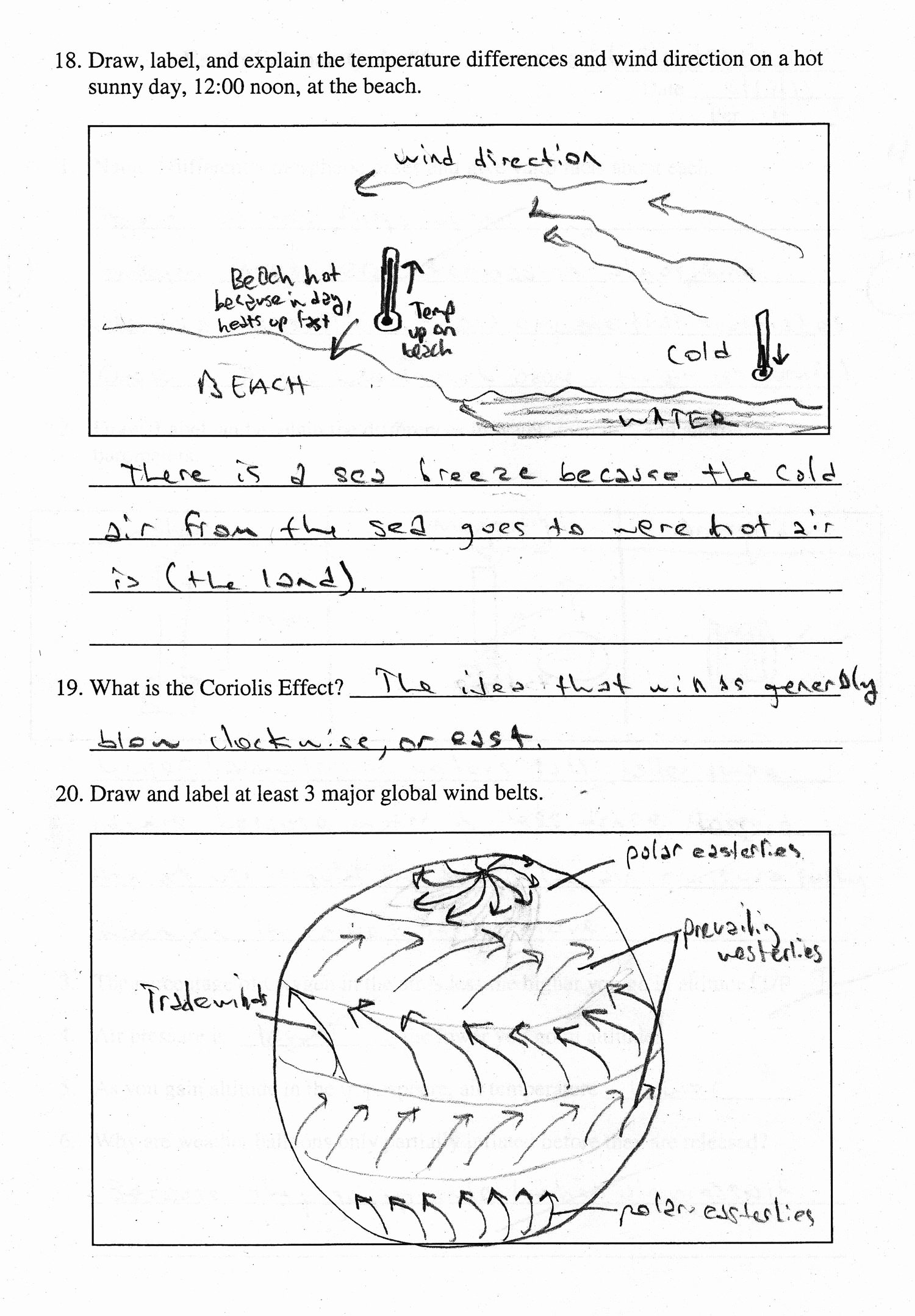
- Answer: The Coriolis effect is the deflection of moving objects (like wind) due to the Earth’s rotation. In the Northern Hemisphere, winds are deflected to the right, while in the Southern Hemisphere, they are deflected to the left.
- Question 3: Explain the relationship between pressure gradients and wind.
- Answer: Wind flows from areas of high pressure to areas of low pressure. The steeper the pressure gradient (the difference in pressure over a given distance), the stronger the wind.
Section 2: Major Wind Belts
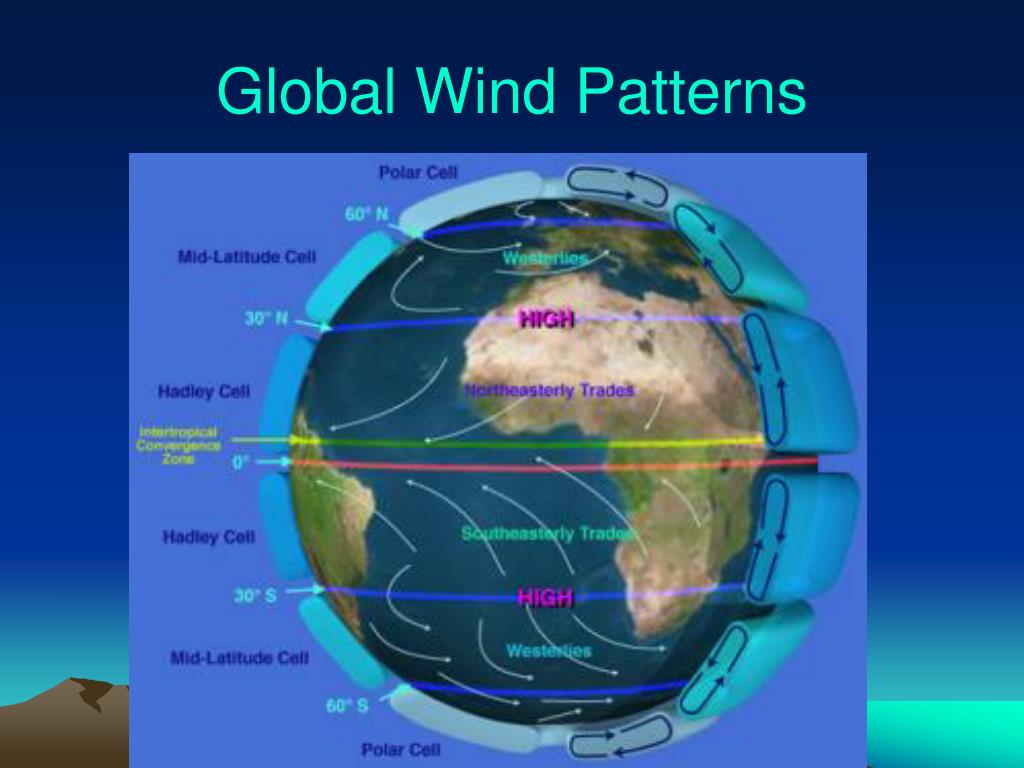
- Question 4: Name and describe the location of the three major wind belts in each hemisphere.
- Answer:
- Northern Hemisphere:
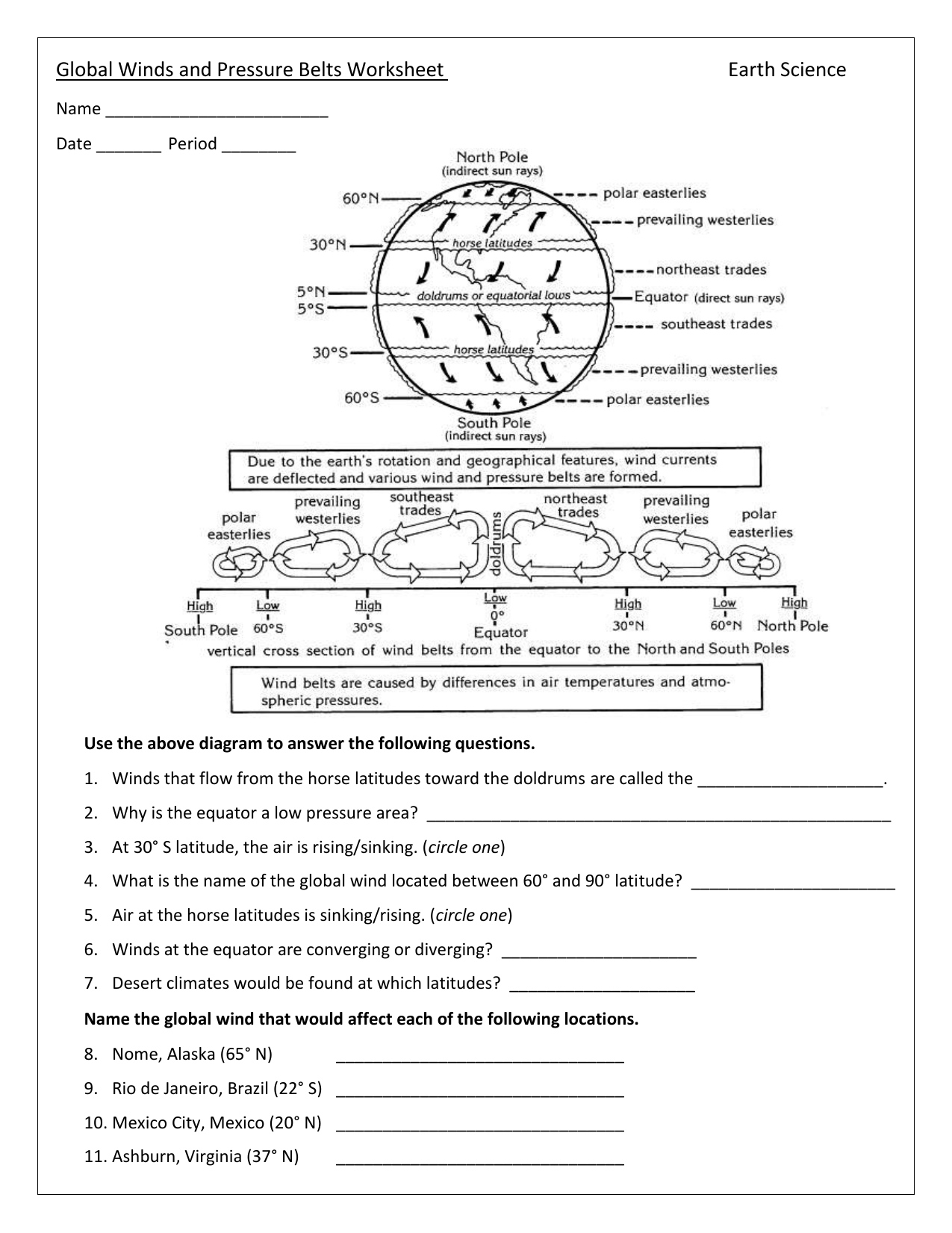
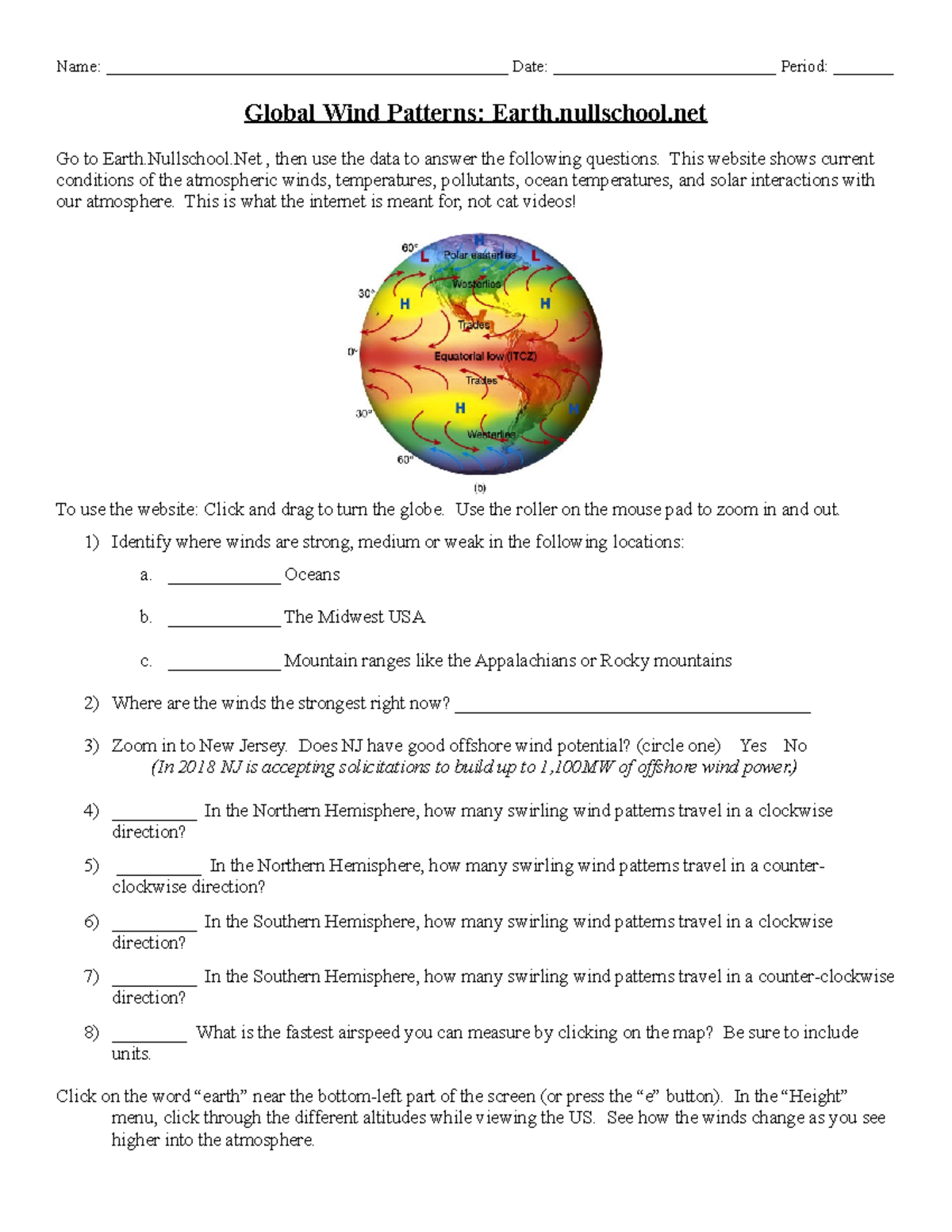
- Trade Winds (Northeast Trade Winds): 0-30°N
- Westerlies: 30-60°N
- Polar Easterlies: 60-90°N
- Southern Hemisphere:
- Trade Winds (Southeast Trade Winds): 0-30°S
- Westerlies: 30-60°S
- Polar Easterlies: 60-90°S
- Northern Hemisphere:
- Question 5: What are the Doldrums (ITCZ)? Where are they located and what are their characteristics?
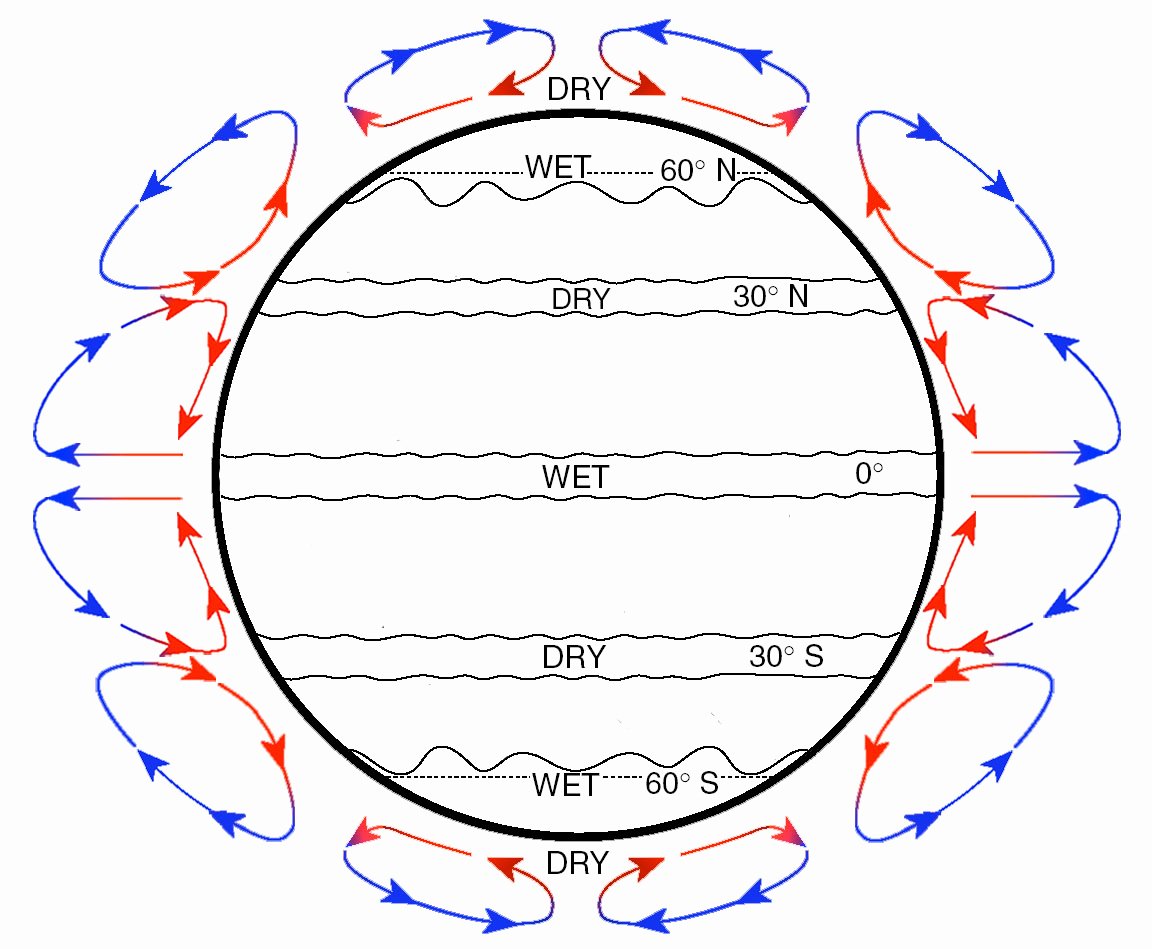
- Answer: The Doldrums, also known as the Intertropical Convergence Zone (ITCZ), is a region near the equator (approximately 0-5° latitude) where the trade winds converge. It is characterized by low pressure, rising air, calm or light winds, and frequent thunderstorms.
- Question 6: What are the Horse Latitudes? Where are they located and what are their characteristics?
- Answer: The Horse Latitudes are regions located around 30°N and 30°S latitude. They are characterized by high pressure, descending air, calm winds, and clear skies. Historically, sailors would sometimes throw horses overboard in these areas due to lack of wind and dwindling supplies.
Section 3: Effects and Applications
- Question 7: How do global wind patterns influence ocean currents?
- Answer: Surface ocean currents are largely driven by global wind patterns. For example, the trade winds drive westward-flowing currents near the equator, while the westerlies drive eastward-flowing currents at higher latitudes. The wind literally pushes the water.
- Question 8: Explain how global wind patterns affect the distribution of precipitation around the world.
- Answer: Ascending air, associated with low pressure areas like the ITCZ, leads to cloud formation and precipitation. Descending air, associated with high pressure areas like the Horse Latitudes, leads to clear skies and dry conditions. The consistent nature of the wind belts helps create predictable precipitation patterns in certain regions.
- Question 9: Describe how understanding global wind patterns can be useful in navigation and transportation.
- Answer: Historically, sailors relied heavily on global wind patterns to navigate the oceans. Knowing the prevailing winds in a particular region allowed them to choose the best routes for sailing ships. Even today, understanding wind patterns is important for air travel, as airlines can take advantage of jet streams and other wind patterns to save fuel and reduce flight times. Furthermore, understanding wind patterns helps predict the movement of pollutants, volcanic ash, and other airborne particles.
Hopefully, this worksheet and answer key have provided a clearer understanding of the fundamental principles governing global wind patterns. Remember to keep exploring and learning about the dynamic forces that shape our planet’s weather and climate!
If you are searching about Global Wind Patterns 4 – Work – Global Wind Patterns Name: – Studocu you’ve came to the right place. We have 20 Pics about Global Wind Patterns 4 – Work – Global Wind Patterns Name: – Studocu like Global Wind Patterns Worksheet Lovely Worksheet Global Wind Patterns, Global Wind Patterns 4 – Work – Global Wind Patterns Name: – Studocu and also Global History The Beginning Worksheet Answers – Printable Word Searches. Here it is:
Global Wind Patterns 4 – Work – Global Wind Patterns Name: – Studocu

worksheets.clipart-library.com
Global Wind Patterns Explained

printableniggie313l2.z22.web.core.windows.net
Global Wind Patterns Worksheet – Owhentheyanks.com
www.owhentheyanks.com
Global Wind Patterns – Name
www.studocu.com
Global Wind Patterns Worksheet Lovely Worksheet Global Wind Patterns
chessmuseum.org
25 – Global Wind Patterns Worksheet – N AME : – Studocu

www.studocu.com
Decoding The Enigma: Unraveling The Global Wind Patterns Worksheet

tomdunnacademy.org
Global History The Beginning Worksheet Answers – Printable Word Searches

davida.davivienda.com
Aesops Fables: The Wind And The Sun Printables – Simple Living

worksheets.clipart-library.com
Pattern Worksheets | Guruparents – Worksheets Library

worksheets.clipart-library.com
Global Wind Patterns Worksheet Beautiful Worksheets Global Wind
chessmuseum.org
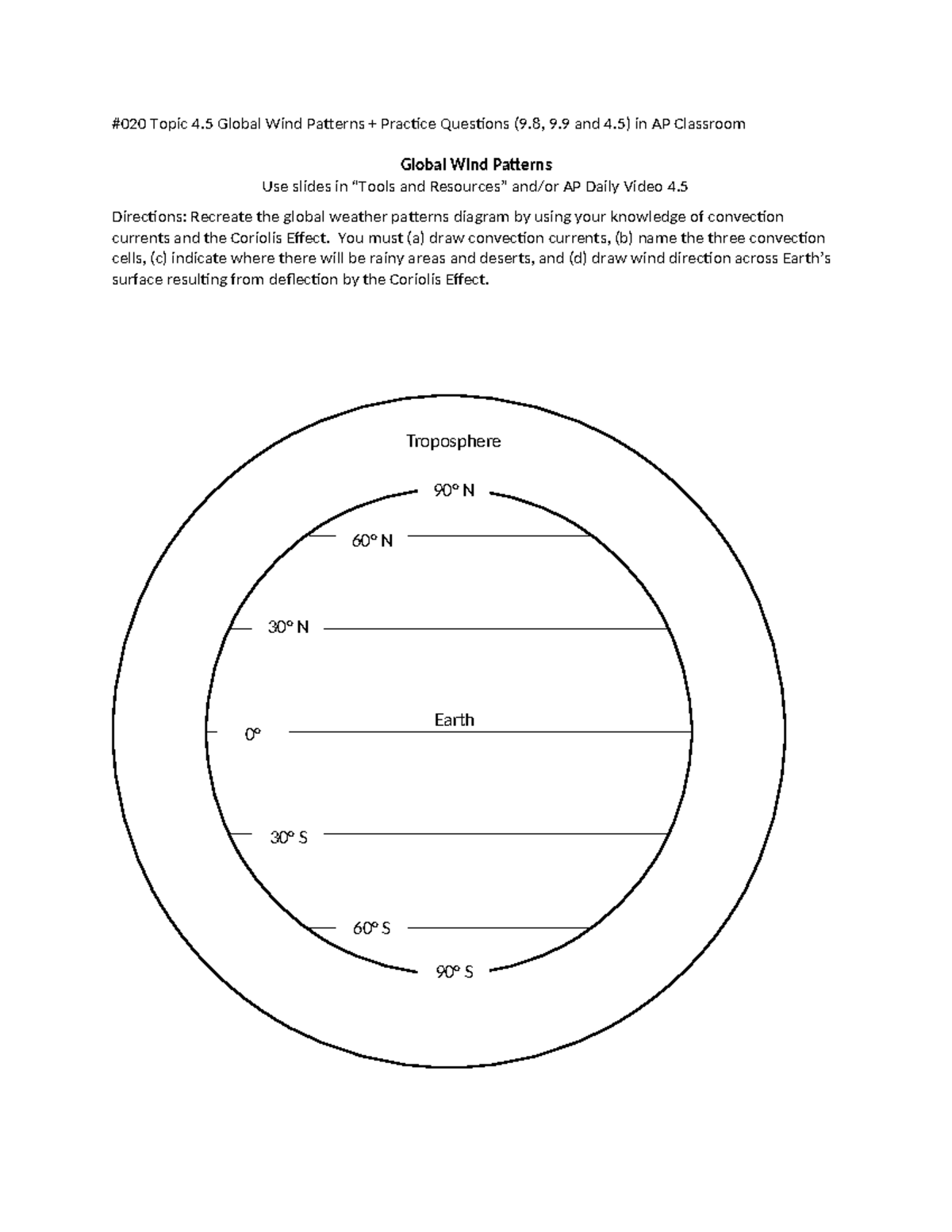
020 Global Wind Patterns Topic 4 – #020 Topic 4 Global Wind Patterns
www.studocu.com
Global Warming And Climate Change – Worksheet | Printable And Distance

www.madebyteachers.com
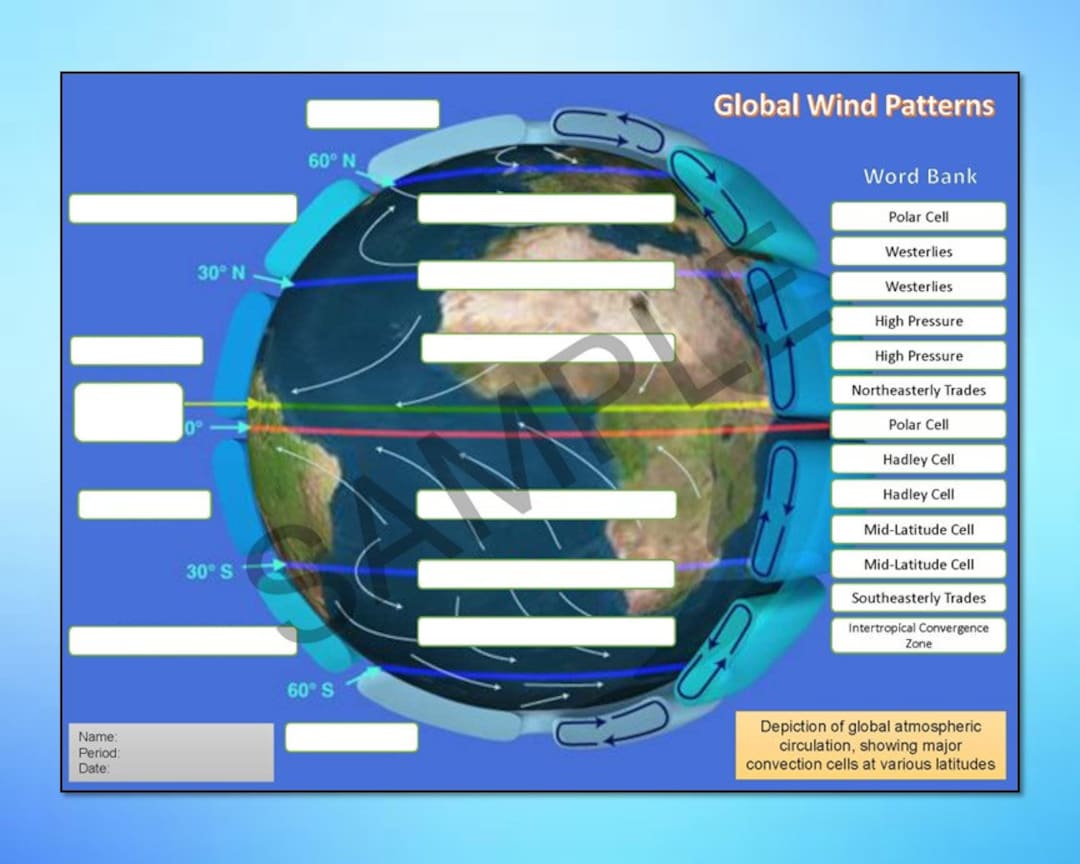
Global Wind Patterns Labeling Worksheet & Vocabulary Matching
www.etsy.com
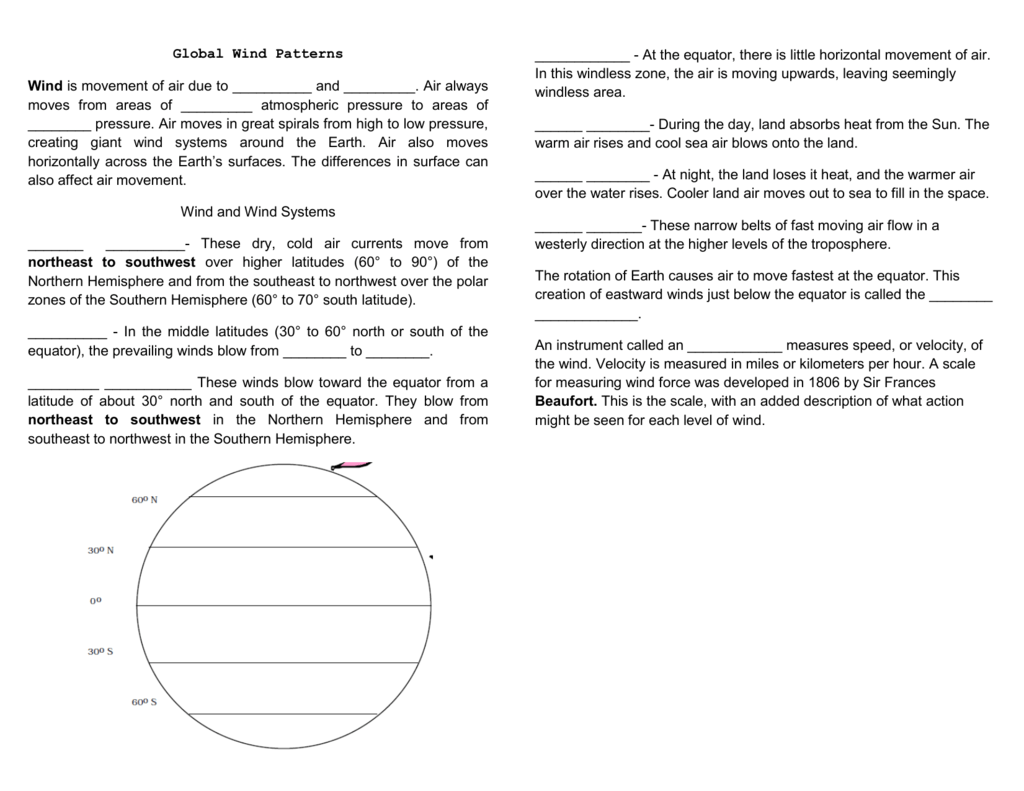
Global Wind Patterns Worksheet – Educational Worksheet
educational-worksheet.blogspot.com
Global Wind Patterns Worksheet Luxury Quiz & Worksheet Larry P V Riles

chessmuseum.org
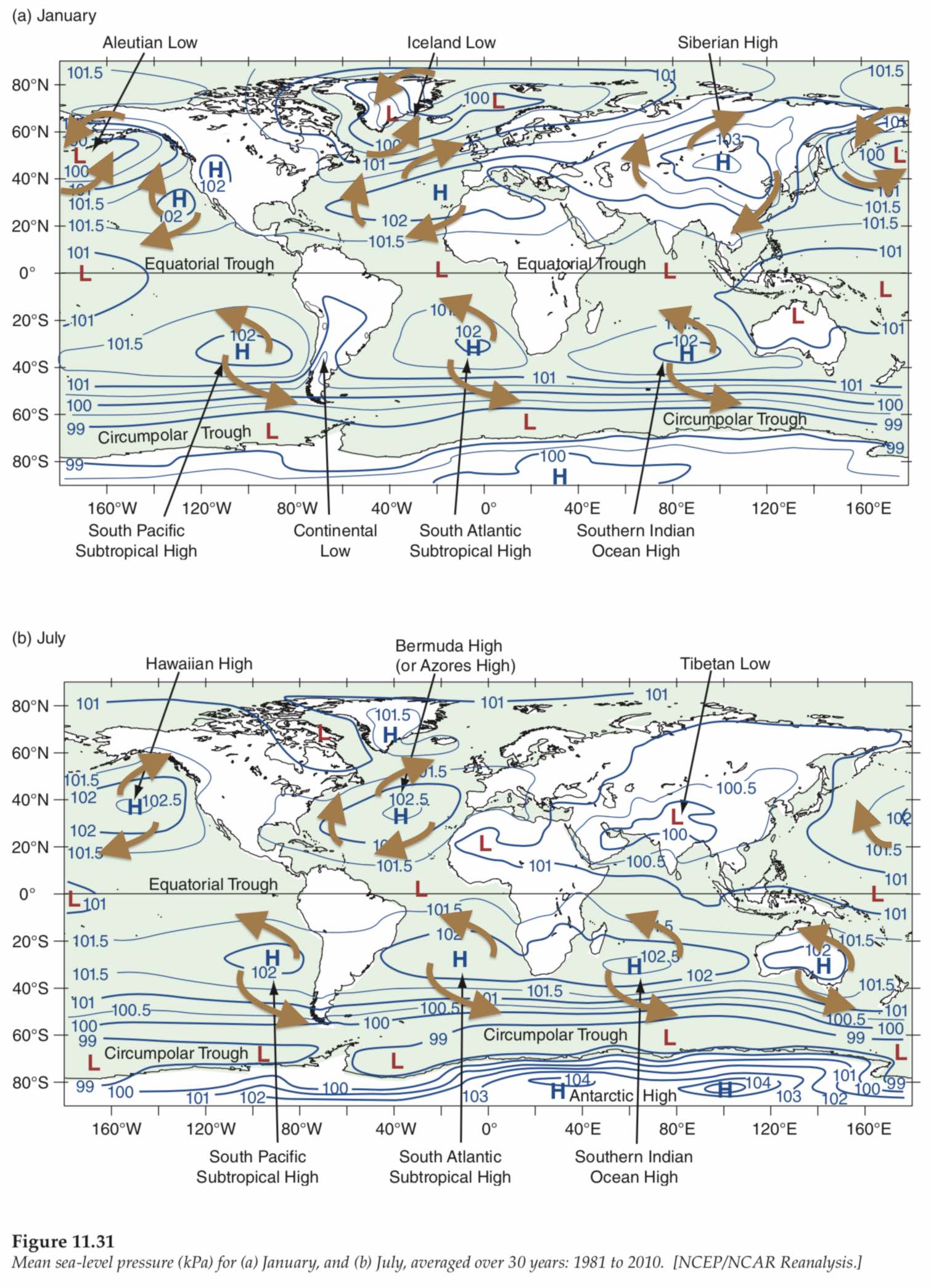
41 Global Wind Patterns Worksheet – Worksheet Master
pj-land.blogspot.com
PPT – Global Wind Patterns PowerPoint Presentation, Free Download – ID
www.slideserve.com
Map Of Global Wind Patterns

lieuxd58lessonlearning.z14.web.core.windows.net
Global Wind Patterns Worksheet | Pattern Worksheet, Worksheets

www.pinterest.com
global wind patterns worksheet. Global wind patterns worksheet. Map of global wind patterns