Understanding the intricate web of life requires grasping the difference between abiotic and biotic factors. These two types of components work together to shape ecosystems, influencing everything from species distribution to overall ecosystem health. Many students struggle to differentiate between them, making it crucial to have engaging and effective learning resources. That’s where a well-designed Abiotic and Biotic Factors Worksheet comes into play. This post will delve into the importance of such a worksheet, providing insights into how it aids learning and then offering a detailed answer key to a sample worksheet. This comprehensive approach ensures students not only understand the concepts but can also confidently apply them.
Understanding Ecosystem Components: Abiotic and Biotic Factors
Ecosystems are more than just a collection of living things. They are complex systems comprised of living (biotic) and non-living (abiotic) components interacting in a dynamic environment. Biotic factors encompass all living organisms within an ecosystem, including plants, animals, fungi, bacteria, and even microorganisms. These organisms interact through feeding relationships, competition, and symbiotic relationships.
On the other hand, abiotic factors are the non-living physical and chemical components of an ecosystem. These include things like sunlight, water, temperature, soil composition, air, and nutrients. Abiotic factors directly influence the survival, growth, and reproduction of biotic factors. For example, a plant’s ability to thrive depends on the availability of sunlight, water, and nutrients in the soil. Similarly, an animal’s habitat choice is influenced by temperature, availability of water, and the presence of suitable shelter.
Differentiating between biotic and abiotic factors is fundamental to comprehending ecological relationships and how ecosystems function. A worksheet can be an invaluable tool in reinforcing this understanding, presenting scenarios and requiring students to identify which factors are biotic or abiotic and explaining their influence.
Why Use an Abiotic and Biotic Factors Worksheet?
Using a worksheet dedicated to abiotic and biotic factors offers several advantages for students. First, it provides a structured and focused learning experience. By presenting specific examples and scenarios, the worksheet forces students to actively think about the characteristics of each factor. This active engagement promotes deeper learning compared to simply reading about the concepts in a textbook.
Second, a worksheet allows for immediate assessment of comprehension. Students can test their understanding by categorizing factors and explaining their roles in the ecosystem. Teachers can then easily identify areas where students might be struggling and provide targeted support.
Third, worksheets can be easily adapted to suit different learning styles and educational levels. Worksheets can be tailored with varying complexities, from simple identification tasks to more complex analyses of ecosystem interactions. For younger students, the worksheet may involve picture matching or filling in the blanks, while older students might analyze case studies or design experiments to test the impact of different factors.
Finally, worksheets provide a tangible and easily accessible reference for students to review and revisit. They act as a self-contained learning tool that reinforces the key concepts and provides a foundation for more advanced studies in ecology.
Abiotic and Biotic Factors Worksheet Answer Key
Here’s a sample worksheet scenario and answer key to demonstrate how such a worksheet can be structured and assessed:
Scenario: Imagine a forest ecosystem. Below is a list of items found in this forest. Identify each item as either a biotic or abiotic factor. Explain how each factor impacts the ecosystem.
- Sunlight
- Deer
- Water
- Soil
- Mushrooms
- Temperature
- Air
- Trees
- Rocks
- Bacteria
Answer Key (HTML List):
-
Factor: Sunlight
Type: Abiotic
Impact: Provides energy for photosynthesis, allowing trees and other plants to produce food and oxygen. Influences temperature and humidity, affecting habitat suitability for different organisms. -
Factor: Deer
Type: Biotic
Impact: Herbivores that consume plants, influencing plant populations. Serve as prey for predators, maintaining balance in the food web. Their grazing affects vegetation structure and diversity. -
Factor: Water
Type: Abiotic
Impact: Essential for all life processes, including photosynthesis, respiration, and nutrient transport. Determines the types of plants and animals that can survive in the ecosystem. -
Factor: Soil
Type: Abiotic
Impact: Provides support and nutrients for plants. Contains minerals and organic matter that influence plant growth. Soil composition affects water drainage and aeration, impacting root health. -
Factor: Mushrooms
Type: Biotic
Impact: Decomposers that break down dead organic matter, recycling nutrients back into the soil. Form symbiotic relationships with plant roots, enhancing nutrient uptake. -
Factor: Temperature
Type: Abiotic
Impact: Affects metabolic rates of organisms and influences their distribution. Extreme temperatures can limit survival and reproduction. -
Factor: Air
Type: Abiotic
Impact: Provides oxygen for respiration and carbon dioxide for photosynthesis. Wind affects seed dispersal and pollination. Air quality impacts plant and animal health. -
Factor: Trees
Type: Biotic
Impact: Provide habitat and food for numerous organisms. Produce oxygen and absorb carbon dioxide, influencing atmospheric composition. Roots stabilize soil and prevent erosion. -
Factor: Rocks
Type: Abiotic
Impact: Influence soil formation and provide shelter for some organisms. Affect water drainage patterns and create microclimates. -
Factor: Bacteria
Type: Biotic
Impact: Decomposers that break down organic matter and recycle nutrients. Nitrogen-fixing bacteria convert atmospheric nitrogen into usable forms for plants. Some bacteria cause diseases.
This detailed answer key allows students to not only check their answers but also to understand the rationale behind each classification and the impact of each factor. It serves as a valuable learning tool for reinforcing understanding of abiotic and biotic factors within an ecosystem.
If you are searching about Abiotic and Biotic Factors Worksheet Lovely Quiz & Worksheet Desert you’ve came to the right place. We have 20 Pics about Abiotic and Biotic Factors Worksheet Lovely Quiz & Worksheet Desert like Abiotic and Biotic Factors Worksheet Lovely Quiz & Worksheet Desert, 31 Components Of An Ecosystem Worksheet Answers Support Worksheet and also Biotic And Abiotic Worksheet. Here it is:
Abiotic And Biotic Factors Worksheet Lovely Quiz & Worksheet Desert
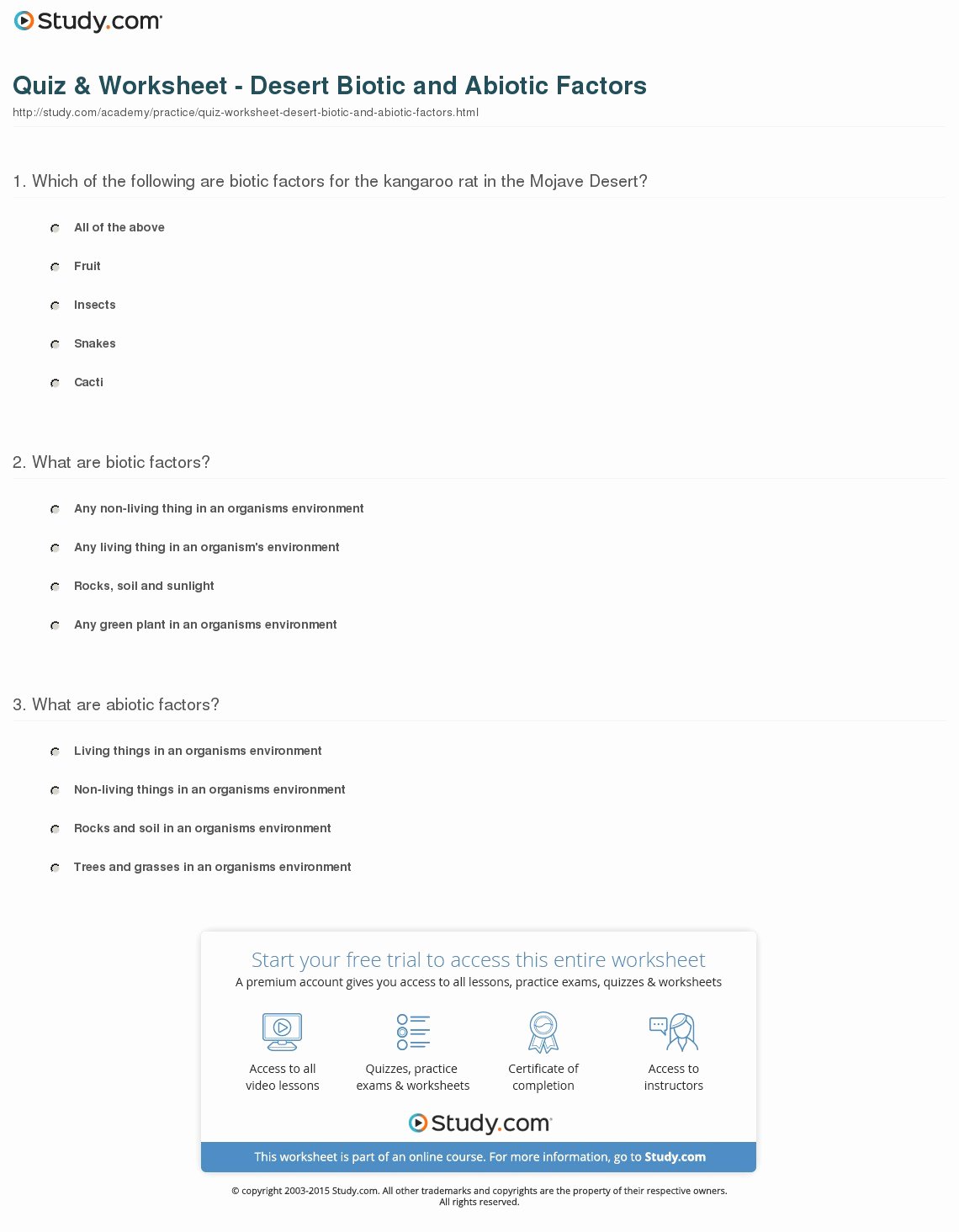
chessmuseum.org
31 Components Of An Ecosystem Worksheet Answers Support Worksheet
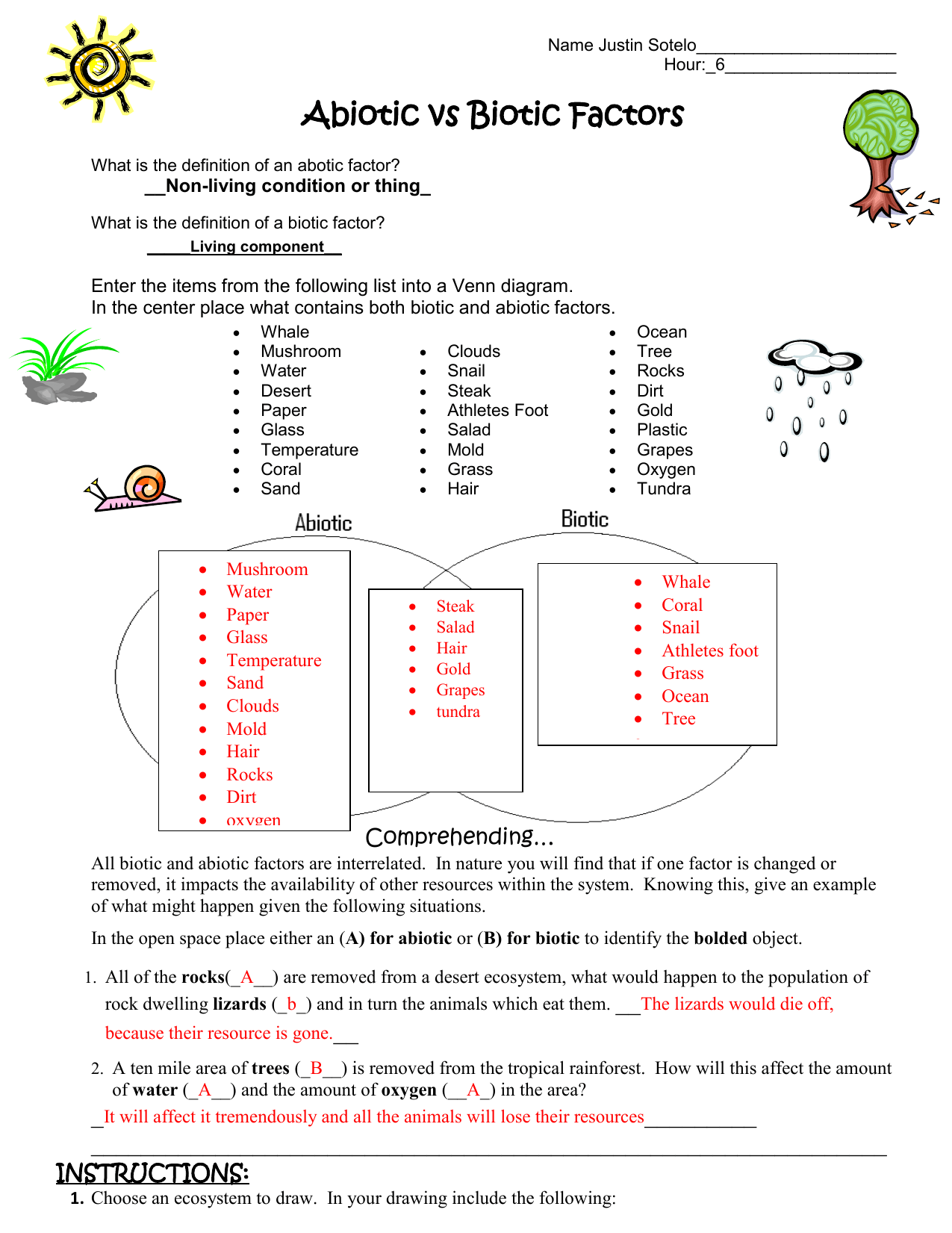
www.factorworksheets.com
Biotic Factors Vs Abiotic Factors Worksheet Storyboard – Worksheets Library

worksheets.clipart-library.com
6th Grade Biotic And Abiotic Factors Worksheet – FactorWorksheets.com
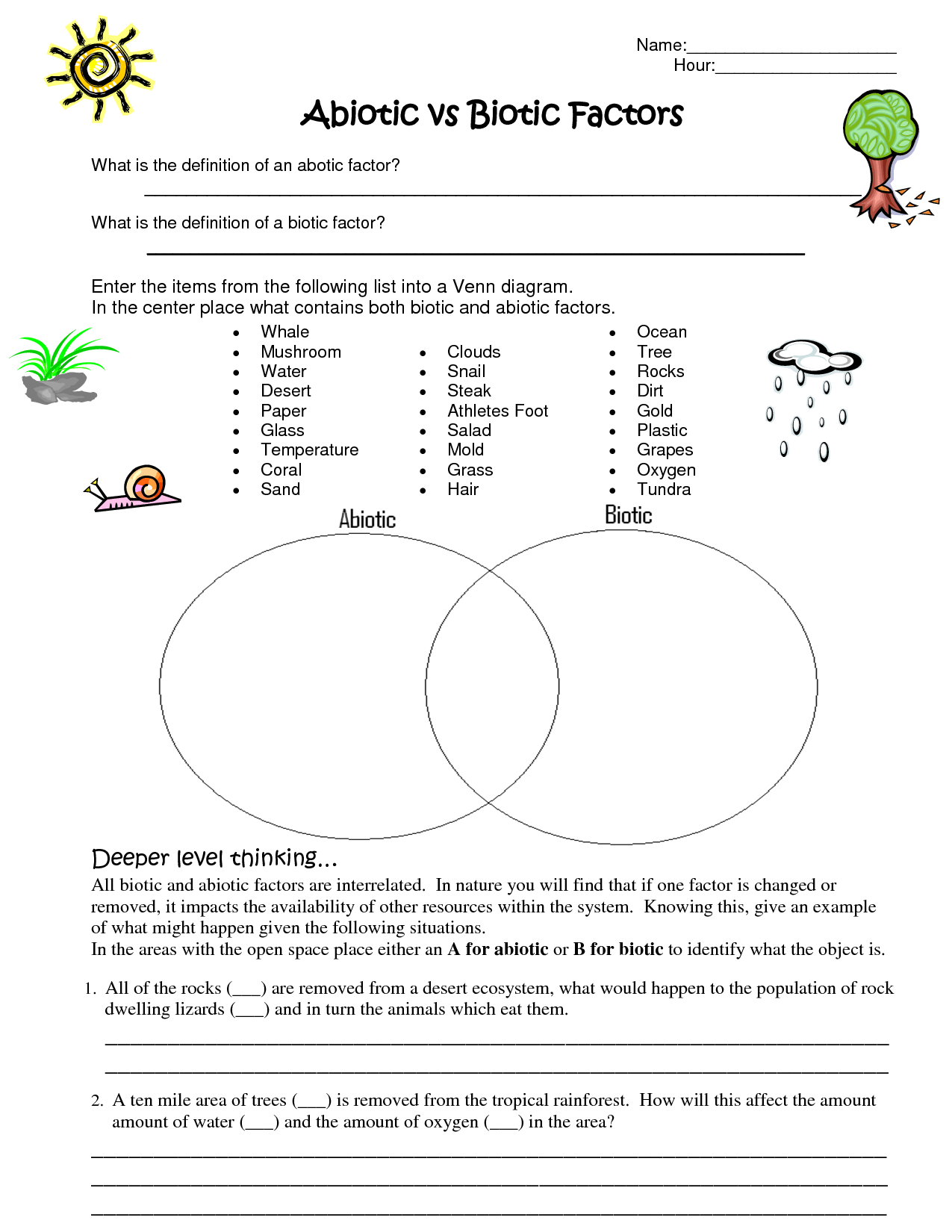
www.factorworksheets.com
Biotic And Abiotic Factors Home Learning Worksheet GCSE – Rocketsheets
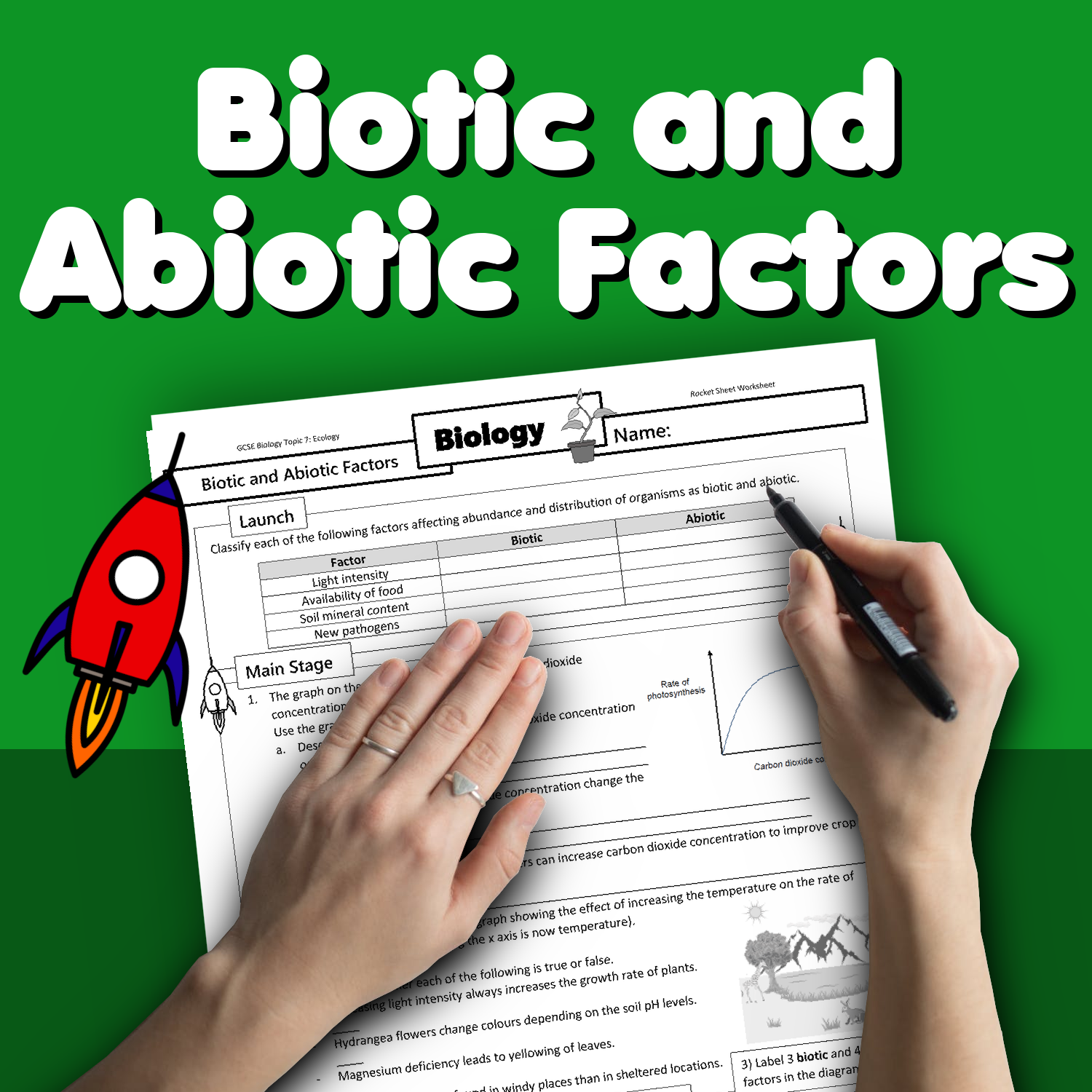
rocketsheets.co.uk
Biotic And Abiotic Factors Worksheet – Ame.my.id
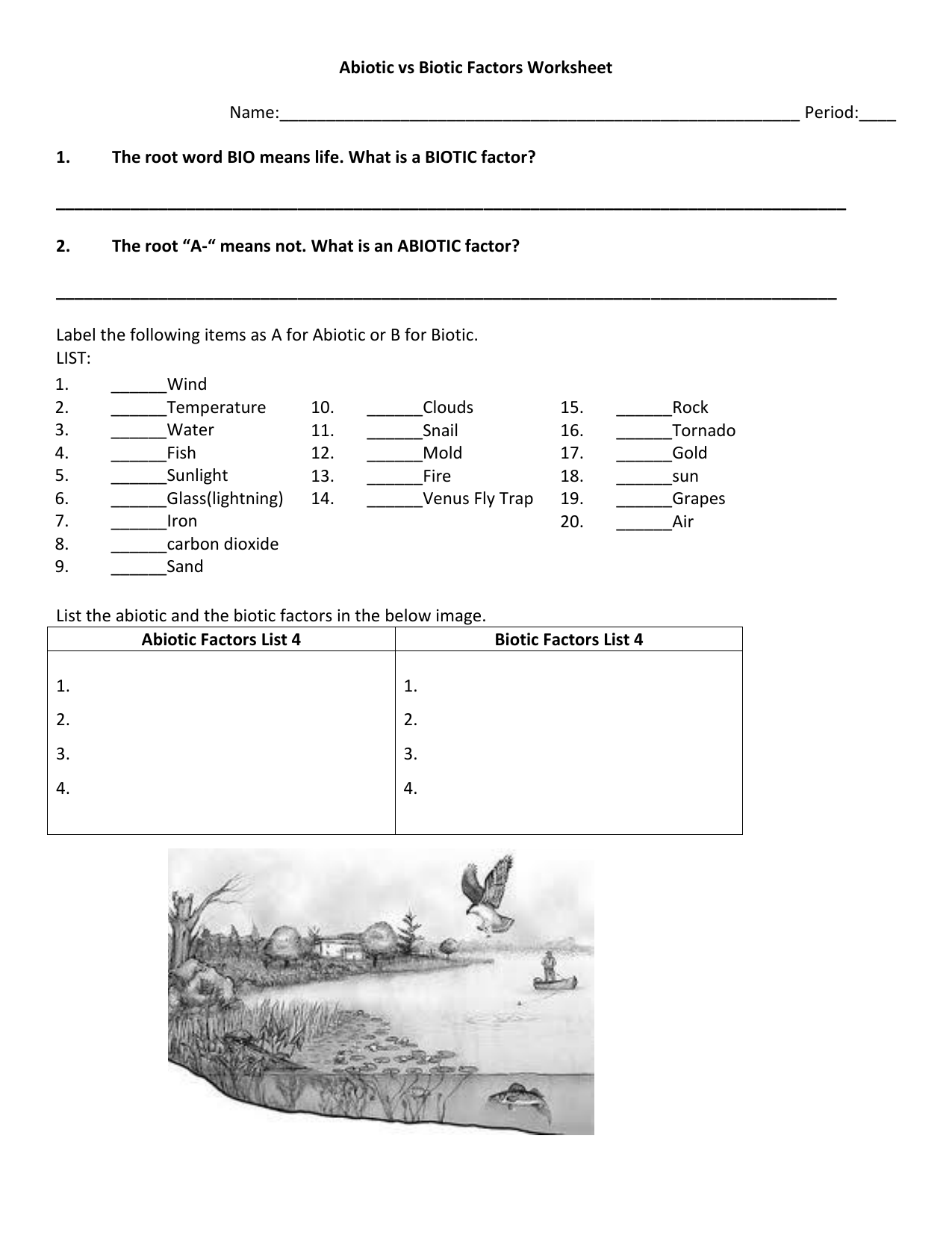
ame.my.id
Biotic Or Abiotic Factors – Worksheets For Everyone

worksheetgalaxy.com
Abiotic Vs Biotic Factors Worksheet.pdf | Study Notes Ecosystem
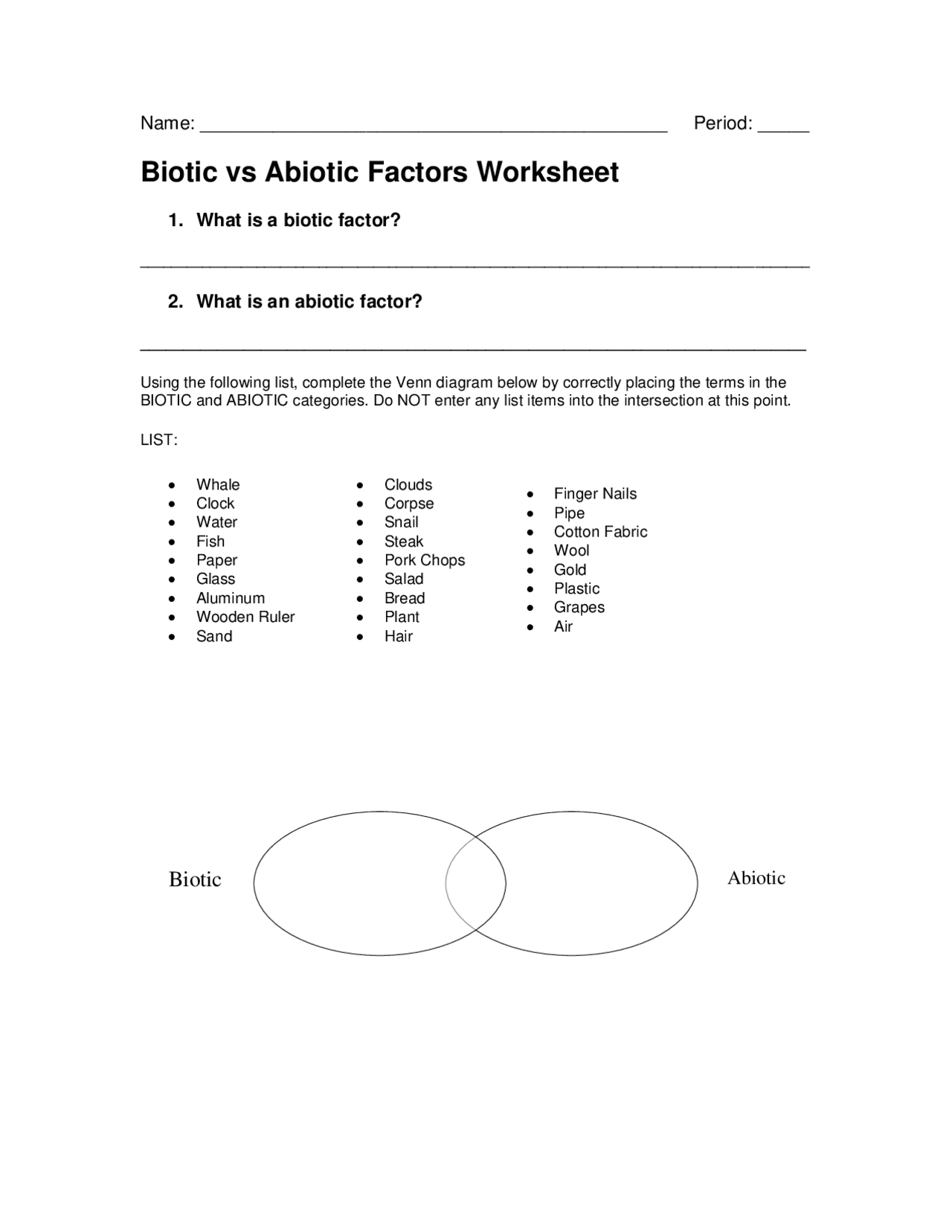
www.docsity.com
Biotic And Abiotic Factors Home Learning Worksheet GCSE – Rocketsheets

rocketsheets.co.uk
Abiotic Vs Biotic Factors Worksheet 4 – Name
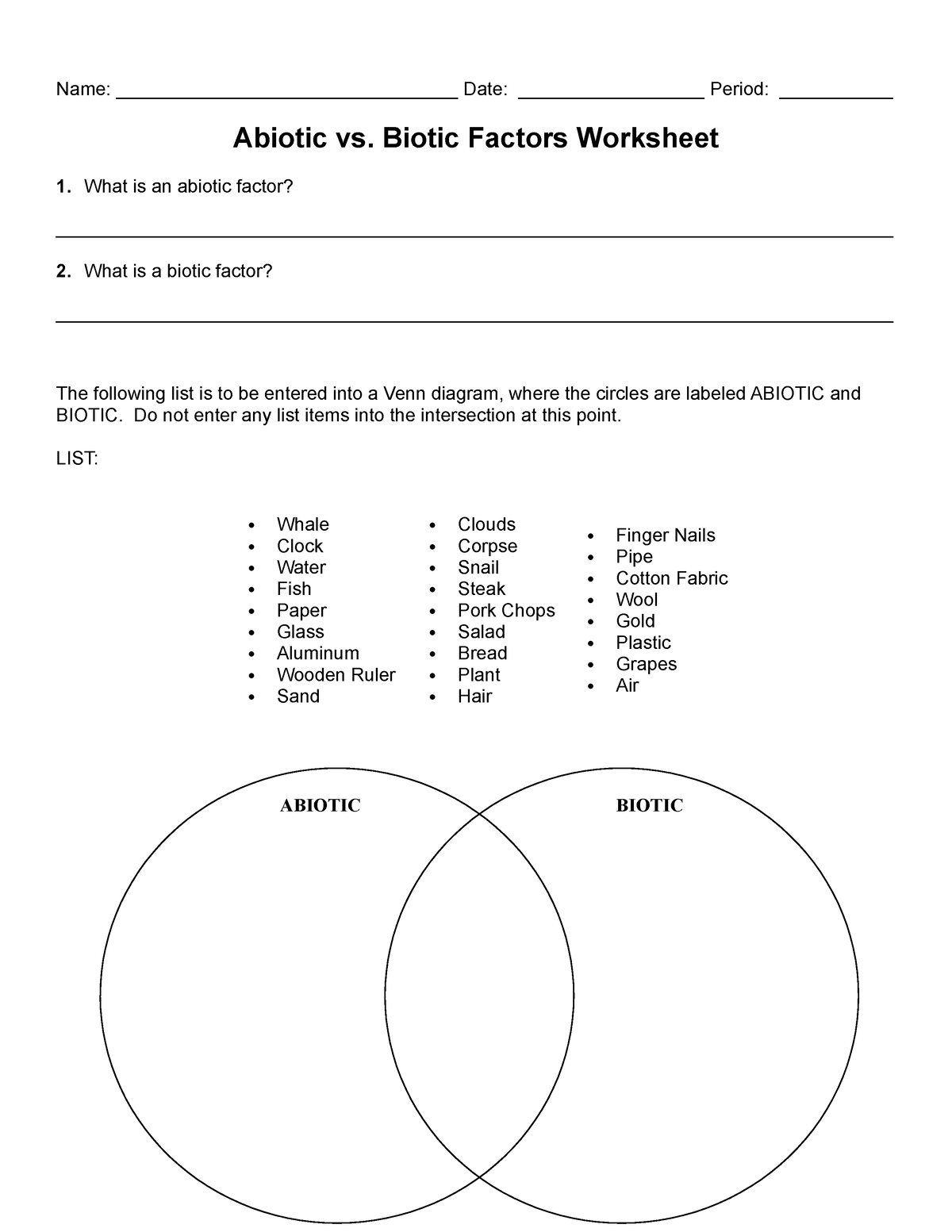
www.studocu.com
🤔 How Many BIOTIC And ABIOTIC Factors Can You Spot In My Drawing? Check

www.pinterest.com
Abiotic And Biotic Worksheet Printable | Ecosystem Worksheet With
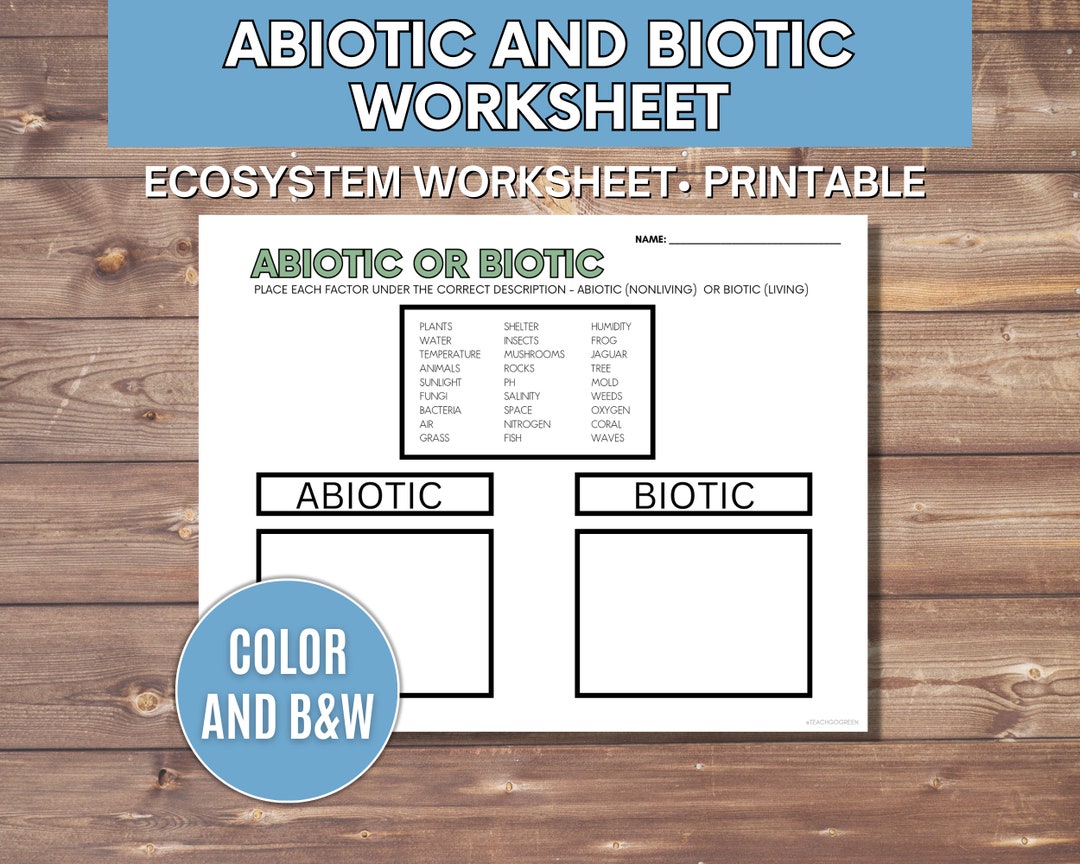
www.etsy.com
Free Biotic And Abiotic Factors Worksheet, Download Free Biotic And

worksheets.clipart-library.com
SOLUTION: Abiotic Vs Biotic Factors Worksheet – Studypool – Worksheets

worksheets.clipart-library.com
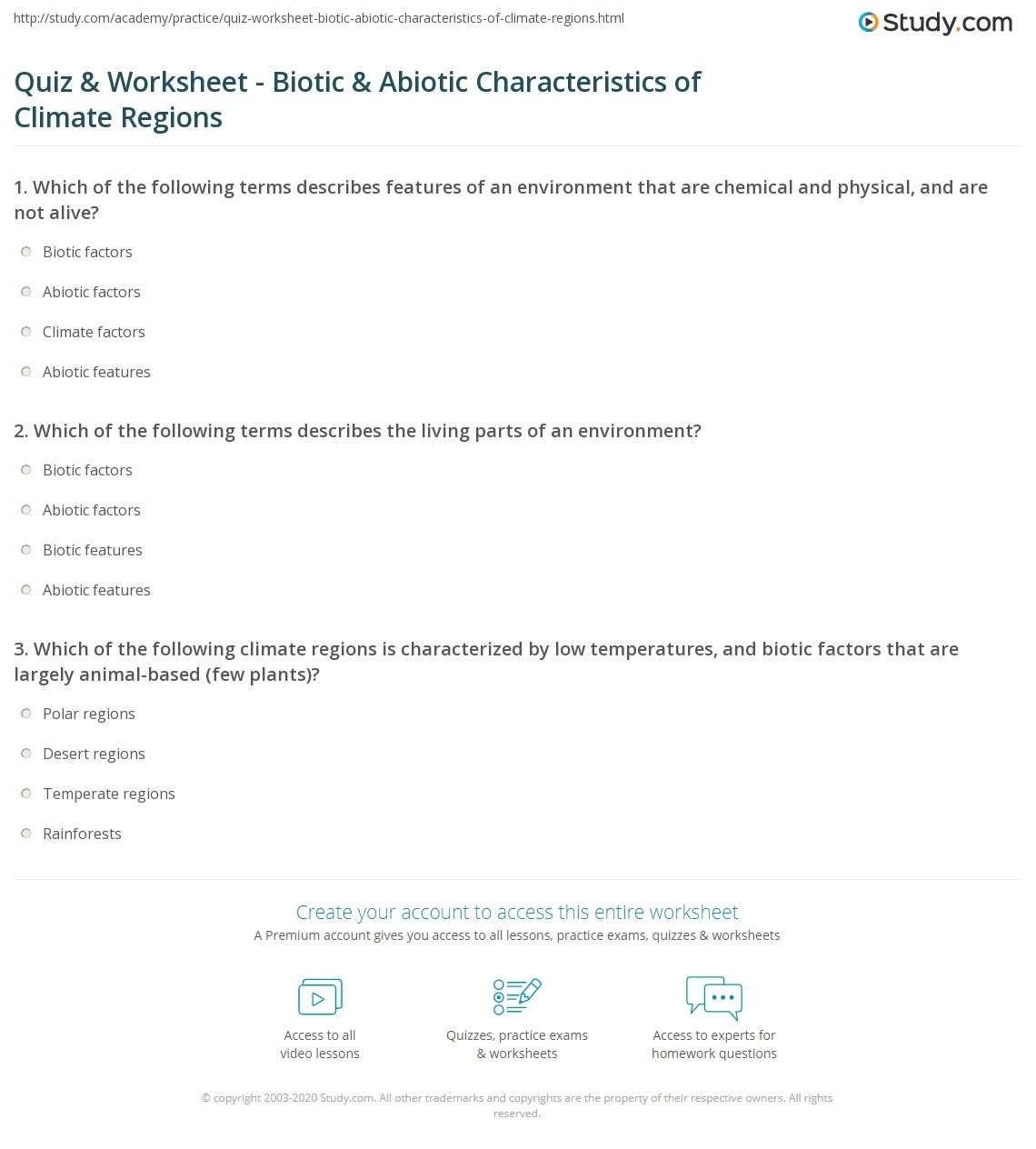
Abiotic And Biotic Factors Worksheet – Ame.my.id
ame.my.id
Biotic And Abiotic Worksheets

www.animalia-life.club
Biotic And Abiotic Worksheet

ar.inspiredpencil.com
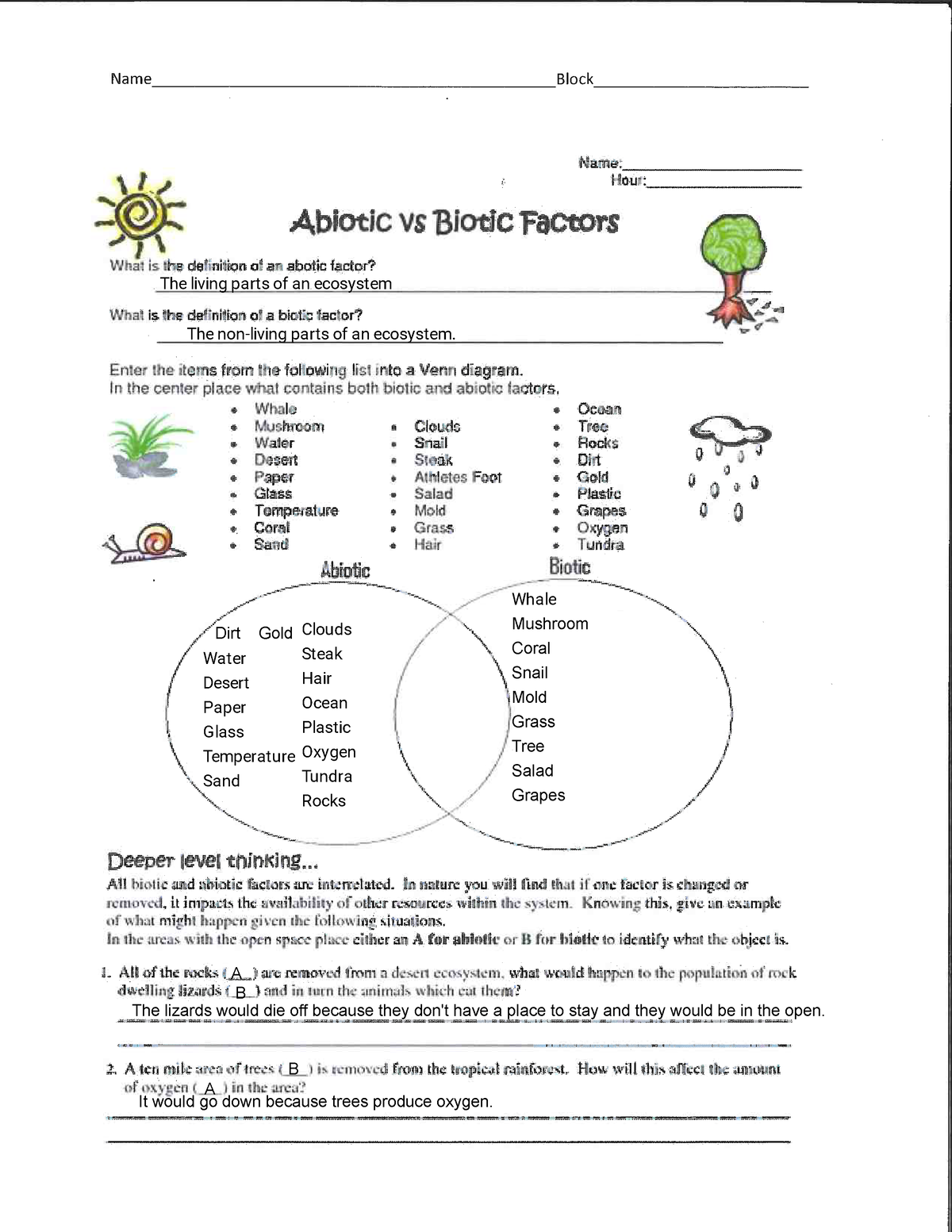
Biotic And Abiotic Worksheets
www.animalia-life.club
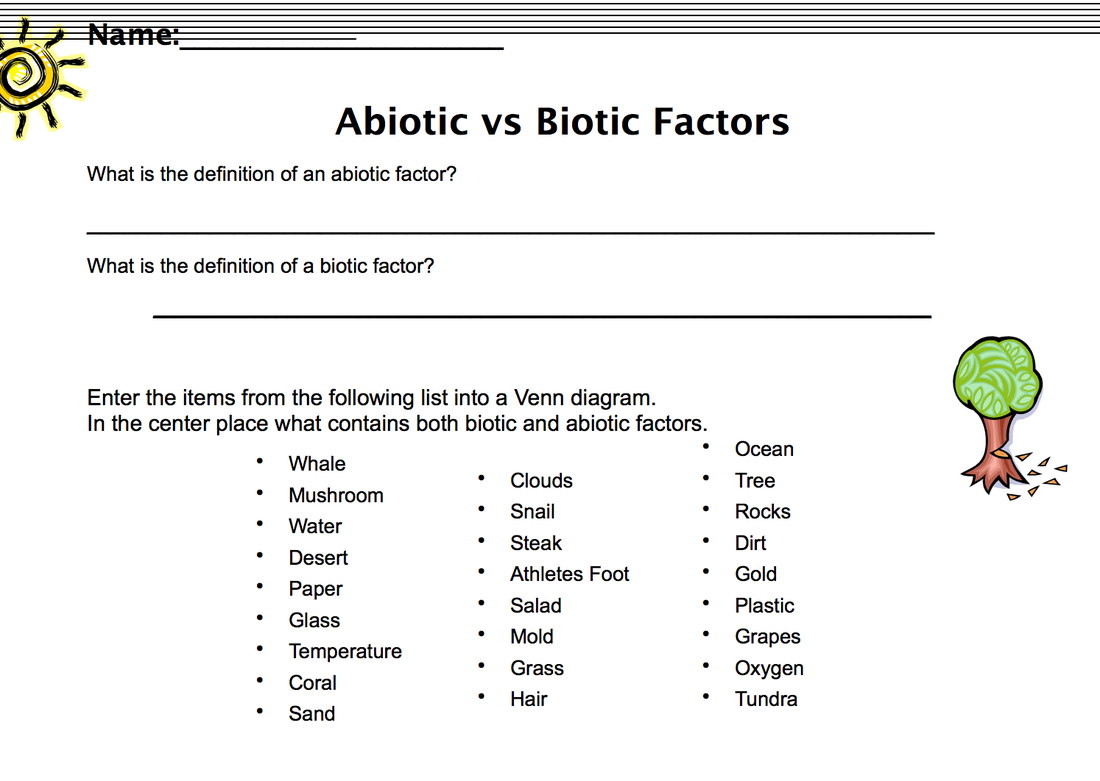
Abiotic Factors Worksheet – FactorWorksheets.com
www.factorworksheets.com
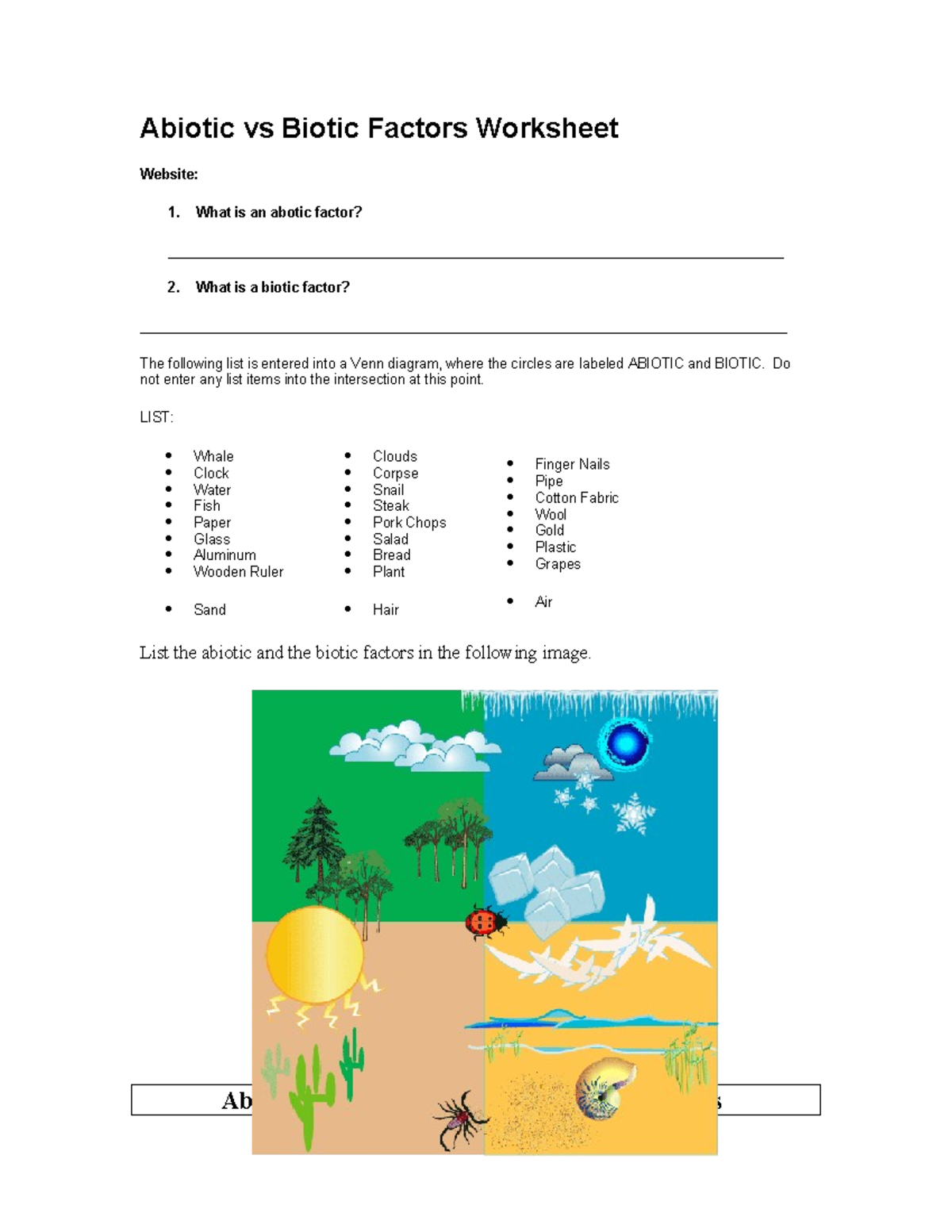
Abiotic Vs Biotic Factors Worksheet-1 – Abiotic Vs Biotic Factors
www.studocu.com
abiotic vs biotic factors worksheet-1. abiotic vs biotic factors worksheet.pdf. Free biotic and abiotic factors worksheet, download free biotic and …