The ratification of the United States Constitution was a pivotal moment in American history. It marked the culmination of years of debate, compromise, and ultimately, the decision to forge a more unified nation. Following the Constitutional Convention of 1787, the proposed Constitution was sent to the states for ratification. This process was far from smooth, triggering heated debates between Federalists, who supported the Constitution, and Anti-Federalists, who opposed it, fearing the concentration of power in a central government. Understanding the arguments, the key figures, and the compromises made during this period is crucial for comprehending the foundations of American democracy. For students grappling with this complex subject, worksheets focusing on the ratification process can be an invaluable tool. Often, these worksheets require students to analyze primary source documents, identify the arguments of both sides, and understand the crucial role of figures like James Madison, Alexander Hamilton, and Patrick Henry. This post aims to provide answers to common questions found in Ratifying the Constitution worksheets, offering a resource for students seeking clarity and a deeper understanding of this critical period.
Common Questions and Answers Regarding the Ratification of the Constitution
Ratifying the Constitution worksheets often cover a range of topics designed to test a student’s comprehension of the events leading up to ratification, the key players involved, and the arguments presented by both sides. Below are typical questions and their corresponding answers, presented in a format that allows for easy review and understanding.
Key Arguments of the Federalists and Anti-Federalists
- Question: What were the main arguments of the Federalists in favor of the Constitution?
- Answer:
- Federalists argued that the Articles of Confederation were too weak to effectively govern the nation, leading to economic instability and internal conflicts like Shay’s Rebellion.
- They believed a strong central government was necessary to maintain order, enforce laws, and regulate trade.
- Federalists pointed to the system of checks and balances and the separation of powers as safeguards against tyranny, ensuring that no single branch of government could become too powerful.
- They argued that a large republic, as proposed by the Constitution, would be more stable and less susceptible to factionalism than smaller republics.
- They emphasized the need for a national currency and uniform economic policies to promote economic growth and stability.
- Question: What were the main arguments of the Anti-Federalists against the Constitution?
- Answer:
- Anti-Federalists feared that the Constitution created a central government that was too powerful, potentially leading to tyranny.
- They argued that the Constitution lacked a Bill of Rights to protect individual liberties, such as freedom of speech, religion, and the press.
- Anti-Federalists believed that a large republic would be too distant from the people and that elected officials would become detached from the needs and concerns of their constituents.
- They worried about the potential for the central government to infringe upon the powers and autonomy of the states.
- They argued that the Constitution favored the wealthy and powerful, potentially leading to the oppression of ordinary citizens.
Important Figures and Their Roles
- Question: Who were some of the key Federalists and what were their roles in the ratification process?
- Answer:
- Alexander Hamilton: A leading Federalist who co-authored *The Federalist Papers*, a series of essays arguing in favor of the Constitution. He also played a crucial role in persuading New York to ratify.
- James Madison: Often called the “Father of the Constitution,” Madison played a key role in drafting the Constitution and co-authored *The Federalist Papers*. He was instrumental in advocating for ratification in Virginia.
- John Jay: Another co-author of *The Federalist Papers*, Jay helped to articulate the Federalist position and influence public opinion.
- George Washington: While not directly involved in the debates, Washington’s support for the Constitution lent significant credibility to the Federalist cause.
- Question: Who were some of the key Anti-Federalists and what were their roles in the ratification process?
- Answer:
- Patrick Henry: A powerful orator and staunch opponent of the Constitution, Henry argued that it would lead to tyranny and the loss of individual liberties. He led the opposition in Virginia.
- George Mason: A delegate to the Constitutional Convention, Mason refused to sign the Constitution because it lacked a Bill of Rights. He became a leading Anti-Federalist in Virginia.
- Samuel Adams: While initially hesitant, Adams eventually supported the Constitution after assurances that a Bill of Rights would be added. He played a key role in Massachusetts’s ratification.
- Richard Henry Lee: He opposed the Constitution arguing it granted too much power to the national government and lacked protection for individual liberties.
The Importance of the Bill of Rights
- Question: Why was the Bill of Rights added to the Constitution, and what role did it play in the ratification process?
- Answer:
- The Bill of Rights was added to address the Anti-Federalists’ concerns about the lack of explicit protection for individual liberties in the original Constitution.
- The promise of a Bill of Rights was a crucial compromise that helped to secure the ratification of the Constitution in several states, particularly those with strong Anti-Federalist sentiment.
- The Bill of Rights guarantees fundamental rights such as freedom of speech, religion, the press, the right to bear arms, protection against unreasonable searches and seizures, and the right to due process and a fair trial.
- The addition of the Bill of Rights demonstrated the willingness of the Federalists to compromise and address the legitimate concerns of their opponents, ultimately strengthening the legitimacy and broad acceptance of the Constitution.
By understanding these key arguments, figures, and compromises, students can gain a more comprehensive understanding of the ratification of the Constitution and its lasting impact on American government and society. Ratifying the Constitution worksheets, when approached with a clear understanding of these core concepts, become valuable tools for mastering this critical period in American history.
If you are searching about Ratifying The Constitution Worksheet Answers – E Street Light you’ve came to the right web. We have 20 Pictures about Ratifying The Constitution Worksheet Answers – E Street Light like Ratifying The Constitution Worksheet Answers – E Street Light, The Constitution Worksheet with Answers | Exercises Constitutional and also Ratifying The Constitution Worksheet Answers – E Street Light. Here it is:
Ratifying The Constitution Worksheet Answers – E Street Light
www.e-streetlight.com
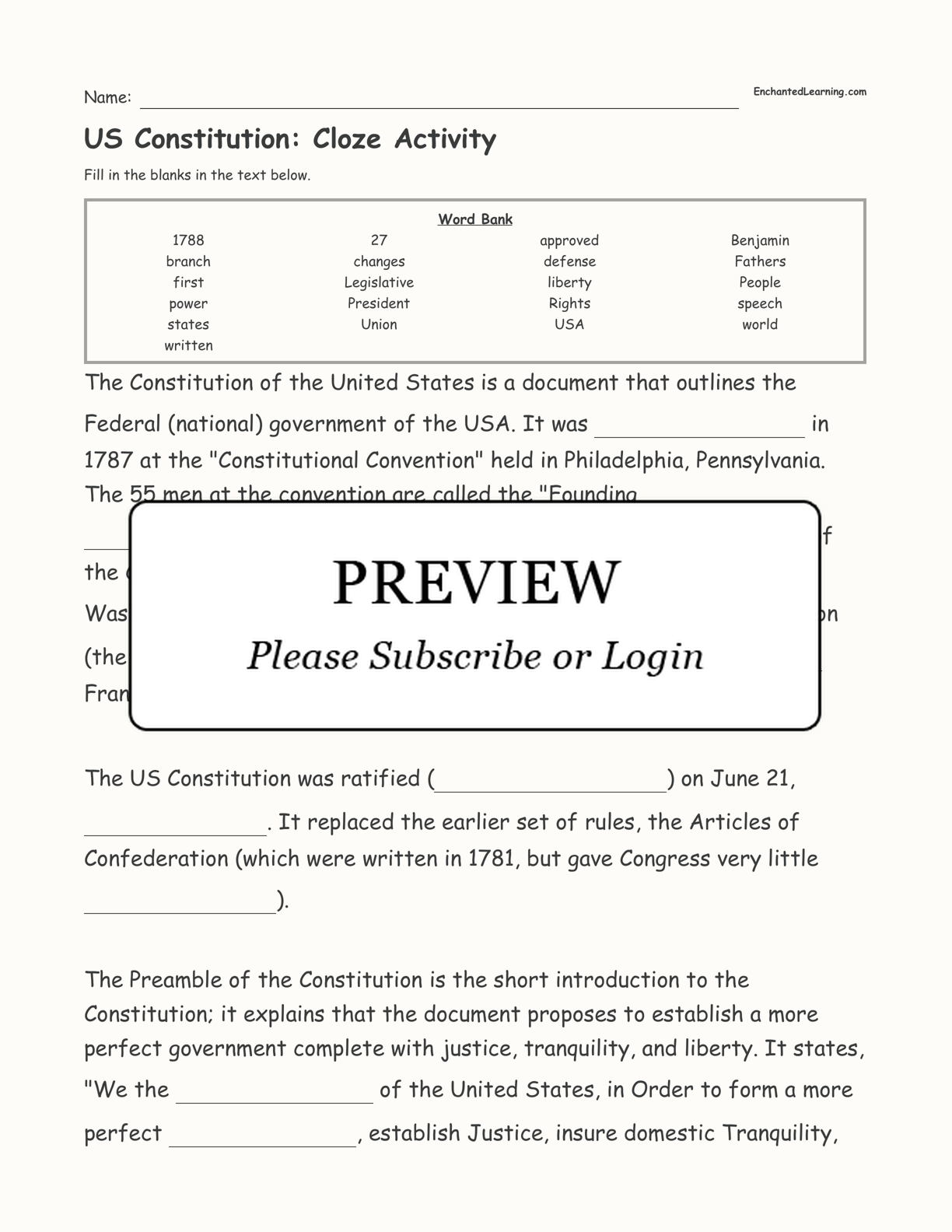
Anatomy Of The Constitution Worksheet – E-streetlight.com
www.e-streetlight.com
James Madison: U.S. President Biography And Assessment – Worksheets Library

worksheets.clipart-library.com
Free Constitution Outline Worksheet, Download Free Constitution Outline

worksheets.clipart-library.com
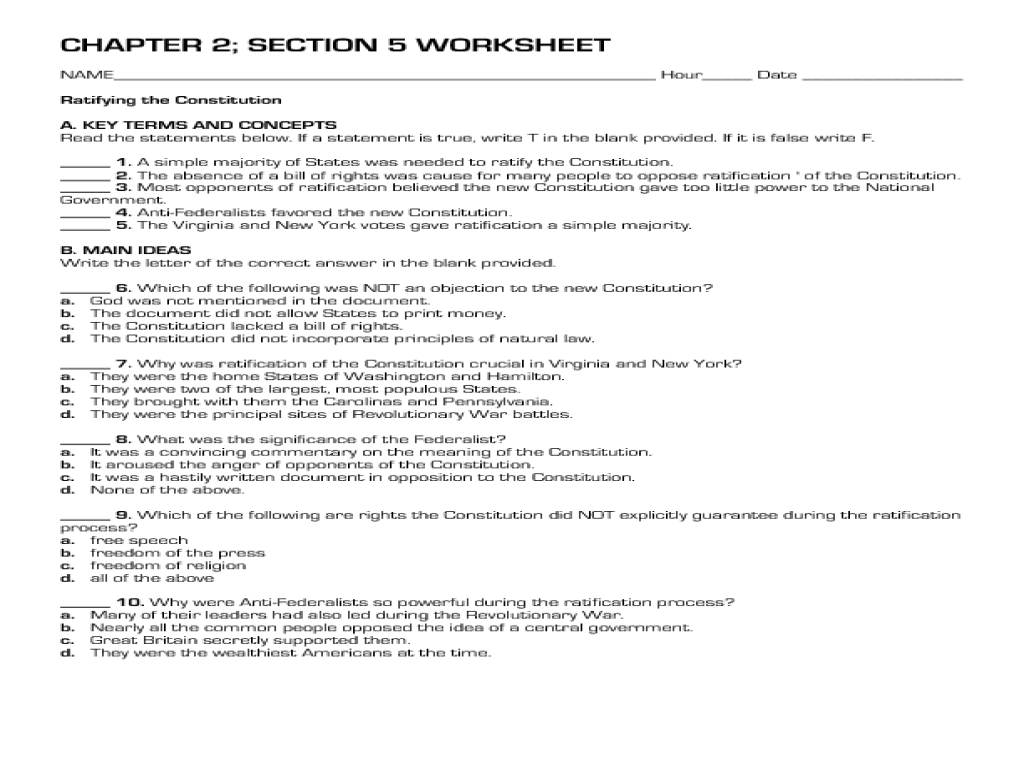
Outline Of The Constitution Worksheet – Pro Worksheet
www.proworksheet.my.id
Constitution Day Printables – Worksheets Library

worksheets.clipart-library.com
The Constitution Worksheet With Answers | Exercises Constitutional

worksheets.clipart-library.com
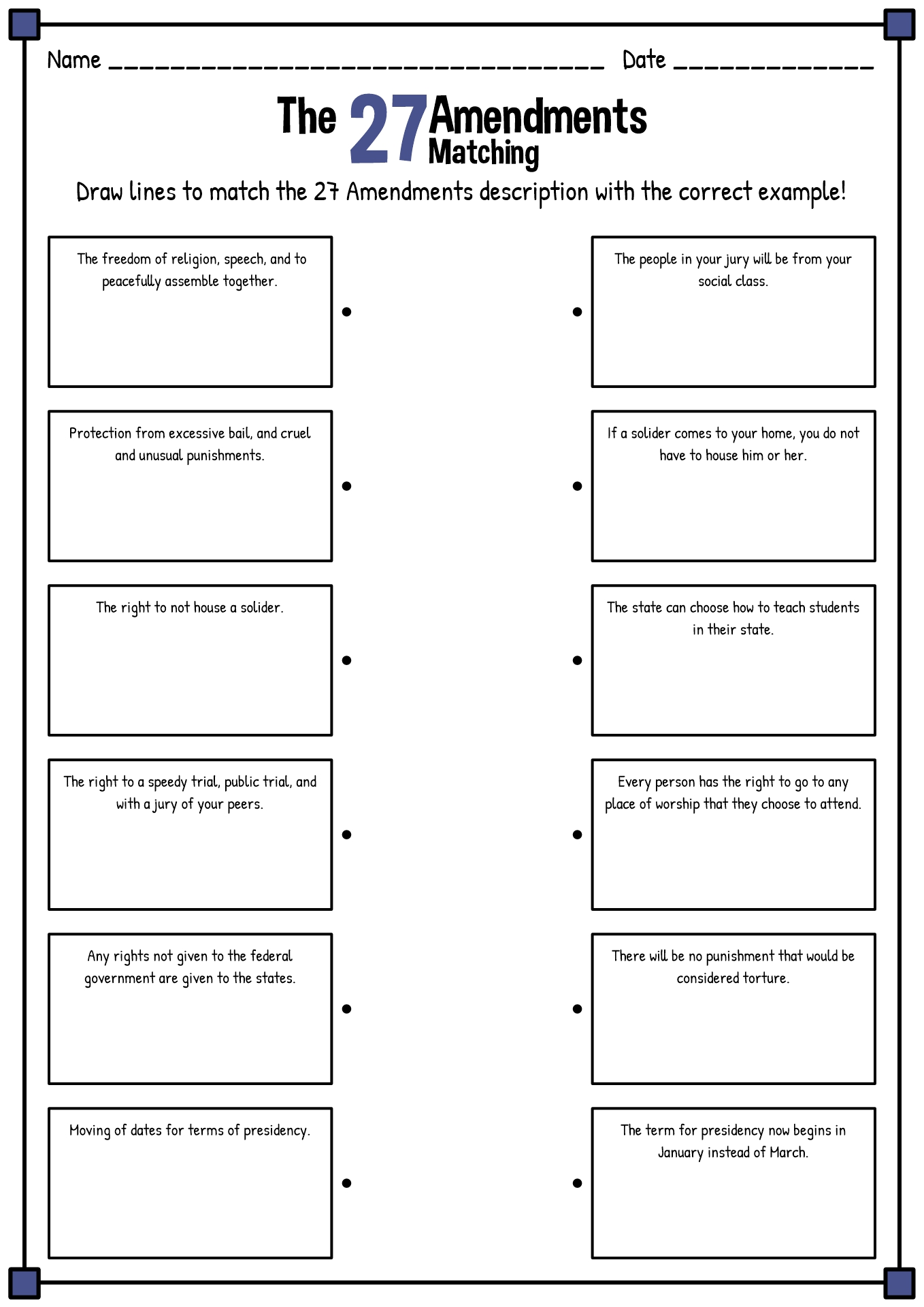
19 All Amendment Worksheet – Free PDF At Worksheeto.com
www.worksheeto.com
The Us Constitution Worksheet Lovely Constitution Day America
chessmuseum.org
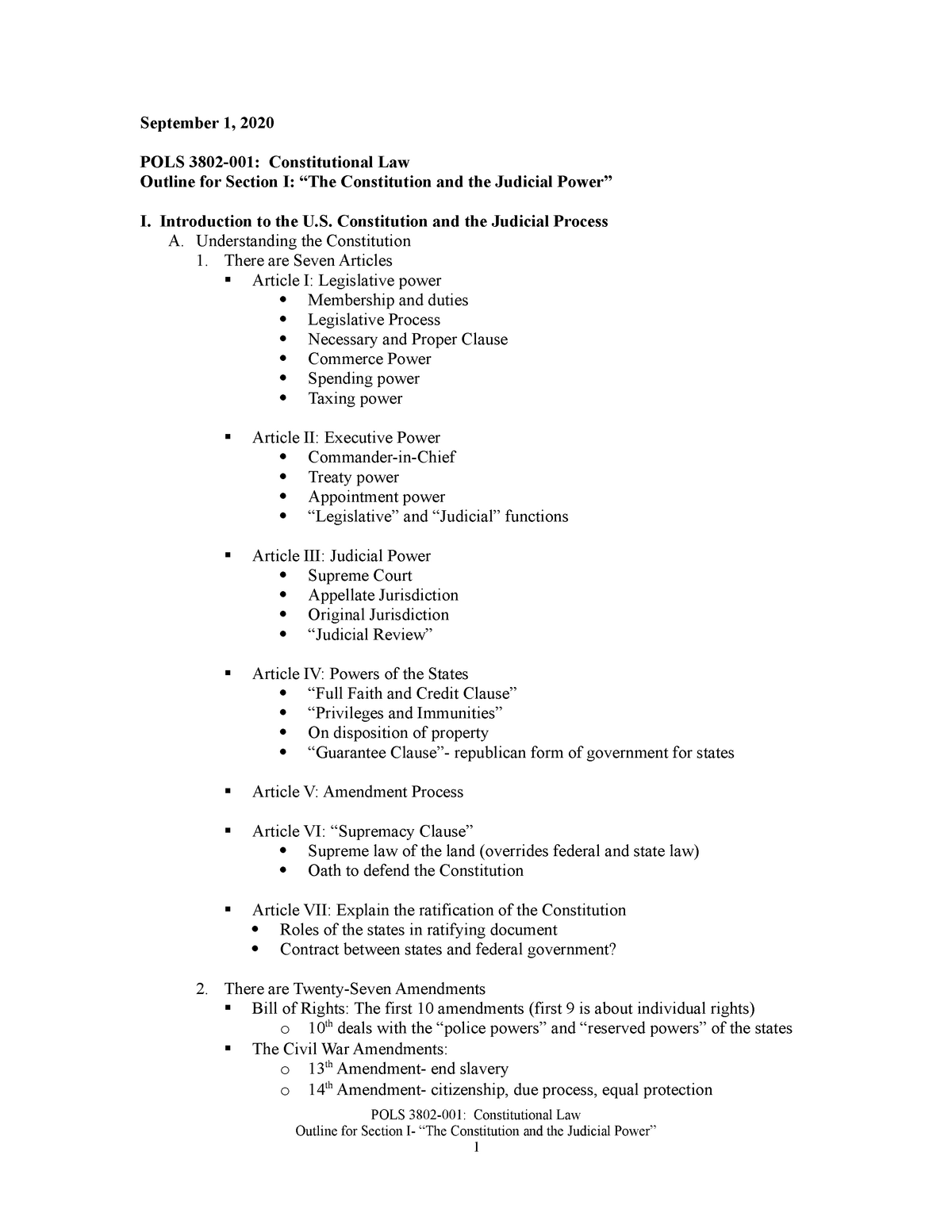
Outline Of The Constitution Worksheet – E-streetlight.com
www.e-streetlight.com
Introduction To The Constitution- Preamble Activity | No Prep

worksheets.clipart-library.com
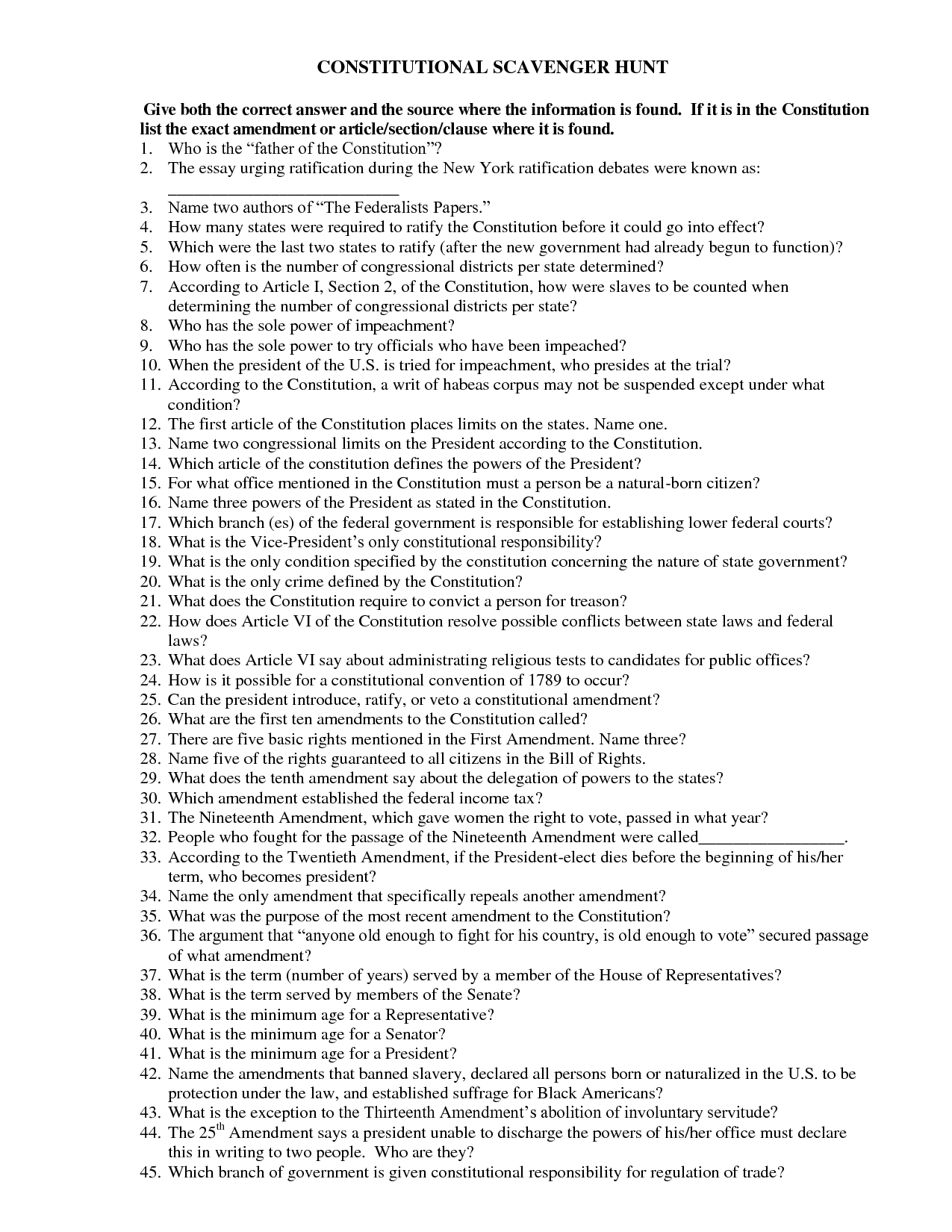
10 Constitution Questions Worksheet / Worksheeto.com
www.worksheeto.com
Ratifying The Constitution Worksheet Answers – E Street Light
www.e-streetlight.com
Constitution Worksheet – Have Fun Teaching – Worksheets Library

worksheets.clipart-library.com
11 Constitution Activity Worksheets – Free PDF At Worksheeto.com
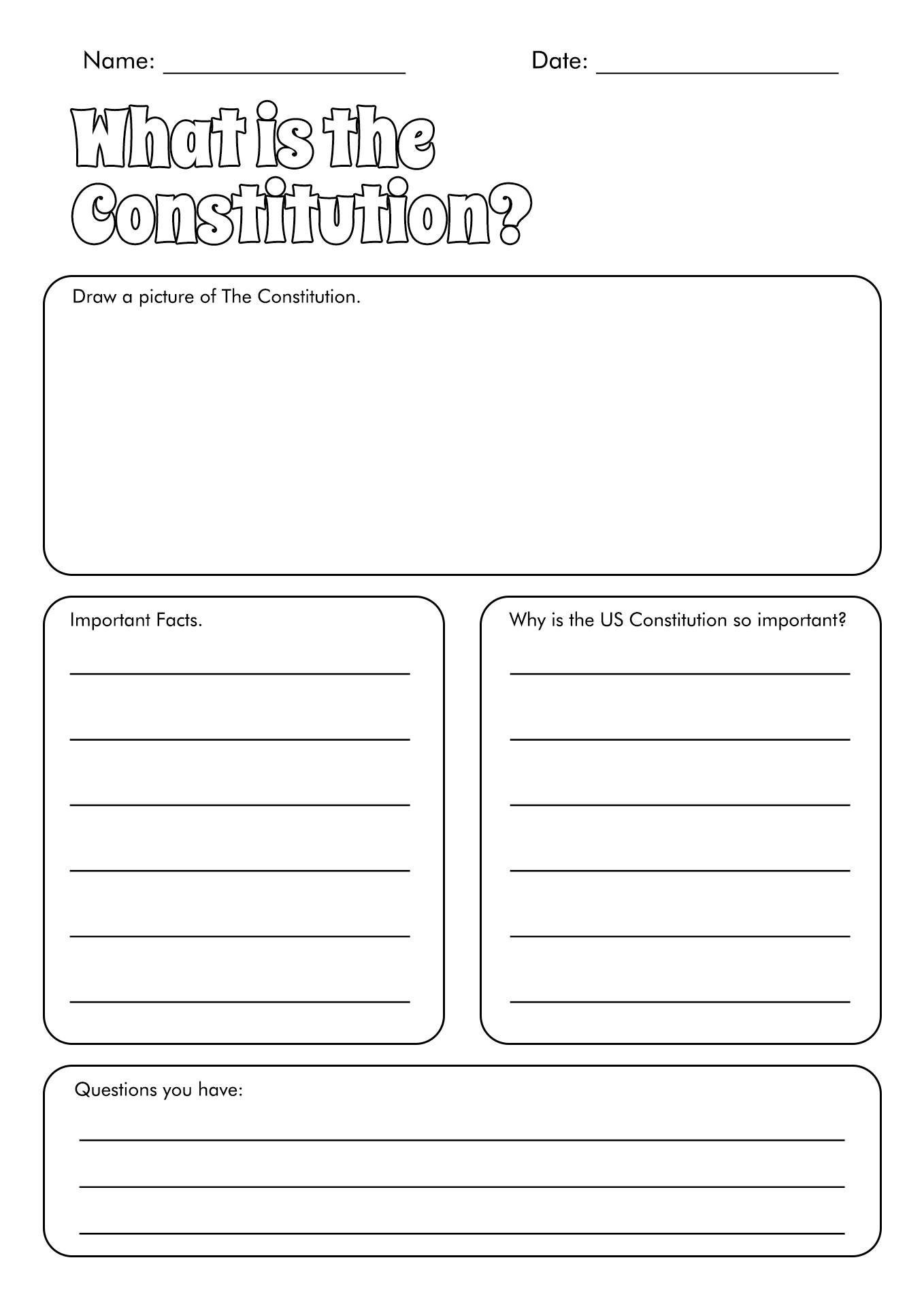
www.worksheeto.com
7 Constitution Worksheets And Answers / Worksheeto.com
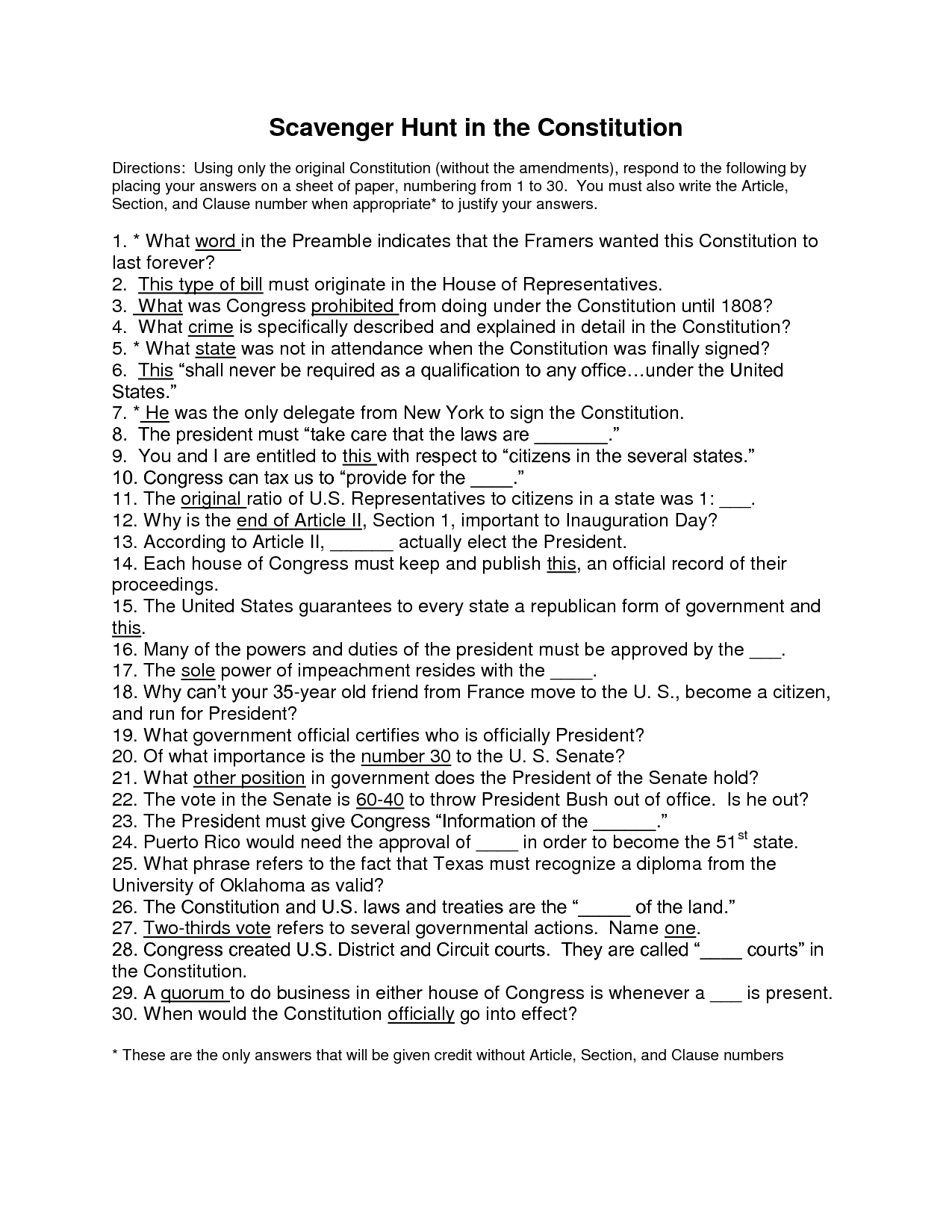
www.worksheeto.com
Understanding Civics: Principles Of The Constitution Worksheet

worksheets.clipart-library.com
Ratifying The Constitution Worksheet Answers – E Street Light
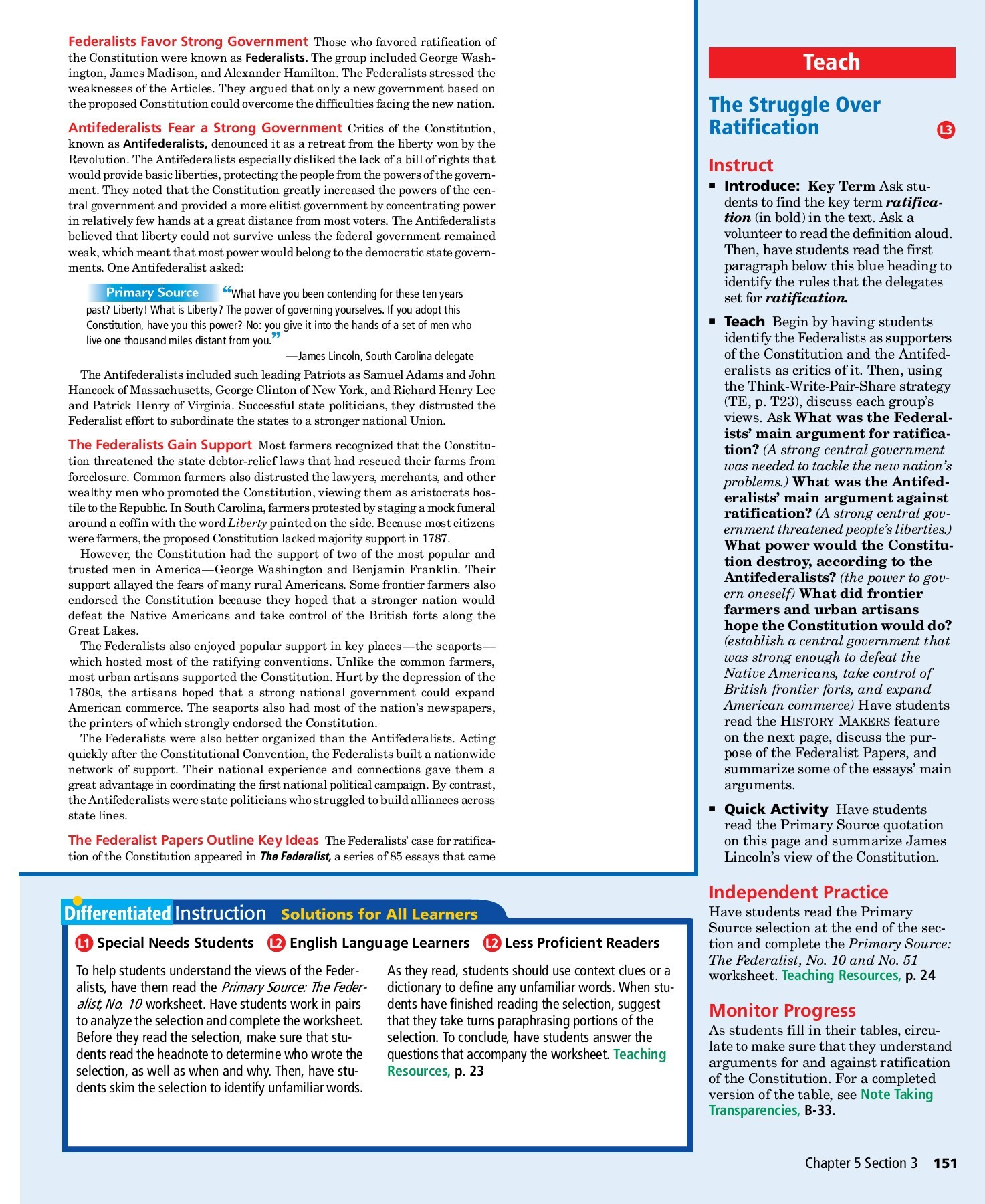
www.e-streetlight.com
Articles Of The Constitution Worksheet With Answer Key | Exercises

worksheets.clipart-library.com
Anatomy Of The Constitution Worksheet Answers Quizlet | Anatomy Worksheets
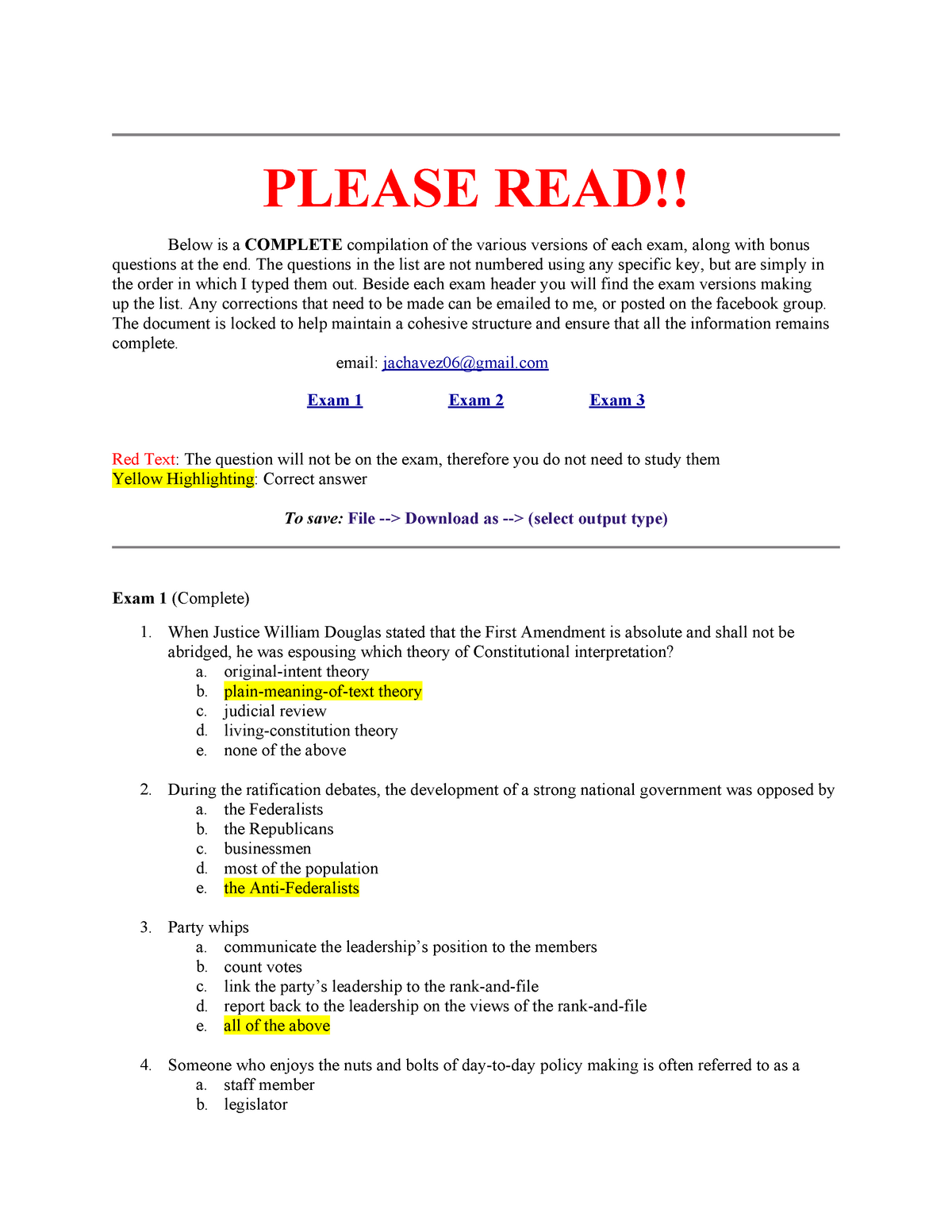
anatomyworksheets.com
constitution day printables. The us constitution worksheet lovely constitution day america …. James madison: u.s. president biography and assessment