Tackling the intricacies of chemical bonding can be a challenging yet rewarding experience for chemistry students. Understanding how atoms interact to form molecules and compounds is fundamental to grasping the core principles of chemistry. Many instructors utilize worksheets to reinforce these concepts, and while independent problem-solving is key to mastery, sometimes a little guidance is needed. This post provides a detailed answer key to a typical chemical bonding worksheet, breaking down each concept and rationale behind the correct answers. Remember, the goal isn’t just to find the right answers, but to understand *why* they are right and how to apply that knowledge to future problems. So, let’s dive in and unravel the mysteries of ionic, covalent, and metallic bonding!
Chemical Bonding Worksheet Answer Key
Below is a detailed answer key to a typical chemical bonding worksheet covering the main types of chemical bonds and related concepts. It’s designed to help you understand the reasoning behind each answer and improve your overall understanding of the topic.
Part 1: Types of Chemical Bonds
This section tests your knowledge of the fundamental types of chemical bonds and their characteristics.
- Question 1: Define Ionic Bond.
- Question 2: Define Covalent Bond.
- Question 3: Define Metallic Bond.
- Question 4: What type of bond is formed between Sodium (Na) and Chlorine (Cl)? Explain why.
- Question 5: What type of bond is formed between two Oxygen (O) atoms? Explain why.
Answer: An ionic bond is a type of chemical bond formed through the electrostatic attraction between oppositely charged ions. This occurs when one atom transfers electrons to another, resulting in a positively charged ion (cation) and a negatively charged ion (anion). Ionic bonds typically form between metals and nonmetals.
Answer: A covalent bond is a type of chemical bond formed through the sharing of one or more pairs of electrons between two atoms. Covalent bonds typically form between two nonmetals. They can be polar (unequal sharing of electrons) or nonpolar (equal sharing of electrons).
Answer: A metallic bond is a type of chemical bond formed between metal atoms. It is characterized by a “sea” of delocalized electrons surrounding positively charged metal ions. These delocalized electrons are free to move throughout the metallic structure, contributing to the electrical and thermal conductivity of metals.
Answer: Ionic bond. Sodium is a metal and chlorine is a nonmetal. Sodium readily loses an electron to become a Na+ ion, while chlorine readily gains an electron to become a Cl– ion. The electrostatic attraction between these oppositely charged ions forms an ionic bond, creating sodium chloride (NaCl).
Answer: Covalent bond. Oxygen is a nonmetal. Two oxygen atoms share electrons to achieve a stable octet, forming a double covalent bond (O=O). Since both atoms are the same element, the bond is nonpolar.
Part 2: Properties and Characteristics
This section focuses on understanding the properties associated with different types of bonding.
- Question 6: Which type of bond generally leads to high melting and boiling points? Explain why.
- Question 7: Which type of bond allows for good electrical conductivity? Explain why.
- Question 8: Explain the difference between a polar covalent bond and a nonpolar covalent bond. Give an example of each.
- Question 9: What is electronegativity and how does it relate to bond polarity?
- Question 10: Draw a Lewis dot structure for Carbon Dioxide (CO2).
Answer: Ionic bonds generally lead to high melting and boiling points. This is because the electrostatic forces between the oppositely charged ions are strong and require a significant amount of energy to overcome.
Answer: Metallic bonds allow for good electrical conductivity. This is due to the presence of delocalized electrons that are free to move throughout the metallic structure, carrying an electric charge.
Answer: A polar covalent bond is a covalent bond where electrons are unequally shared between atoms due to differences in electronegativity. This results in a partial positive charge (δ+) on one atom and a partial negative charge (δ-) on the other. Example: Water (H2O), where oxygen is more electronegative than hydrogen. A nonpolar covalent bond is a covalent bond where electrons are equally shared between atoms. This occurs when the atoms have similar electronegativities. Example: Diatomic molecules like oxygen gas (O2) or methane (CH4).
Answer: Electronegativity is a measure of an atom’s ability to attract electrons in a chemical bond. The greater the difference in electronegativity between two bonded atoms, the more polar the bond will be. If the electronegativity difference is large enough (generally greater than 1.7), an ionic bond will form instead of a polar covalent bond.
Answer: O=C=O (Carbon has 4 valence electrons, each oxygen has 6. Carbon forms a double bond with each oxygen atom to achieve a stable octet for all atoms). The structure should show carbon in the center, double-bonded to each oxygen atom, with two lone pairs of electrons on each oxygen atom.
By carefully reviewing these answers and understanding the underlying principles, you can strengthen your grasp on chemical bonding. Remember that practice is key! Work through additional problems and seek clarification from your instructor or classmates if you encounter any difficulties. Good luck with your chemistry studies!
If you are looking for Stoichiometry Chemistry Quiz you’ve came to the right place. We have 20 Pictures about Stoichiometry Chemistry Quiz like Expert Advice for Managing Chemical Hazard | Train and Develop, What Is a Chemical? (and What Isn't One) and also Stoichiometry Chemistry Quiz. Here it is:
Stoichiometry Chemistry Quiz
/molecular-model-illustration-545862141-57dec4f93df78c9cce4ab839.jpg)
www.thoughtco.com
Exploring Physical And Chemical Changes – Let's Talk Science

letstalkscience.ca
Crystal White Laboratory Chemical & Reagents, V India Biosynergy | ID

www.indiamart.com
Chemicals
www.realfoodgirlunmodified.com
Chemical Safety: Working With Chemicals At Work – ACT Associates
www.actassociates.co.uk
Computer System Predicts Products Of Chemical Reactions | MIT News

news.mit.edu
Chemical – NailKnowledge

nailknowledge.org
Chemical – Carbon Farming Trust
carbonfarmingtrust.com
Aligned Chemical Danger Pictograms – Oxidizing — Stock Photo
depositphotos.com
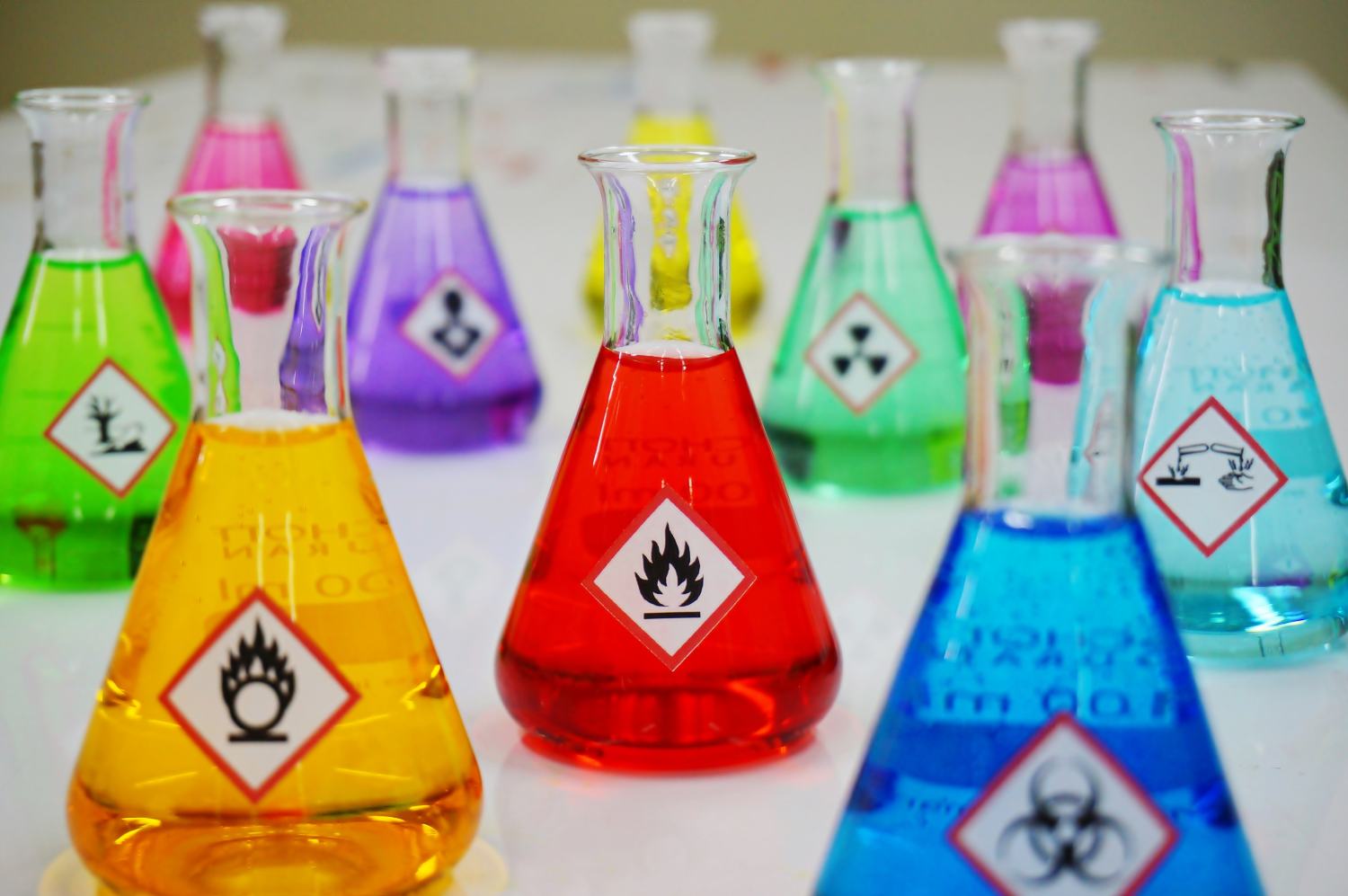
Expert Advice For Managing Chemical Hazard | Train And Develop
www.trainanddevelop.ca
What Is A Chemical? (and What Isn't One)
/chemistry-glassware-56a12a083df78cf772680235.jpg)
www.thoughtco.com
Chemistry Pictures Images

ar.inspiredpencil.com
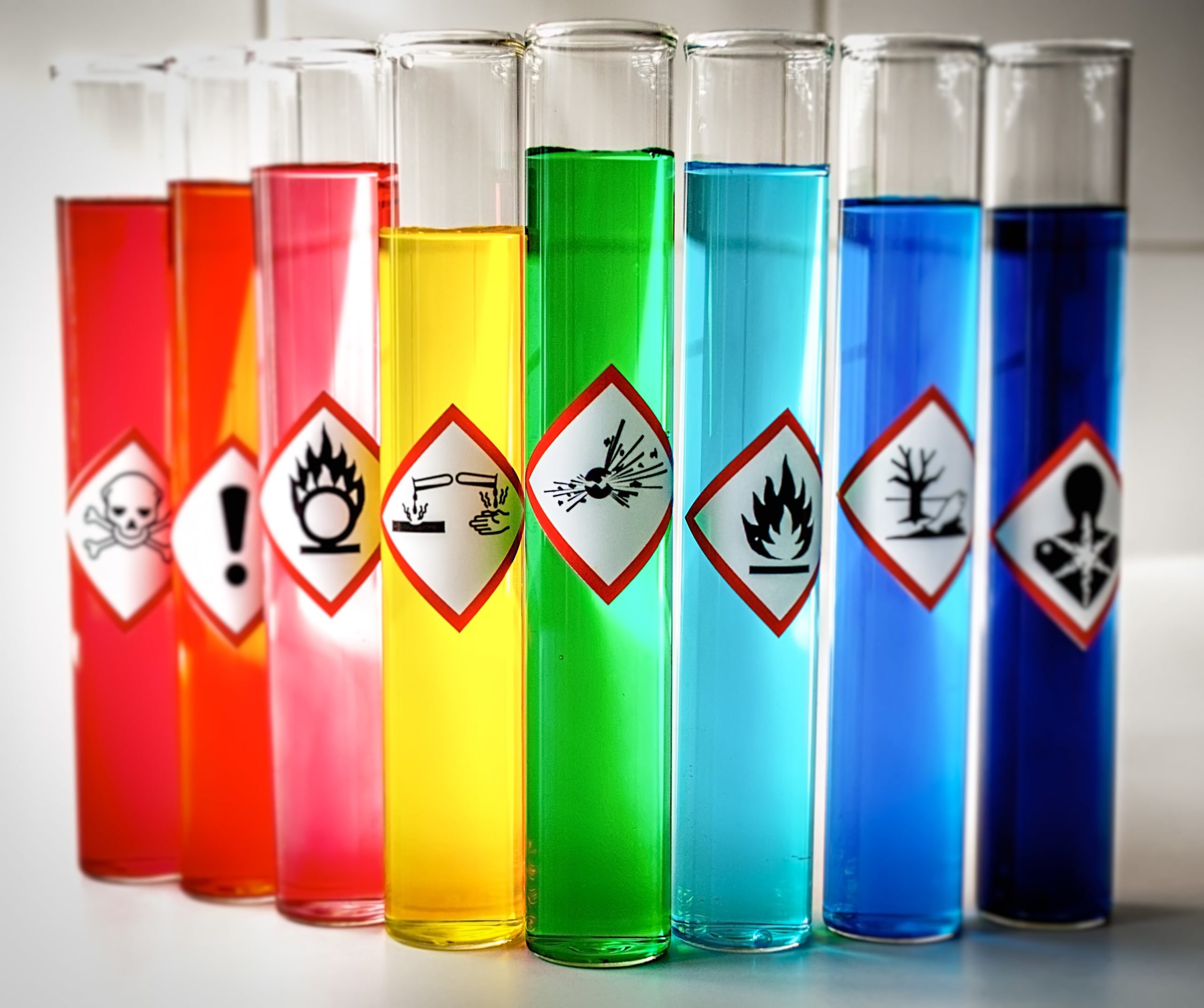
Types Of Chemical Hazards And How To Manage Them Images
www.tpsearchtool.com
What Is A Chemical? Definition And Examples

sciencenotes.org
What Exactly Is A Chemical?

www.reagent.co.uk
Role Of Chemical Science/ Chemistry In Our Life – Avens Blog | Avens Blog
www.avensonline.org
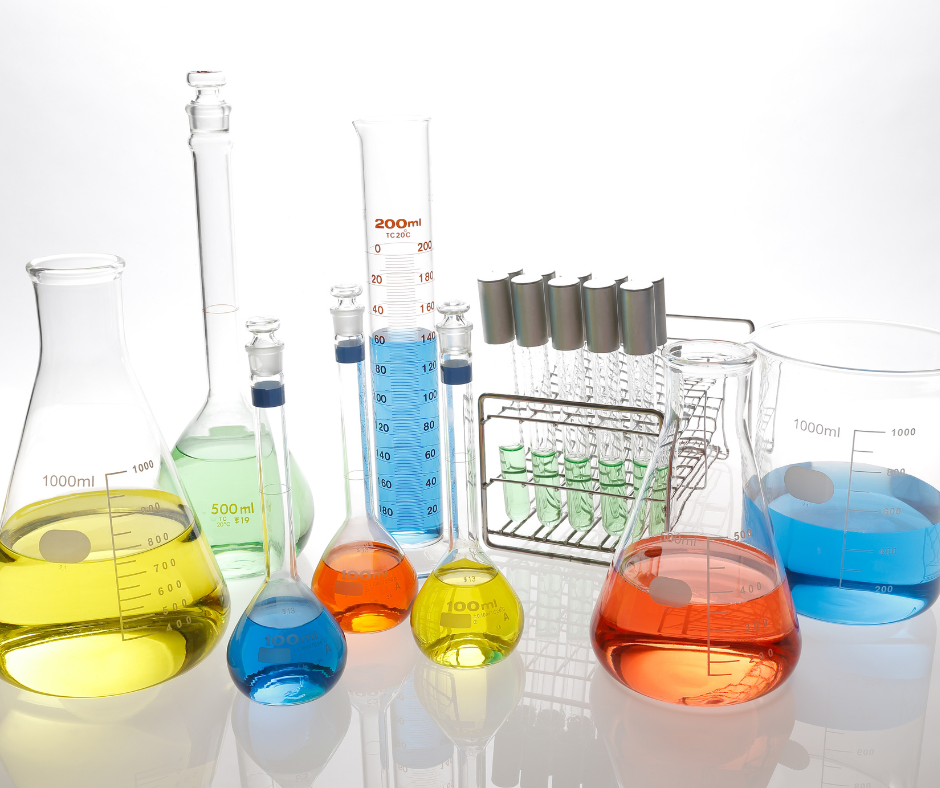
Chemical Safety In Laboratories: Best Practices For Handling And
www.nationallaboratorysales.com
The Effects Of Time, Temperature, And Concentration In Chemical Reactions

medium.com
AI Approach Optimizes Synthesis Of Important Chemical Compounds

www.technologynetworks.com
Chemical Solution Images

ar.inspiredpencil.com
What is a chemical? definition and examples. Aligned chemical danger pictograms. Expert advice for managing chemical hazard