Ah, the scientific method! It’s the backbone of scientific discovery, the process by which we ask questions, formulate hypotheses, test those hypotheses through experimentation, and ultimately draw conclusions about the world around us. Many students encounter the scientific method early in their education, often through engaging (or sometimes, let’s be honest, less engaging) worksheets. But understanding the *process* is key; memorizing answers alone isn’t enough. However, sometimes you just need to check your work or help a struggling student. That’s where we come in! This post provides the answers to a common scientific method worksheet, but more importantly, it emphasizes the understanding behind each step.
Before diving into the answers, remember that the scientific method isn’t a rigid, unbreakable set of rules. Scientists often loop back, refine their hypotheses, and redesign their experiments. The goal is to be systematic and objective in the pursuit of knowledge. So, use these answers as a guide, but always strive for deeper comprehension of the “why” behind each step.
Scientific Method Worksheet Answers
This section provides answers to a typical scientific method worksheet. Keep in mind that specific wording may vary depending on the worksheet you’re using, but the core concepts should be the same.
Common Scientific Method Steps and Their Answers
-
Question: What are you trying to find out?
- Possible answer: “Does the amount of sunlight affect plant growth?”
- Explanation: The question clearly defines the problem or phenomenon to be investigated. It’s specific and testable. A poorly worded question is difficult to investigate.
-
Hypothesis: What do you think will happen?
- Possible answer: “If plants receive more sunlight, then they will grow taller.”
- Explanation: A hypothesis is an educated guess or prediction based on prior knowledge or observations. It’s often written as an “if/then” statement, establishing a cause-and-effect relationship. It must be falsifiable, meaning it’s possible to prove it wrong through experimentation. A common mistake is stating a hypothesis as a fact, not a prediction.
-
Experiment: What did you do?
- Possible answer: “I planted three groups of bean plants. Group A received 8 hours of direct sunlight daily, Group B received 4 hours of direct sunlight daily, and Group C received no direct sunlight (placed in a dark closet). I watered each group with 50 ml of water every other day. I measured the height of each plant in centimeters every day for two weeks.”
- Explanation: This section describes the procedure followed in the experiment. It should be detailed enough for another scientist to replicate the experiment. Key components include:
- Independent Variable: The factor you are changing (in this case, the amount of sunlight).
- Dependent Variable: The factor you are measuring (in this case, plant height).
- Control Group: The group used for comparison (in this case, Group C receiving no sunlight).
- Constants: Factors kept the same for all groups (in this case, type of plant, amount of water, type of soil, container).
Failing to control variables can invalidate the experiment’s results.
-
Observations/Data: What happened?
- Possible answer: “Group A plants grew an average of 10 cm tall. Group B plants grew an average of 5 cm tall. Group C plants did not grow at all and started to wilt.” A table or graph displaying the data is highly recommended.
- Explanation: This section presents the data collected during the experiment. It should be presented objectively, without interpretation. Accurate and detailed records are essential for drawing valid conclusions. Qualitative observations (e.g., color, texture) can also be included.
-
Conclusion: What did you learn?
- Possible answer: “Based on the data, I conclude that the amount of sunlight does affect plant growth. Plants that received more sunlight grew taller than plants that received less sunlight or no sunlight. My hypothesis was supported by the data.”
- Explanation: The conclusion summarizes the findings of the experiment and relates them back to the hypothesis. It should state whether the hypothesis was supported or rejected (not “proven”). It also should acknowledge any limitations of the experiment and suggest further research or improvements. A common mistake is to overstate the conclusions or make claims that are not supported by the data.
Remember, these are just sample answers. The specific details will depend on the specific experiment described in the worksheet. The key is to understand the purpose of each step and how they work together to form a scientific investigation.
Using these answers as a starting point, encourage students to explore the “why” behind each step, not just memorize the answers. Encourage critical thinking and open-ended questions. The scientific method is a powerful tool for understanding the world, and mastering it requires more than just filling in the blanks on a worksheet. Good luck!
If you are looking for Scientific Method Worksheet With Answers you’ve came to the right page. We have 20 Images about Scientific Method Worksheet With Answers like Scientific-method – The scientific method answer sheet. – Name, Scientific Method Worksheet Answers – E-streetlight.com and also Scientific Method Worksheet for Critical Thinking Skills. Here you go:
Scientific Method Worksheet With Answers

learningmediahistories.z14.web.core.windows.net
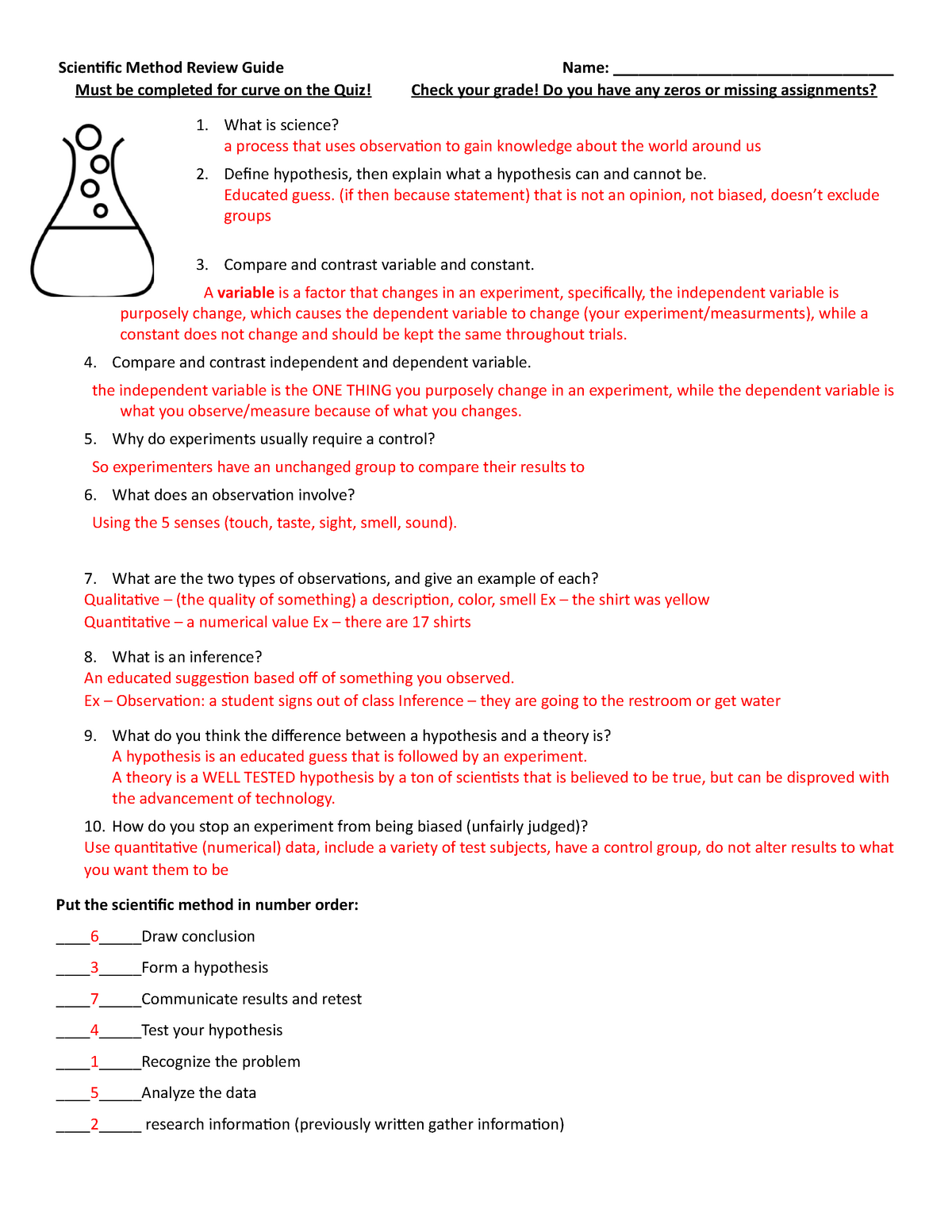
Scientific Method Review Guide Answer Key – Scientific Method
worksheets.clipart-library.com
The Scientific Method Worksheet | Scientific Method Printable, Teaching

www.pinterest.com
Free Scientific Method Unit Questions Worksheet Answers, Download Free

worksheets.clipart-library.com
SOLUTION: Scientific Method Simpsons Psyc – Studypool – Worksheets Library

worksheets.clipart-library.com
Scientific Method Worksheet & Example For Kids – STEM Smartly

worksheets.clipart-library.com
Scientific Method Worksheet Answers New 52 Scientific Method Worksheet

www.artofit.org
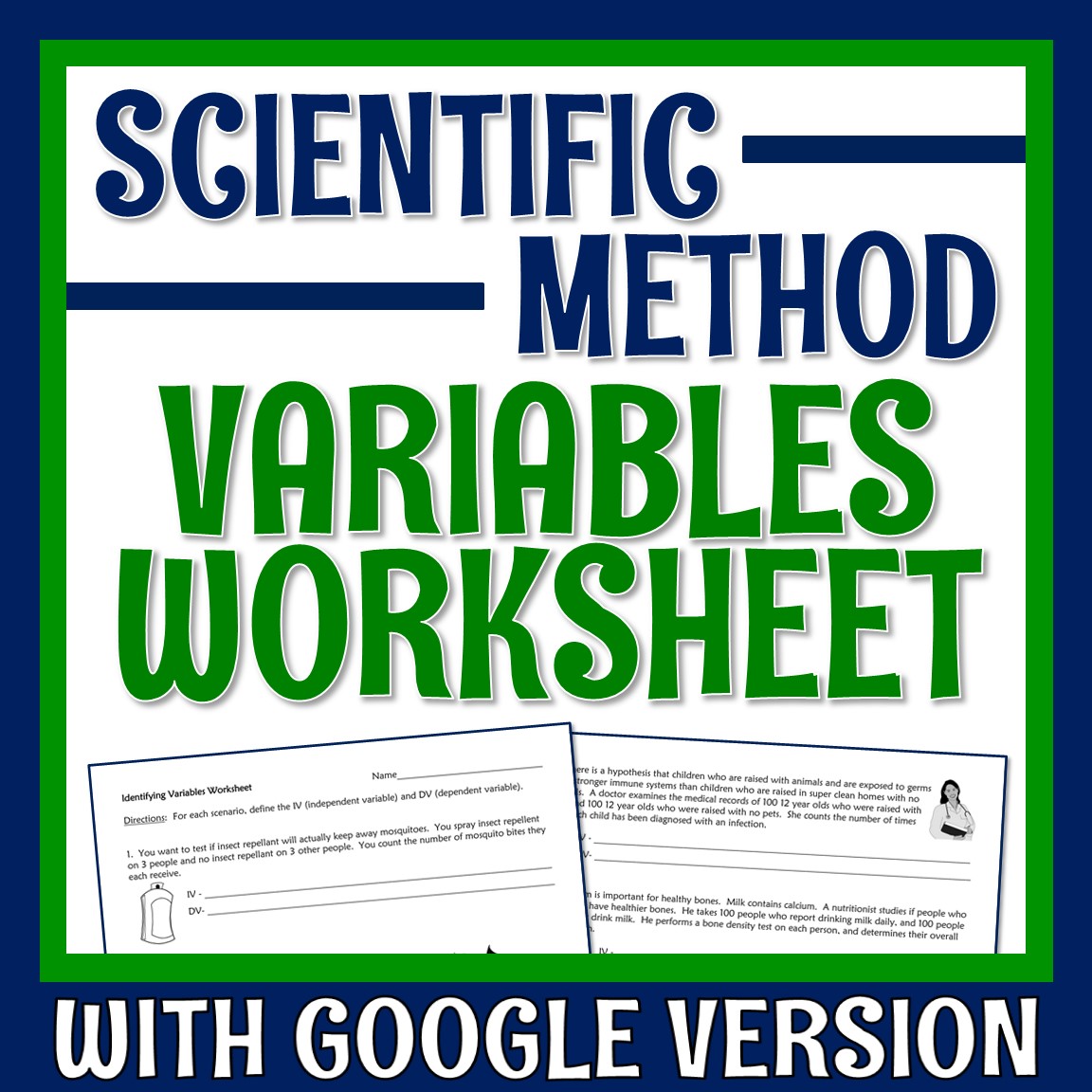
Scientific Method Variables Worksheet – Worksheets For Kindergarten
worksheets.ekocraft-appleleaf.com
Free Printable Scientific Method Worksheets PDF – Hess UnAcademy

worksheets.clipart-library.com
Scientific Method Worksheet / Homeschool Science Worksheet / Fillable
www.etsy.com
9 Best Worksheets For Understanding Scientific Method – The Teach

teachsimple.com
? Scientific Method For Kids (with Free Printables!) – Worksheets Library

worksheets.clipart-library.com
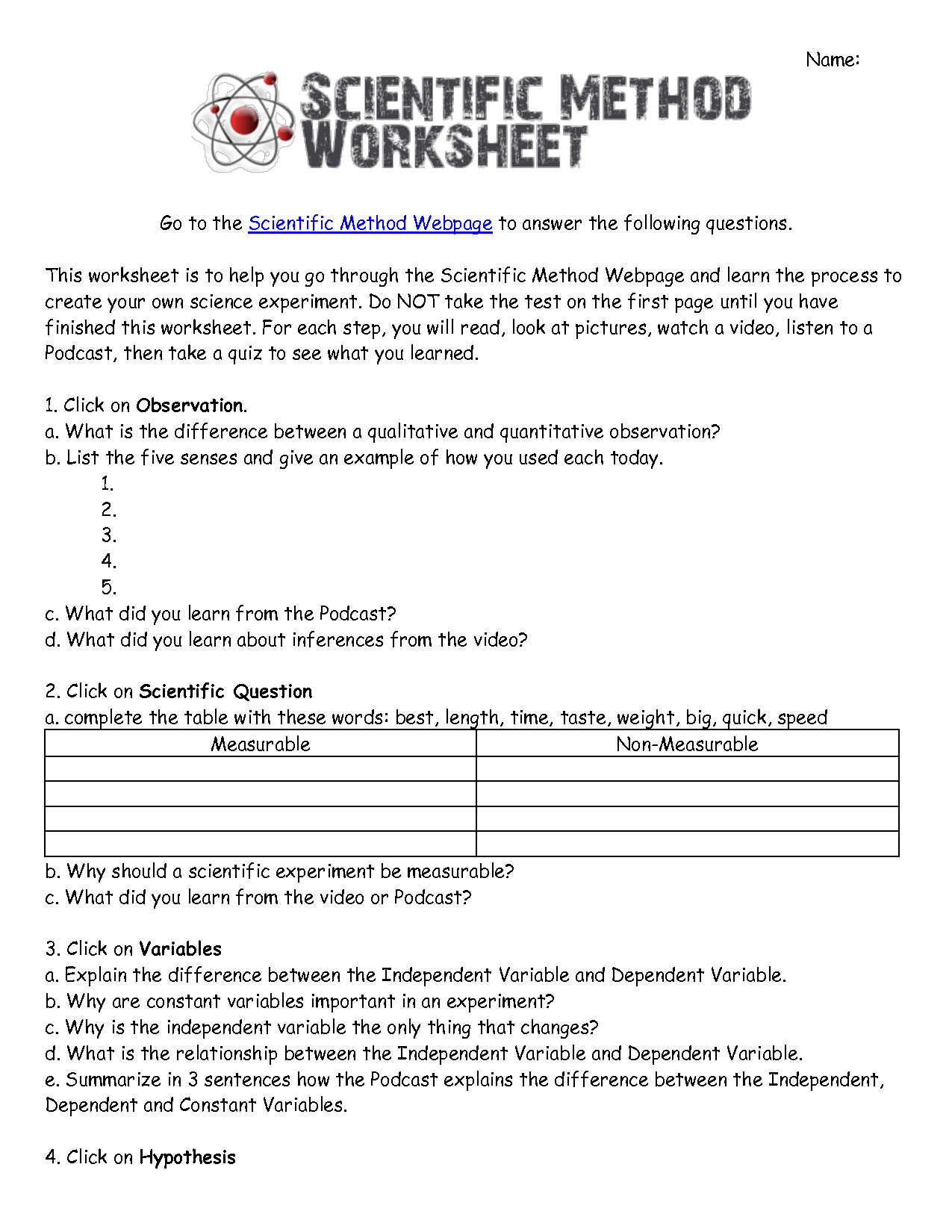
Scientific Method Worksheet Answers – E-streetlight.com
www.e-streetlight.com
Scientific Method Worksheet – Fundamentals For Chemistry | CH 100

worksheets.clipart-library.com
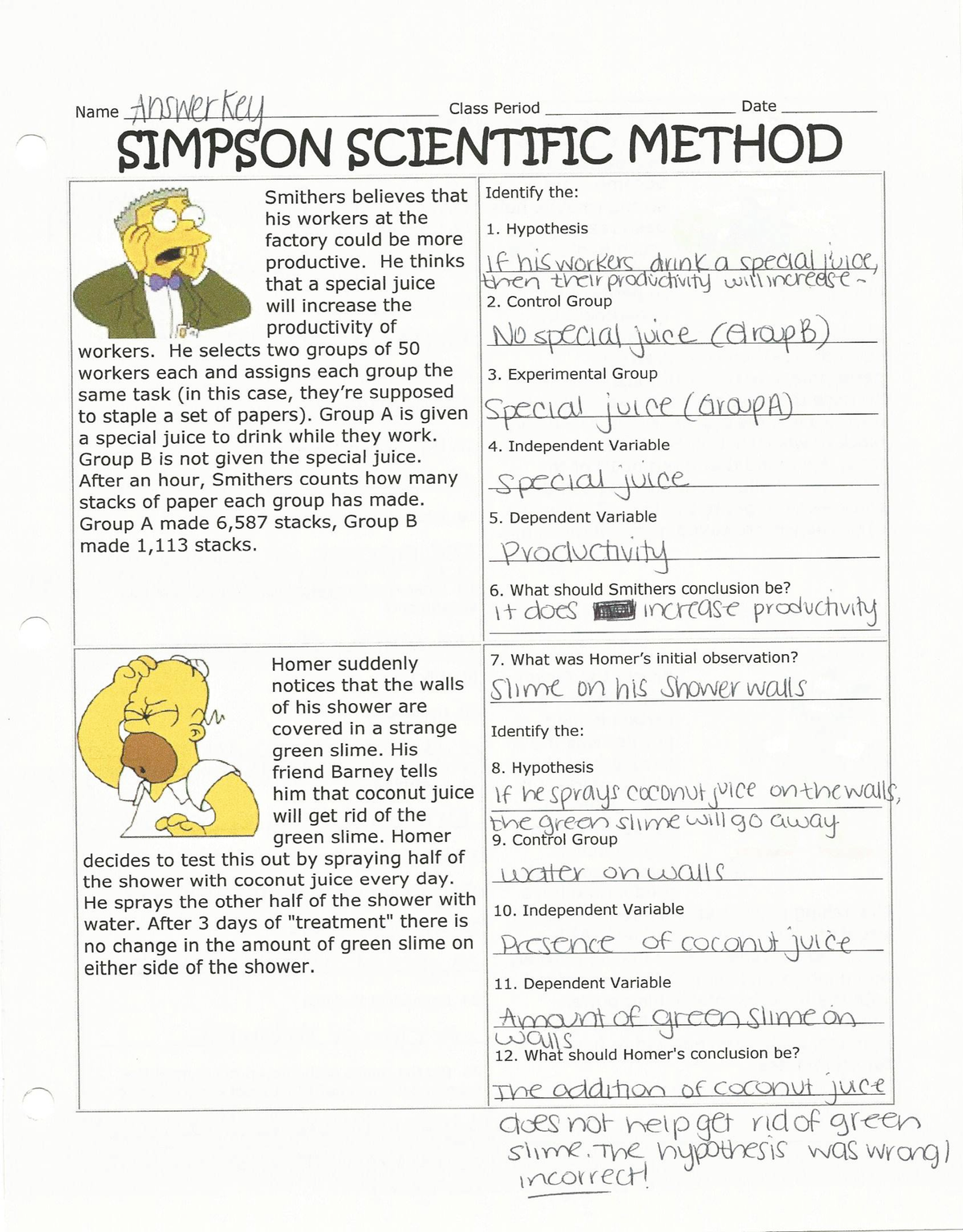
Simpson Scientific Method Answers – Studocu – Worksheets Library
worksheets.clipart-library.com
Scientific-method – The Scientific Method Answer Sheet. – Name

worksheets.clipart-library.com
Scientific Method Worksheet Printable | Up Forever

upforever.pages.dev
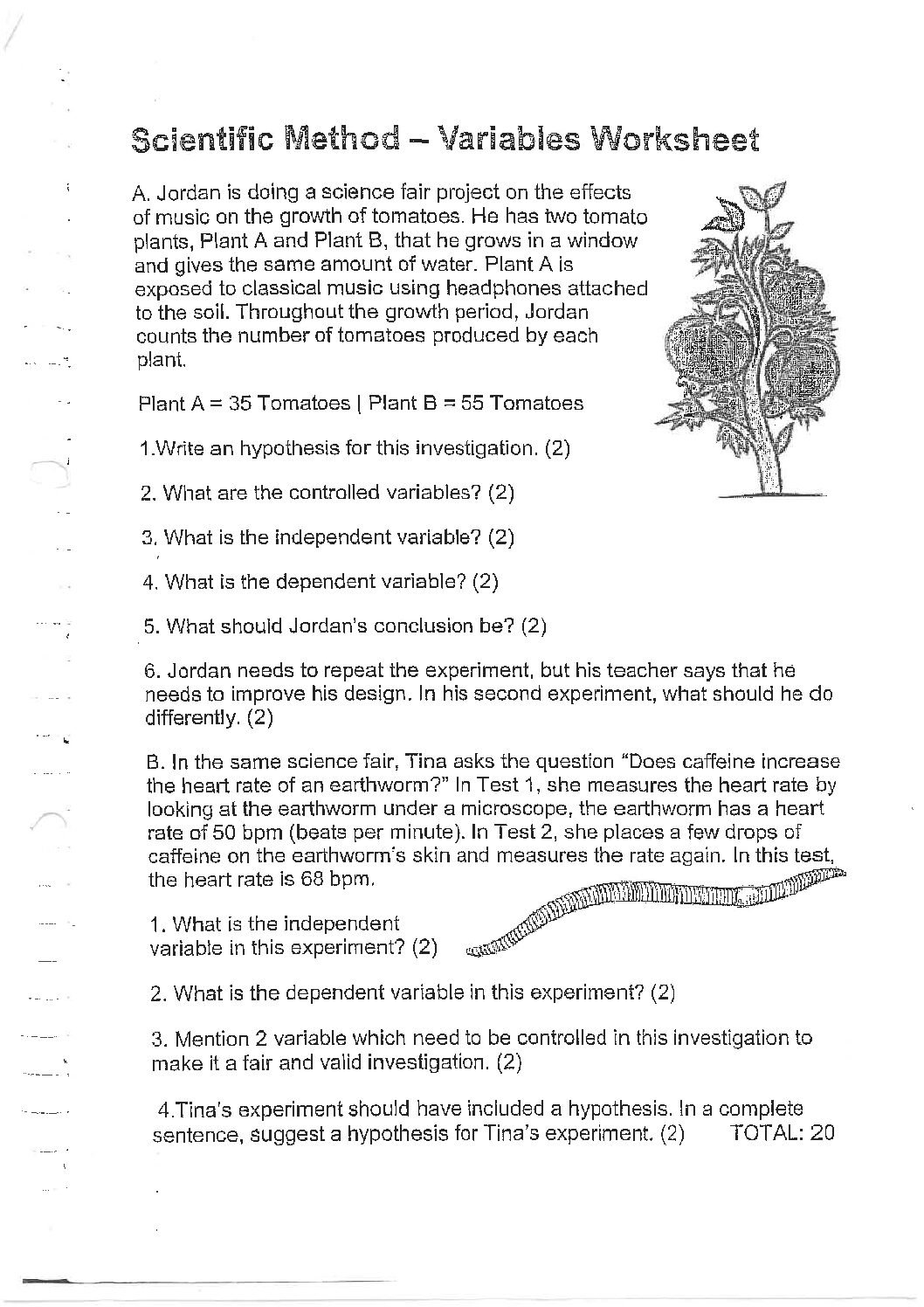
Scientific Method Worksheet For Critical Thinking Skills
lessonplanned.co.uk
Scientific Method Worksheet Elementary – E-streetlight.com

www.e-streetlight.com
The Scientific Method Facts, Worksheets, Types & Characteristics

worksheets.clipart-library.com
Scientific method worksheet for critical thinking skills. Scientific method worksheet with answers. The scientific method facts, worksheets, types & characteristics
Related posts of "Scientific Method Worksheet Answers"
