Navigating the world of electrical circuits can feel like traversing a complex maze, especially when dealing with combination circuits. These circuits, which blend series and parallel configurations, demand a solid understanding of fundamental electrical principles. That’s where a well-designed combination circuits worksheet comes in handy. A good worksheet provides structured practice, helping you master the application of Ohm’s Law, Kirchhoff’s Laws, and voltage/current divider rules in a single, integrated setting.
This post is dedicated to providing you with not just a helpful combination circuits worksheet, but also the answers and explanations needed to solidify your understanding. We’ll explore why these types of circuits are important, what key concepts you need to grasp before tackling them, and how the worksheet can be used effectively for self-study or in a classroom environment. The goal is to move beyond simply plugging numbers into formulas and to cultivate a genuine intuition for how voltage, current, and resistance interact in complex networks.
Understanding Combination Circuits
Before diving into the worksheet, let’s quickly review the core concepts. Remember, series circuits are characterized by a single path for current flow. This means the current is the same through each component, while the voltage is divided across the resistors. In contrast, parallel circuits offer multiple paths for current. The voltage is the same across each branch, but the current divides according to the resistance of each branch. Combination circuits, as the name suggests, combine these elements. Analyzing them requires systematically breaking them down into simpler series and parallel sections.
Mastering combination circuits is crucial for several reasons. They form the backbone of countless electronic devices and systems, from simple lighting circuits to complex industrial control systems. Understanding them allows you to troubleshoot problems, design new circuits, and optimize existing ones. More than just rote memorization, the goal is to develop a logical and methodical approach to analyzing any circuit you encounter. The worksheet is designed to foster this critical thinking.
Key Concepts to Review
- Ohm’s Law: V = IR (Voltage = Current x Resistance)
- Kirchhoff’s Voltage Law (KVL): The sum of the voltage drops in any closed loop is equal to the applied voltage.
- Kirchhoff’s Current Law (KCL): The sum of the currents entering a node is equal to the sum of the currents leaving the node.
- Series Resistance: Rtotal = R1 + R2 + R3 + …
- Parallel Resistance: 1/Rtotal = 1/R1 + 1/R2 + 1/R3 + … (or use product over sum for two resistors)
- Voltage Divider Rule: Vx = Vtotal * (Rx / Rtotal) (for series circuits)
- Current Divider Rule: Ix = Itotal * (Rtotal(parallel) / Rx) (for parallel circuits; Rtotal(parallel) is the equivalent resistance of the parallel branch)
The worksheet will likely involve problems where you need to find equivalent resistances, total current, voltage drops across individual resistors, and currents through different branches. Remember to always start by identifying series and parallel sections and simplifying the circuit step-by-step. A good strategy is to redraw the circuit after each simplification to visualize the progress.
Ready to test your knowledge? Below are the answers to a sample Combination Circuits Worksheet. This is intended as a guide; your worksheet might have different values or circuit configurations, so be sure to understand *why* the answer is correct, not just memorizing the numbers. If your worksheet questions differ, use these answers and the accompanying logic as a guide.
Sample Combination Circuits Worksheet Answers
These answers assume the following: A circuit with a 12V source (Vtotal). Resistor R1 = 10 ohms, R2 = 20 ohms, R3 = 30 ohms. R2 and R3 are in parallel, and that parallel combination is in series with R1. The goal is to find: 1) The total resistance (Rtotal) of the circuit; 2) the total current (Itotal) flowing from the source; 3) the voltage drop across R1 (VR1); 4) the current flowing through R2 (IR2); and 5) the current flowing through R3 (IR3).
- 1. Total Resistance (Rtotal):
- First, calculate the equivalent resistance of R2 and R3 in parallel. R23 = (R2 * R3) / (R2 + R3) = (20 * 30) / (20 + 30) = 600 / 50 = 12 ohms
- Then, add R1 in series: Rtotal = R1 + R23 = 10 + 12 = 22 ohms
- Use Ohm’s Law: Itotal = Vtotal / Rtotal = 12 / 22 = 0.545 Amps (approximately)
- Use Ohm’s Law: VR1 = Itotal * R1 = 0.545 * 10 = 5.45 Volts (approximately)
- First find the voltage across the parallel combination of R2 and R3: VR23 = Vtotal – VR1 = 12 – 5.45 = 6.55 Volts (approximately). Because R2 and R3 are in parallel, they have the same voltage across them.
- Then, use Ohm’s Law: IR2 = VR23 / R2 = 6.55 / 20 = 0.328 Amps (approximately)
- Using the same voltage across R2 and R3: VR23 = 6.55 Volts (approximately)
- Use Ohm’s Law: IR3 = VR23 / R3 = 6.55 / 30 = 0.218 Amps (approximately)
By carefully working through the worksheet and understanding the rationale behind each step, you’ll be well on your way to mastering combination circuits. Remember to practice consistently and refer back to the fundamental principles as needed. Good luck!
If you are looking for Combination Circuits Worksheet with Answers Beautiful Worksheet Circuit you’ve came to the right web. We have 20 Pictures about Combination Circuits Worksheet with Answers Beautiful Worksheet Circuit like Combination Circuits Worksheet with Answers Beautiful Worksheet Circuit, Combination Circuits Worksheet With Answers – Ame.my.id and also Combination Circuits Worksheet With Answers Combination Circ. Read more:
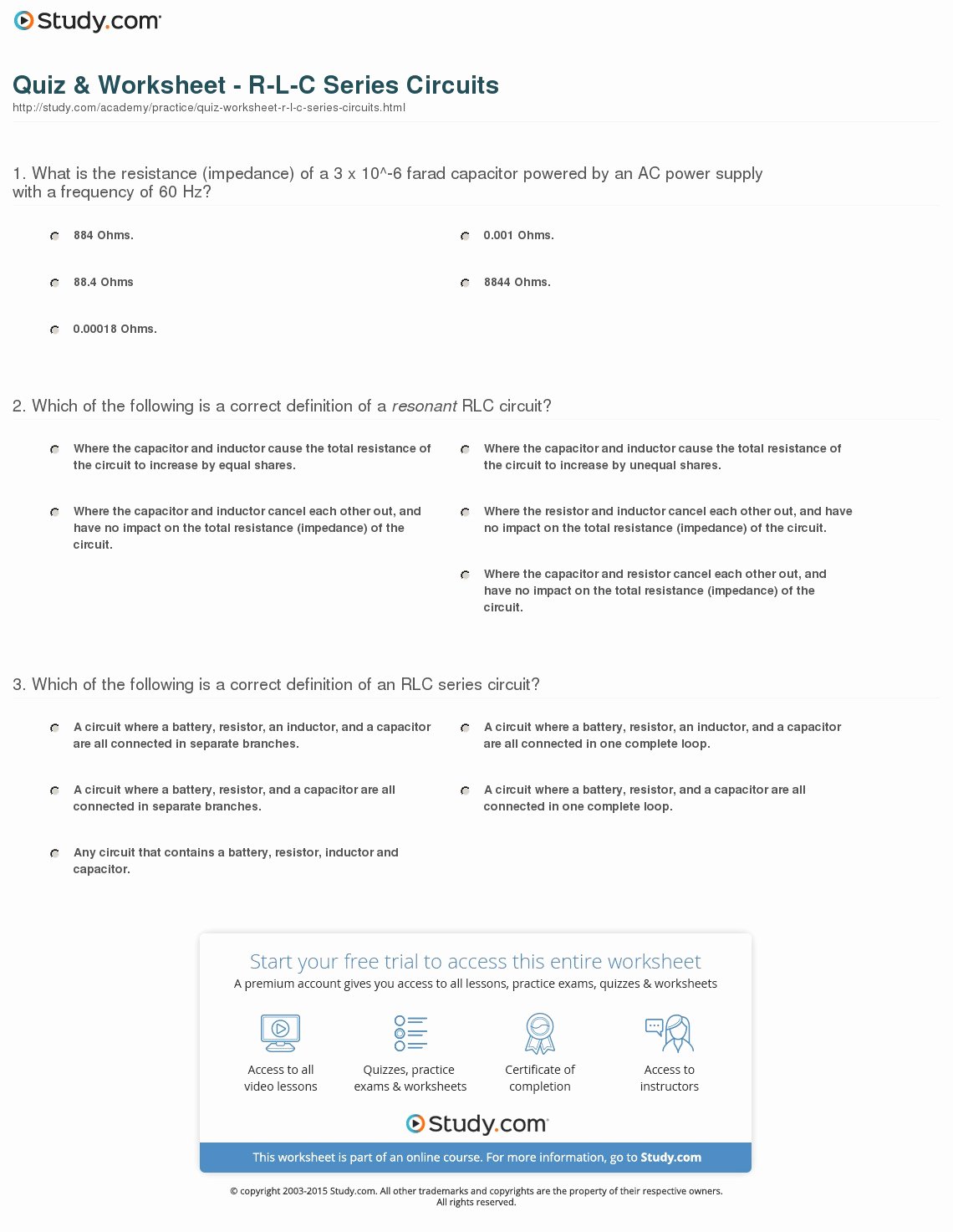
Combination Circuits Worksheet With Answers Beautiful Worksheet Circuit
chessmuseum.org
Circuits Worksheet With Answers

ar.inspiredpencil.com
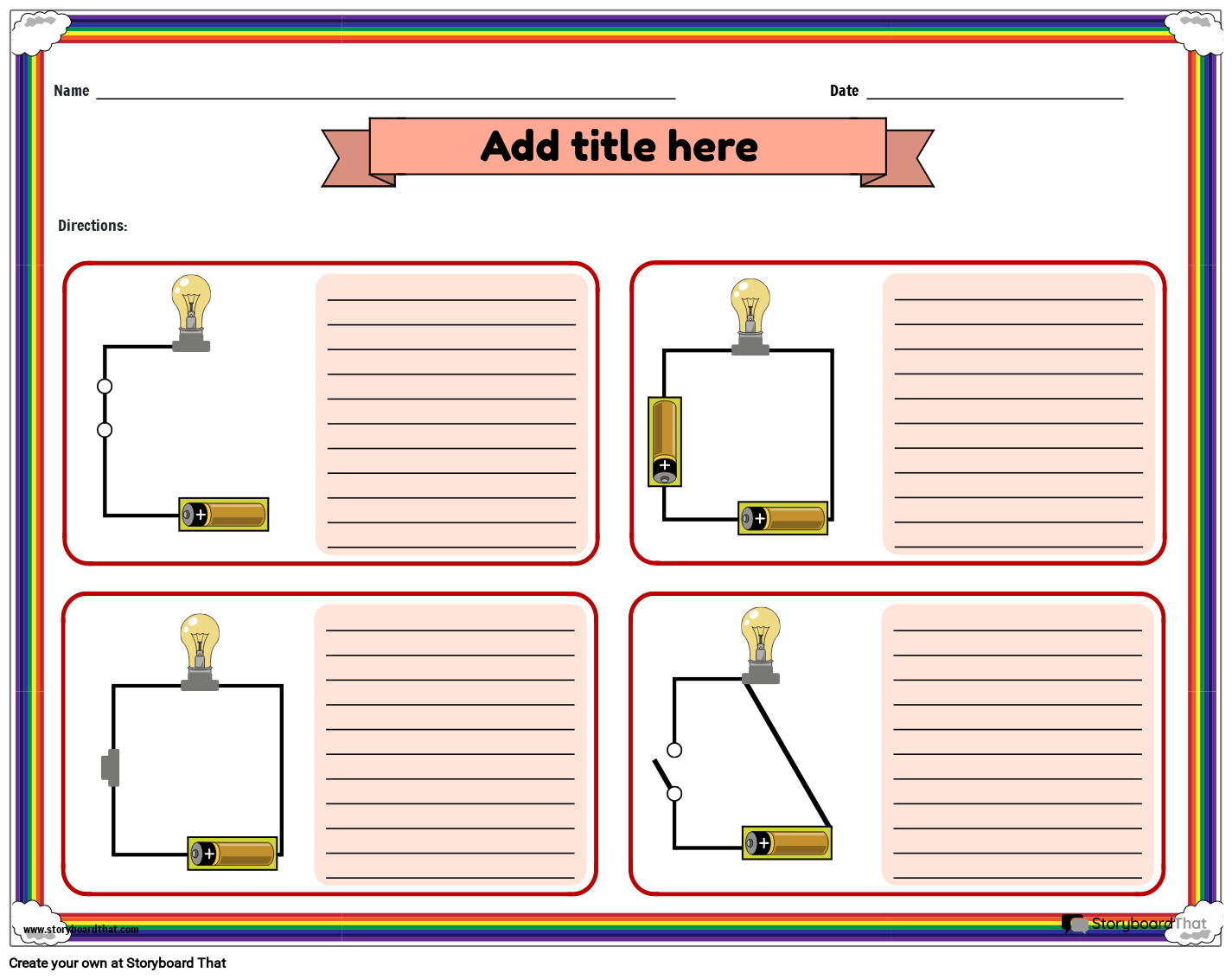
Light Bulb And Battery Circuits Sheet Storyboard
www.storyboardthat.com
SOLUTION: Permutations And Combinations Practice Questions With

worksheets.clipart-library.com
Circuits Worksheet

www.yumpu.com
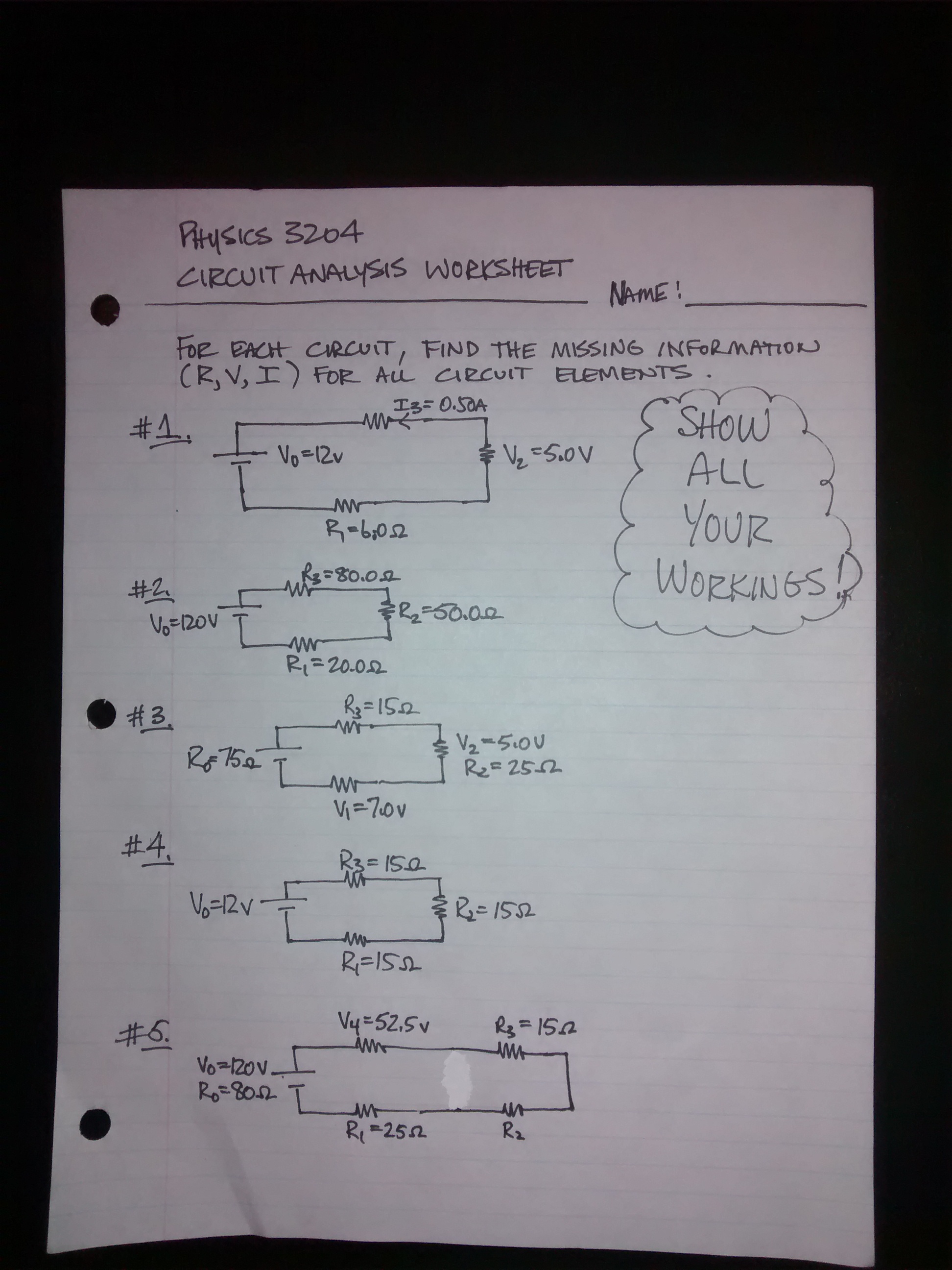
Combination Circuits Worksheet With Answers – Ame.my.id
ame.my.id
SOLUTION: Copy Of 9.05 Electric Circuits Worksheet – Studypool

worksheets.clipart-library.com
Combination Circuits Worksheet With Answers Lovely Series And Parallel

www.artofit.org
SOLUTION: Copy Of 9.05 Electric Circuits Worksheet – Studypool

worksheets.clipart-library.com
Combination Circuits Worksheet With Answers Bination Circuits Worksheet

www.pinterest.com
Worksheet Electrical Circuit

answercampusplaybilltca.z21.web.core.windows.net
Combination Circuits Worksheet With Answers Kd 1567] Circuits In Series
![Combination Circuits Worksheet with Answers Kd 1567] Circuits In Series](https://i.pinimg.com/originals/44/b8/64/44b864044633cb759e47607c897cf419.jpg)
www.pinterest.ph
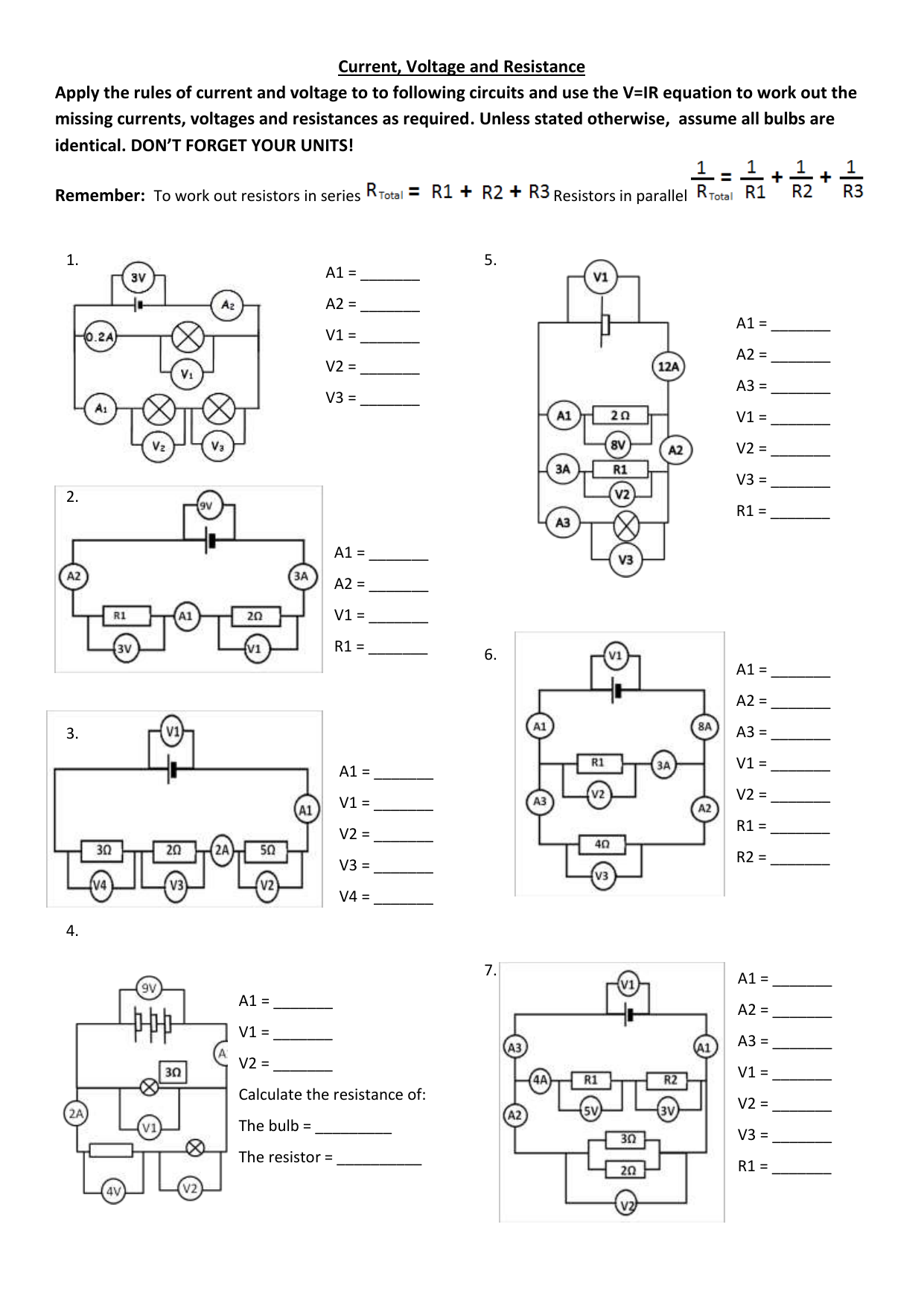
Series And Parallel Circuits Worksheet – Ame.my.id
ame.my.id
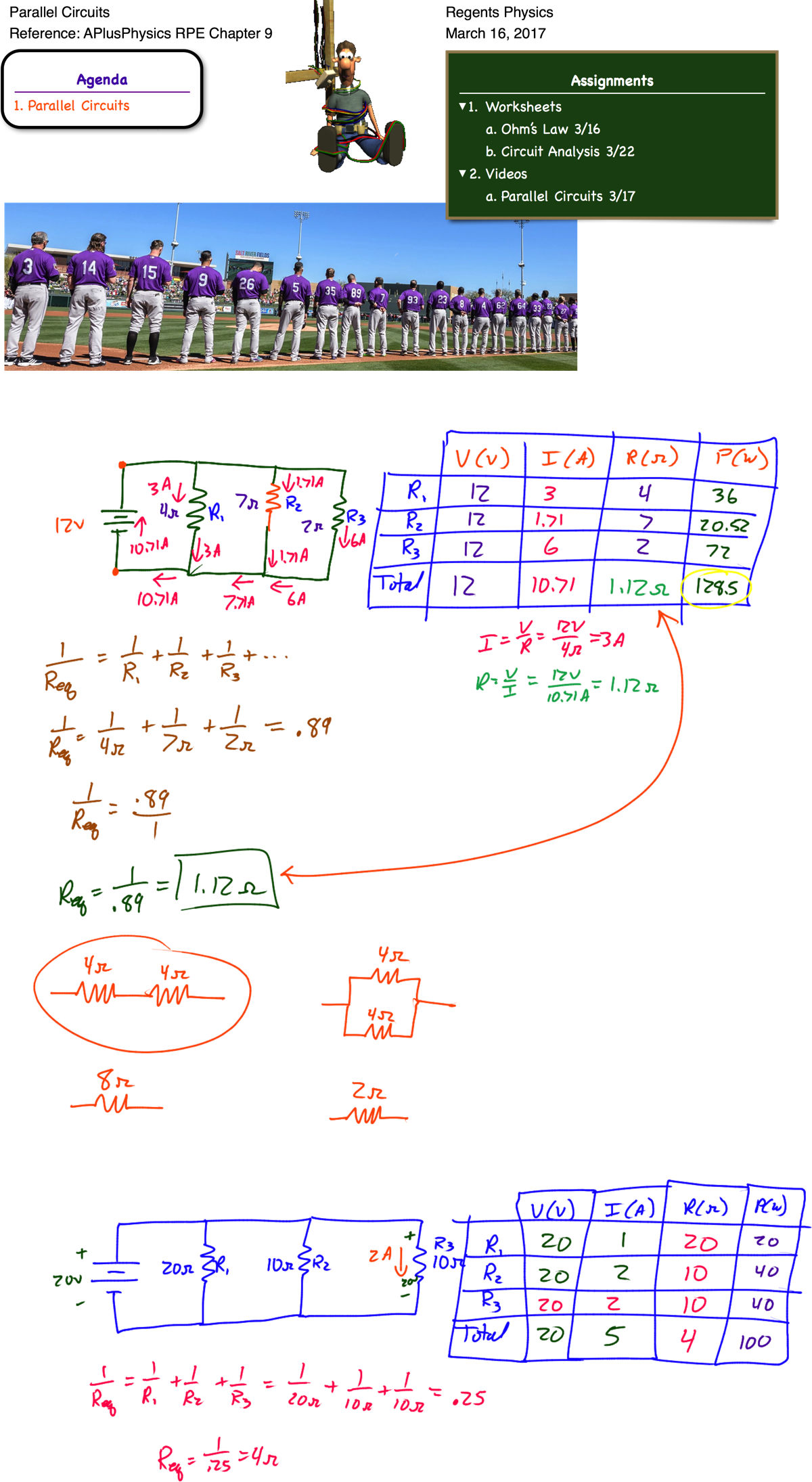
Combination Circuits Worksheet With Answers Combination Circ
unyttegkklessonmedia.z14.web.core.windows.net
Combination Circuits Worksheet – Math Application Worksheets

eicworksheet.blogspot.com
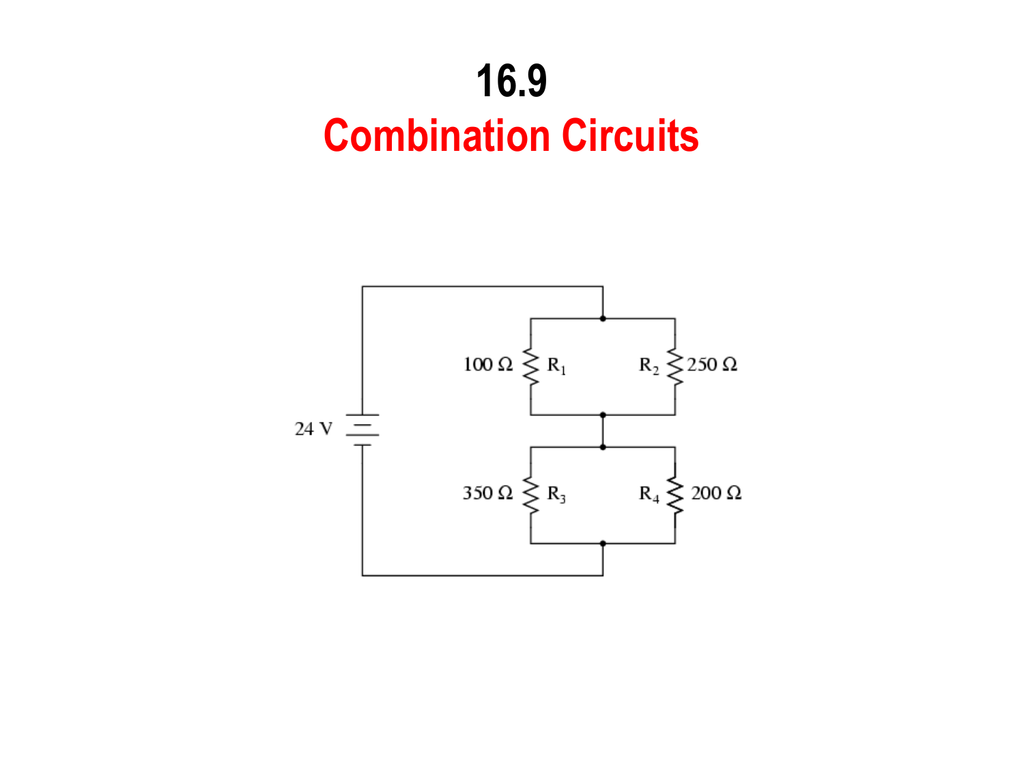
Examples Of Combination Circuits
materialfulltriquetra.z21.web.core.windows.net
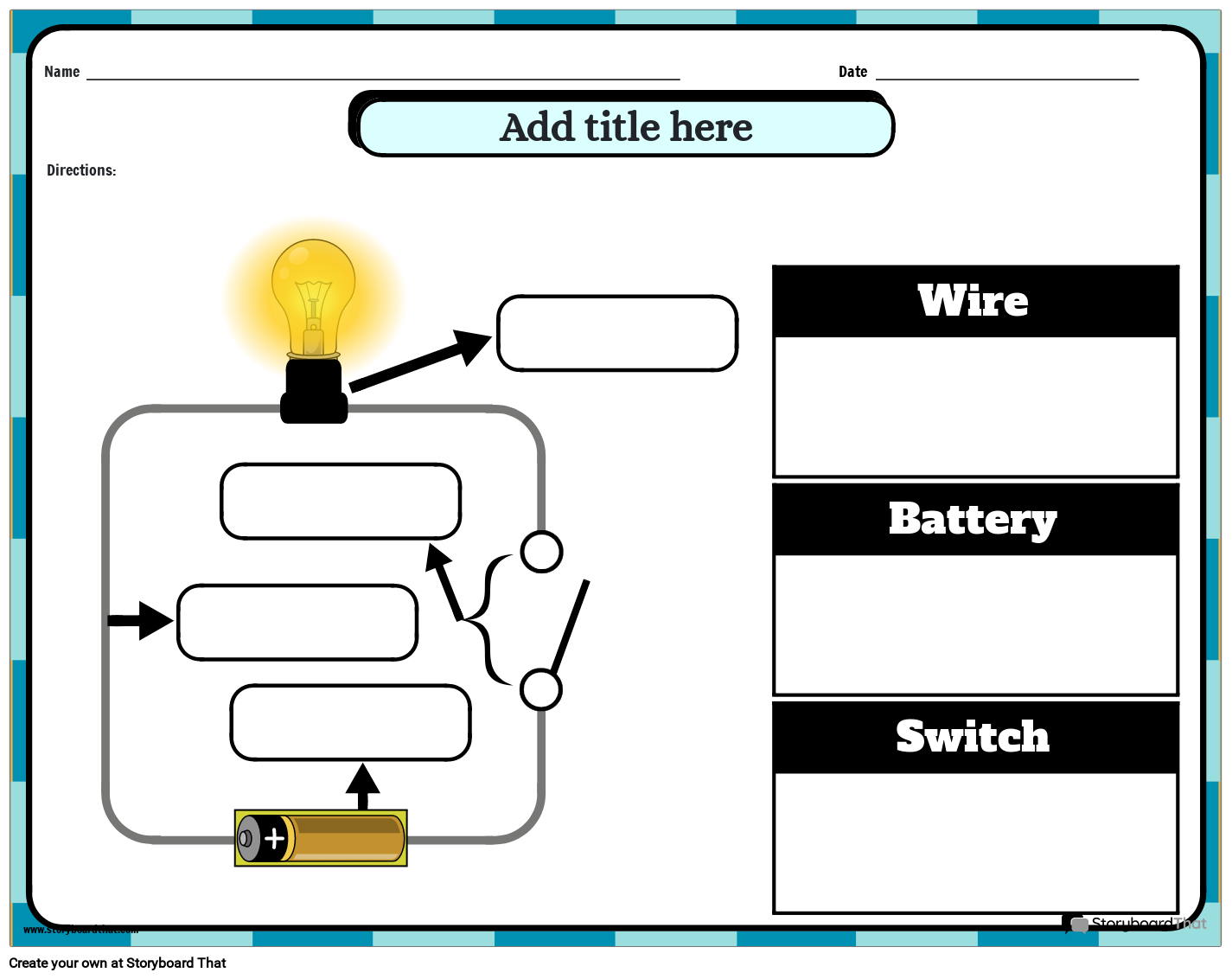
Electric Circuits 2 Worksheet
narodnatribuna.info
Series Circuits Worksheets

www.housview.com
SOLUTION: Understanding Electric Circuits And Ohm's Law Worksheet For

www.studypool.com
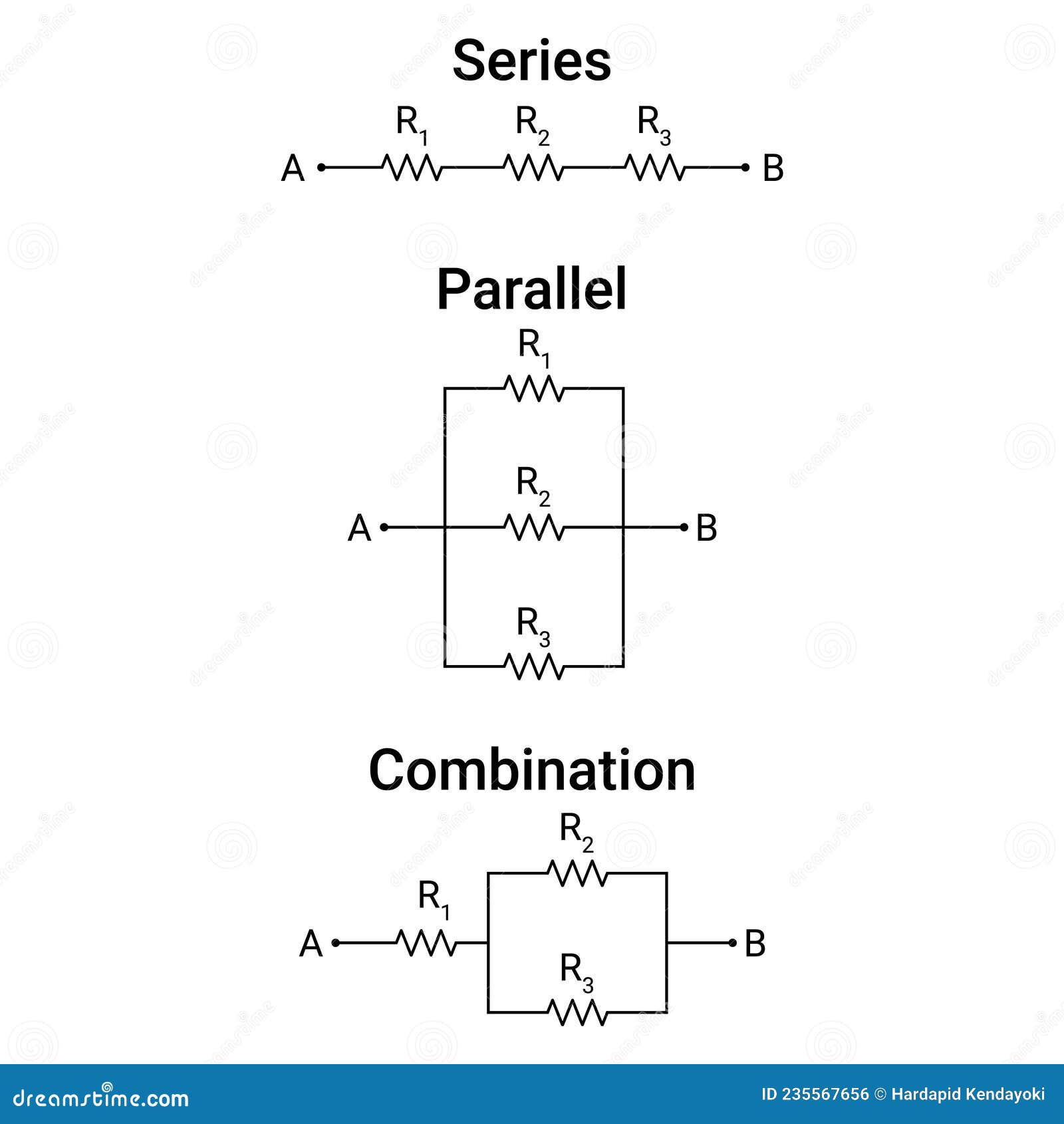
Solve Combination Circuits
ar.inspiredpencil.com
combination circuits worksheet with answers lovely series and parallel …. combination circuits worksheet. Worksheet electrical circuit