Covalent bonding, a fundamental concept in chemistry, describes the sharing of electron pairs between atoms. This type of bonding is particularly prevalent between nonmetal atoms and is responsible for the formation of countless molecules, ranging from simple gases like oxygen (O2) to complex organic molecules like DNA. Mastering covalent bonding requires a thorough understanding of electron configurations, Lewis structures, and the electronegativity differences that influence bond polarity. Often, students grapple with predicting the number of bonds an atom will form, drawing accurate Lewis structures depicting shared electrons, and distinguishing between single, double, and triple bonds.
Worksheets are a common tool used in classrooms and for independent study to reinforce these concepts. They provide students with opportunities to practice drawing Lewis structures, determining molecular shapes, and understanding the properties of covalently bonded compounds. However, navigating these worksheets can sometimes be challenging. That’s why having access to a reliable answer key is crucial. An answer key not only confirms the accuracy of your work but also serves as a valuable learning tool. By comparing your answers to the key, you can identify areas where you might be struggling and reinforce your understanding of the underlying principles.
This post provides an answer key to a typical covalent bonding worksheet. It’s important to remember that simply copying the answers is not the goal. The true value lies in understanding *why* the answers are what they are. Therefore, we encourage you to first attempt the worksheet independently and then use this answer key to check your work and gain a deeper understanding of covalent bonding.
Covalent Bonding Worksheet Answer Key
Below are the answers to a hypothetical covalent bonding worksheet. The questions might cover topics like drawing Lewis structures, identifying bond types, determining molecular shapes, and predicting polarity.
Question 1: Draw the Lewis structure for Methane (CH4)
- Answer: The Lewis structure for methane (CH4) consists of a central carbon atom bonded to four hydrogen atoms. Carbon has four valence electrons and forms four single covalent bonds, one with each hydrogen atom. Each hydrogen atom contributes one electron to the bond. The carbon atom is surrounded by four bonding pairs of electrons (eight electrons total), satisfying the octet rule.
Question 2: Draw the Lewis structure for Water (H2O)
- Answer: The Lewis structure for water (H2O) shows a central oxygen atom bonded to two hydrogen atoms. Oxygen has six valence electrons and forms two single covalent bonds, one with each hydrogen atom. Each hydrogen atom contributes one electron to the bond. The oxygen atom also has two lone pairs of electrons. The oxygen atom is surrounded by two bonding pairs and two lone pairs of electrons (eight electrons total), satisfying the octet rule.
Question 3: Draw the Lewis structure for Carbon Dioxide (CO2)
- Answer: The Lewis structure for carbon dioxide (CO2) shows a central carbon atom bonded to two oxygen atoms. Carbon has four valence electrons and forms two double covalent bonds, one with each oxygen atom. Each oxygen atom has six valence electrons and forms one double bond. Each oxygen atom also has two lone pairs of electrons. The carbon atom is surrounded by two double bonds (eight electrons total), satisfying the octet rule. Each oxygen atom is also surrounded by one double bond and two lone pairs of electrons (eight electrons total), satisfying the octet rule.
Question 4: Identify the type of bond (single, double, or triple) in the following molecules:
- a) N2: Triple bond
- b) O2: Double bond
- c) H2: Single bond
- d) Ethane (C2H6): Single bonds
- e) Ethene (C2H4): Single and double bonds
- f) Ethyne (C2H2): Single and triple bonds
Question 5: Determine if the following bonds are polar or nonpolar:
- a) C-H: Nonpolar
- b) O-H: Polar
- c) N-H: Polar
- d) Cl-Cl: Nonpolar
- e) C-O: Polar
- f) C-Cl: Polar
Question 6: Explain why noble gases are generally unreactive.
- Answer: Noble gases are generally unreactive because they have a full valence shell of electrons (8 electrons, except for helium which has 2). This stable electron configuration makes them energetically unfavorable to form chemical bonds, including covalent bonds. They already possess the stable octet (or duet for helium) that other elements strive to achieve through bonding.
This answer key provides a basic framework for understanding covalent bonding concepts. Depending on the specific content of your worksheet, the questions and answers might vary. However, the fundamental principles remain the same. Always remember to focus on understanding the underlying concepts rather than just memorizing the answers. By doing so, you’ll develop a solid foundation in chemistry that will serve you well in future studies.
If you are searching about Free chemical bonding worksheet, Download Free chemical bonding you’ve visit to the right web. We have 20 Images about Free chemical bonding worksheet, Download Free chemical bonding like Covalent Bonding Worksheet Answer Key Lovely 9 Best Of Naming Simple, Covalent Bonding Worksheet Answer Key – Ame.my.id and also Covalent bonding worksheet answer key – Artofit. Here it is:
Free Chemical Bonding Worksheet, Download Free Chemical Bonding

worksheets.clipart-library.com
Homework WS3 Covalent Bonding Answerkey – Name: Date: – Studocu

worksheets.clipart-library.com
Chemical Bonding Worksheet Key Chemical Bonding Worksheet Key As Level

www.pinterest.com
Chemical Bonding Worksheet Answer Key
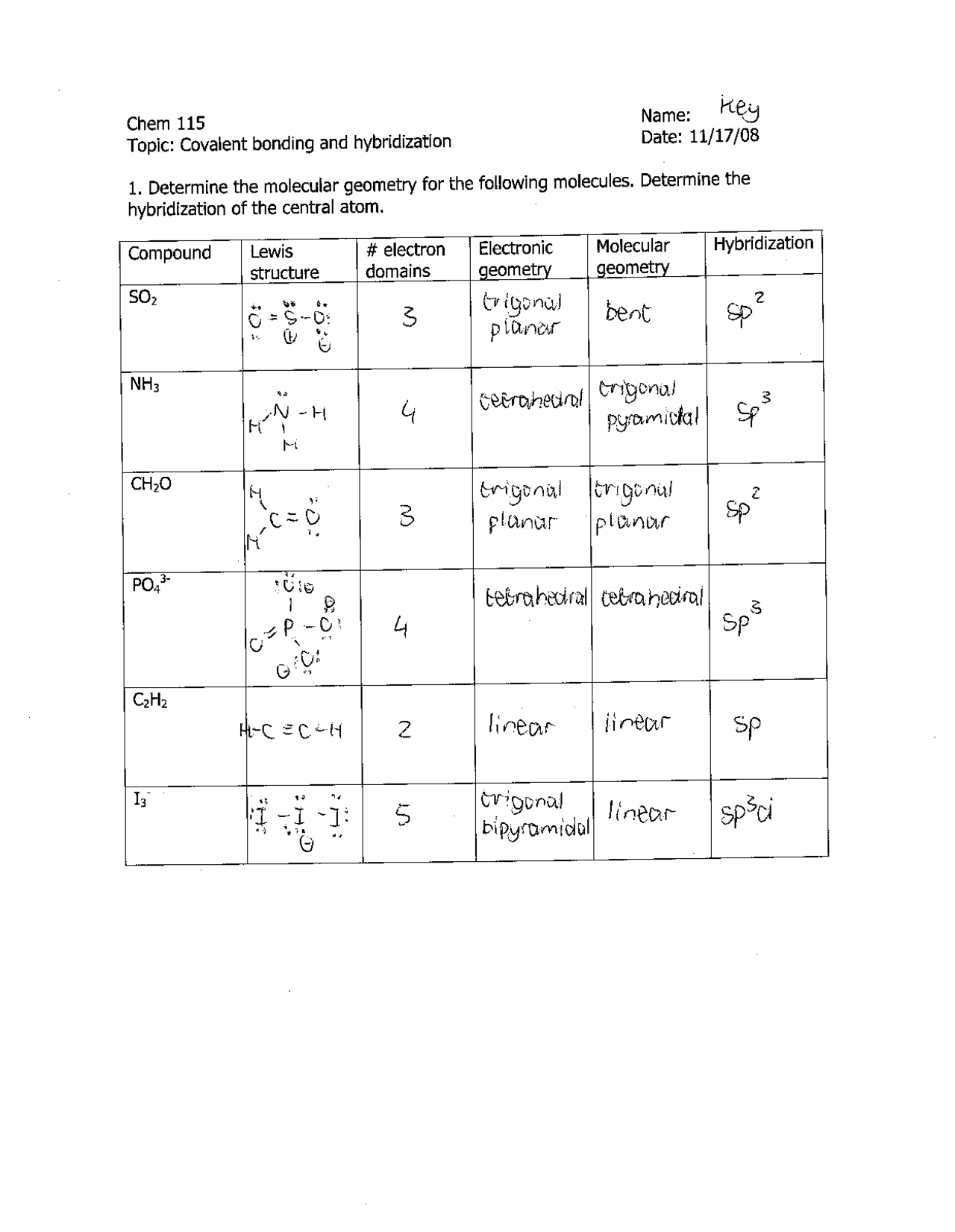
www.proworksheet.my.id
Covalent Chemical Bonding Worksheet Answers – Inspirevio
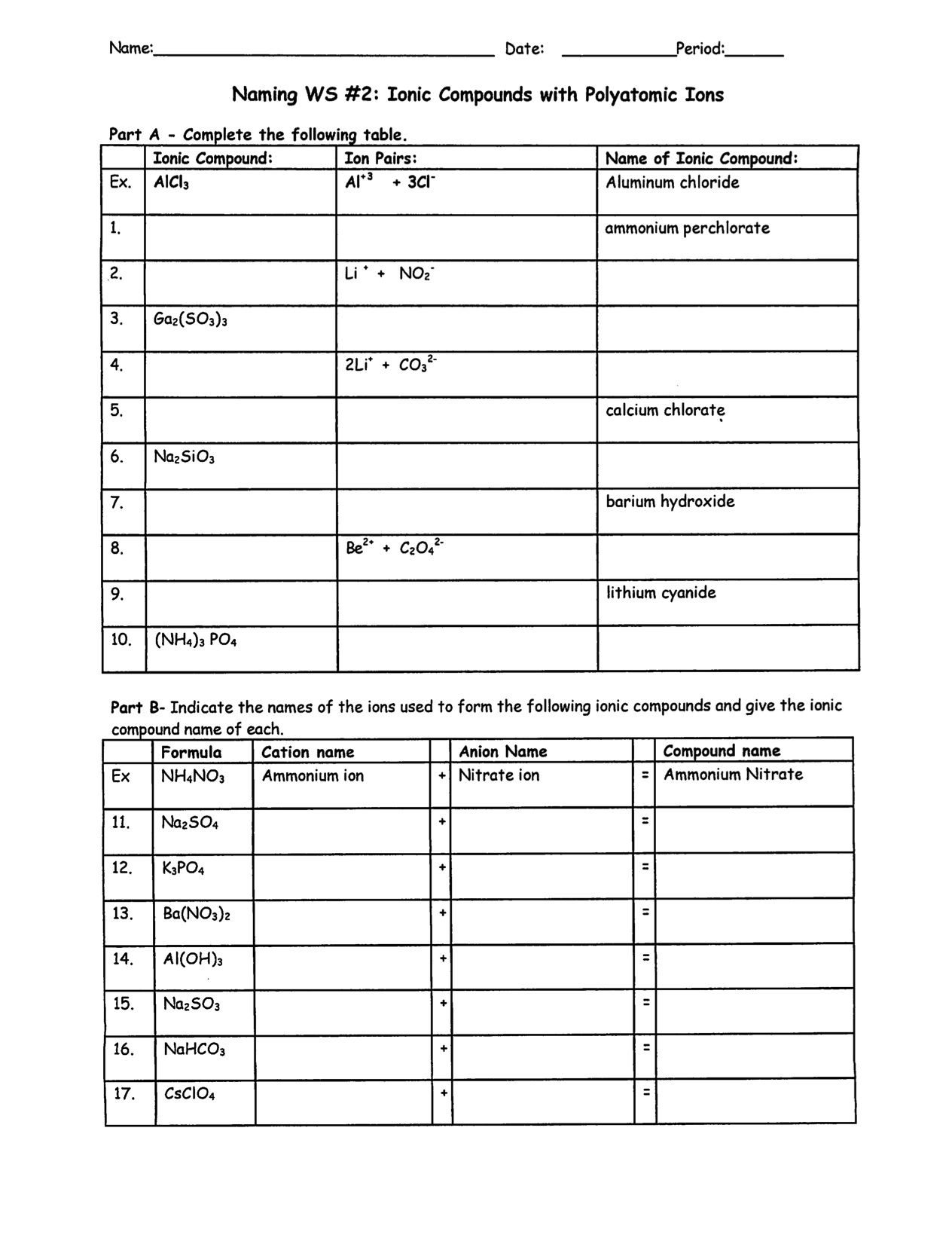
inspirevio.blogspot.com
Covalent Bonding Worksheet Answer Key – Chart Sheet Gallery
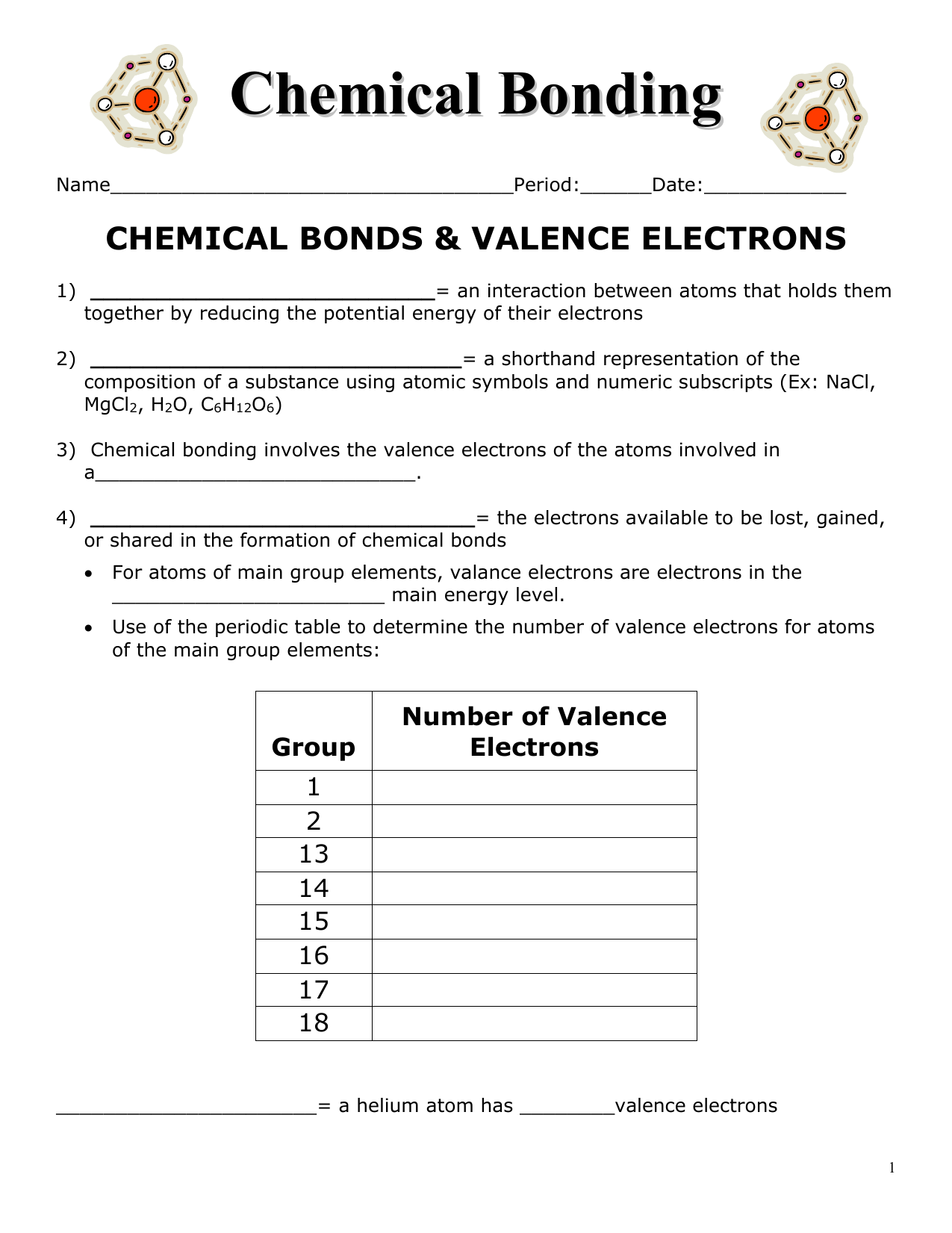
chartsheetdiagram.blogspot.com
Covalent Bonding Worksheet Answer Key – Ame.my.id
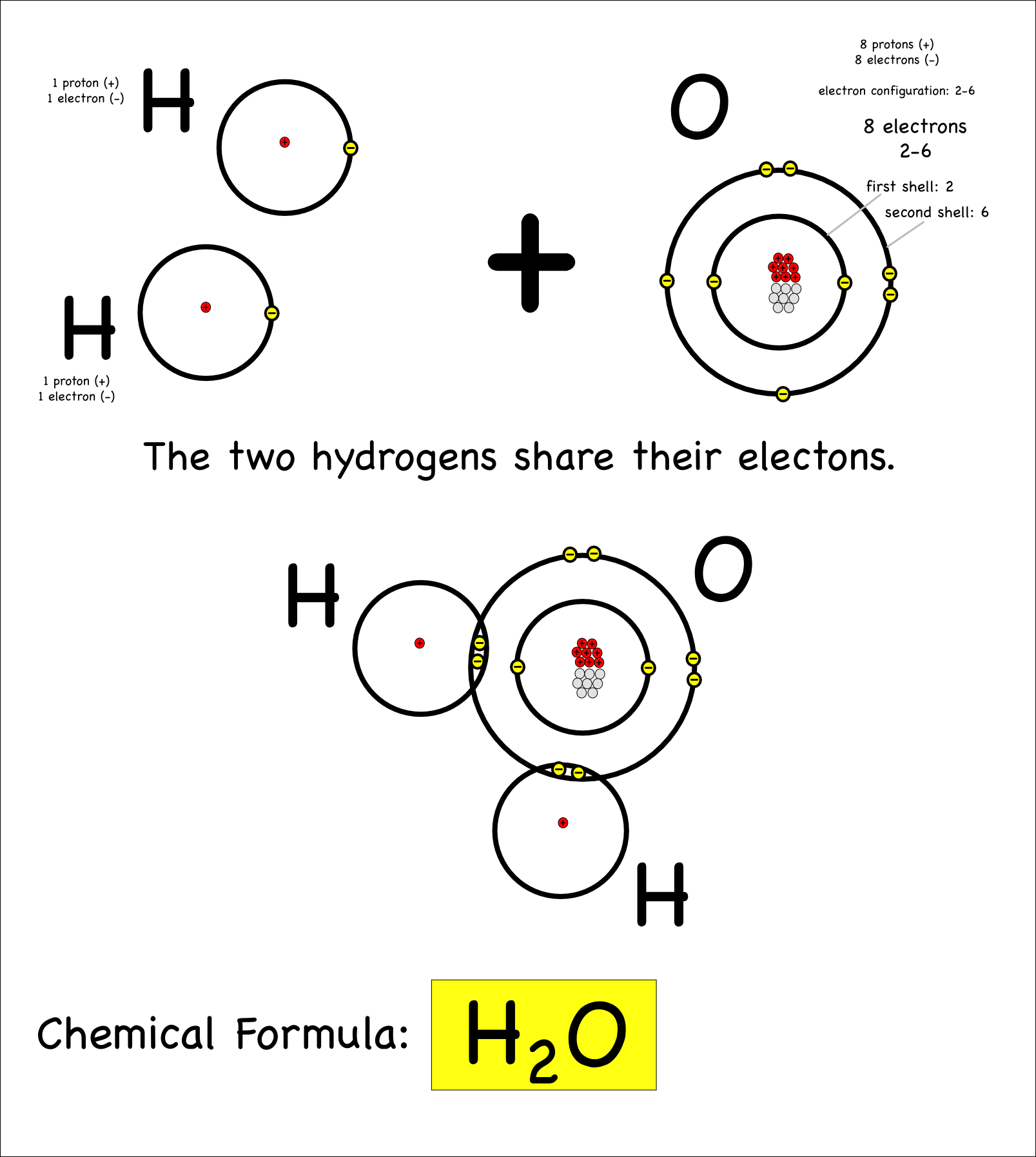
ame.my.id
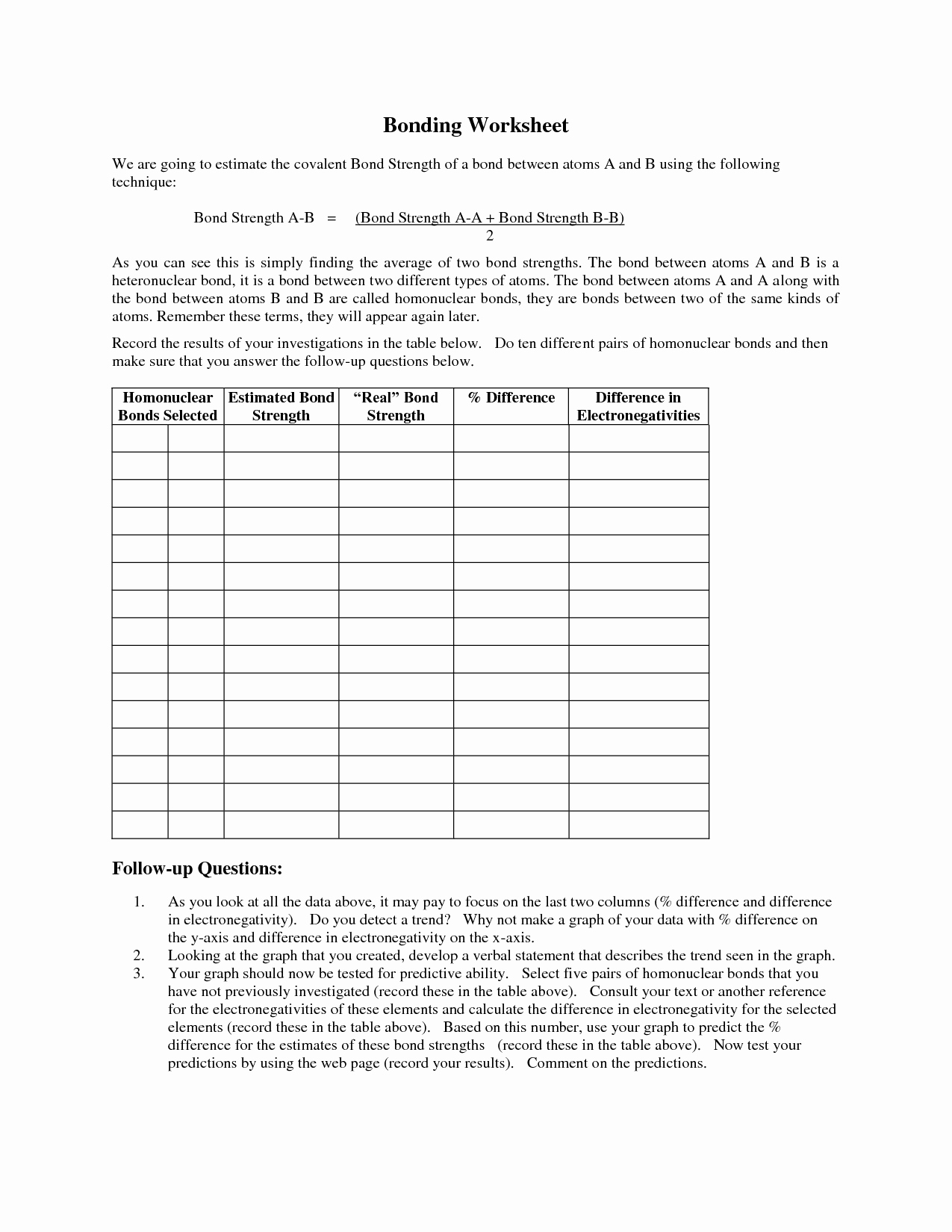
Covalent Bonding Worksheet Answer Key Inspirational 11 Best Of Ionic
chessmuseum.org
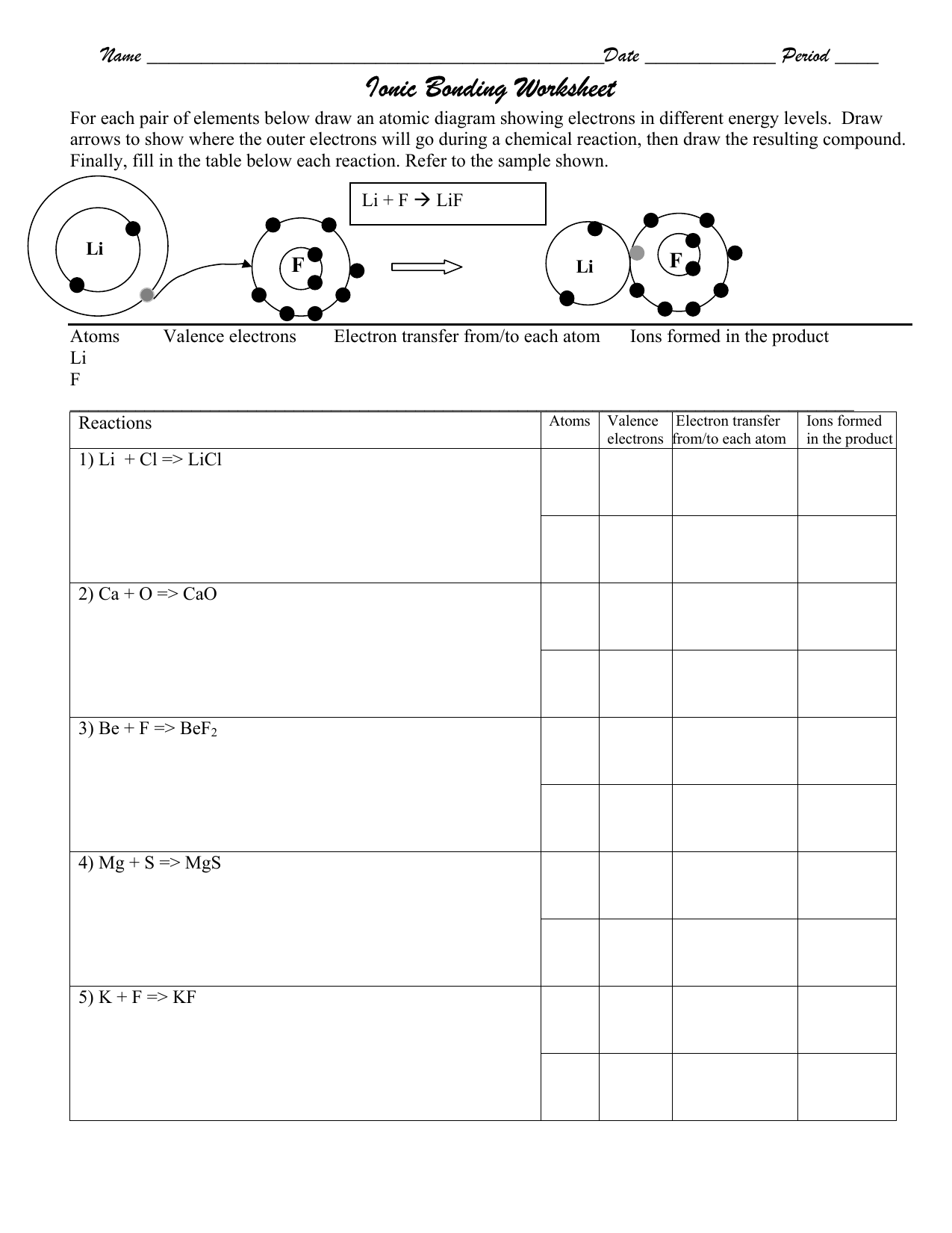
38 Atoms And Bonding Worksheet – Worksheet Resource
obropolox.blogspot.com
Covalent Bonding Worksheet Answer Key – Artofit

www.artofit.org
Covalent Bonding Naming Worksheet

manualpohovanuosu.z21.web.core.windows.net
Covalent Bonding Worksheet Answer Key Lovely 9 Best Of Naming Simple

chessmuseum.org
Nomenclature Worksheet 6 Binary Covalent Compounds

beoala.website
Free Chemical Bonding Worksheet, Download Free Chemical Bonding

worksheets.clipart-library.com
Covalent Bonding Worksheet Answer Key Inspirational Ionic And Covalent

www.compoundworksheets.com
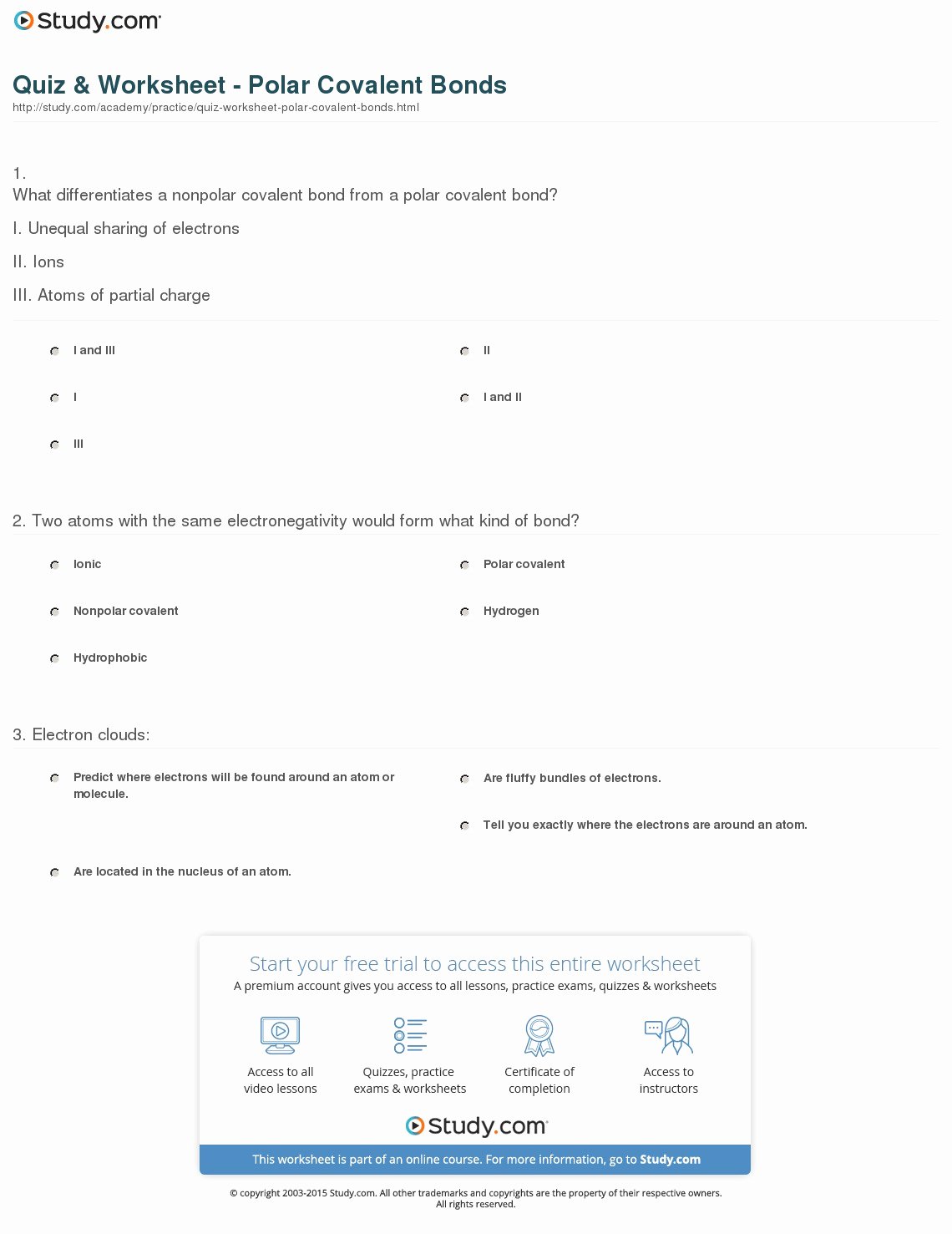
Covalent Bonding Worksheet Answer Key Lovely Covalent Bonding
chessmuseum.org
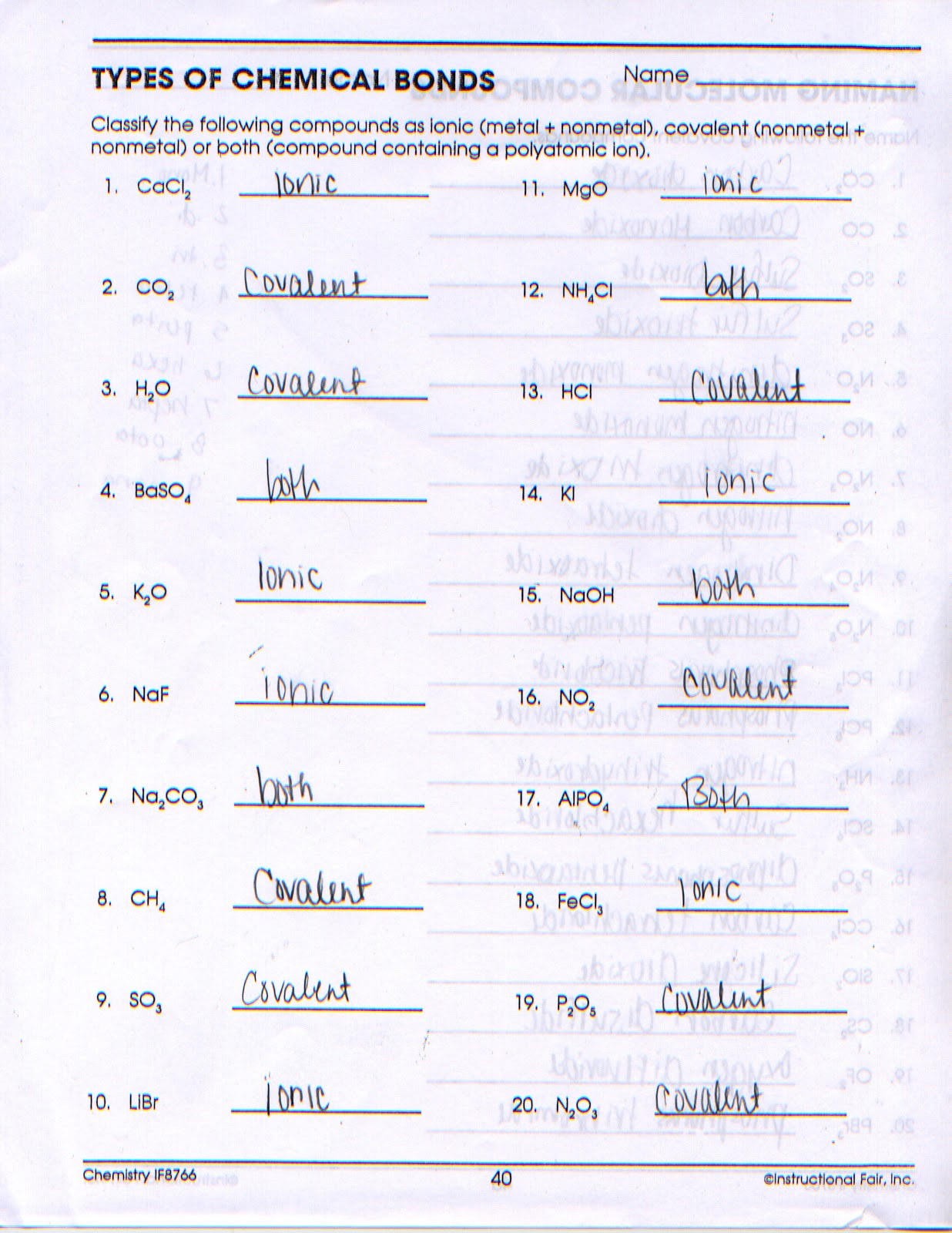
Bonding Worksheet Answers Key List The Following Ionic Compounds
www.compoundworksheets.com
Covalent Bonding Worksheet – Wendelina
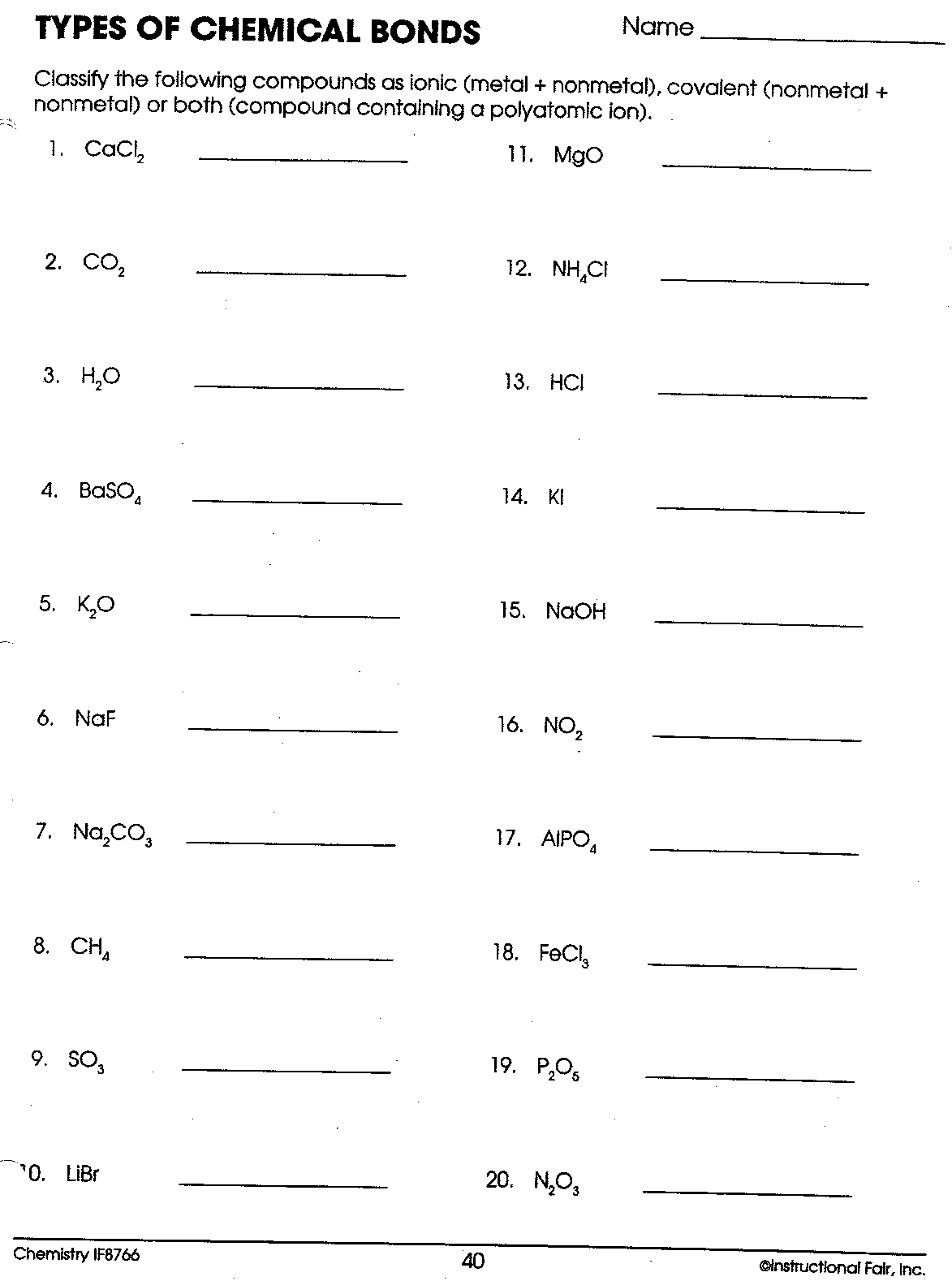
wendelina.blogspot.com
Identifying Ionic And Covalent Bonds Worksheet Answer Key – Printable

davida.davivienda.com
Covalent Bonding Naming Worksheet

manualpohovanuosu.z21.web.core.windows.net
Covalent bonding naming worksheet. Covalent bonding naming worksheet. Free chemical bonding worksheet, download free chemical bonding …