Chemistry students, are you struggling with naming binary ionic compounds? Fear not! This post is designed to help you master this fundamental concept. Binary ionic compounds are formed between a metal and a nonmetal, held together by the electrostatic attraction between oppositely charged ions. Understanding how to name these compounds correctly is crucial for building a solid foundation in chemistry, as it lays the groundwork for more complex chemical nomenclature. This skill is essential for accurately communicating and interpreting chemical formulas and reactions. Let’s dive into the rules and work through some examples with a helpful worksheet and answer key. So grab your pencils, notebooks, and periodic tables, and let’s tackle the world of binary ionic compound naming together!
Naming Binary Ionic Compounds: A Step-by-Step Guide
The key to successfully naming binary ionic compounds lies in understanding the charges of the ions involved. Remember that metals tend to lose electrons to form positive ions (cations), while nonmetals tend to gain electrons to form negative ions (anions). The names of ionic compounds are based on the names of the ions that form them. Here’s a breakdown of the naming process:
- Identify the Metal and Nonmetal: Look at the chemical formula. The metal is usually written first (though there are exceptions like ammonium compounds), and the nonmetal is written second.
- Name the Metal Cation: The cation is named simply by using the name of the metal. For example, Na+ is the sodium ion, and Mg2+ is the magnesium ion. If the metal can form more than one type of cation (i.e., has multiple possible charges, like iron), you must specify the charge using Roman numerals in parentheses after the metal name. For example, Fe2+ is iron(II), and Fe3+ is iron(III). Common metals that require Roman numerals include iron (Fe), copper (Cu), lead (Pb), tin (Sn), and chromium (Cr).
- Name the Nonmetal Anion: The anion is named by taking the root of the nonmetal’s name and adding the suffix “-ide.” For example, Cl– is the chloride ion, O2- is the oxide ion, and S2- is the sulfide ion.
- Combine the Names: Write the name of the metal cation followed by the name of the nonmetal anion. For example, NaCl is sodium chloride, and MgO is magnesium oxide.
- Double-Check the Charges: Make sure the charges of the cation and anion balance to ensure the compound is neutral overall. For example, aluminum oxide is Al2O3, reflecting that aluminum forms a +3 ion and oxygen forms a -2 ion, requiring two aluminum ions and three oxide ions to achieve electrical neutrality.
Example Walkthrough
Let’s consider the compound KBr. Potassium (K) is a metal in Group 1, and bromine (Br) is a nonmetal in Group 17. Potassium always forms a +1 ion (K+), and bromine always forms a -1 ion (Br–). Therefore, the name of the compound is potassium bromide.
Now, let’s look at FeCl2. Iron (Fe) is a metal that can have multiple charges. Chlorine (Cl) is a nonmetal. To determine the charge of the iron ion, we know that each chlorine ion has a -1 charge, and there are two chlorine ions, so the total negative charge is -2. Therefore, the iron ion must have a +2 charge (Fe2+) to balance the charges. The correct name for FeCl2 is iron(II) chloride.
Another example is SnO2. Tin (Sn) is a metal that can have multiple charges, and oxygen (O) is a nonmetal. Each oxygen ion has a -2 charge, and there are two oxygen ions, so the total negative charge is -4. Therefore, the tin ion must have a +4 charge (Sn4+) to balance the charges. The correct name for SnO2 is tin(IV) oxide.
Answers to a Sample Naming Binary Ionic Compounds Worksheet
Below you will find answers to a hypothetical naming binary ionic compounds worksheet. This is a great way to check your understanding. Remember to work through the worksheet yourself first before checking the answers!
- NaCl – Sodium chloride
- MgO – Magnesium oxide
- Al2O3 – Aluminum oxide
- CaCl2 – Calcium chloride
- KBr – Potassium bromide
- FeCl2 – Iron(II) chloride
- FeCl3 – Iron(III) chloride
- CuO – Copper(II) oxide
- Cu2O – Copper(I) oxide
- PbI2 – Lead(II) iodide
- SnF2 – Tin(II) fluoride
- ZnS – Zinc sulfide
- AgCl – Silver chloride
- Li2O – Lithium oxide
- SrBr2 – Strontium bromide
- NiO – Nickel(II) oxide
- CoCl2 – Cobalt(II) chloride
- MnBr2 – Manganese(II) bromide
- CdS – Cadmium sulfide
- HgO – Mercury(II) oxide
Practice is key! The more you work with naming binary ionic compounds, the easier it will become. Use your periodic table, remember the rules, and pay close attention to the charges of the ions. Good luck, and happy chemistry!
If you are looking for Naming Ionic Compounds Practice Worksheet – chemfiesta Naming Ionic you’ve visit to the right page. We have 20 Pics about Naming Ionic Compounds Practice Worksheet – chemfiesta Naming Ionic like Naming Ionic Compounds Worksheet Pdf – CompoundWorksheets.com, Naming Binary Compounds Lesson Plans & Worksheets – Worksheets Library and also Naming Binary Ionic Compounds Worksheet Answer Key. Here it is:
Naming Ionic Compounds Practice Worksheet – Chemfiesta Naming Ionic
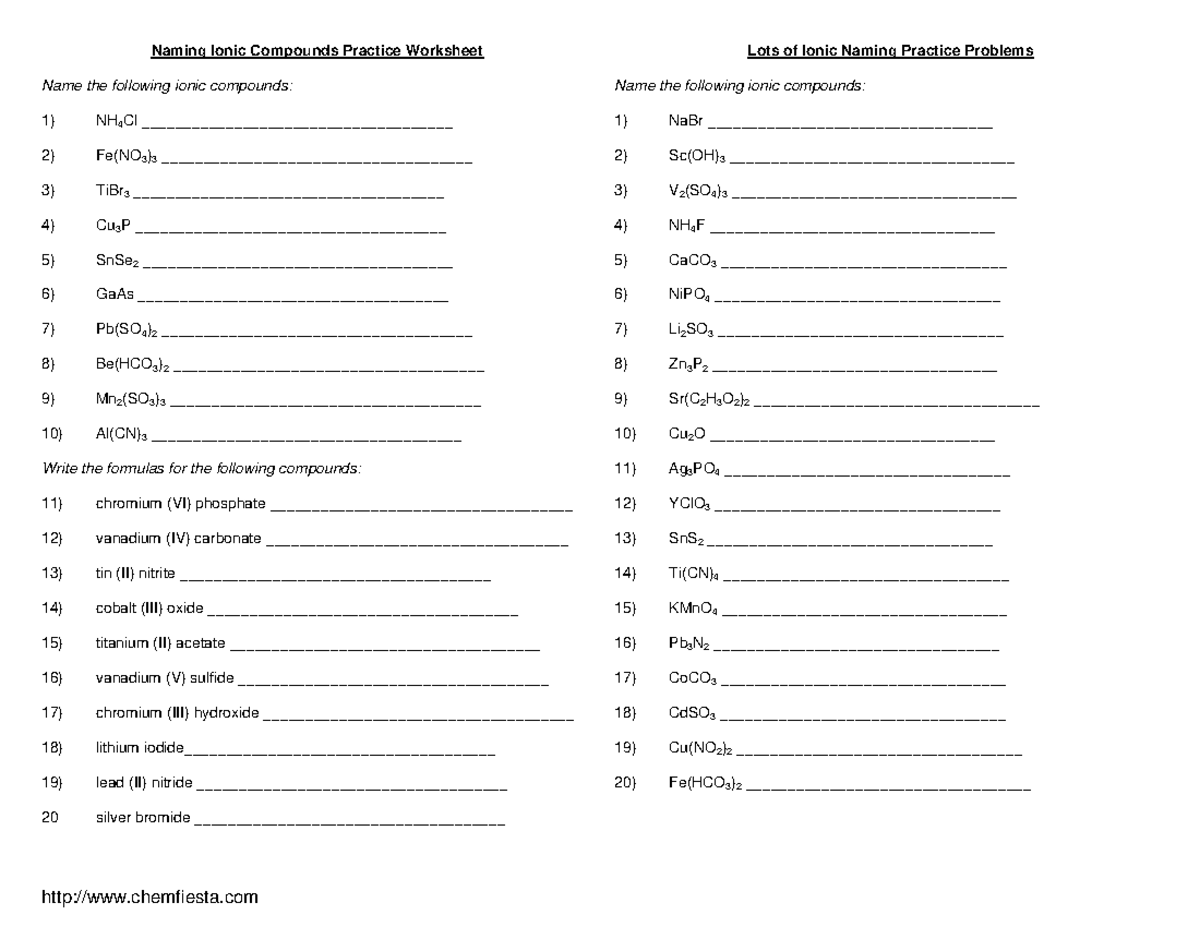
www.studocu.com
Simple Binary Ionic Compounds Worksheet – E-streetlight.com

www.e-streetlight.com
Naming Binary Compounds Worksheets

kakkarhyolessondb.z13.web.core.windows.net
Nomenclature Worksheet 2 Simple Binary Ionic Compounds – Martin Lindelof

martinlindelof.com
Naming Binary Compounds Lesson Plans & Worksheets – Worksheets Library

worksheets.clipart-library.com
Naming Binary Ionic Compounds Worksheets

domsmakt3phdblearning.z13.web.core.windows.net
Ionic Compound Names And Formulas Worksheet Answers Studying Worksheets
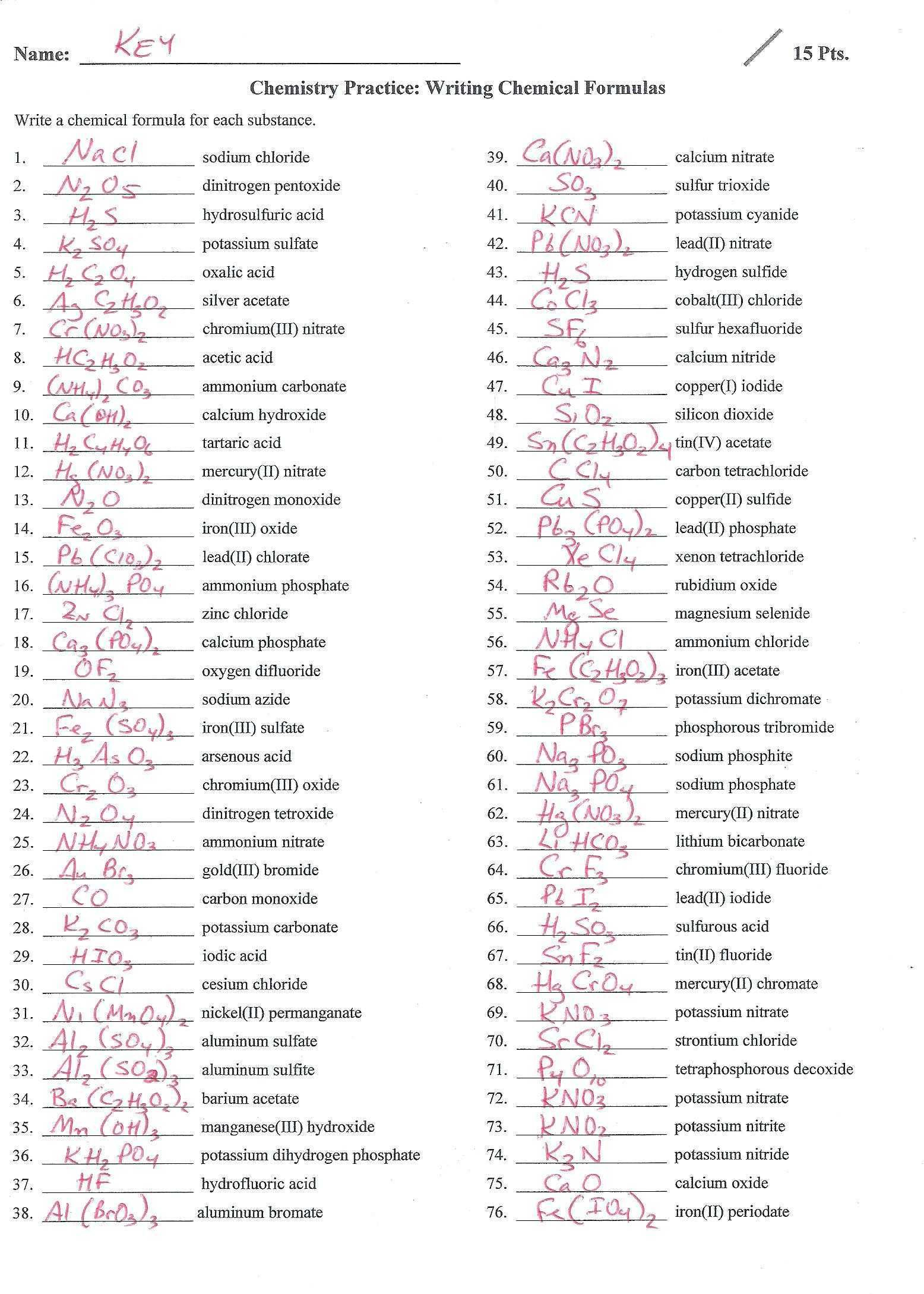
www.compoundworksheets.com
Naming Binary Ionic Compounds Worksheet – E-streetlight.com
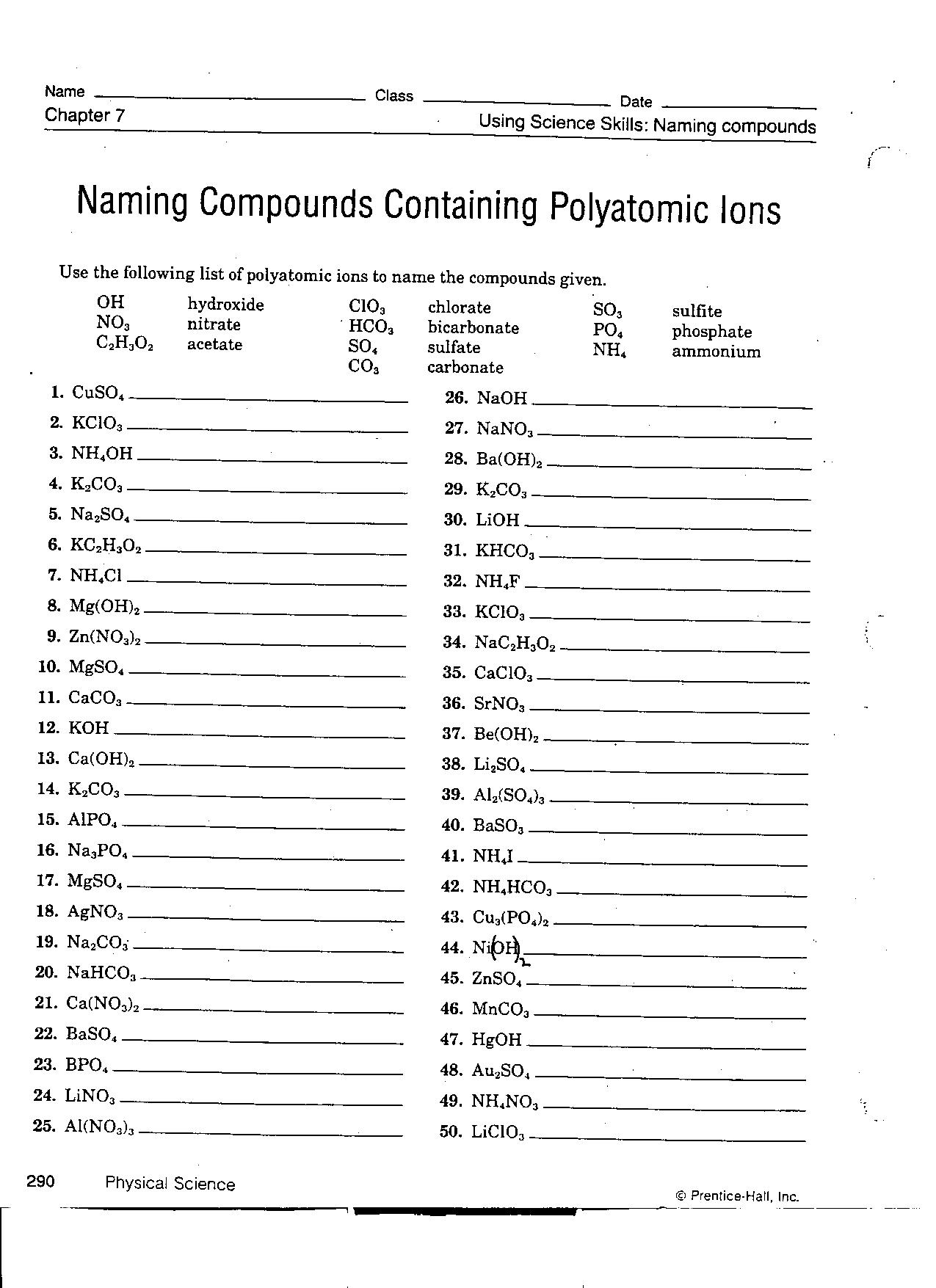
www.e-streetlight.com
Naming Binary Ionic Compounds Worksheet With Answers
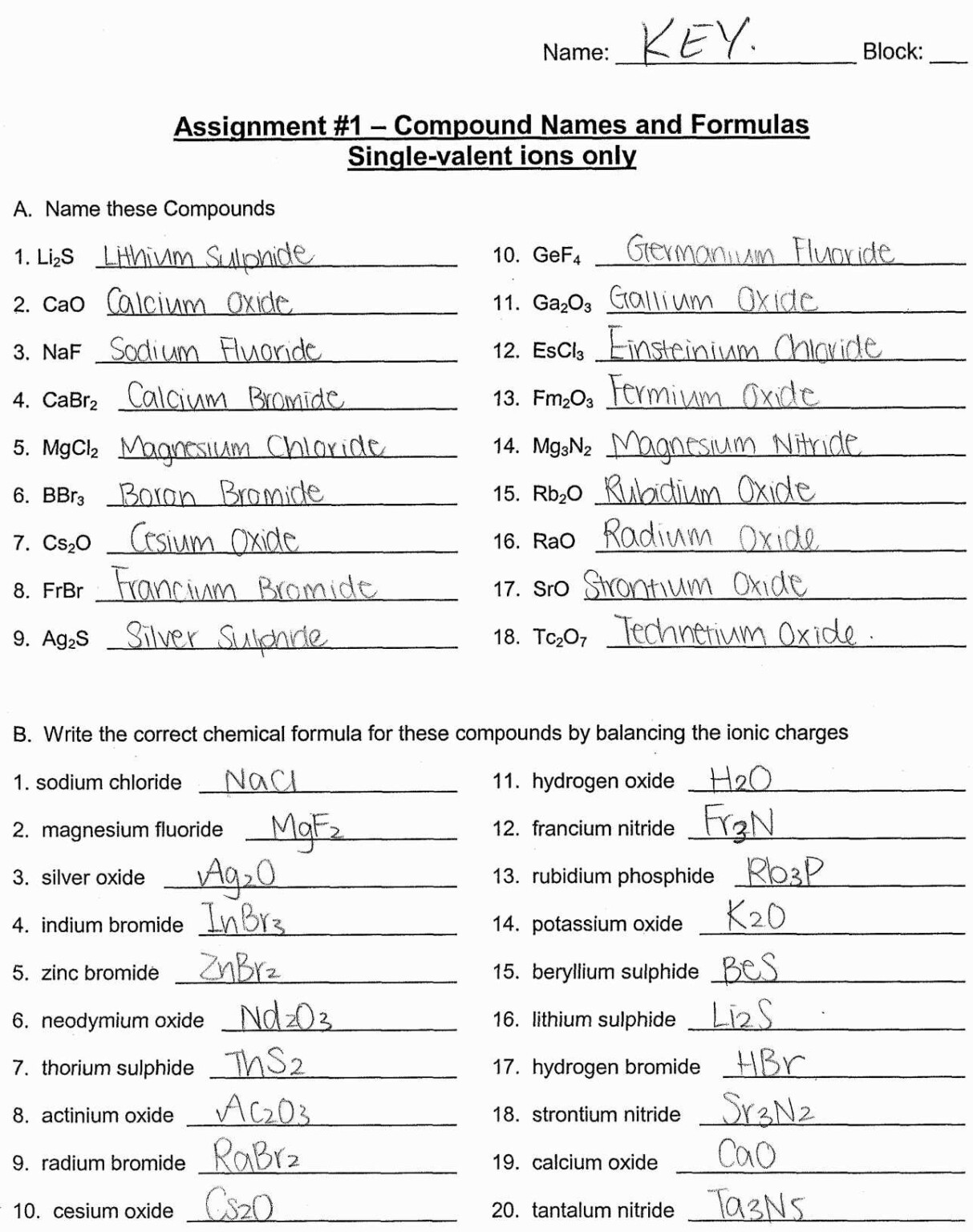
www.compoundworksheets.com
Naming Ionic Compounds Answer Sheet

gayutlvylessonlearning.z13.web.core.windows.net
Naming Binary Ionic Compounds Worksheet Answer Key

myans.bhantedhammika.net
Naming Ionic Compounds Worksheet 1

gayutlvylessonlearning.z13.web.core.windows.net
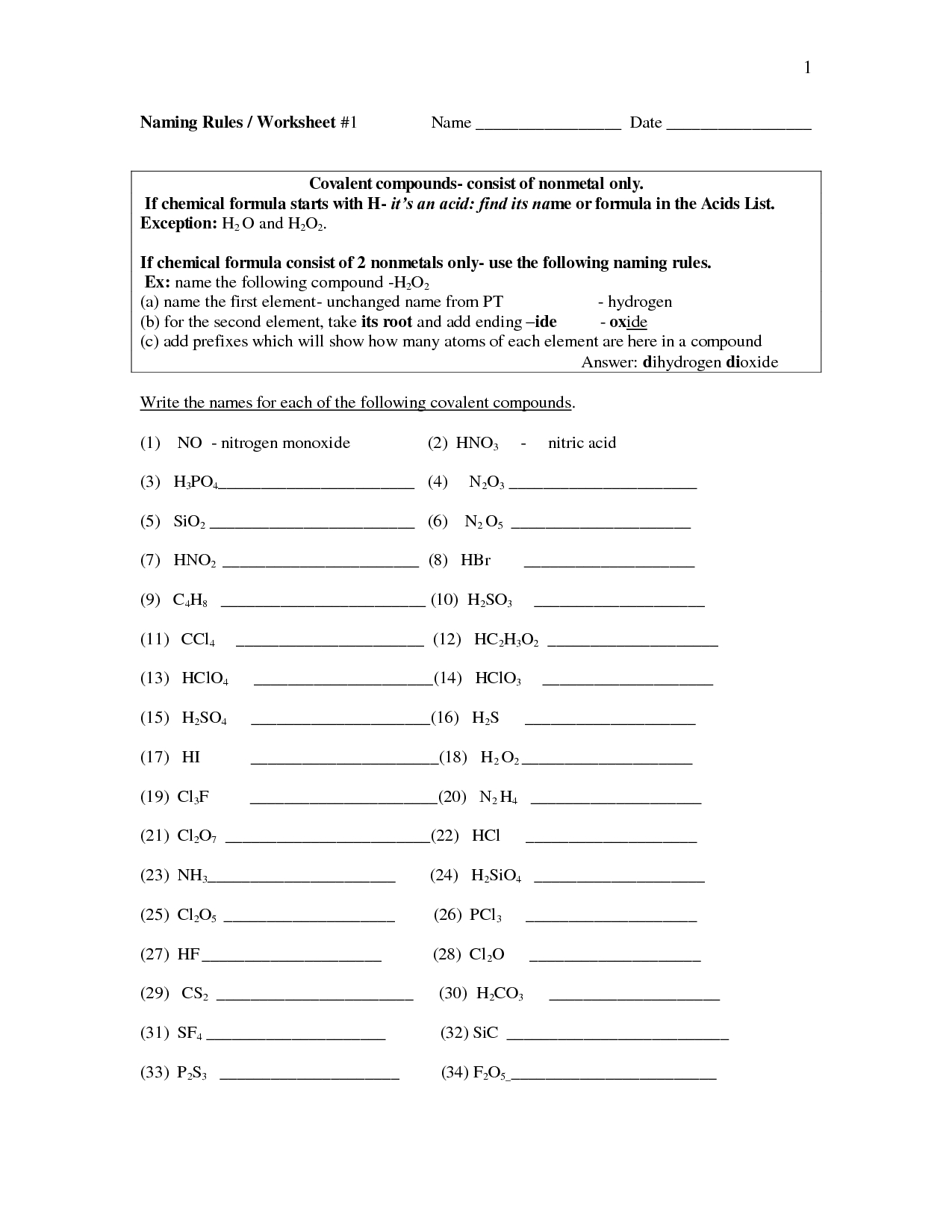
Naming Binary Ionic Compounds Worksheet – Pro Worksheet
www.proworksheet.my.id
Naming Ionic Compounds – Nomenclature Rules – Worksheets Library

worksheets.clipart-library.com
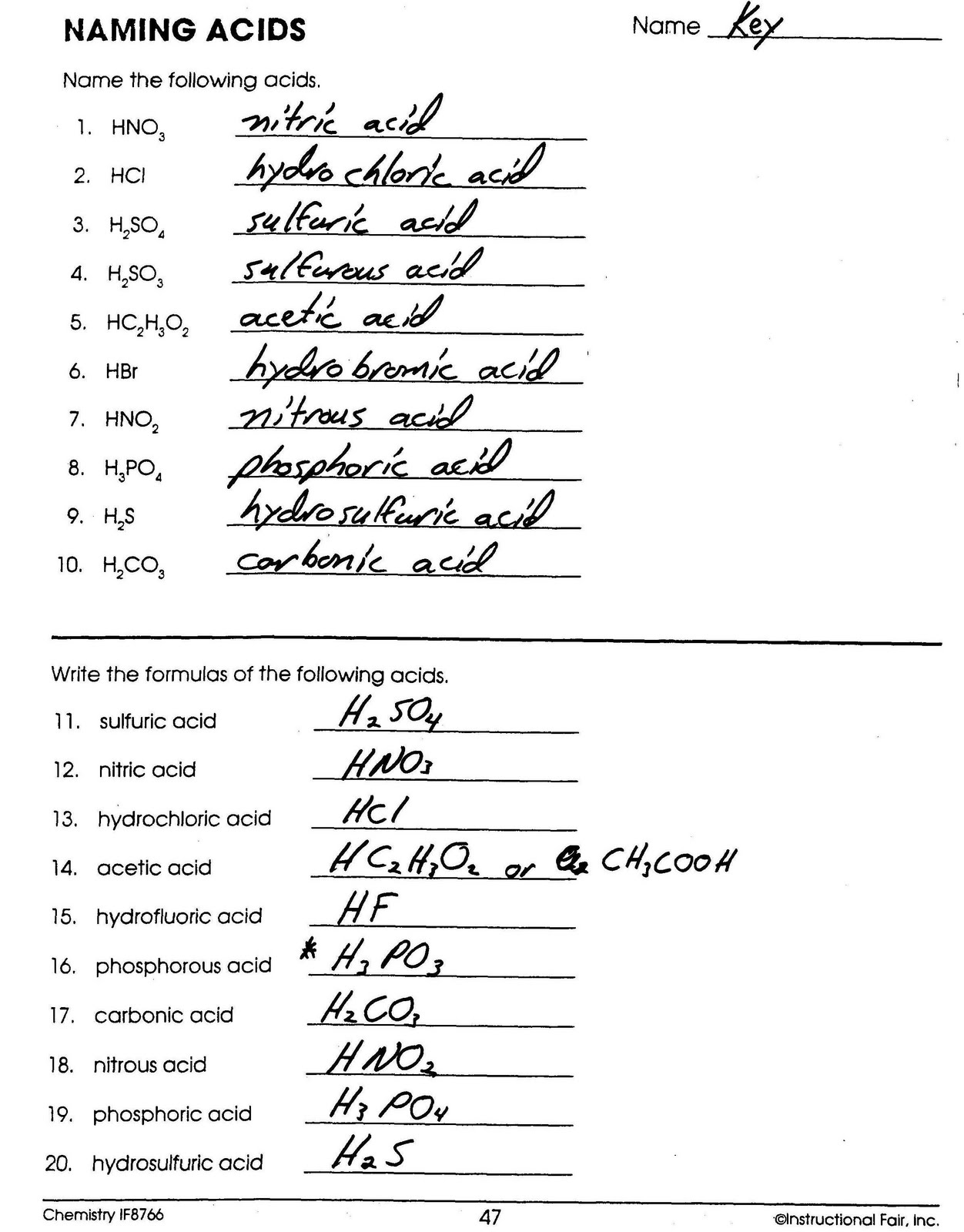
Naming Ionic Compounds Worksheet
ar.inspiredpencil.com
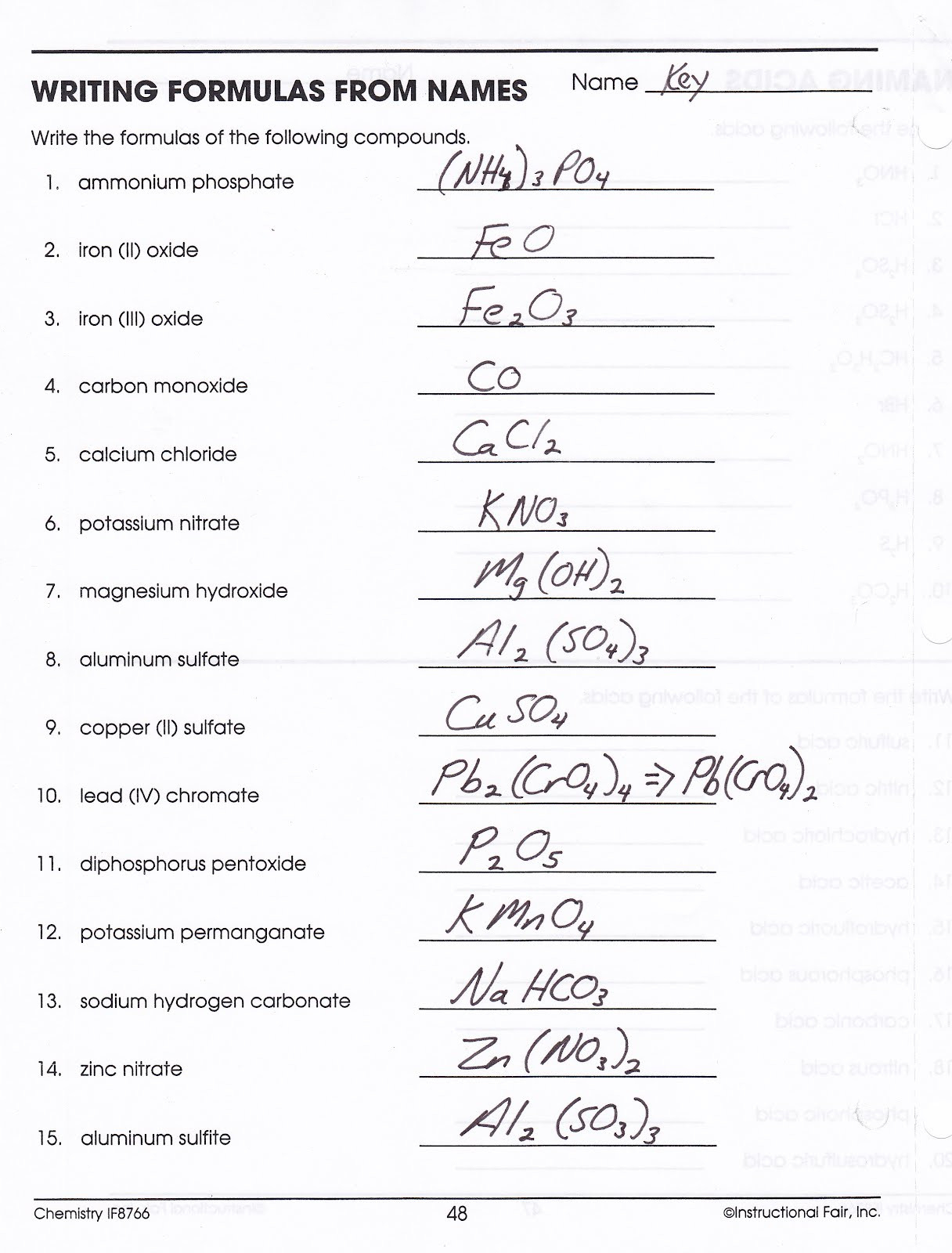
Naming Ionic Compounds Worksheet Pdf – CompoundWorksheets.com
www.compoundworksheets.com
Naming Ionic Compounds

ar.inspiredpencil.com
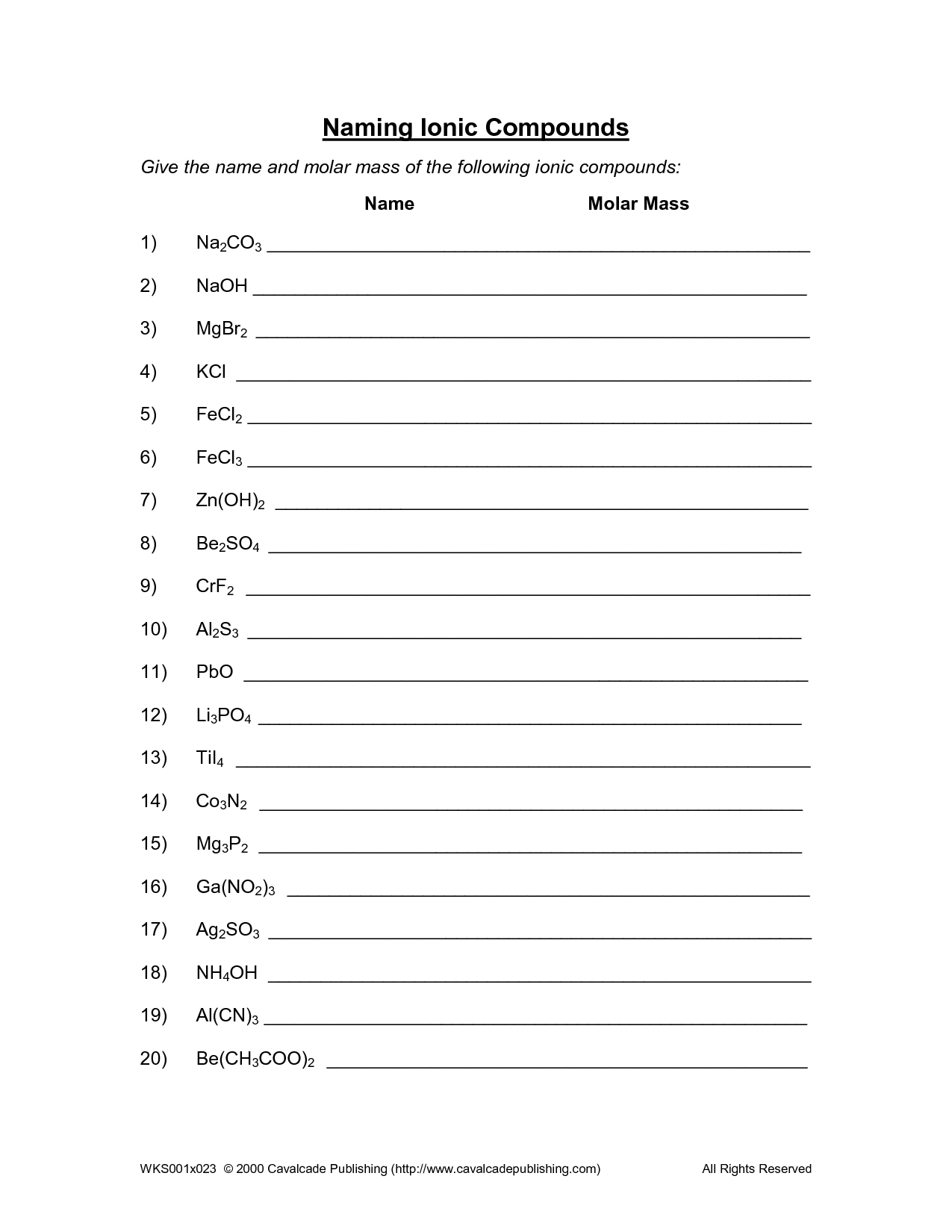
Naming Binary Compounds Worksheet Type 2 – CompoundWorksheets.com
www.compoundworksheets.com
Naming Ionic Compounds Worksheet

ar.inspiredpencil.com
Naming Ionic Compounds Practice Worksheet | Lecture Notes

worksheets.clipart-library.com
naming ionic compounds. naming binary compounds worksheet type 2. naming binary ionic compounds worksheet – e-streetlight.com