Unraveling the intricate processes of transcription and translation is a cornerstone of understanding molecular biology. These two steps form the central dogma of molecular biology, explaining how genetic information encoded in DNA is ultimately used to create functional proteins within our cells. Often, students are presented with worksheets designed to reinforce these concepts, testing their knowledge of base pairing, codon recognition, and the roles of various molecular players like mRNA, tRNA, and ribosomes. Finding reliable answers to these worksheets can be challenging, so let’s dive into a comprehensive overview and potential solutions to common problems.
Understanding Transcription and Translation: The Central Dogma
The central dogma, in its simplest form, states that DNA makes RNA, and RNA makes protein. This two-step process is essential for all life, as proteins carry out a vast array of functions, from catalyzing biochemical reactions to providing structural support for cells and tissues.
Transcription: From DNA to mRNA
Transcription is the process of creating an mRNA (messenger RNA) molecule from a DNA template. This process occurs within the nucleus and involves the enzyme RNA polymerase. RNA polymerase binds to a specific region of DNA called the promoter and unwinds the DNA double helix. It then reads the DNA sequence and synthesizes a complementary mRNA strand. A key difference between DNA and RNA is the presence of thymine (T) in DNA and uracil (U) in RNA. Therefore, when RNA polymerase encounters an adenine (A) base on the DNA template, it adds a uracil (U) to the mRNA strand.
Translation: From mRNA to Protein
Translation is the process of decoding the mRNA sequence to create a polypeptide chain, which will eventually fold into a functional protein. This process takes place in the cytoplasm, specifically on ribosomes. The mRNA molecule binds to the ribosome, and tRNA (transfer RNA) molecules, each carrying a specific amino acid, are brought to the ribosome according to the mRNA sequence. Each tRNA molecule has an anticodon that is complementary to a specific codon on the mRNA. The ribosome moves along the mRNA, one codon at a time, and the tRNA molecules deliver the corresponding amino acids. These amino acids are linked together by peptide bonds, forming a polypeptide chain. The process continues until a stop codon is reached on the mRNA, signaling the end of translation. The polypeptide chain is then released from the ribosome and folds into its functional three-dimensional structure.
Now, let’s address potential answers to common transcription and translation worksheet questions. Keep in mind that the specific answers will depend on the exact wording and content of the worksheet.
Transcription and Translation Worksheet Answers (Example)
Below is a hypothetical transcription and translation example problem, followed by its solution, presented in an HTML list format. This is just an example; your specific worksheet will likely have different DNA sequences and questions.
Example Problem:
Given the following DNA sequence: 3′-TAC GCA TGG ATT ACT-5′
- Transcribe the DNA sequence into mRNA.
- Translate the mRNA sequence into an amino acid sequence using the genetic code.
Answer:
- 1. Transcription (DNA to mRNA):
- The mRNA sequence will be complementary to the DNA sequence, with U replacing T. The RNA Polymerase reads the template strand from 3′ to 5′, so the mRNA is synthesized from 5′ to 3′.
- mRNA sequence: 5′-AUG CGU ACC UAA UGA-3′
- We use a codon table to translate the mRNA sequence into amino acids. Remember that the start codon (AUG) codes for Methionine.
- AUG: Methionine (Met)
- CGU: Arginine (Arg)
- ACC: Threonine (Thr)
- UAA: Stop codon
- UGA: Stop codon
- Amino acid sequence: Met-Arg-Thr-Stop
Important Considerations:
- Always specify the 5′ and 3′ ends of the DNA and mRNA sequences. This indicates the direction of the sequence.
- Use a reliable codon table. Codon tables can be found in most biology textbooks or online resources.
- Pay attention to the start and stop codons. The start codon (AUG) signals the beginning of translation, and the stop codons (UAA, UAG, UGA) signal the end.
- Remember the template strand vs. coding strand. The template strand is used by RNA polymerase to create mRNA. The coding strand has the same sequence as the mRNA (except T is replaced by U).
- Proofread your work. Double-check your base pairings and codon translations to ensure accuracy.
By understanding the fundamental principles of transcription and translation, and by practicing with example problems, you can confidently tackle any transcription and translation worksheet. Remember to consult your textbook, online resources, and your teacher or professor if you have any questions or need further clarification.
If you are looking for Transcription And Translation Worksheet Answers – Pro Worksheet you’ve came to the right place. We have 20 Pics about Transcription And Translation Worksheet Answers – Pro Worksheet like DNA Synthesis Worksheet: Simplify and Enhance Your Learning, Transcription Worksheet Answers | Free Worksheets Samples and also Transcription And Translation Worksheet Answers – E-streetlight.com. Here you go:
Transcription And Translation Worksheet Answers – Pro Worksheet
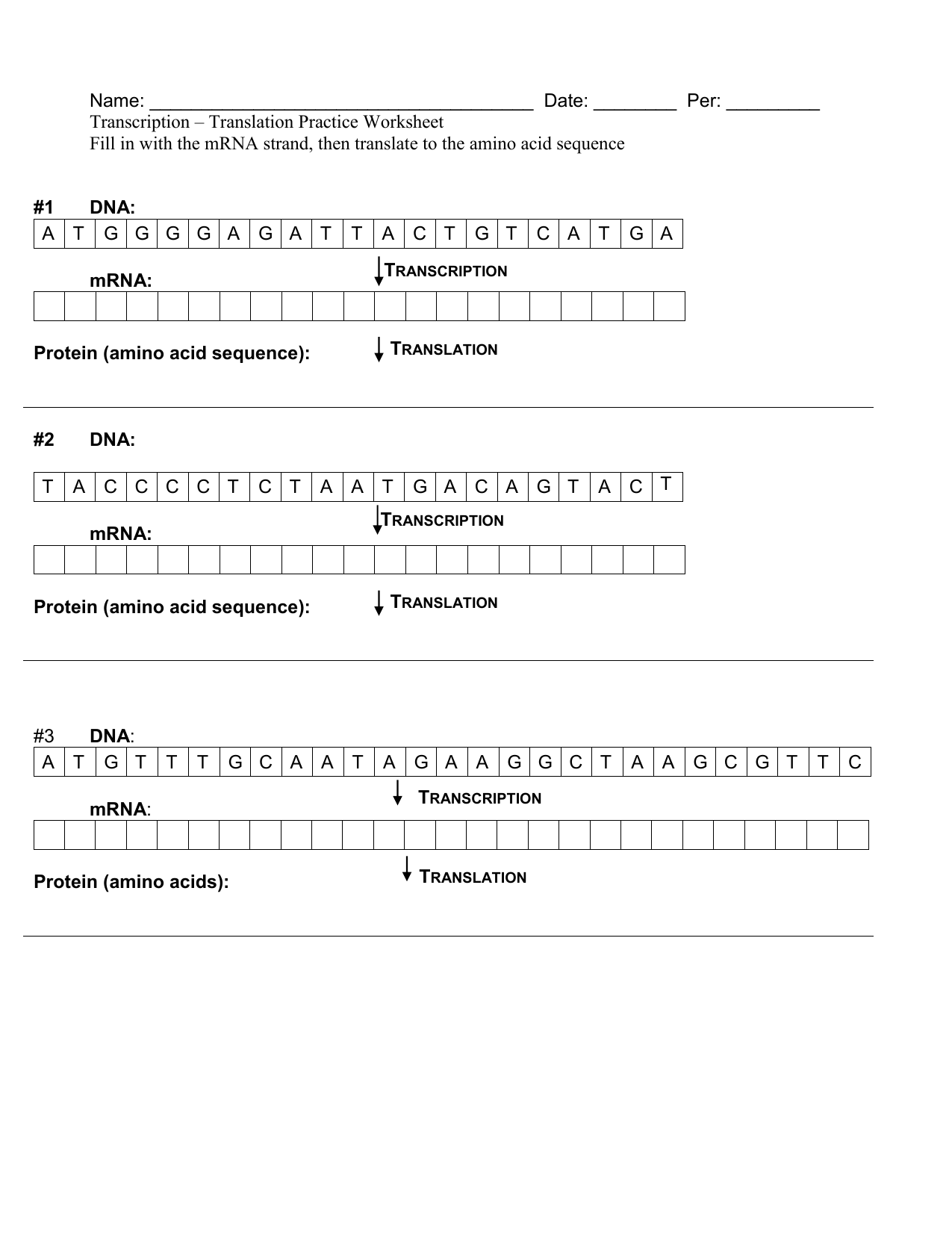
www.proworksheet.my.id
Protein Synthesis Worksheet – Transcription & Translation – Worksheets

worksheets.clipart-library.com
Transcription Translation Worksheet KEY 1z5v864 – How DNA Controls The
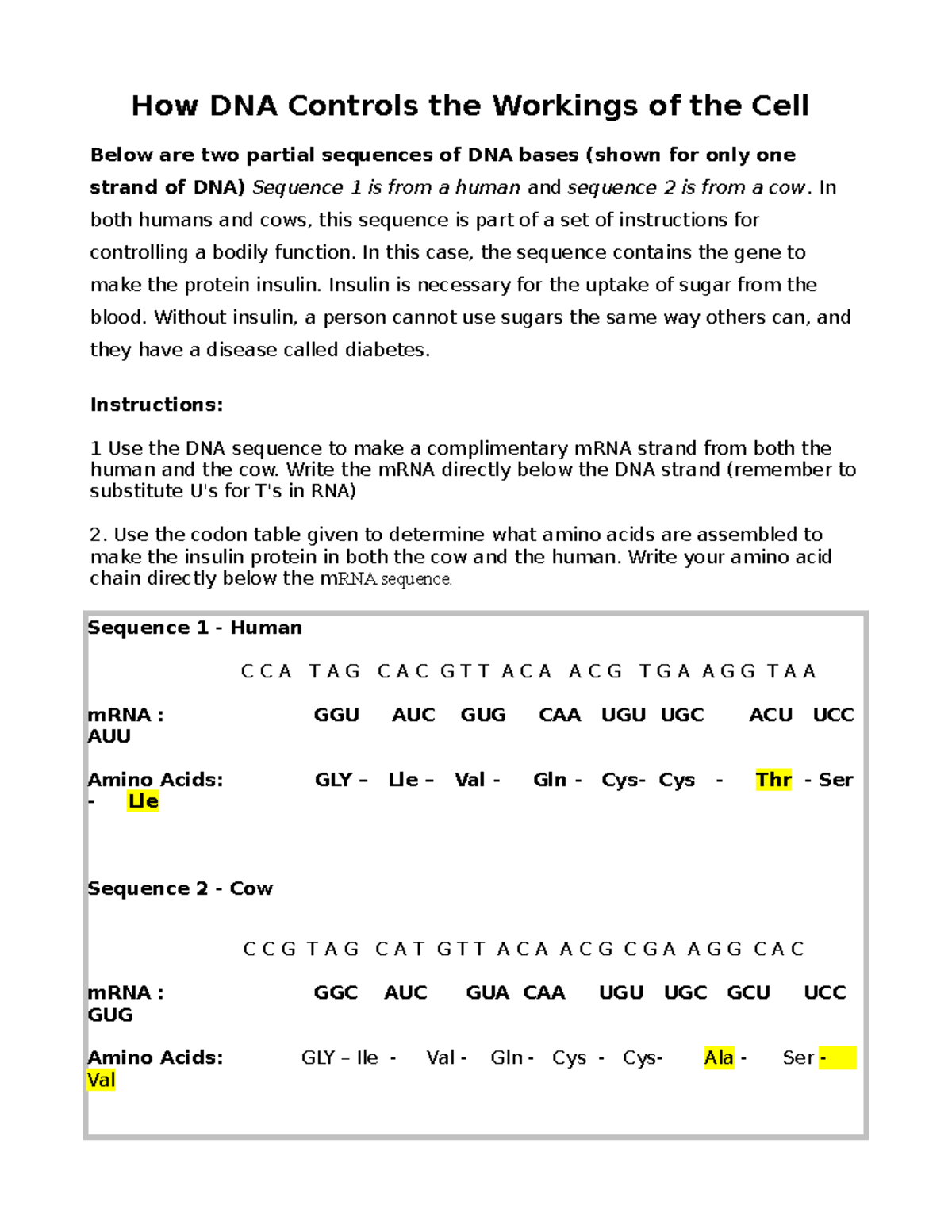
www.studocu.com
Transcription And Translation Worksheet Answers Back Side – Printable

ataglance.randstad.com
DNA Transcription And Translation Worksheet Answers – Worksheets
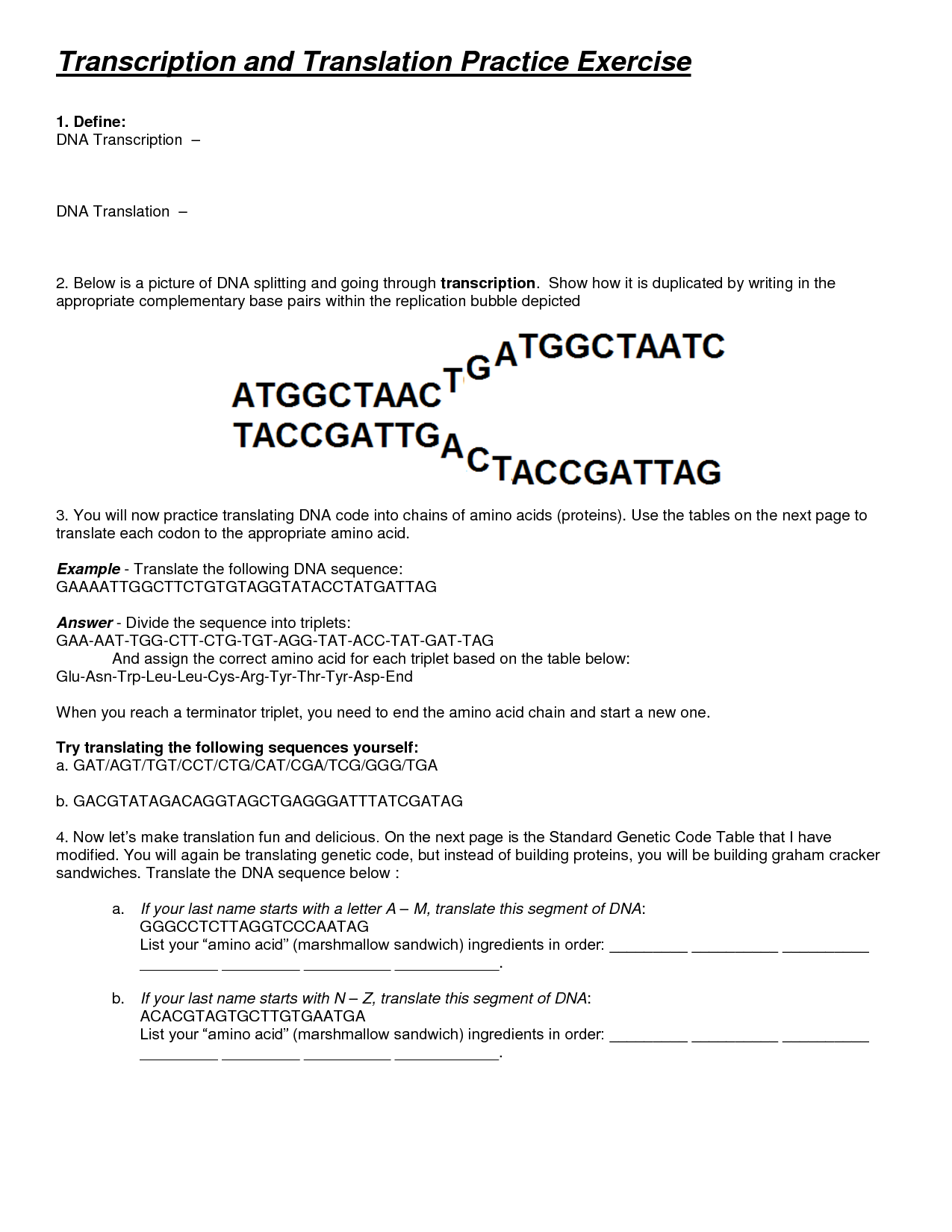
worksheets.clipart-library.com
SOLUTION: Copy Of Week 9 Dna Replication Transcription Translation
worksheets.clipart-library.com
DNA Transcription And Translation Worksheet Answers | Dna Transcription

www.pinterest.com
Transcription Worksheet Answers | Free Worksheets Samples

www.housview.com
Transcription And Translation Worksheet Answer Key – Studying Worksheets

studyingworksheets.com
Transcription And Translation Practice Worksheet Answers – Printable
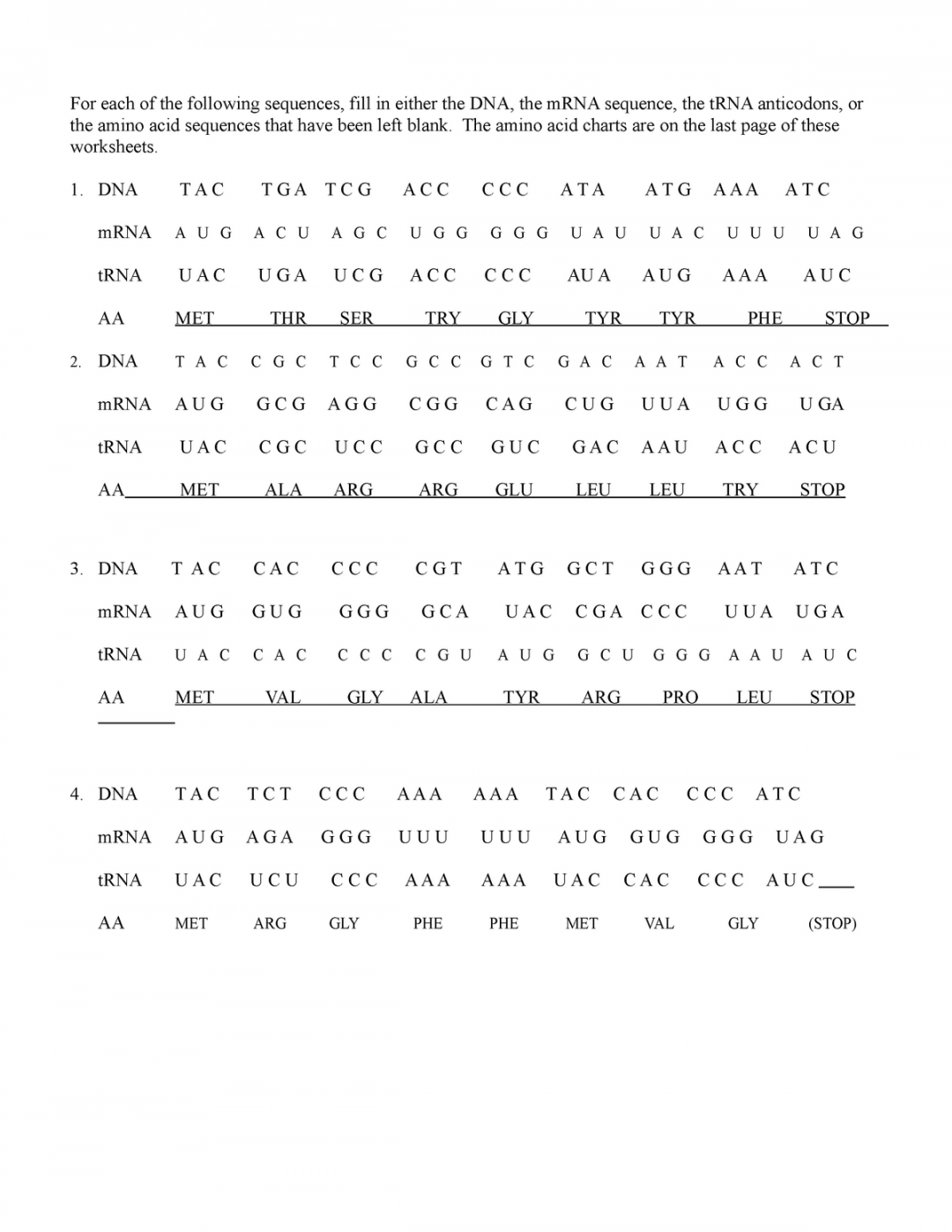
martinlindelof.com
11-17-20 Transcription & Translation Practice.docx – Name Date Per

worksheets.clipart-library.com
Transcription And Translation Worksheet Answers Pdf, Transcription And
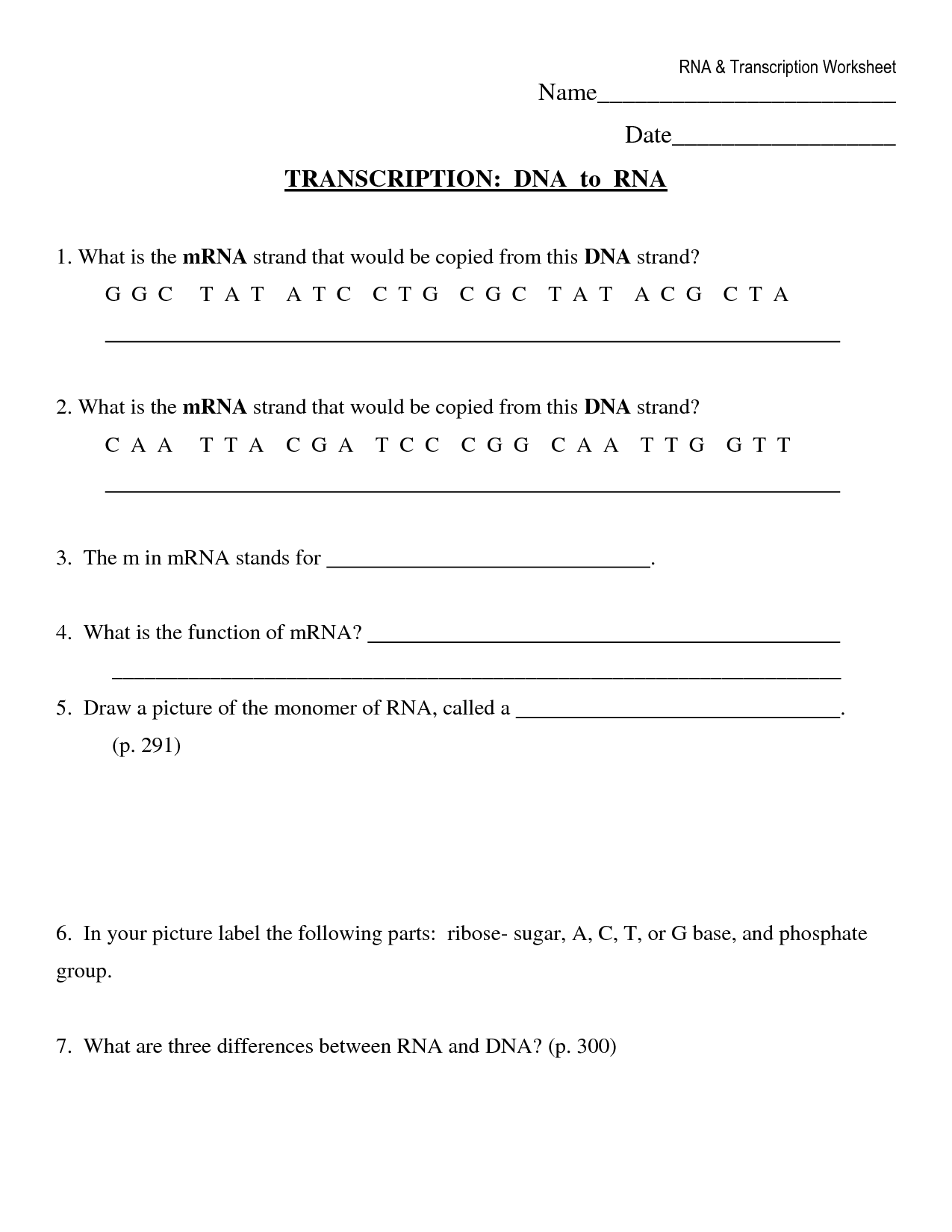
vxcfycoszi.blogspot.com
Free Transcription Translation Worksheet, Download Free Transcription

worksheets.clipart-library.com
DNA Translation Transcription Practice Worksheet – DNA Translation
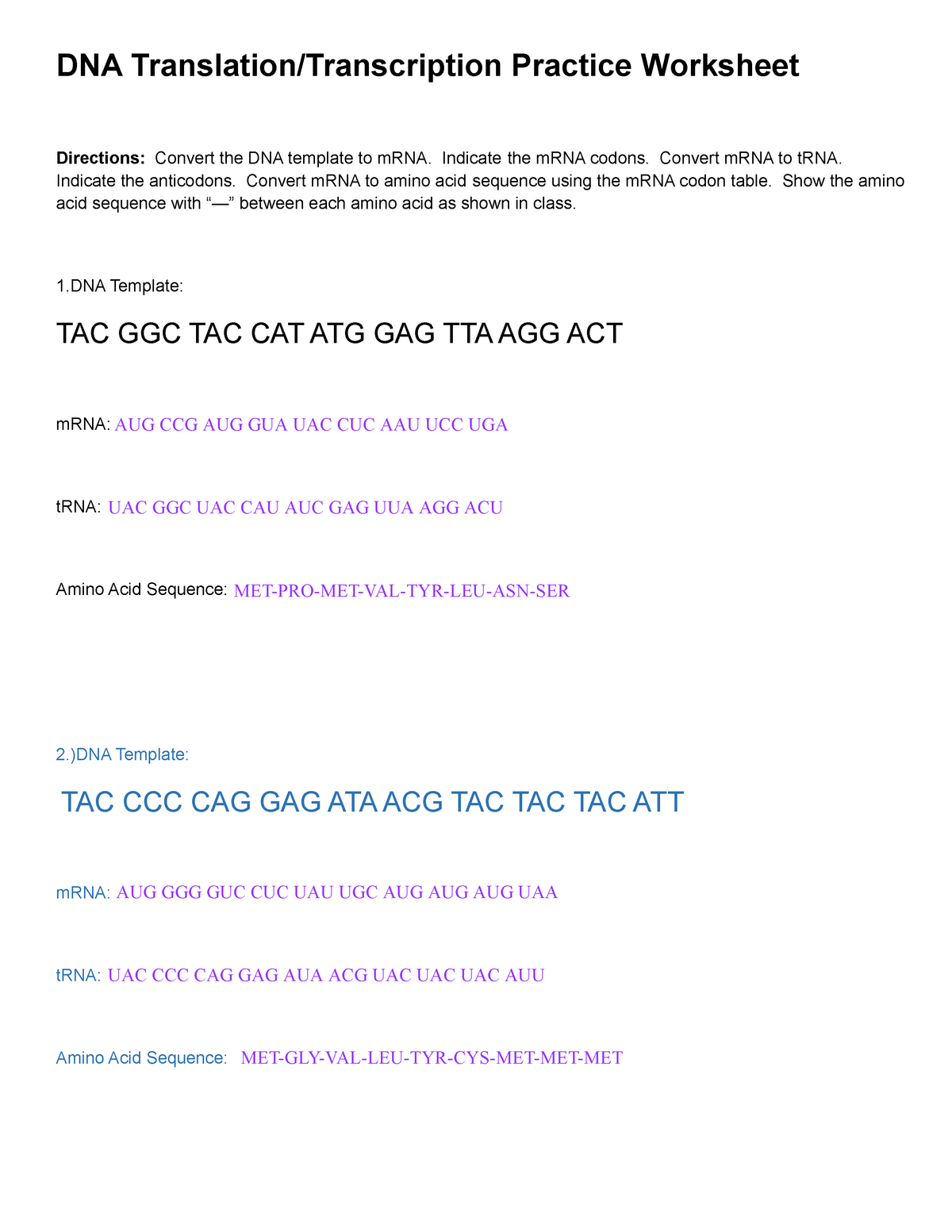
www.studocu.com
Transcription & Translation Textbook Guide – Chapter Guide CHAPTER

worksheets.clipart-library.com
Translation And Transcription Worksheets
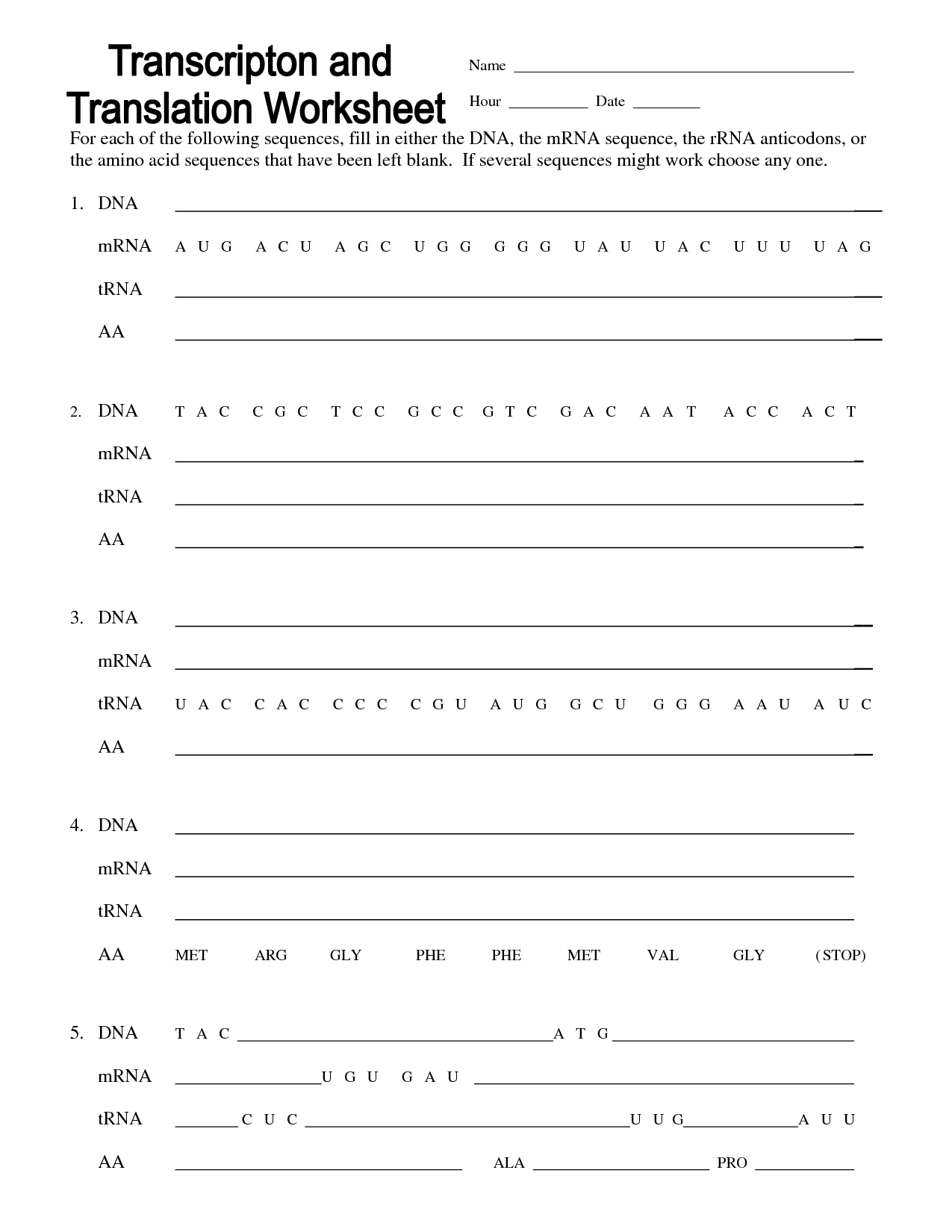
worksheetlistkif.z21.web.core.windows.net
Transcription And Translation Worksheet Answers – E-streetlight.com

www.e-streetlight.com
DNA Synthesis Worksheet: Simplify And Enhance Your Learning

www.pinterest.com
Transcription Translation Worksheet Answers – Printable Word Searches

davida.davivienda.com
Biology Transcription And Translation Practice Worksheet Answers Pdf
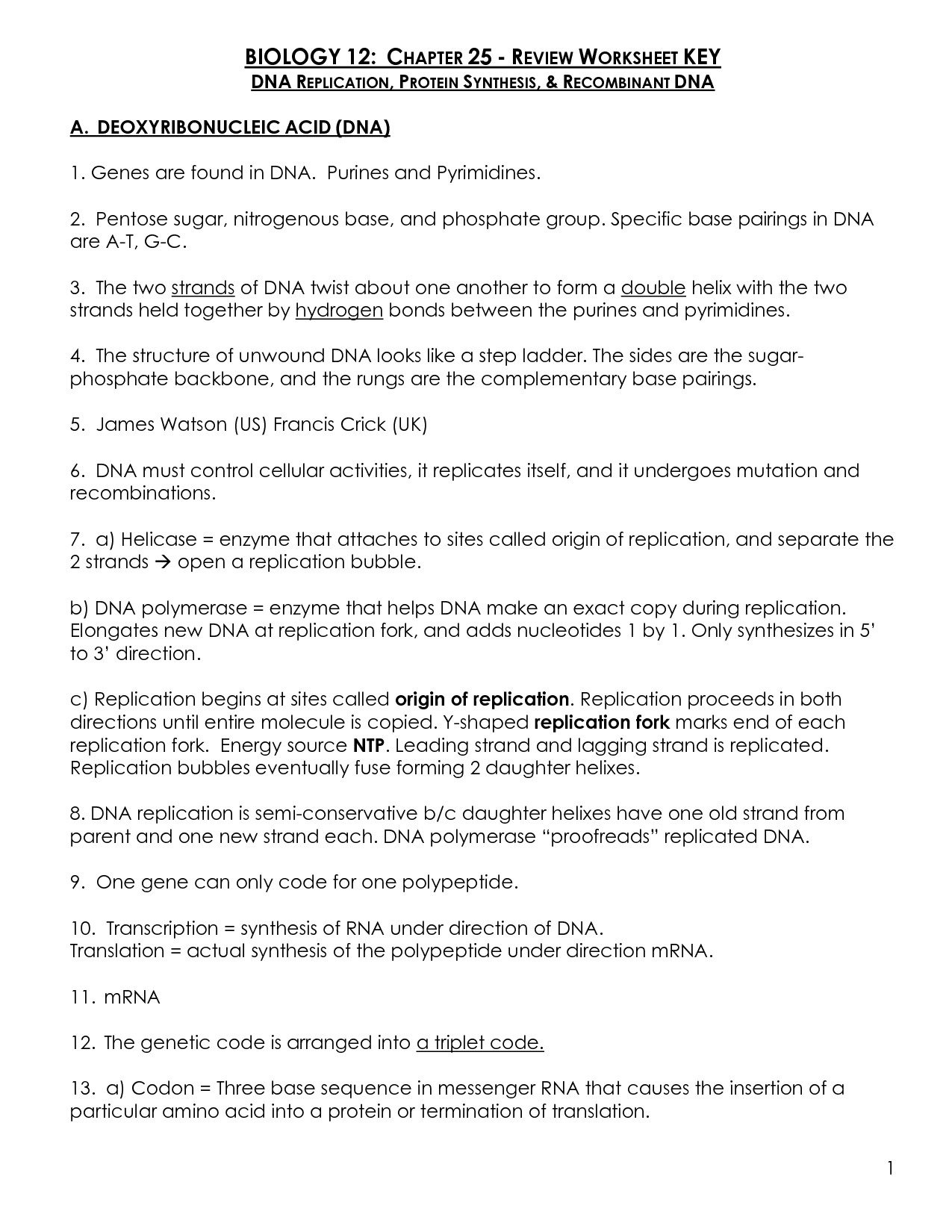
shacellwiwwalnut.blogspot.com
transcription and translation worksheet answer key. Protein synthesis worksheet. Transcription worksheet answers