Piecewise functions, at first glance, can appear daunting. They look like Frankenstein’s monster of functions, stitched together with different equations governing different parts of their domain. However, once you understand the underlying concept – that you’re simply applying different rules depending on the input value – they become much more manageable. This post is dedicated to helping you conquer piecewise functions with the aid of a comprehensive answer key. We’ll break down what piecewise functions are, provide worked examples, and then offer a detailed answer key to a sample worksheet. So grab a pencil and paper, and let’s dive in!
Before we get to the answer key, let’s quickly review what a piecewise function *is*. In essence, a piecewise function is a function defined by multiple sub-functions, each applying to a certain interval of the domain. The key to evaluating a piecewise function lies in identifying which sub-function applies to the given input value. This is determined by the conditions specified alongside each sub-function.
For example, consider the following piecewise function:
f(x) = x + 2, if x < 0; x2, if 0 ≤ x ≤ 2; 4, if x > 2
To evaluate f(-3), we look at the conditions. Since -3 < 0, we use the first sub-function, x + 2. So, f(-3) = -3 + 2 = -1.
To evaluate f(1), since 0 ≤ 1 ≤ 2, we use the second sub-function, x2. So, f(1) = 12 = 1.
To evaluate f(5), since 5 > 2, we use the third sub-function, 4. So, f(5) = 4.
This simple example illustrates the core principle: find the correct sub-function based on the input value’s relationship to the defined intervals and then apply that sub-function.
Worksheet Piecewise Functions Answer Key
Now, let’s move on to the answer key. Below, you’ll find the solutions to a hypothetical worksheet on piecewise functions. This worksheet covers a range of problems, including evaluating piecewise functions at specific points, graphing piecewise functions, and determining the domain and range.
Worksheet Problems and Solutions
Here’s a breakdown of some typical piecewise function problems and their corresponding solutions. Imagine these were questions on your worksheet.
- Problem 1: Evaluate the following piecewise function at x = -2, x = 0, and x = 3:
g(x) = -x + 1, if x < 0; 2x, if 0 ≤ x < 2; x2 – 1, if x ≥ 2
- Problem 2: Graph the following piecewise function:
h(x) = 2, if x ≤ -1; x + 1, if -1 < x < 1; -x + 3, if x ≥ 1
- Problem 3: Write a piecewise function to represent the following scenario: A cell phone company charges $30 for the first 100 minutes, then $0.20 per minute for each additional minute.
- Problem 4: Determine the domain and range of the piecewise function in Problem 2.
Answer Key
Below is the answer key to the problems presented above. Make sure to try and solve them yourself first before checking the answers!
- Problem 1: Solutions
- x = -2: g(-2) = -(-2) + 1 = 2 + 1 = 3
- x = 0: g(0) = 2(0) = 0
- x = 3: g(3) = (3)2 – 1 = 9 – 1 = 8
- Problem 2: Solutions
(This problem requires a graph. Imagine a coordinate plane. The graph would consist of three segments:)
- A horizontal line at y = 2 for x ≤ -1 (including a closed circle at (-1, 2))
- A line segment with slope 1 and y-intercept 1 for -1 < x < 1 (open circles at (-1, 0) and (1, 2))
- A line segment with slope -1 and y-intercept 3 for x ≥ 1 (closed circle at (1, 2))
- Problem 3: Solutions
Let C(x) represent the total cost for x minutes of cell phone usage.
C(x) = 30, if 0 ≤ x ≤ 100; 30 + 0.20(x – 100), if x > 100
- Problem 4: Solutions
- Domain: All real numbers (-∞, ∞)
- Range: [-∞, 2]
By working through these examples and reviewing the answer key, you should have a much better grasp of piecewise functions. Remember to practice regularly and focus on understanding the conditions that define each sub-function. With consistent effort, you’ll be able to tackle any piecewise function problem that comes your way!
If you are looking for identifying verbs worksheet for grade 1 2 – identify action verbs you’ve visit to the right page. We have 20 Pictures about identifying verbs worksheet for grade 1 2 – identify action verbs like Pets Circle and Write Worksheet for Kindergarten and ESL PDF Download, Compound Words Worksheet and also Volume of Compound 3D shapes Worksheet | Fun and Engaging PDF Worksheets. Here you go:
Identifying Verbs Worksheet For Grade 1 2 – Identify Action Verbs

www.tes.com
Phonics Digraph CH Worksheet – Top Teacher

topteacher.com.au
Premium Vector | Alphabet Worksheet For Kids. Alphabet Printable
www.freepik.com
Count How Many Worksheet By Teach Simple

teachsimple.com
Pronouns He, She And It Online Worksheet For Kindergarten. You Can Do

www.pinterest.es
Short Vowel Worksheets – ReadingVine
www.readingvine.com
Phonics Revision Interactive Worksheet – Printable Worksheets
worksheets4u.com
Volume Of Compound 3D Shapes Worksheet | Fun And Engaging PDF Worksheets

www.cazoommaths.com
Cvc Worksheet Printable
manualpohovanuosu.z21.web.core.windows.net
Pets Circle And Write Worksheet For Kindergarten And ESL PDF Download
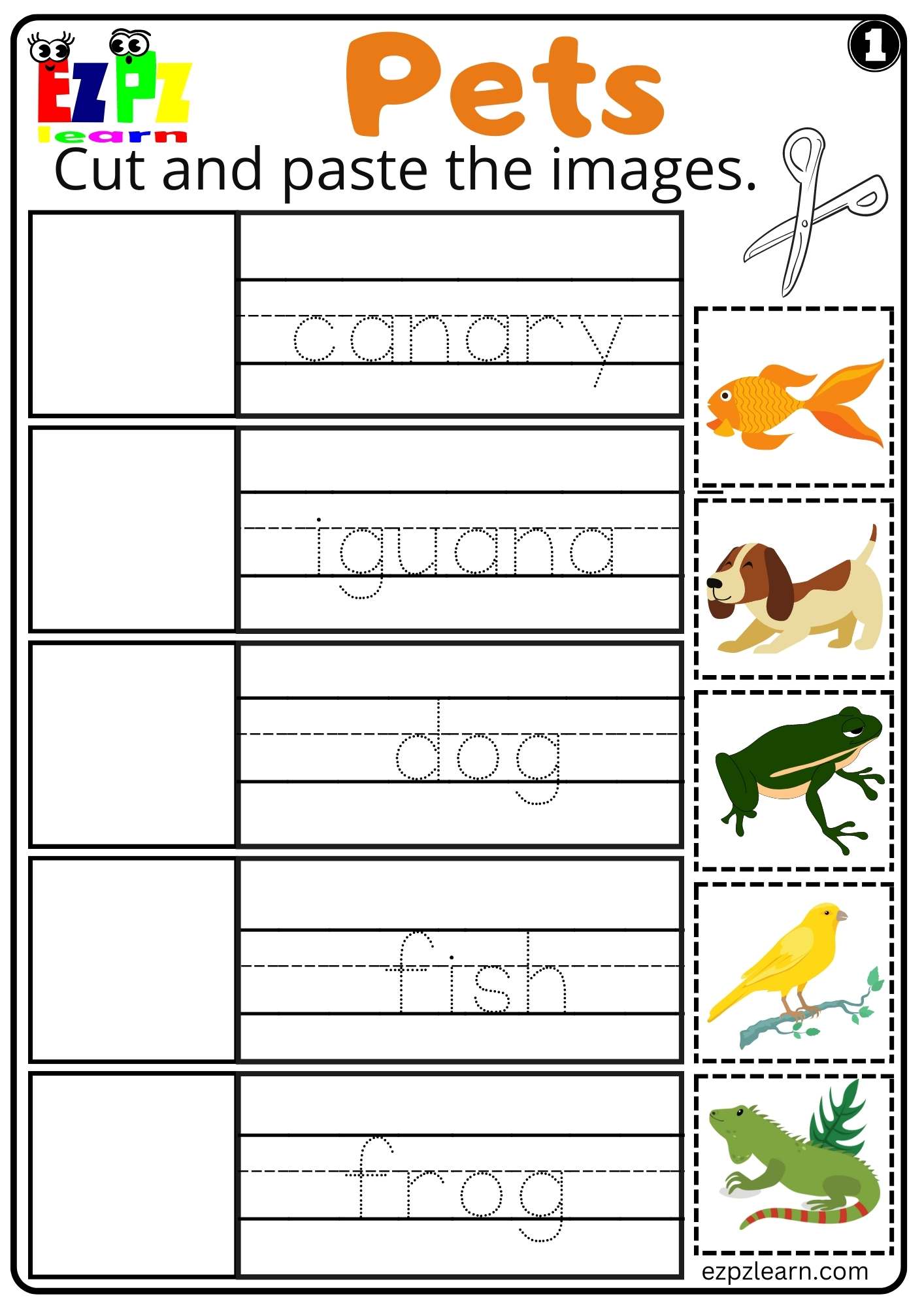
ezpzlearn.com
9 Worksheets For Kids To Learn The Days Of The Week
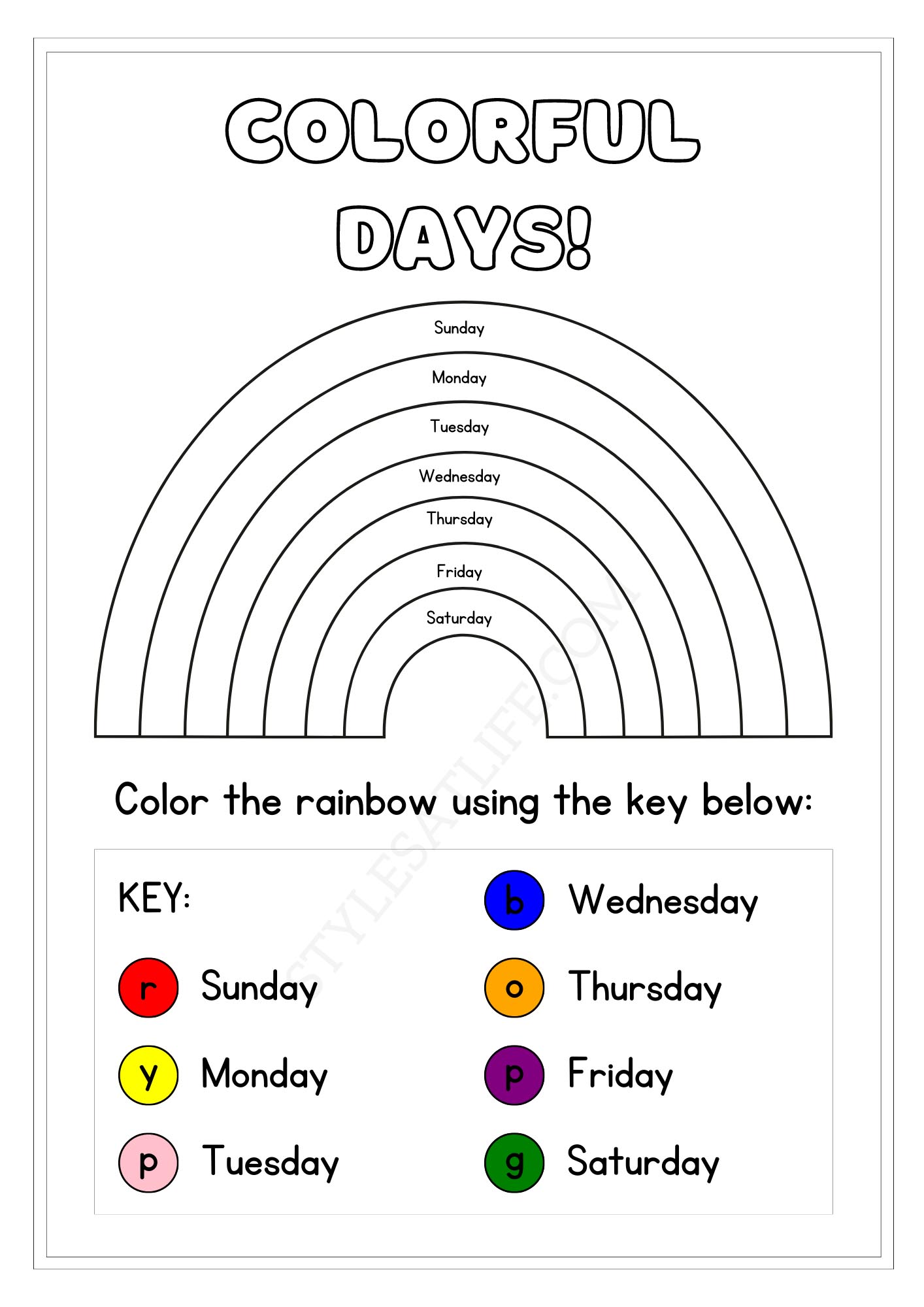
stylesatlife.com
Compound Words Worksheet
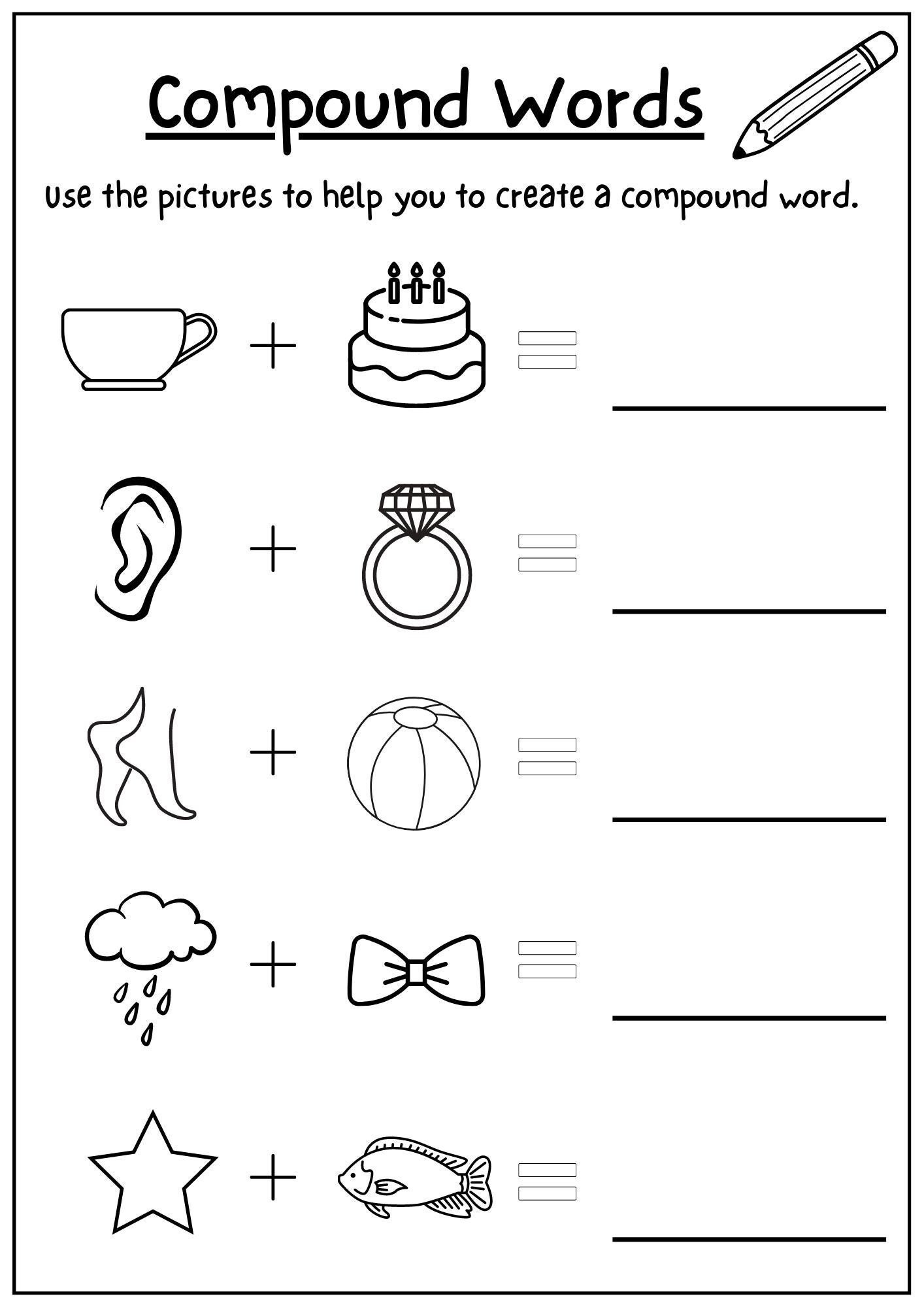
animalia-life.club
Worksheets To Print – Worksheets Library

worksheets.clipart-library.com
Diphthong Worksheet Freebie | Made By Teachers
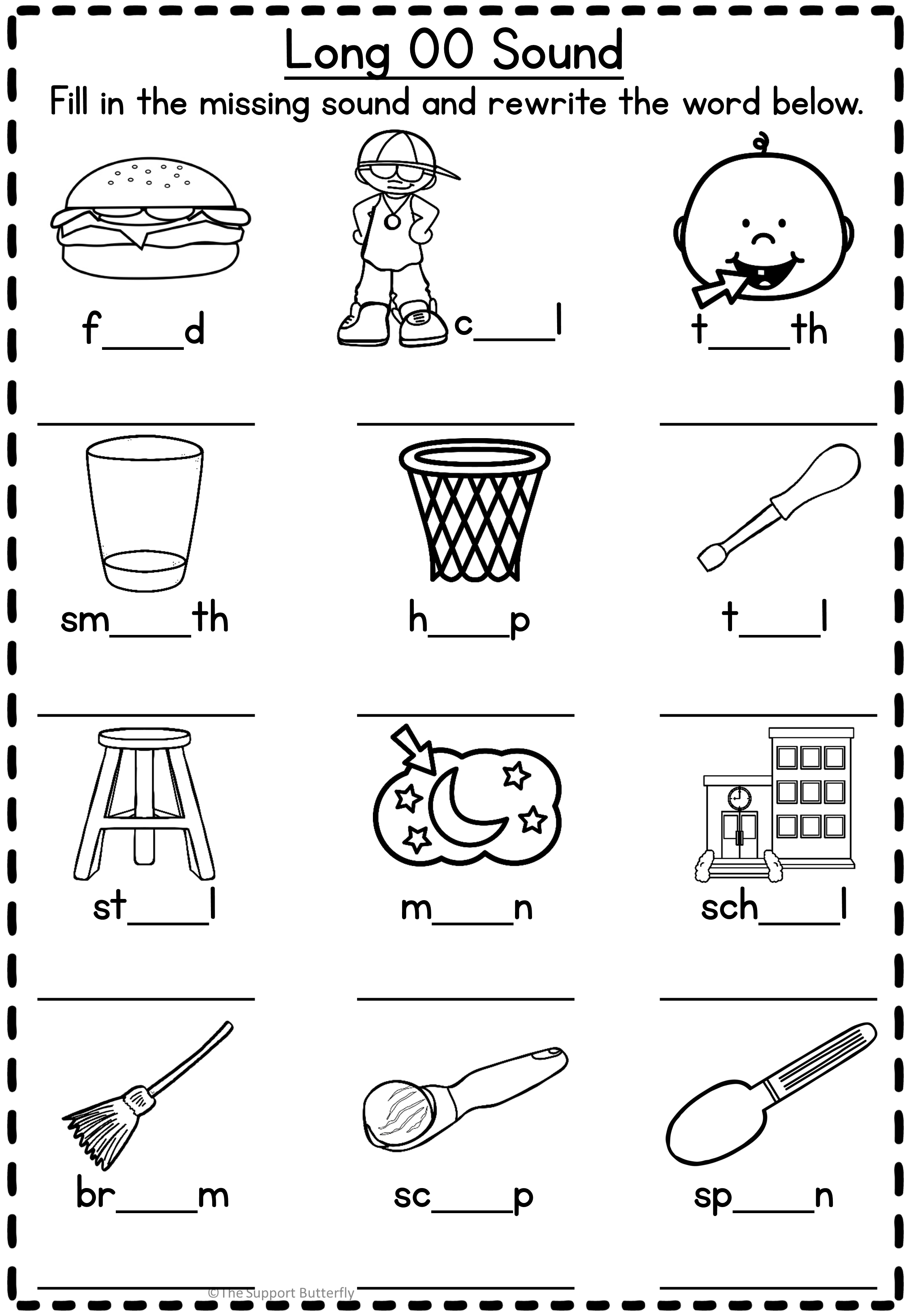
www.madebyteachers.com
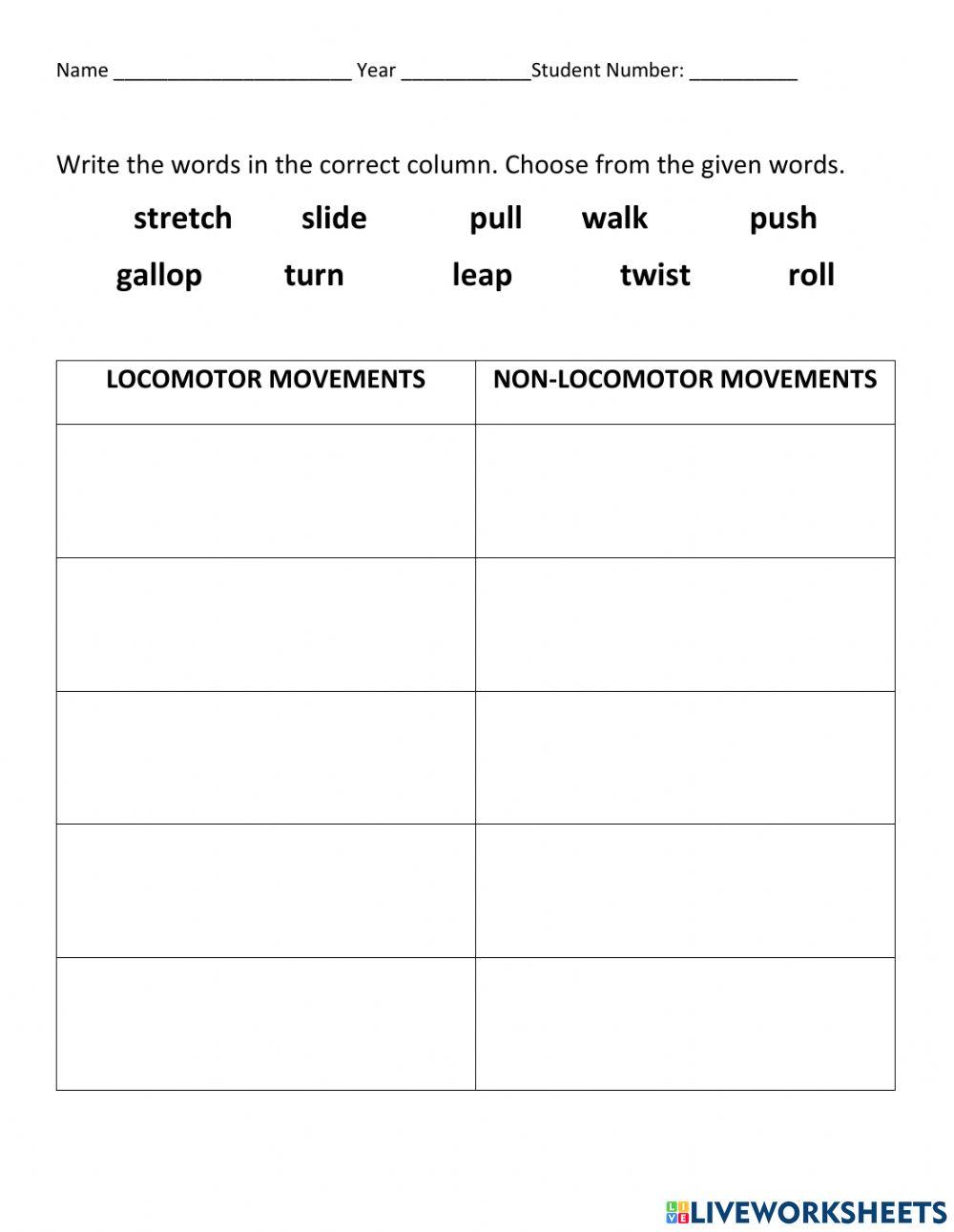
Locomotor And Non-locomotor Movements Worksheet Live, 58% OFF
www.micoope.com.gt
Reading For Kindergarten And Elementary Students (Free PDF

www.pinterest.com.au
Free Alphabet Printable Worksheets » Homemade Heather – Worksheets Library

worksheets.clipart-library.com
1st Grade Worksheets, School Worksheets, Kindergarten Worksheets

id.pinterest.com
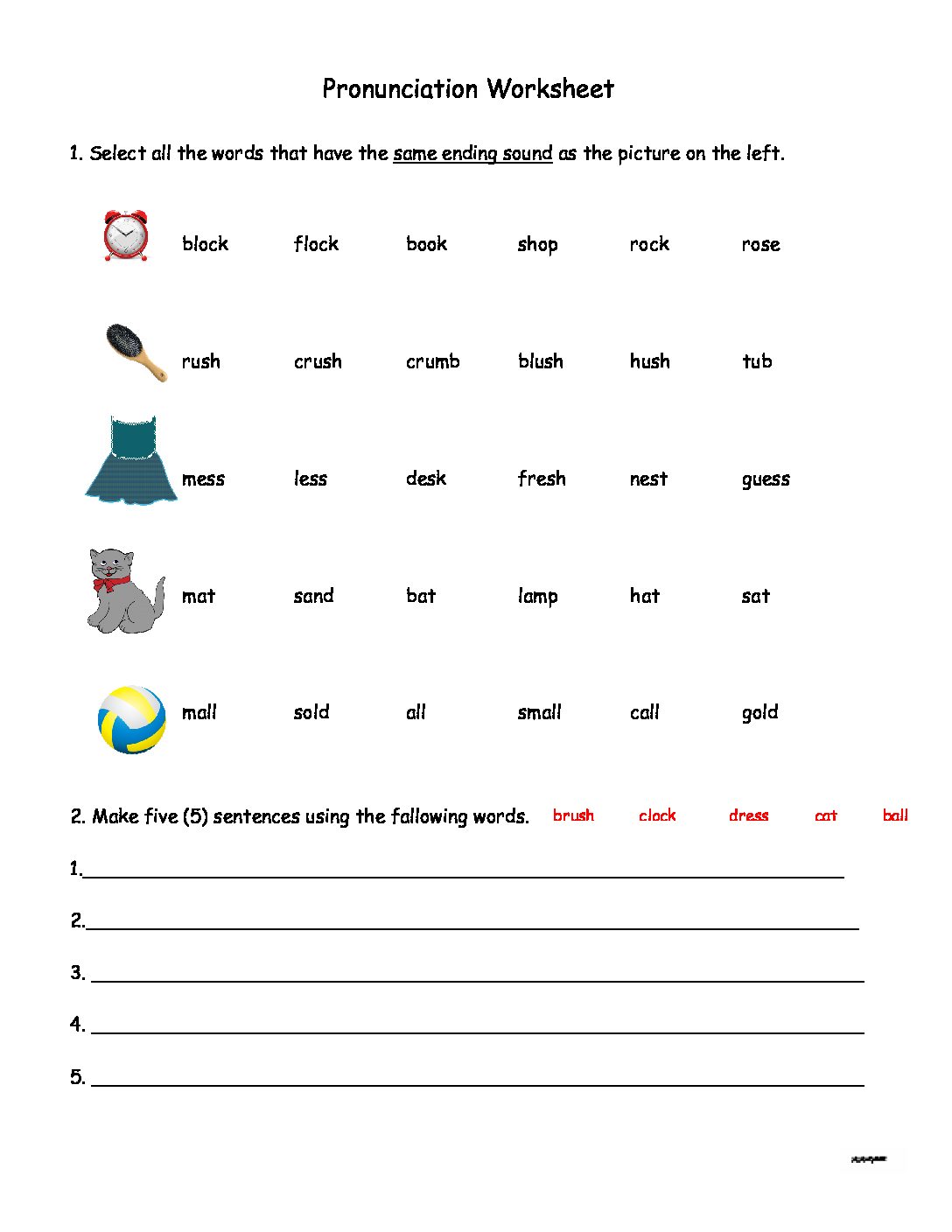
Pronunciation Worksheet – ACCURATE APPROACH
www.accurateapproach.net
Easy English Worksheet For Kids Worksheet | English Worksheets For Kids

www.pinterest.es
Volume of compound 3d shapes worksheet. Cvc worksheet printable. Locomotor and non-locomotor movements worksheet live, 58% off