Understanding energy is fundamental to grasping how the world around us works. From the simple act of turning on a light switch to the complex processes within our bodies, energy is the driving force. Many science curriculums introduce the concept of energy through introductory worksheets, which can sometimes be challenging for students. This post aims to provide clarity and support by offering answers and explanations to common “Introduction to Energy” worksheet questions. We’ll break down the key concepts and help you understand the principles behind energy transformation, forms of energy, and energy conservation.
Understanding Different Forms of Energy
Energy exists in various forms, each with its own unique characteristics and applications. Often, introductory worksheets will ask you to identify and define different forms of energy. Let’s look at some common types:
- Kinetic Energy: This is the energy of motion. Anything that is moving possesses kinetic energy. The faster an object moves, the more kinetic energy it has.
- Potential Energy: This is stored energy. It has the potential to be converted into other forms of energy, like kinetic energy. Examples include gravitational potential energy (an object held high above the ground) and elastic potential energy (a stretched rubber band).
- Thermal Energy: Also known as heat energy, this is the energy associated with the temperature of an object or system. It arises from the random motion of atoms and molecules within a substance.
- Chemical Energy: This is energy stored in the bonds of chemical compounds. It’s released when these bonds are broken, such as when we burn fuel or digest food.
- Electrical Energy: This is the energy associated with the flow of electric charge, typically electrons. It powers our homes, appliances, and electronic devices.
- Radiant Energy: Also known as electromagnetic radiation, this is energy that travels in the form of waves, such as light, radio waves, and X-rays.
- Nuclear Energy: This is energy stored within the nucleus of an atom. It’s released during nuclear reactions, such as in nuclear power plants.
Sample “Introduction to Energy” Worksheet Answers
Below, you will find a set of answers to common questions found on an introductory energy worksheet. Note that depending on your specific worksheet, the questions might vary slightly, but the underlying principles should remain the same.
- Question: Define energy.
- Answer: Energy is the ability to do work or cause change.
- Question: What is the SI unit of energy?
- Answer: Joule (J)
- Question: Give three examples of kinetic energy.
- Answer:
- A rolling ball
- A running person
- Water flowing down a river
- Answer:
- Question: Give three examples of potential energy.
- Answer:
- A book on a shelf
- A stretched rubber band
- Water held behind a dam
- Answer:
- Question: What is the Law of Conservation of Energy?
- Answer: The Law of Conservation of Energy states that energy cannot be created or destroyed, but it can be transformed from one form to another. The total amount of energy in a closed system remains constant.
- Question: Give an example of energy transformation.
- Answer: Burning wood transforms chemical energy stored in the wood into thermal energy (heat) and radiant energy (light). Alternatively, a solar panel converts radiant energy from the sun into electrical energy.
- Question: Differentiate between renewable and non-renewable energy resources.
- Answer: Renewable energy resources are those that can be replenished naturally over a relatively short period of time, such as solar, wind, and hydro power. Non-renewable energy resources are finite and cannot be easily replenished, such as fossil fuels (coal, oil, natural gas) and nuclear fuels.
- Question: A ball is held 2 meters above the ground. What kind of energy does it possess?
- Answer: Gravitational potential energy.
- Question: What is thermal energy, and what causes it?
- Answer: Thermal energy is the energy associated with the temperature of a substance. It’s caused by the random motion of atoms and molecules within the substance. The faster the particles move, the higher the temperature, and therefore the greater the thermal energy.
- Question: Explain how a light bulb demonstrates energy transformation.
- Answer: A light bulb transforms electrical energy into radiant energy (light) and thermal energy (heat). Electrical energy flows through the filament, causing it to heat up and emit light.
By understanding these key concepts and reviewing these sample answers, you should be well-equipped to tackle your “Introduction to Energy” worksheet. Remember to pay attention to the specific wording of each question and apply the principles you’ve learned. Good luck!
If you are looking for Write a Clear Book Introduction That Grabs Your Reader : Publishing Xpress you’ve visit to the right page. We have 20 Pictures about Write a Clear Book Introduction That Grabs Your Reader : Publishing Xpress like DPT Degree Program in Karachi…. Introduction: | by Southcityeducation, How To Begin Your Presentation With Impact: A Step-by-Step Guide and also Introduction Essay. Here it is:
Write A Clear Book Introduction That Grabs Your Reader : Publishing Xpress

www.publishingxpress.com
Introduction Presentation Concept. Male Hand Draws A Line Under The

www.alamy.com
Introduction Essay

ar.inspiredpencil.com
The Essential Walks Series: Connect Your Essence, Your Life, And Your

www.thecoughlincompany.com
Introduction ~ Definition, Overview & Examples

www.bachelorprint.com
Introduction Logo

ar.inspiredpencil.com
Presentation Introduction

www.animalia-life.club
How To Begin Your Presentation With Impact: A Step-by-Step Guide

www.connecttothecore.com
Introduction Images Ppt – Vrogue.co

www.vrogue.co
An Introduction To Thermal Evaporation Deposition In Thin Film Technology

rdmathis.com
Presentation Introduction

www.animalia-life.club
INTRODUCTION Text Written In A Notebook Lying On A Wooden Work Table

www.dreamstime.com
Conceptual Hand Writing Showing Introduction. Business Photo Showcasing

stock.adobe.com
Introduction Essay
ar.inspiredpencil.com
"Self Introduction And Introducing Other" | Juliant English Course

juliantluber.blogspot.com
Introduction To Hosea | AHA Bible Moments

ahabiblemoments.com
DPT Degree Program In Karachi…. Introduction: | By Southcityeducation

medium.com
How To Introduce Yourself In A Essay Examples | Sitedoct.org

sitedoct.org
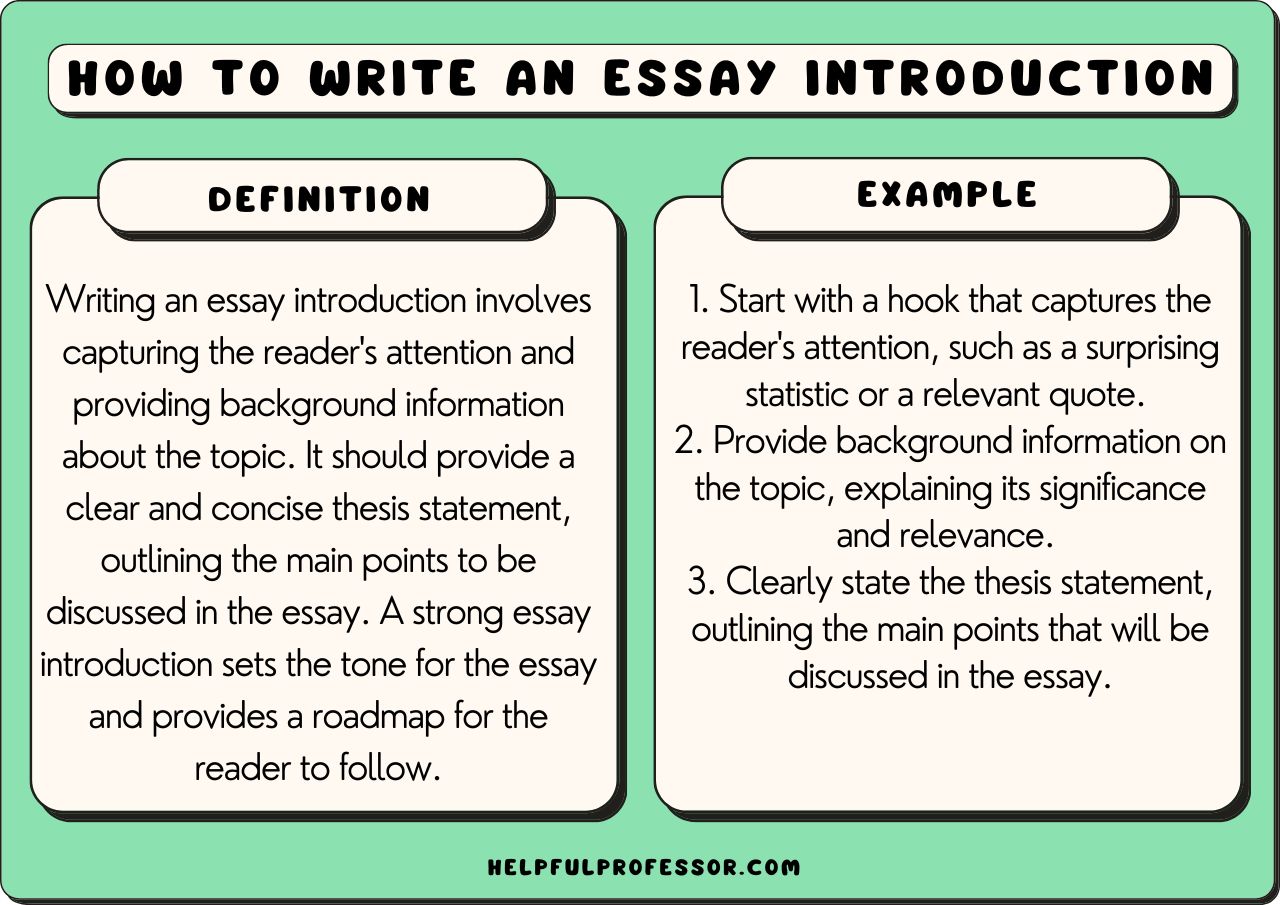
How To Write An Essay Introduction (5-Step Formula) (2025)
helpfulprofessor.com
Introduction Business Symbols Blue Squares Stripes Stock Photo – Alamy

www.alamy.com
introduction essay. Introduction essay. Presentation introduction