Ever felt like life is a complex, fascinating, and sometimes confusing experiment? You’re not wrong! Underneath all the biological processes that keep us alive and functioning lies a deep and elegant foundation in chemistry. From the smallest atom to the largest organism, chemistry is the language of life. Understanding the basic principles of this “chemistry of life” is fundamental to comprehending biology, medicine, and even our place in the universe. That’s where “The Chemistry of Life Worksheet” comes in handy!
This worksheet is designed to help students grasp the core concepts that link chemistry and biology. It covers essential topics like the building blocks of matter (atoms, molecules, and ions), the crucial role of water, the nature of organic molecules (carbohydrates, lipids, proteins, and nucleic acids), and the importance of chemical reactions in living systems. It’s not just about memorizing facts; it’s about understanding *why* these chemical principles are so vital for life as we know it.
Whether you’re a high school student grappling with your first biology course, a college student brushing up on foundational knowledge, or simply a curious individual eager to learn more about the wonders of life, “The Chemistry of Life Worksheet” can serve as a valuable learning tool. It provides a structured approach to understanding the material, offering a clear pathway to master the key concepts. And to help you along the way, we’ve compiled a comprehensive answer key below. Use it to check your work, identify areas where you need more practice, and ultimately deepen your understanding of the chemistry that makes life possible.
The Chemistry Of Life Worksheet – Answer Key
Here’s a breakdown of the typical answers you might find on a “Chemistry of Life Worksheet.” Remember that specific questions will vary depending on the worksheet itself, so this is a general guide.
Part 1: Basic Chemistry
-
What are the three subatomic particles and their charges?
- Protons: Positive (+)
- Neutrons: Neutral (0)
- Electrons: Negative (-)
-
What is an element?
- A pure substance consisting only of atoms that have the same number of protons in their atomic nuclei.
-
What is an atom’s atomic number and atomic mass?
- Atomic Number: The number of protons in the nucleus of an atom.
- Atomic Mass: The total mass of an atom, approximately equal to the number of protons plus the number of neutrons.
-
What is an ion?
- An atom or molecule with a net electric charge due to the loss or gain of electrons.
-
What is a covalent bond?
- A chemical bond that involves the sharing of electron pairs between atoms.
-
What is an ionic bond?
- A chemical bond formed through the electrostatic attraction between oppositely charged ions.
-
What is a hydrogen bond?
- A weak attraction between a slightly positive hydrogen atom in one molecule and a slightly negative atom (often oxygen or nitrogen) in another molecule.
Part 2: Water and its Properties
-
Why is water considered a polar molecule?
- Due to the uneven distribution of electron density, resulting in a partial negative charge on the oxygen atom and partial positive charges on the hydrogen atoms.
-
List four properties of water that are important for life.
- Cohesion: Water molecules stick to each other.
- Adhesion: Water molecules stick to other substances.
- High specific heat: Water resists temperature changes.
- Solvent properties: Water can dissolve many substances.
- Density: Ice is less dense than liquid water.
-
What is pH?
- A measure of the acidity or alkalinity of a solution. It measures the concentration of hydrogen ions (H+) in a solution.
-
What is the difference between an acid and a base?
- Acid: A substance that increases the concentration of H+ ions in a solution (pH < 7).
- Base: A substance that decreases the concentration of H+ ions in a solution (pH > 7).
Part 3: Organic Molecules
-
What are the four major classes of organic molecules?
- Carbohydrates
- Lipids (Fats)
- Proteins
- Nucleic Acids
-
What are the monomers (building blocks) of each class?
- Carbohydrates: Monosaccharides (e.g., glucose, fructose)
- Lipids: Fatty acids and glycerol
- Proteins: Amino acids
- Nucleic Acids: Nucleotides
-
Give an example of a function for each class of organic molecule.
- Carbohydrates: Energy storage (e.g., starch, glycogen)
- Lipids: Insulation and energy storage (e.g., fats, oils)
- Proteins: Enzymes, structural support (e.g., enzymes, collagen)
- Nucleic Acids: Genetic information storage and transfer (e.g., DNA, RNA)
-
What is the difference between a saturated and an unsaturated fat?
- Saturated Fat: Contains only single bonds between carbon atoms in the fatty acid chains; solid at room temperature.
- Unsaturated Fat: Contains one or more double bonds between carbon atoms in the fatty acid chains; liquid at room temperature.
-
What is the role of enzymes in chemical reactions?
- Enzymes are biological catalysts that speed up chemical reactions by lowering the activation energy.
This answer key provides a solid foundation for understanding the “Chemistry of Life.” Remember to consult your textbook, lecture notes, and other resources to further deepen your knowledge and succeed in your studies. Good luck!
If you are looking for Chemistry Of Life Review Worksheet you’ve visit to the right page. We have 20 Pictures about Chemistry Of Life Review Worksheet like Chemistry Of Life Worksheet Awesome Chapter 6 the Chemistry Life, Free Printable Stoichiometry Worksheets – Worksheets Library and also Chapter 6 the chemistry of life worksheet answer key: Fill out. Read more:
Chemistry Of Life Review Worksheet
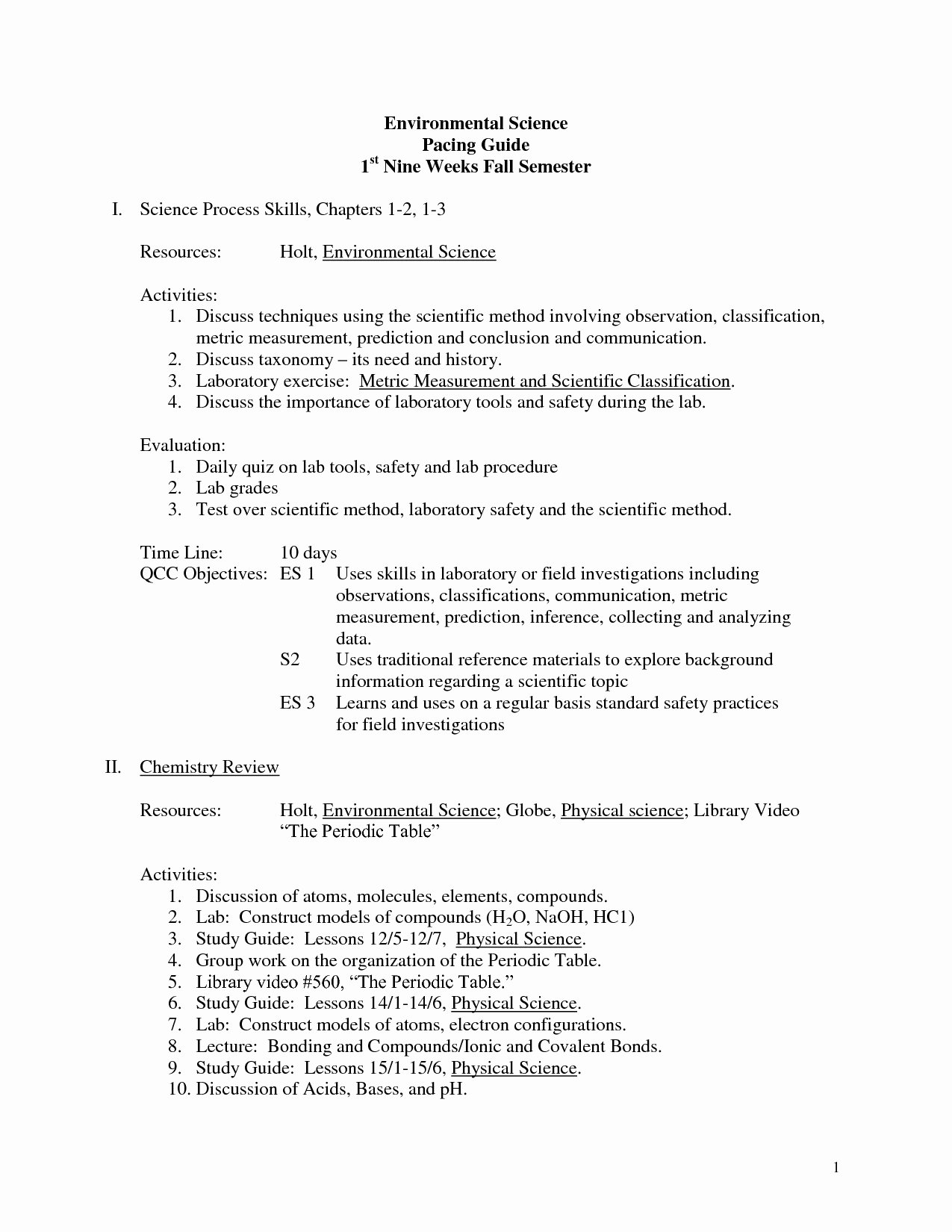
studylibrarygodward.z13.web.core.windows.net
Class 11 Chemistry Worksheet On Chapter 1 Some Basic Concepts Of

byjus.com
The Chemistry Of Life Worksheet – E-streetlight.com
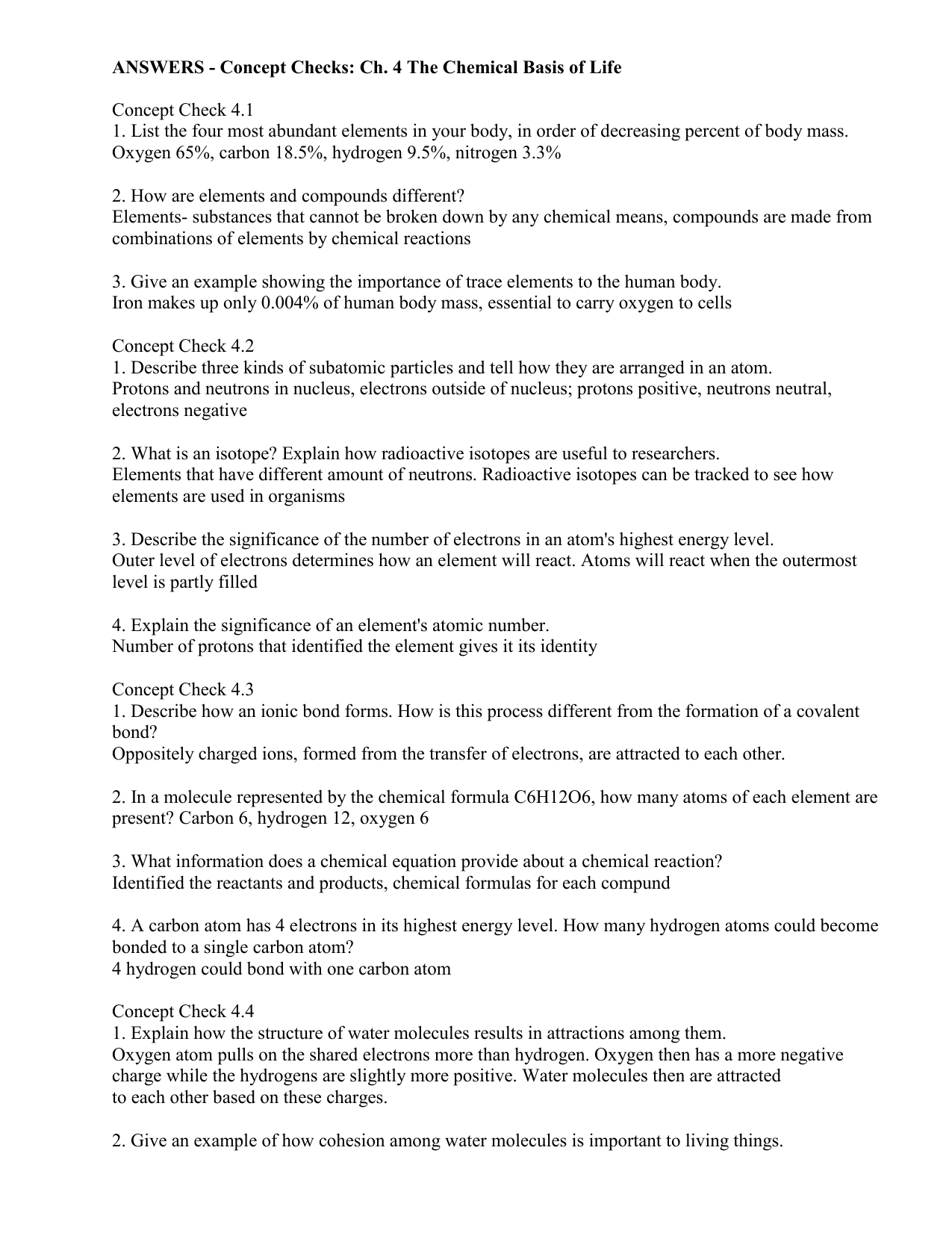
www.e-streetlight.com
Graphing Trig Functions Lesson Plans & Worksheets – Worksheets Library

worksheets.clipart-library.com
Chemistry Of Life Worksheet Elegant Biology Chapter 2 The Chemistry
chessmuseum.org
The 6-Kingdoms Of Life. Science Worksheets And Study Guides Sixth

worksheets.clipart-library.com
SOLUTION: Isotopes Worksheet Review – Studypool – Worksheets Library

worksheets.clipart-library.com
Read And Recall Worksheets | K5 Learning – Worksheets Library
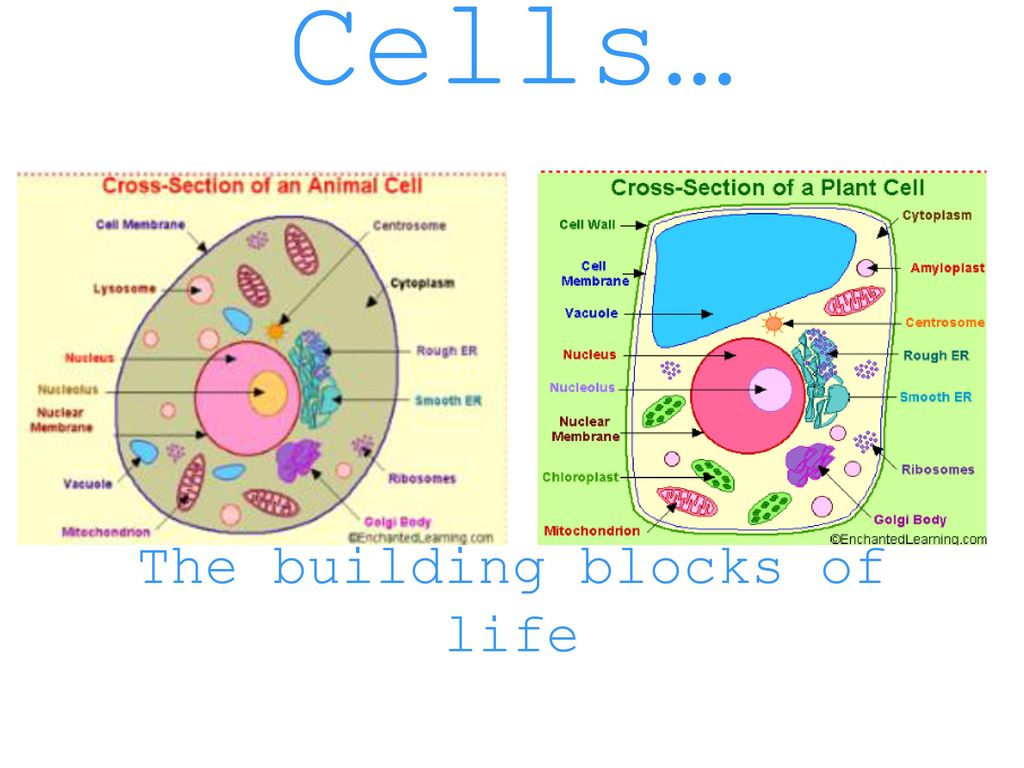
worksheets.clipart-library.com
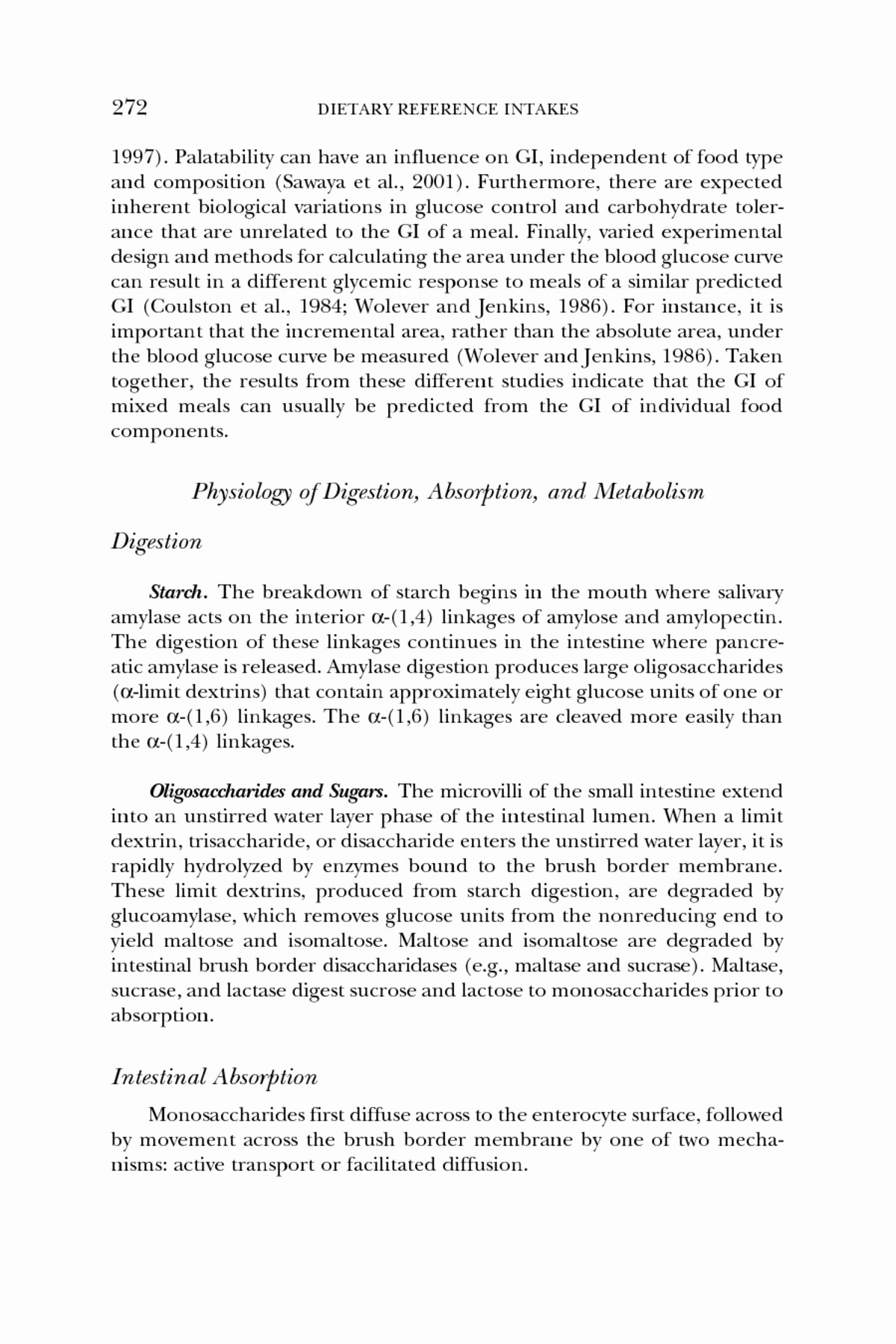
The Chemistry Of Life Worksheet Elegant Chapter 6 The Chemistry Life
chessmuseum.org
Chapter 6 The Chemistry Of Life Worksheet Answer Key: Fill Out

worksheets.clipart-library.com
Free PDF Chemistry Worksheets To Download Or Print – Worksheets Library

worksheets.clipart-library.com
Chemistry Of Life Worksheet – Owhentheyanks.com

www.owhentheyanks.com
Chemistry I Classification Of Matter Worksheet – Chemistry I

worksheets.clipart-library.com
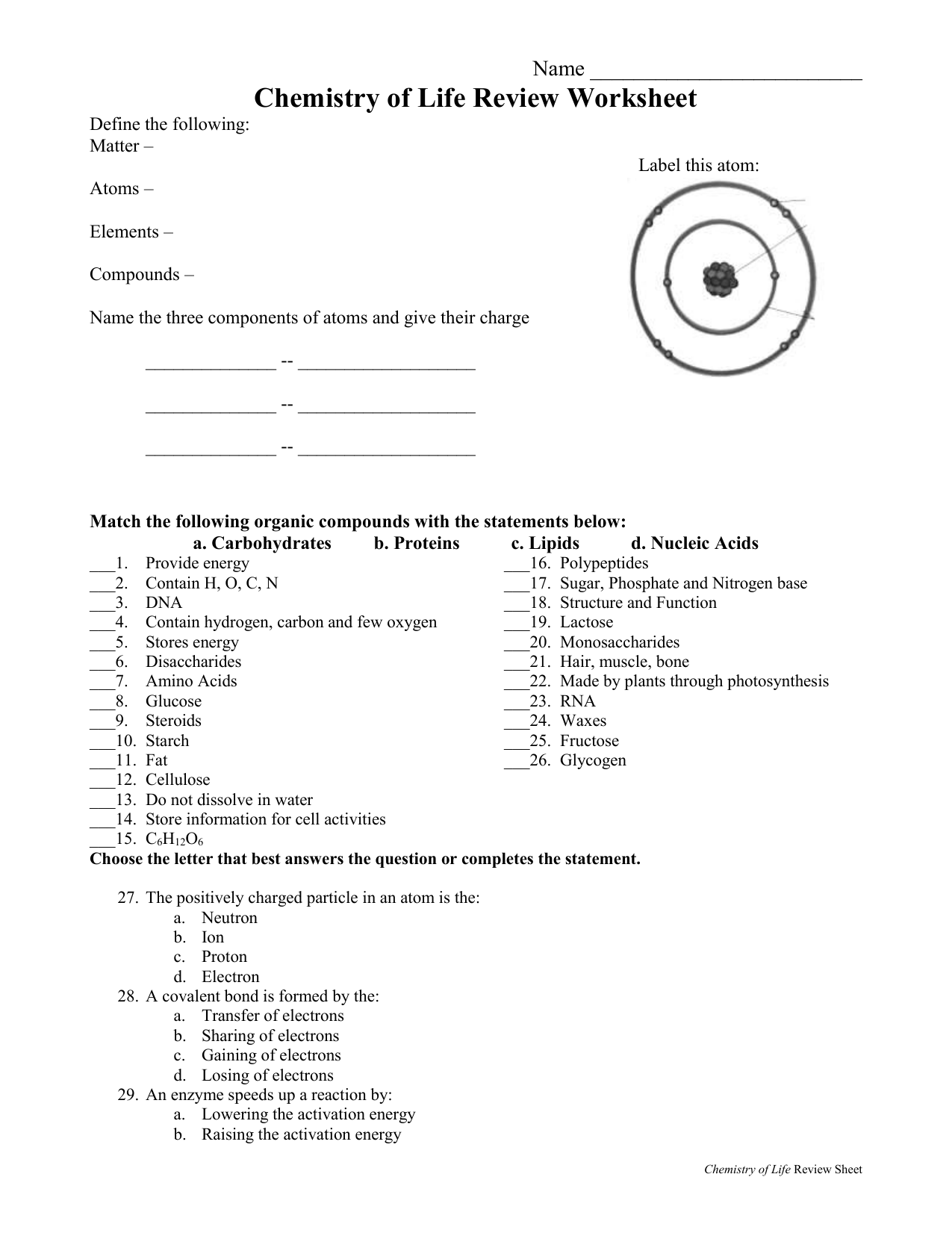
The Chemistry Of Life Worksheet – Pro Worksheet
www.proworksheet.my.id
Physical And Chemical Changes – Worksheets Library

worksheets.clipart-library.com
Printable Home School Science Worksheet Graphic By Island Tulip

worksheets.clipart-library.com
Chemistry Of Life Worksheet Awesome Chapter 6 The Chemistry Life
chessmuseum.org
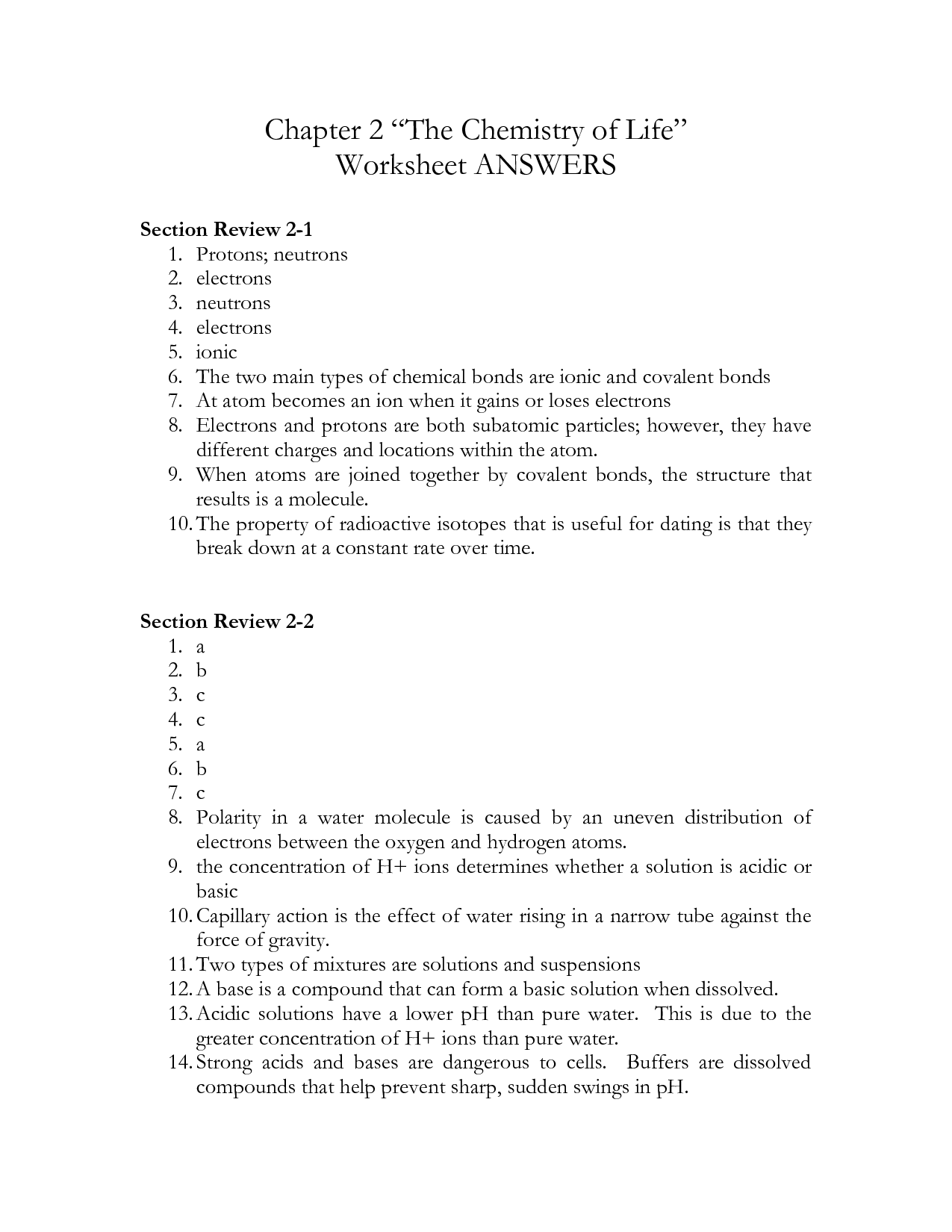
The Chemistry Of Life Worksheet Answers – Hustlerinspire
hustlerinspire.blogspot.com
Free The Chemistry Of Life Worksheet, Download Free The Chemistry Of

worksheets.clipart-library.com
Free Printable Stoichiometry Worksheets – Worksheets Library

worksheets.clipart-library.com
The 6-kingdoms of life. science worksheets and study guides sixth …. Free pdf chemistry worksheets to download or print. Physical and chemical changes