Chemical reactions are the fundamental processes that drive change in our world. From the rusting of iron to the digestion of food, understanding how different substances interact and transform is crucial in chemistry. A great tool for reinforcing this understanding is a Chemical Reactions Types Worksheet. These worksheets provide practice in identifying the various types of chemical reactions based on their reactants and products. Mastering this skill is a building block for more advanced chemistry concepts, such as stoichiometry and chemical kinetics.
Understanding Chemical Reactions: A Deep Dive
Before diving into the answers, let’s briefly recap the key types of chemical reactions you’ll commonly encounter. Knowing these definitions will help you approach your worksheet more confidently.
Types of Chemical Reactions:
- Synthesis (Combination): Two or more reactants combine to form a single product. Think of it like Lego bricks joining to create a larger structure. The general form is A + B → AB.
- Decomposition: A single reactant breaks down into two or more products. This is the opposite of synthesis; the larger structure is broken down into smaller Lego bricks. The general form is AB → A + B.
- Single Replacement (Displacement): One element replaces another element in a compound. Imagine a line of dancers where one dancer cuts in and takes another’s place. The general form is A + BC → AC + B or D + BC → BD + C. Whether A or D can actually replace B depends on the activity series, which indicates the relative reactivity of elements.
- Double Replacement (Metathesis): Two compounds exchange ions or elements. Picture two couples swapping partners. The general form is AB + CD → AD + CB. These reactions often result in the formation of a precipitate (insoluble solid), a gas, or water.
- Combustion: A rapid reaction between a substance with an oxidant, usually oxygen, to produce heat and light. Typically, these reactions involve a hydrocarbon reacting with oxygen to produce carbon dioxide and water. The general form is CxHy + O2 → CO2 + H2O. Balancing these equations is a common skill tested.
- Neutralization: A reaction between an acid and a base, which results in the formation of a salt and water. For example, hydrochloric acid (HCl) reacting with sodium hydroxide (NaOH).
These types are not always mutually exclusive. A single reaction can sometimes be classified as belonging to multiple categories. For example, a combustion reaction might also be a type of redox reaction, but for introductory purposes, focusing on the primary identifiable type is sufficient.
Answers to a Sample Chemical Reactions Types Worksheet
Below, you’ll find a list representing typical answers to a Chemical Reactions Types Worksheet. Keep in mind that the exact reactions on your worksheet might differ. This is intended as a guide to help you check your work and understand the reasoning behind the classifications.
Important Note: Balancing equations is critical for properly understanding stoichiometry. Ensure your reactions are balanced before classifying them, as the coefficients play a role in determining the correct type of reaction in some cases.
Sample Answers (HTML List Format):
- Reaction: 2 H2 + O2 → 2 H2O – Type: Synthesis (Two elements combine to form one compound)
- Reaction: 2 HgO → 2 Hg + O2 – Type: Decomposition (One compound breaks down into two elements)
- Reaction: Zn + 2 HCl → ZnCl2 + H2 – Type: Single Replacement (Zinc replaces hydrogen in hydrochloric acid)
- Reaction: AgNO3 + NaCl → AgCl + NaNO3 – Type: Double Replacement (Silver and sodium swap places, forming silver chloride precipitate)
- Reaction: CH4 + 2 O2 → CO2 + 2 H2O – Type: Combustion (Methane reacts with oxygen to produce carbon dioxide and water)
- Reaction: NaOH + HCl → NaCl + H2O – Type: Neutralization (Acid-base reaction forming salt and water)
- Reaction: 2 KClO3 → 2 KCl + 3 O2 – Type: Decomposition (Potassium chlorate breaks down into potassium chloride and oxygen)
- Reaction: Cl2 + 2 KBr → 2 KCl + Br2 – Type: Single Replacement (Chlorine replaces bromine)
- Reaction: Pb(NO3)2 + 2 KI → PbI2 + 2 KNO3 – Type: Double Replacement (Lead and potassium swap places, often forming a lead iodide precipitate)
- Reaction: S + O2 → SO2 – Type: Synthesis (Sulfur and oxygen combine to form sulfur dioxide)
Practice is key to mastering the identification of chemical reaction types. If you find yourself struggling, revisit the definitions, work through additional examples, and don’t hesitate to ask your teacher or classmates for help. Chemical reactions are the heart of chemistry, and understanding them will unlock a deeper appreciation for the world around you.
If you are looking for Computer system predicts products of chemical reactions | MIT News you’ve came to the right page. We have 20 Pictures about Computer system predicts products of chemical reactions | MIT News like Expert Advice for Managing Chemical Hazard | Train and Develop, What Is a Chemical? (and What Isn't One) and also What Exactly Is A Chemical?. Here it is:
Computer System Predicts Products Of Chemical Reactions | MIT News
news.mit.edu
Crystal White Laboratory Chemical & Reagents, V India Biosynergy | ID

www.indiamart.com
Types Of Chemical Hazards And How To Manage Them Images
www.tpsearchtool.com
AI Approach Optimizes Synthesis Of Important Chemical Compounds

www.technologynetworks.com
Chemical – NailKnowledge
nailknowledge.org
Expert Advice For Managing Chemical Hazard | Train And Develop
www.trainanddevelop.ca
What Is A Chemical? Definition And Examples

sciencenotes.org
Chemical – Carbon Farming Trust
carbonfarmingtrust.com
Chemistry Pictures Images
ar.inspiredpencil.com
Chemical Safety In Laboratories: Best Practices For Handling And
www.nationallaboratorysales.com
Role Of Chemical Science/ Chemistry In Our Life – Avens Blog | Avens Blog
www.avensonline.org
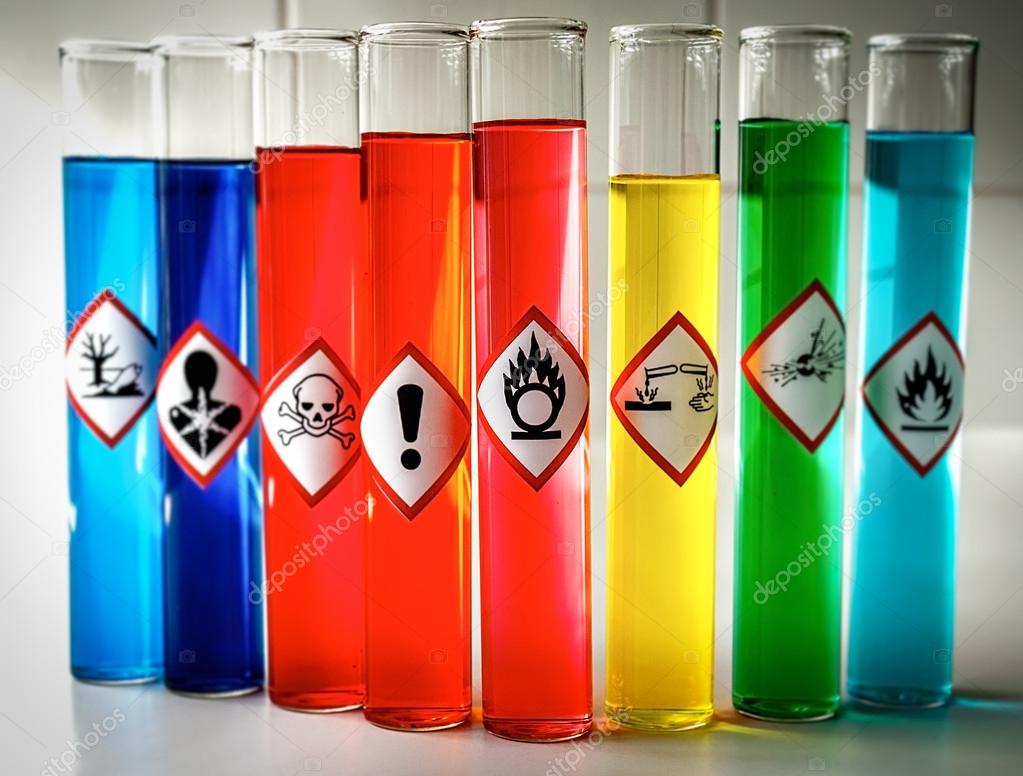
Aligned Chemical Danger Pictograms – Oxidizing — Stock Photo
depositphotos.com
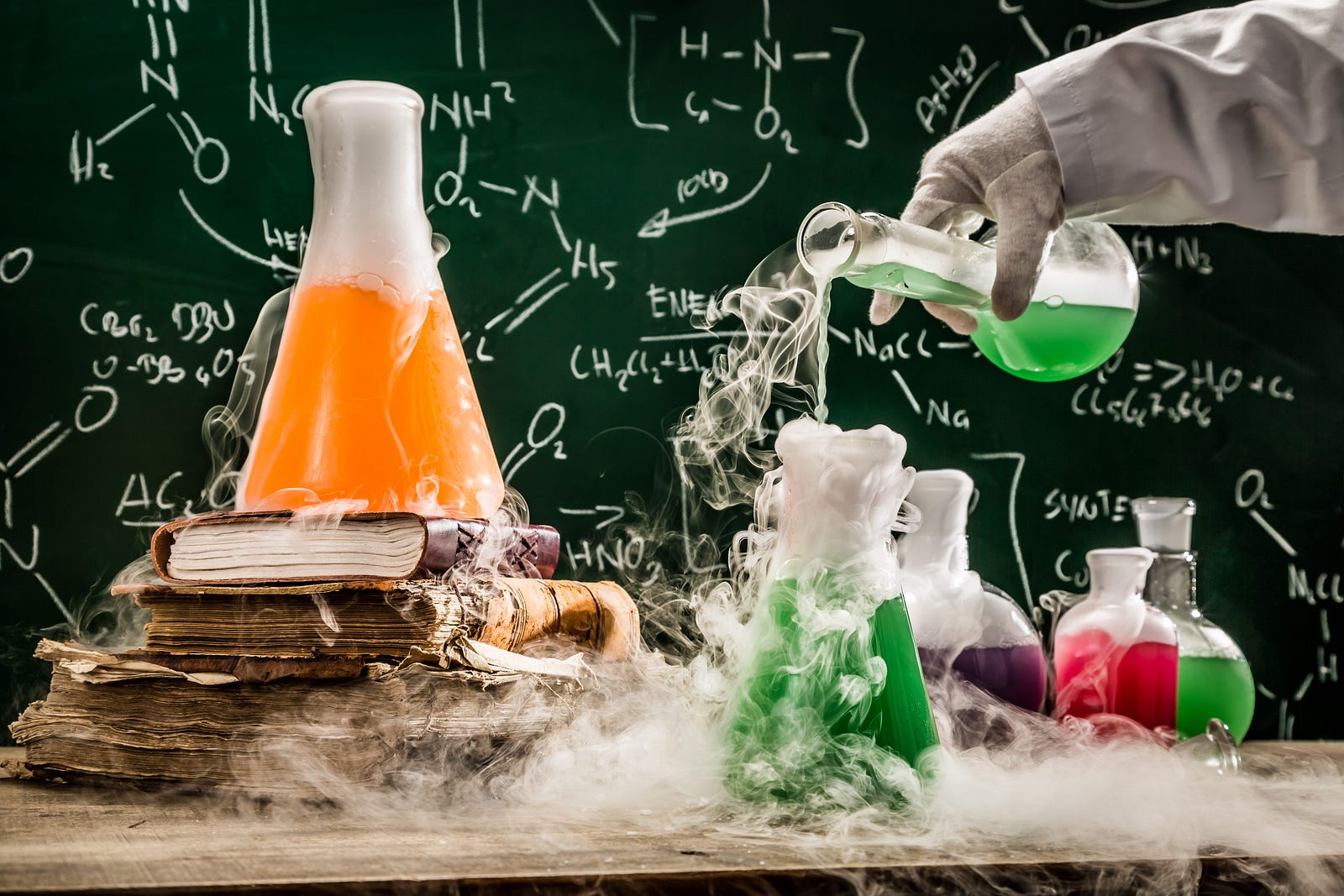
The Effects Of Time, Temperature, And Concentration In Chemical Reactions
medium.com
What Is A Chemical? (and What Isn't One)
/chemistry-glassware-56a12a083df78cf772680235.jpg)
www.thoughtco.com
Stoichiometry Chemistry Quiz
/molecular-model-illustration-545862141-57dec4f93df78c9cce4ab839.jpg)
www.thoughtco.com
Exploring Physical And Chemical Changes – Let's Talk Science

letstalkscience.ca
Chemical Safety: Working With Chemicals At Work – ACT Associates
www.actassociates.co.uk
Chemicals
www.realfoodgirlunmodified.com
Chemical Solution Images
ar.inspiredpencil.com
What Exactly Is A Chemical?

www.reagent.co.uk
Stoichiometry chemistry quiz. What is a chemical? definition and examples. The effects of time, temperature, and concentration in chemical reactions