Designing an experiment can feel daunting, especially for students new to the scientific method. It’s not enough to just *want* to test something; a well-designed experiment requires careful planning, controls, and a methodical approach to data collection and analysis. This is where a “Designing An Experiment Worksheet” comes into play. It acts as a roadmap, guiding students (and even seasoned researchers!) through each critical step, ensuring that the experiment is sound, reliable, and ultimately, yields meaningful results.
A good worksheet shouldn’t just be a list of blank spaces to fill. It should prompt critical thinking, encourage careful consideration of variables, and help to anticipate potential problems. The worksheet helps to clarify the purpose of the experiment, identify the independent and dependent variables, control for confounding factors, and create a detailed procedure that can be easily replicated. It also forces researchers to think about how they will analyze their data and what conclusions they can realistically draw from their findings.
Think of the worksheet as a pre-flight checklist. Before launching an experiment, you want to ensure everything is in place, all potential issues are identified, and a clear plan is established. This not only saves time and resources in the long run but also significantly increases the likelihood of obtaining valid and reliable results. A poorly designed experiment can lead to inaccurate conclusions, wasted effort, and even misleading data. The worksheet provides a framework to avoid these pitfalls.
The following is an example of what a comprehensive “Designing An Experiment Worksheet” might include, structured to aid in understanding and application:
Designing An Experiment Worksheet
-
1. Research Question:
- Clearly state the question you are trying to answer.
- Example: Does the amount of sunlight affect the growth rate of bean plants?
-
2. Hypothesis:
- Formulate a testable hypothesis. This is your educated guess about the answer to your research question.
- Example: Bean plants exposed to more sunlight will grow taller than bean plants exposed to less sunlight.
- Explain the rationale behind your hypothesis. Why do you think this will happen?
- Example: Plants need sunlight for photosynthesis, which provides energy for growth.
-
3. Variables:
- Independent Variable: The variable you will manipulate or change.
- Example: Amount of sunlight (measured in hours per day).
- Dependent Variable: The variable you will measure to see if it is affected by the independent variable.
- Example: Plant height (measured in centimeters).
- Controlled Variables: Factors you will keep constant to ensure they don’t influence the dependent variable.
- Example: Type of bean plant, amount of water, type of soil, temperature.
-
4. Materials:
- List all materials needed for the experiment. Be specific about quantities and types.
- Example: Bean seeds (same variety), pots, potting soil, ruler, water, grow lights (if needed), timer.
-
5. Procedure:
- Write a detailed, step-by-step procedure that can be easily replicated by someone else. Include specific measurements and instructions.
- Example:
- Plant 5 bean seeds in each of 3 pots filled with potting soil.
- Water each pot with 50 ml of water.
- Place one pot in a location with 4 hours of direct sunlight per day.
- Place another pot in a location with 8 hours of direct sunlight per day.
- Place the third pot in a location with 12 hours of direct sunlight per day.
- Water each pot with 50 ml of water every other day.
- Measure the height of each plant in each pot every day for two weeks.
- Record the measurements in a data table.
-
6. Data Collection:
- Describe how you will collect and record your data. Include a sample data table.
- Example: Plant height will be measured in centimeters using a ruler. Measurements will be recorded in the following data table:
-
Day Pot 1 (4 hours sunlight) – Plant 1 Pot 1 (4 hours sunlight) – Plant 2 Pot 1 (4 hours sunlight) – Plant 3 Pot 1 (4 hours sunlight) – Plant 4 Pot 1 (4 hours sunlight) – Plant 5 Pot 2 (8 hours sunlight) – Plant 1 Pot 2 (8 hours sunlight) – Plant 2 … Pot 3 (12 hours sunlight) – Plant 5 Day 1 … Day 2 … … …
-
7. Data Analysis:
- Describe how you will analyze your data to determine if your hypothesis is supported.
- Example: I will calculate the average plant height for each treatment group (4 hours, 8 hours, 12 hours of sunlight) at the end of the two weeks. I will then create a bar graph to visually compare the average plant heights. I will also perform a t-test to determine if the differences in average plant heights are statistically significant.
-
8. Expected Results:
- Describe what results would support your hypothesis and what results would contradict it.
- Example: If the average plant height is significantly greater in the 12-hour sunlight group compared to the 4-hour and 8-hour groups, my hypothesis would be supported. If there is no significant difference in plant height between the groups, my hypothesis would be rejected.
-
9. Potential Problems:
- Identify any potential problems or limitations of your experiment.
- Example: Seeds may not germinate. Watering may be inconsistent. The grow lights (if used) may not provide consistent light intensity.
-
10. Conclusion:
- (To be completed after the experiment) Summarize your findings and state whether your hypothesis was supported or refuted. Discuss any limitations of your experiment and suggest future research.
By diligently working through a “Designing An Experiment Worksheet,” you’re not just filling out a form; you’re building a solid foundation for a successful scientific investigation. This structured approach not only helps produce reliable results but also fosters a deeper understanding of the scientific method and critical thinking skills applicable far beyond the lab.
If you are searching about Designing An Experiment Worksheet Beautiful Worksheet Science you’ve came to the right web. We have 20 Pictures about Designing An Experiment Worksheet Beautiful Worksheet Science like Designing An Experiment Worksheet Beautiful Worksheet Science, Designing An Experiment Worksheet – E-streetlight.com and also Design An Experiment Worksheet. Here it is:
Designing An Experiment Worksheet Beautiful Worksheet Science
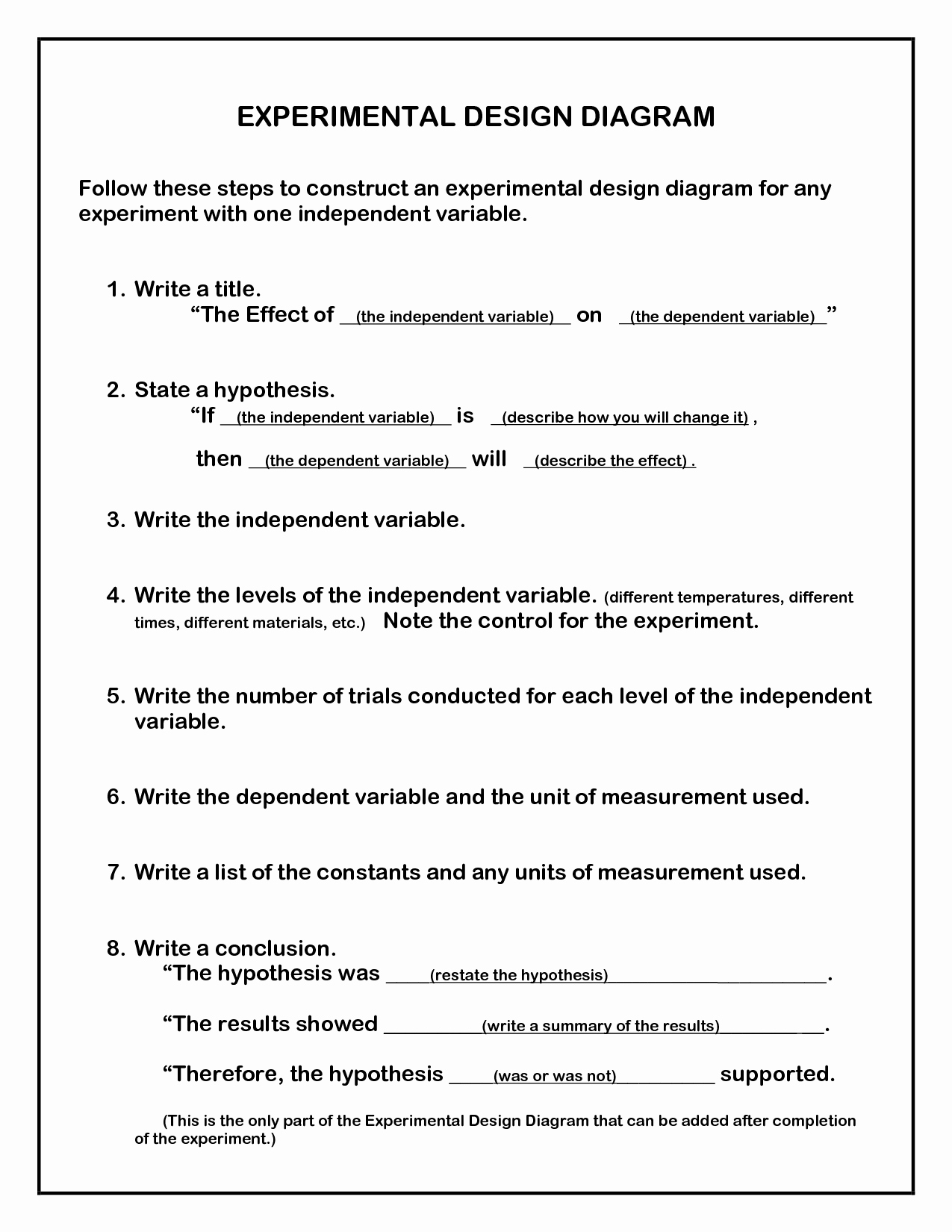
chessmuseum.org
Design An Experiment Worksheet – Design Talk
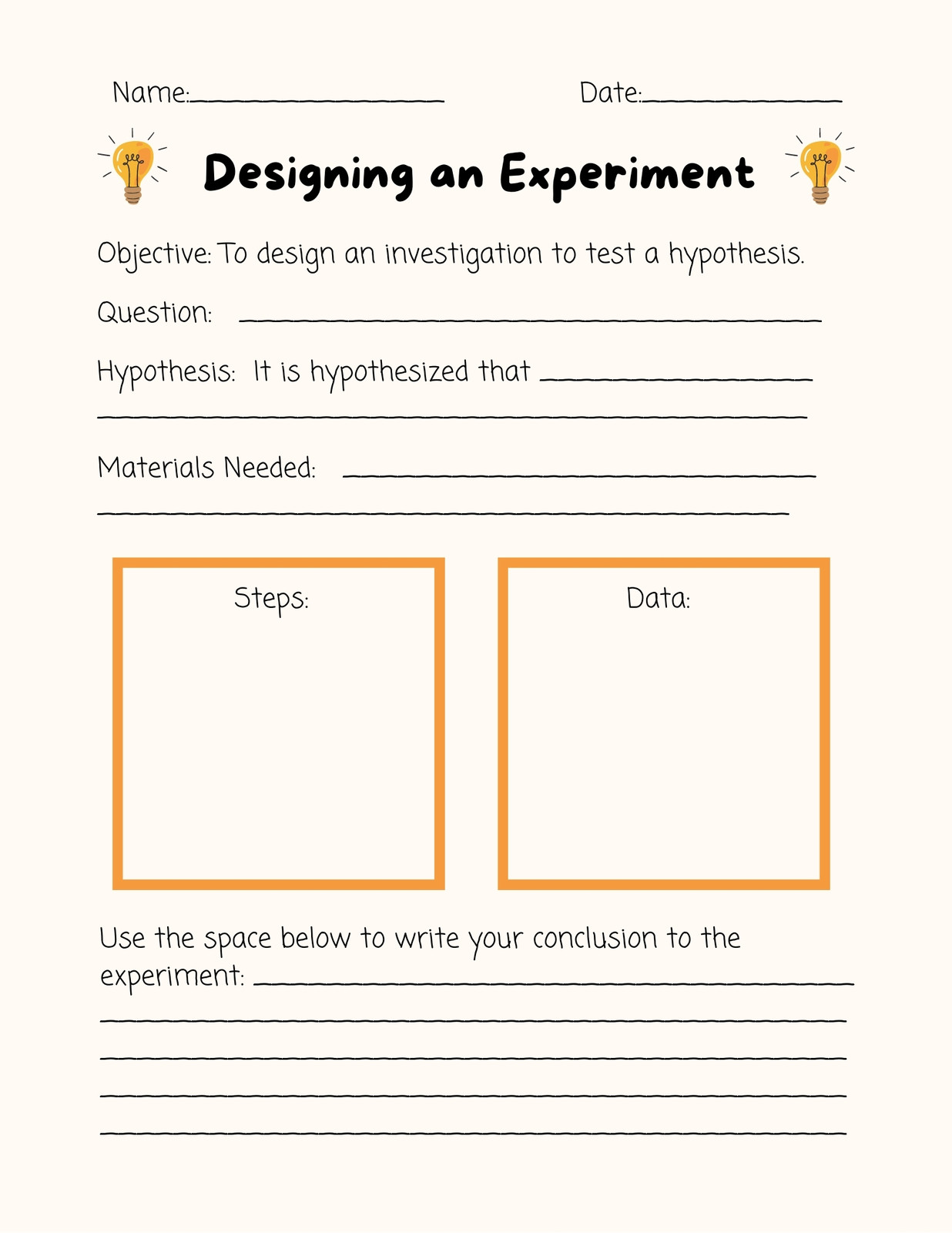
design.udlvirtual.edu.pe
Design An Experiment Worksheet
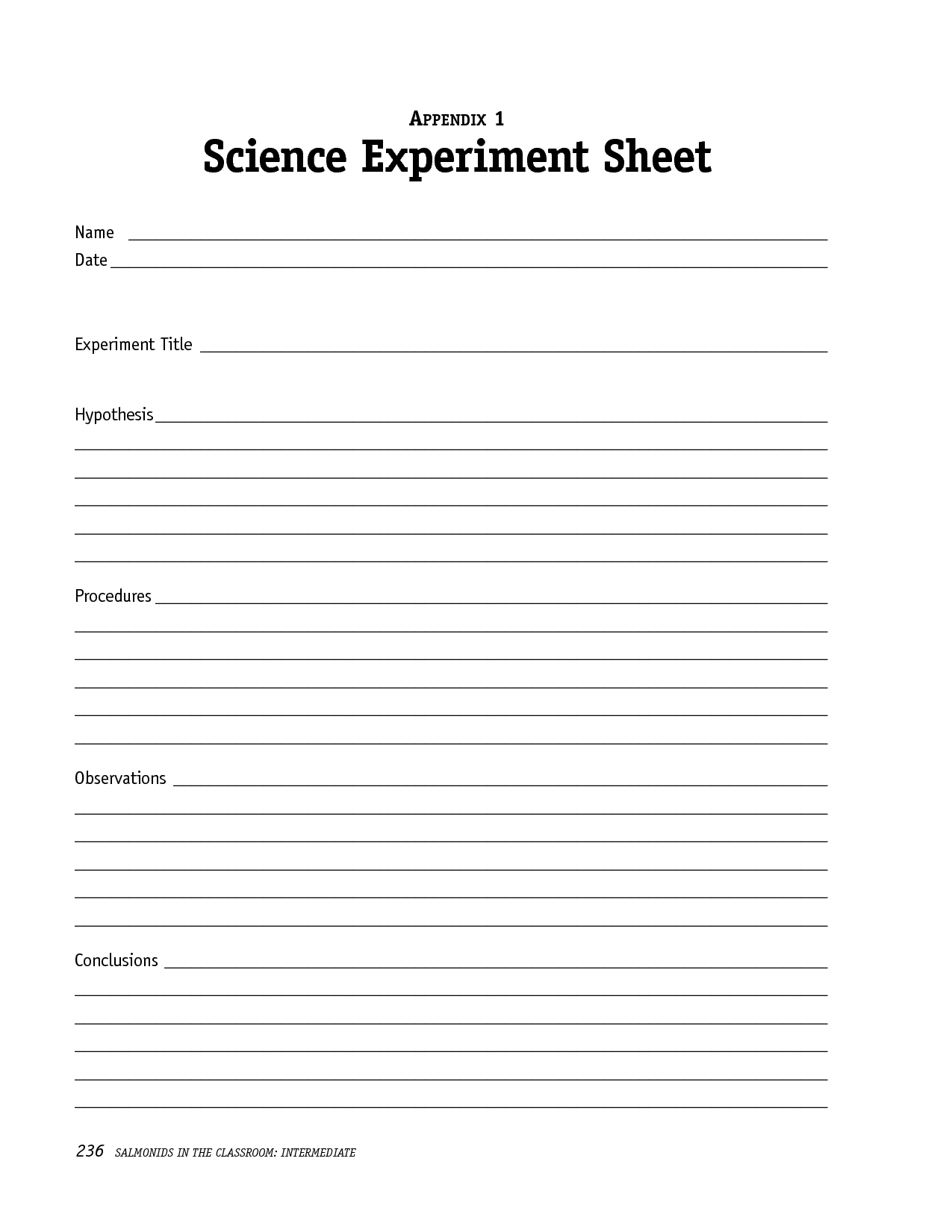
emmandikgrdblearning.z13.web.core.windows.net
Free Lab Report Maker And Worksheet Templates For Students – Worksheets

worksheets.clipart-library.com
Solved PROCEDUREDesigning An ExperimentLet's Put What We | Chegg.com
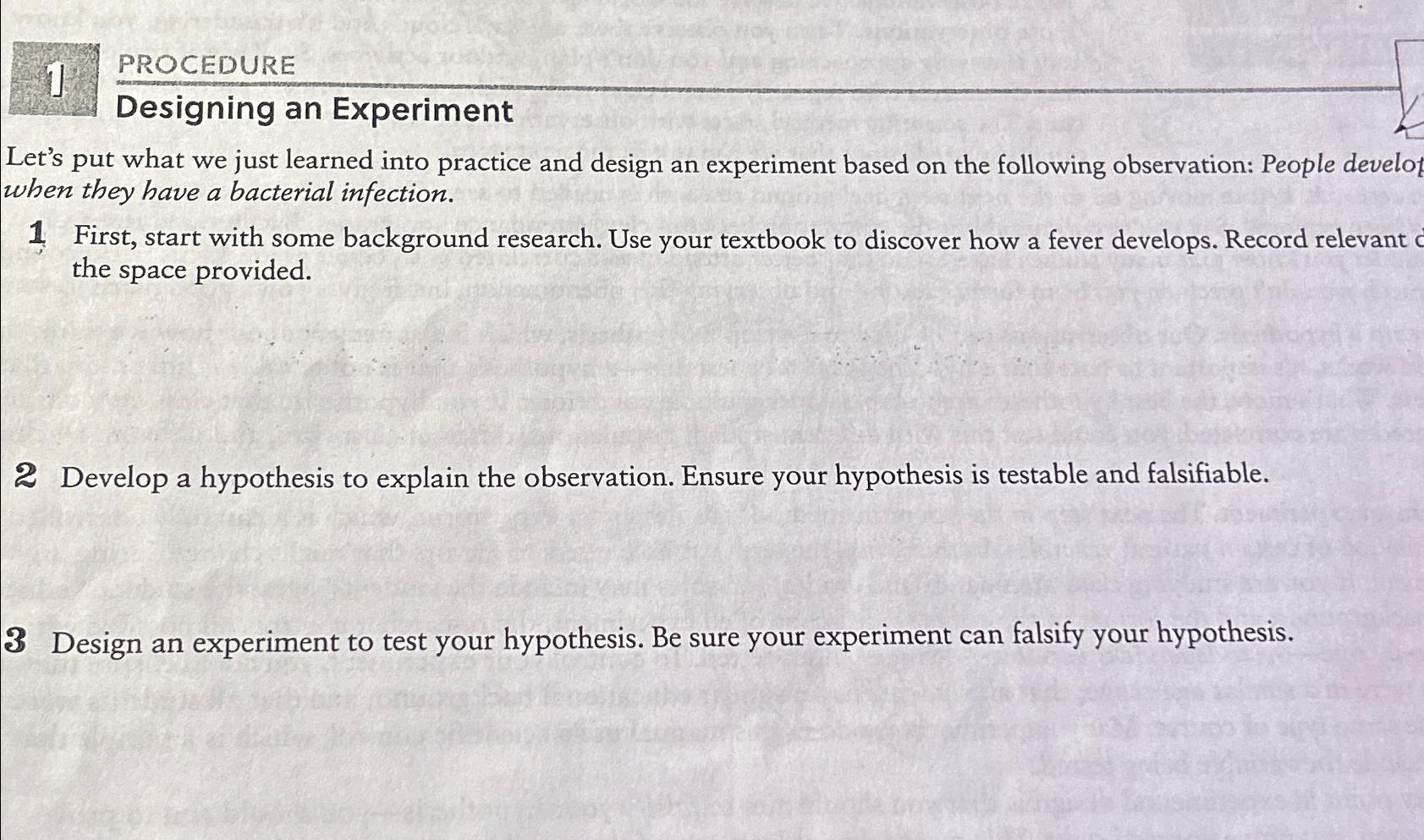
www.chegg.com
Foundation Experimental Design Sheet – Printer Friendly – Worksheets

worksheets.clipart-library.com
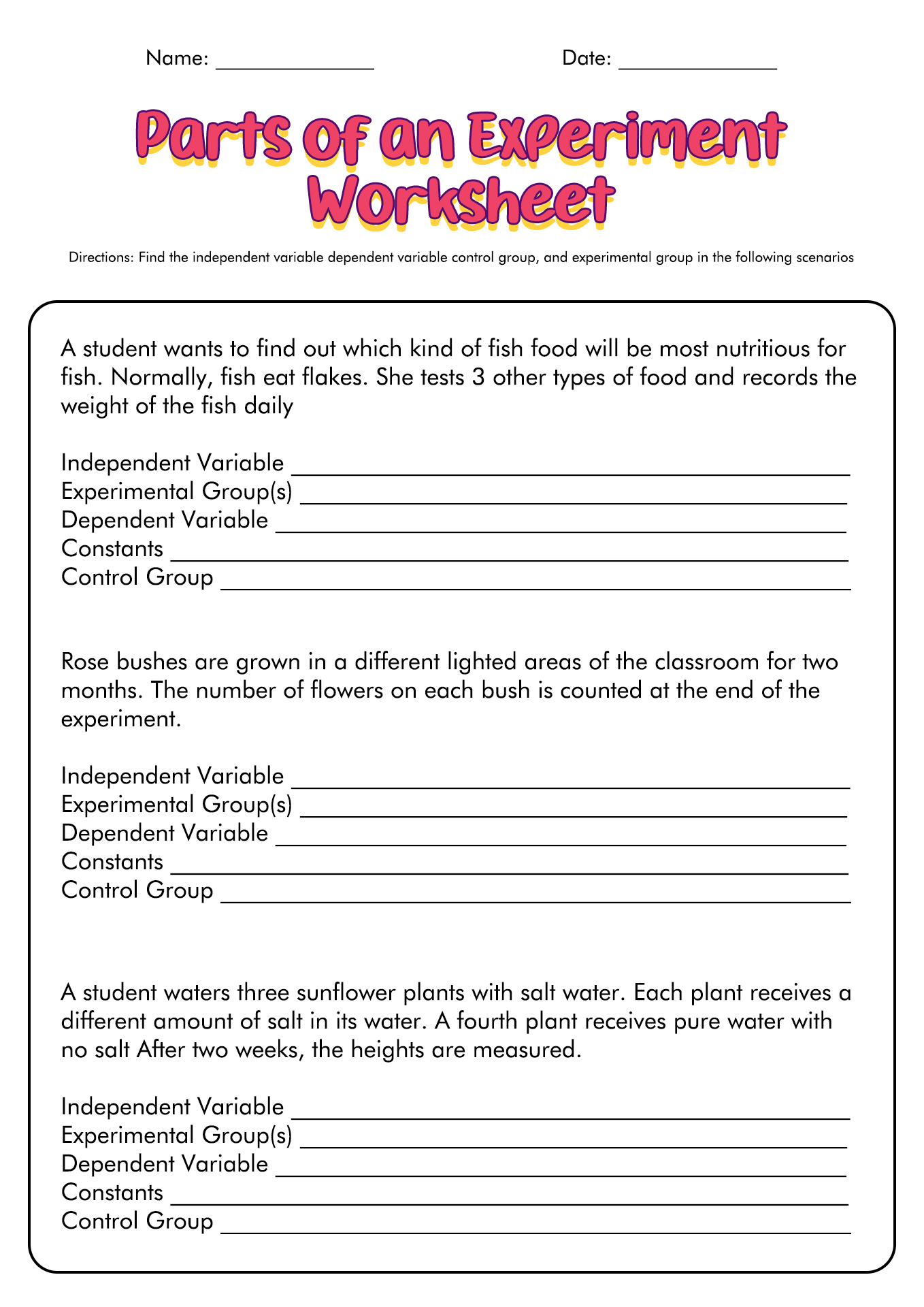
Experimental Design Worksheet Scientific Method – Ame.my.id
ame.my.id
Designing An Experiment Printable (6th – 12th Grade) – TeacherVision

worksheets.clipart-library.com
Free Design Your Own Experiment Worksheet, Download Free Design Your

worksheets.clipart-library.com
Designing A Science Experiment Worksheet

lessonberginrevenons.z21.web.core.windows.net
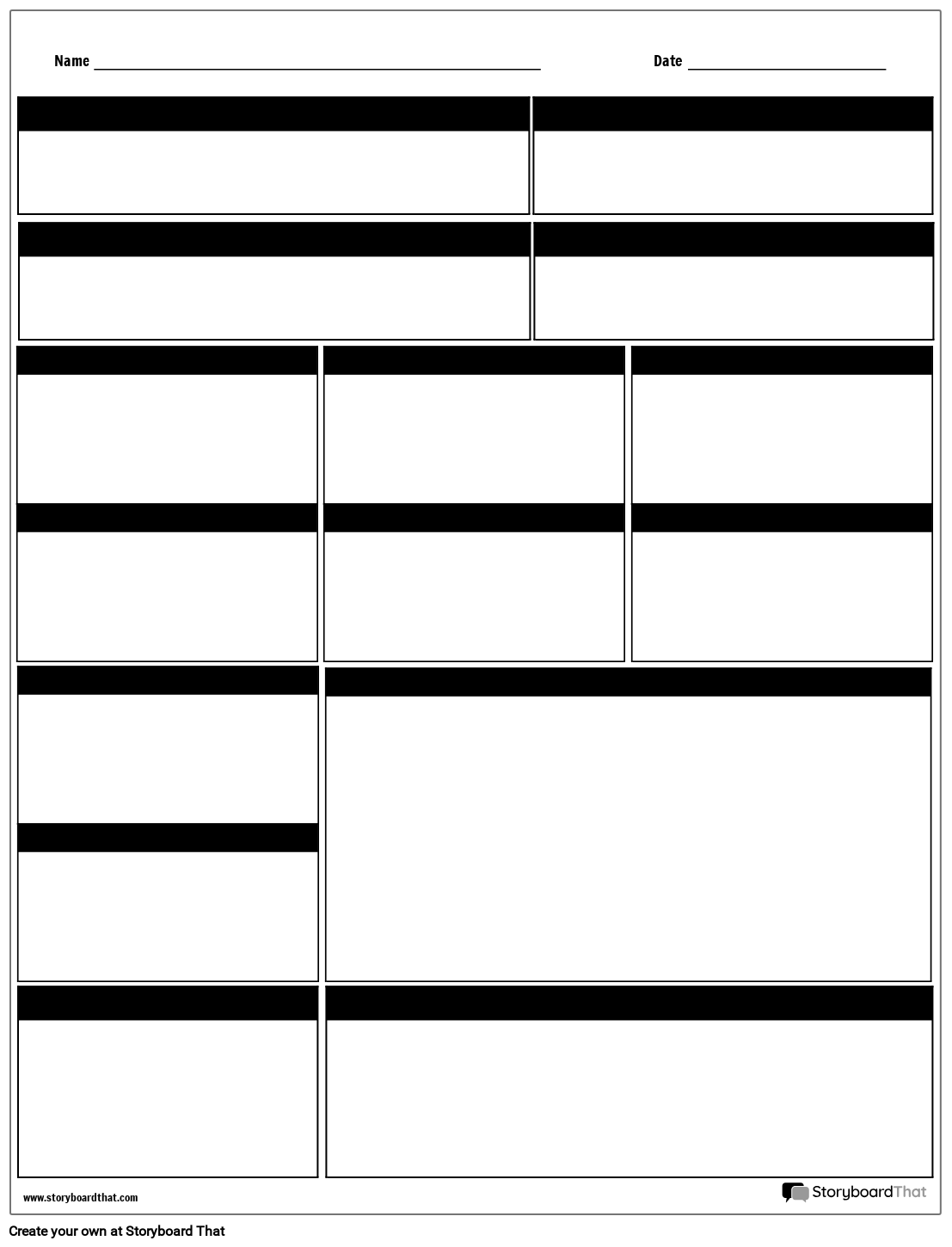
Designing An Experiment Worksheet – Ame.my.id
ame.my.id
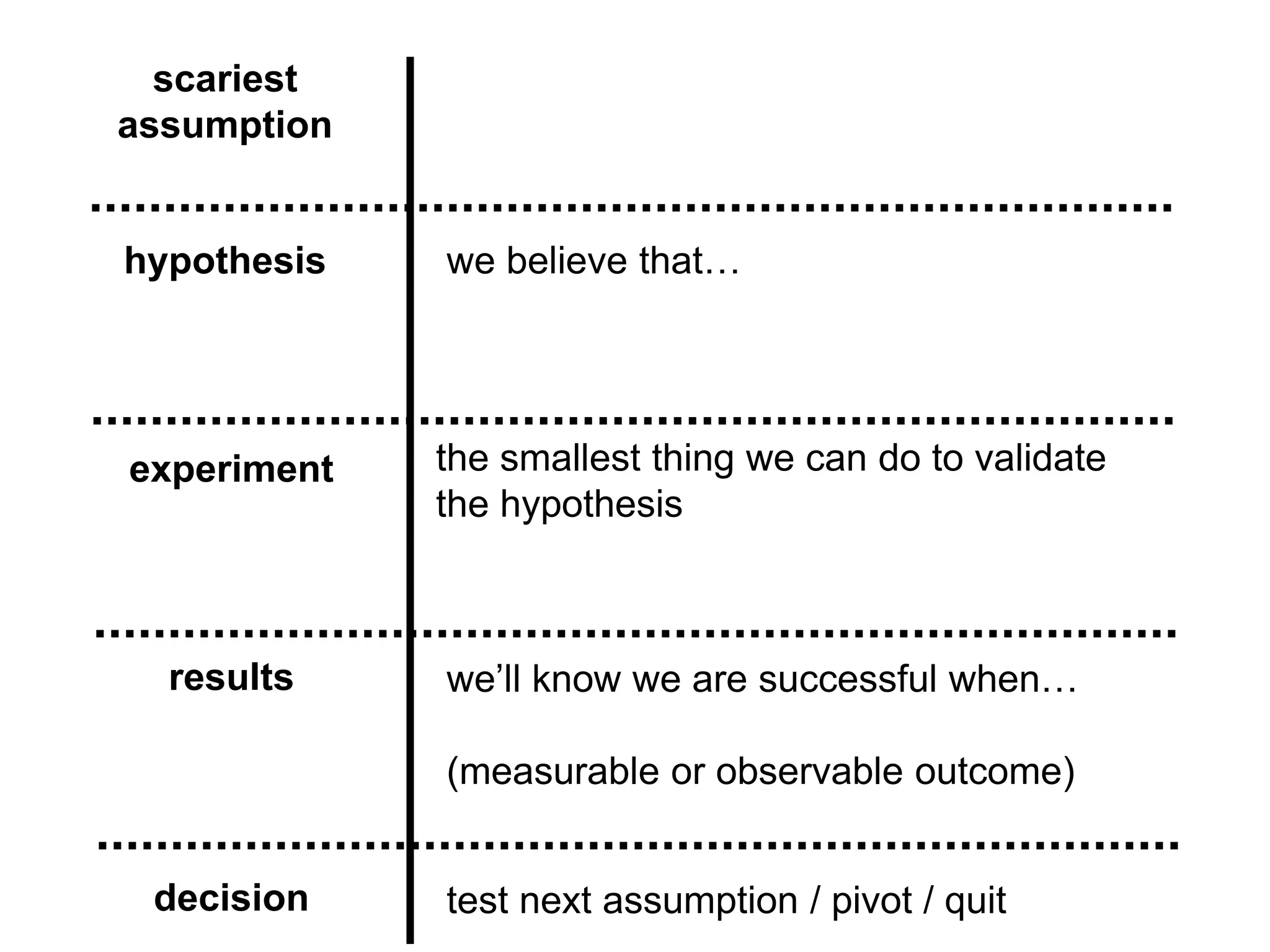
Experiment Worksheet | PPT | Free Download
www.slideshare.net
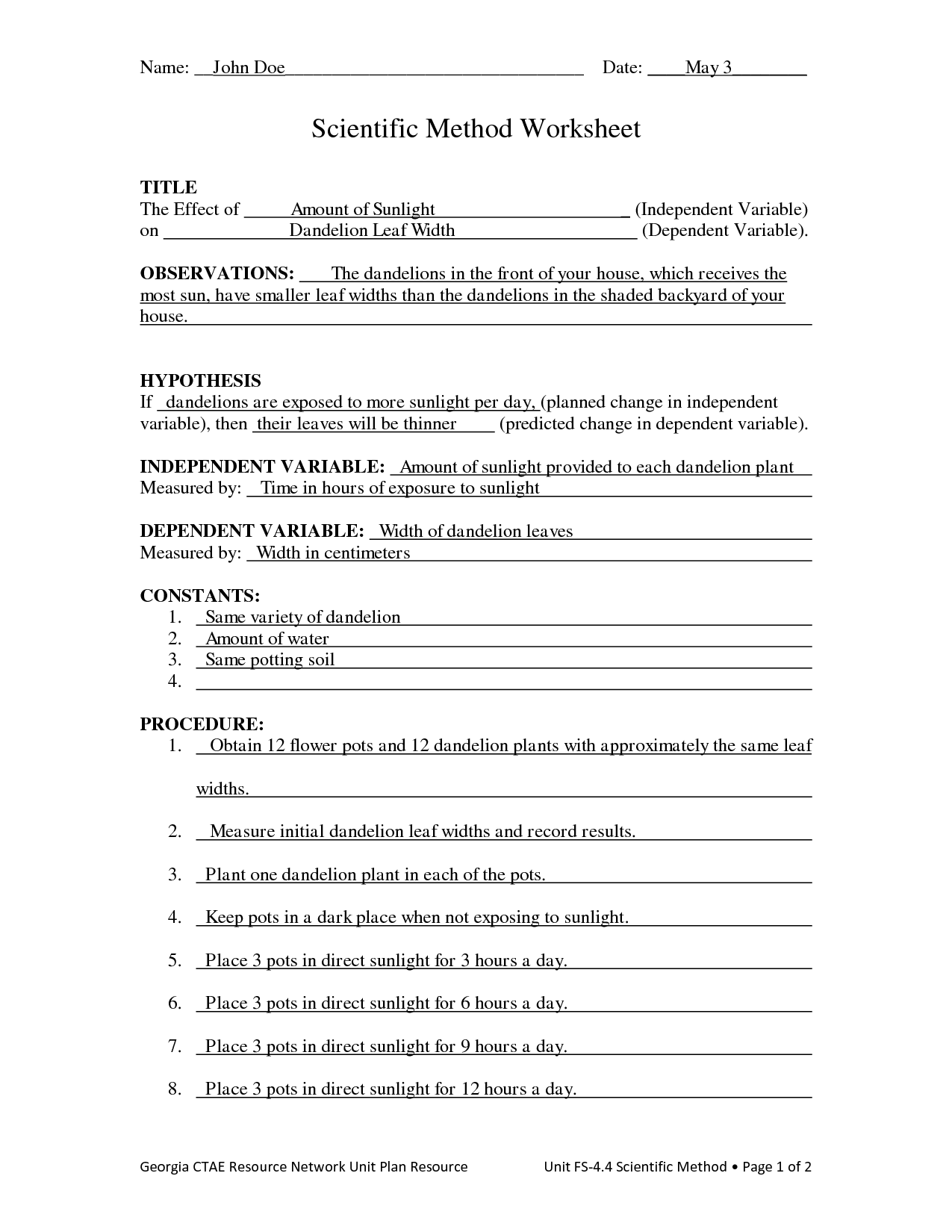
Designing An Experiment Worksheet – E-streetlight.com
www.e-streetlight.com
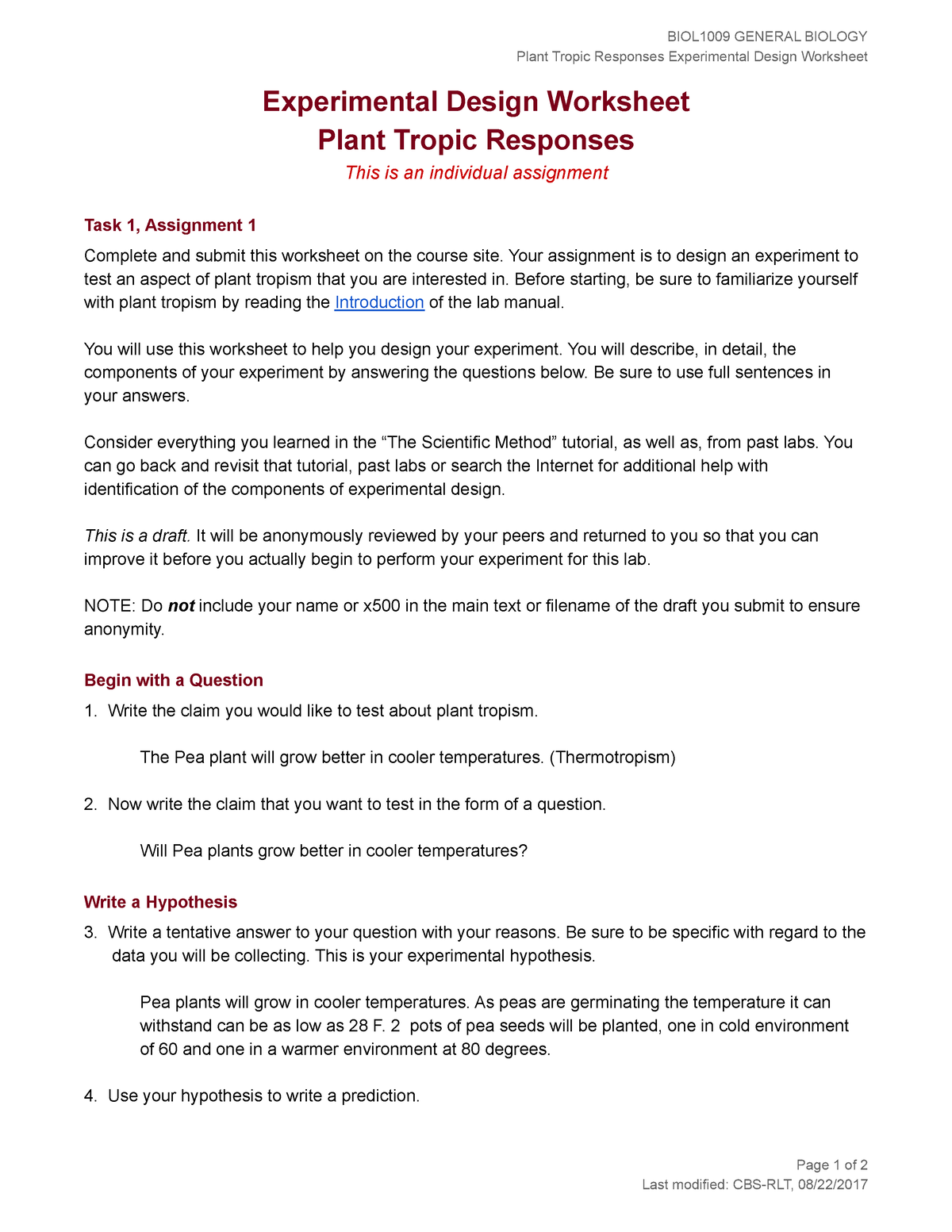
BIOL1009 Experimental Design Worksheet Plant Tropic Responses
worksheets.clipart-library.com
Designing An Experiment Worksheet – Ame.my.id

ame.my.id
Grade 1 Science Experiment Worksheet

worksheetlistgi.z13.web.core.windows.net
Foundation Experimental Design Sheet – Printer Friendly | Biology

worksheets.clipart-library.com
Skittles Apple Science Experiment For Kids – Worksheets Library

worksheets.clipart-library.com
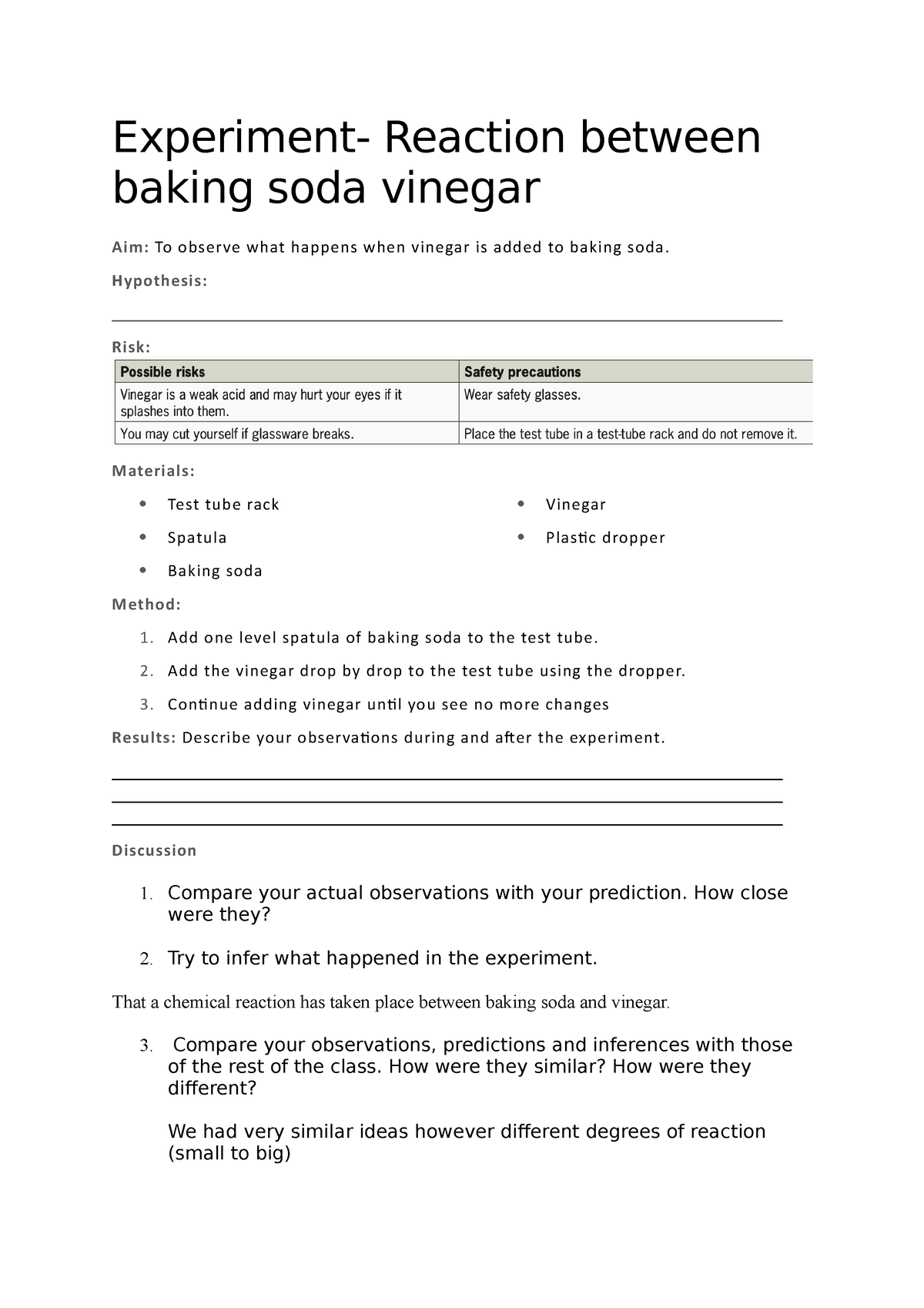
Experiment Class Worksheet Baking Soda And Vinagar – Experiment
www.studocu.com
Designing A Science Experiment Worksheet

mitche07qsistudyquizz.z13.web.core.windows.net
Biol1009 experimental design worksheet plant tropic responses …. designing a science experiment worksheet. Designing a science experiment worksheet