Navigating the world of chemistry can feel like deciphering a secret code, especially when you’re tackling chemical formulas. Understanding these formulas is absolutely crucial for comprehending chemical reactions, predicting the properties of compounds, and even understanding the composition of everyday substances. That’s why mastering chemical formulas is a foundational skill. But let’s face it, working through chemical formula worksheets can sometimes be a bit of a headache! That’s where having the answers readily available comes in handy, not just for checking your work, but also for understanding *how* to arrive at the correct answer.
This post is designed to provide a clear and concise resource for verifying your work on chemical formula worksheets. We’ll present a set of typical chemical formula worksheet problems, along with their solutions, formatted for easy readability and understanding. Remember, the goal isn’t simply to copy down the answers; it’s to use them as a guide to learn and internalize the rules and principles behind writing correct chemical formulas. We’ll focus on how to determine the correct subscripts based on the charges of the ions involved, and how to handle polyatomic ions effectively. Practice makes perfect, so use these answers as a stepping stone towards your own chemical formula mastery!
Understanding Chemical Formulas
Before diving into the answers, let’s briefly recap the basics of chemical formulas. A chemical formula uses symbols and subscripts to represent the composition of a substance. The symbols represent the elements, and the subscripts indicate the number of atoms of each element in the smallest unit of the substance. For ionic compounds, the chemical formula represents the simplest ratio of ions that results in a neutral compound. For covalent compounds (molecules), it represents the actual number of atoms of each element in a molecule.
Key Concepts to Remember:
- **Ions:** Atoms that have gained or lost electrons and therefore have a charge.
- **Cations:** Positively charged ions (usually metals).
- **Anions:** Negatively charged ions (usually nonmetals).
- **Polyatomic Ions:** Ions composed of two or more atoms bonded together. Examples include sulfate (SO42-) and nitrate (NO3–).
- **Charge Balance:** In ionic compounds, the total positive charge must equal the total negative charge to form a neutral compound.
Chemical Formula Worksheet Answer Key
Below you’ll find a list of common chemical formula worksheet questions and their corresponding answers. Remember to use this resource to understand the logic behind the answers, and not just to passively copy them. The explanations will help you grasp the concepts and apply them to similar problems in the future. This list focuses on binary ionic compounds and compounds containing common polyatomic ions.
- Sodium Chloride
- Magnesium Oxide
- Aluminum Oxide
- Potassium Sulfide
- Calcium Chloride
- Iron(III) Oxide
- Copper(II) Sulfate
- Ammonium Nitrate
- Aluminum Hydroxide
- Iron(II) Phosphate
Chemical Formula Worksheet Answers
- 1. Sodium Chloride: NaCl
- 2. Magnesium Oxide: MgO
- 3. Aluminum Oxide: Al2O3
- 4. Potassium Sulfide: K2S
- 5. Calcium Chloride: CaCl2
- 6. Iron(III) Oxide: Fe2O3
- 7. Copper(II) Sulfate: CuSO4
- 8. Ammonium Nitrate: NH4NO3
- 9. Aluminum Hydroxide: Al(OH)3
- 10. Iron(II) Phosphate: Fe3(PO4)2
If you are looking for Computer system predicts products of chemical reactions | MIT News you’ve came to the right place. We have 20 Pictures about Computer system predicts products of chemical reactions | MIT News like Expert Advice for Managing Chemical Hazard | Train and Develop, What Is a Chemical? (and What Isn't One) and also AI Approach Optimizes Synthesis of Important Chemical Compounds. Read more:
Computer System Predicts Products Of Chemical Reactions | MIT News
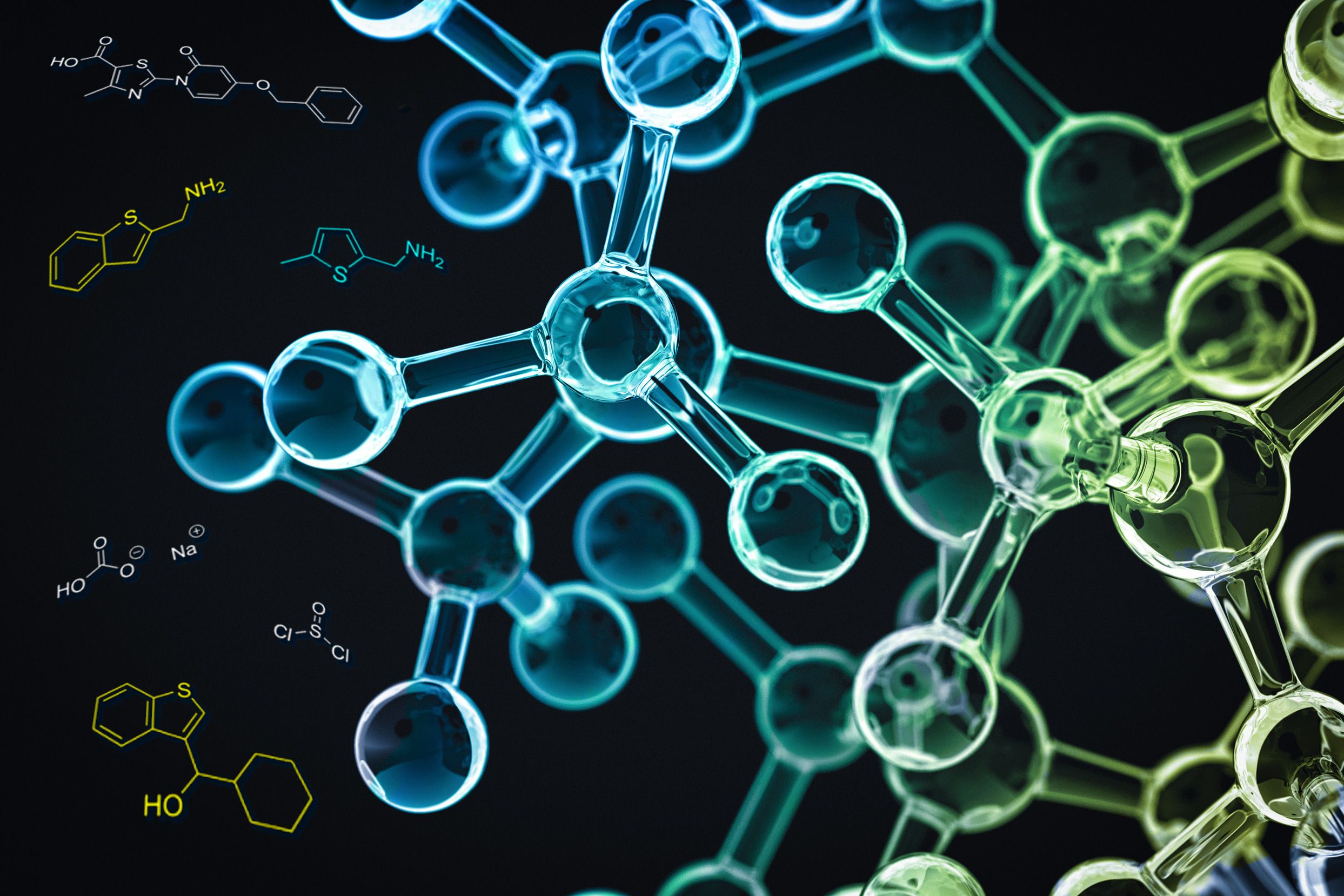
news.mit.edu
What Exactly Is A Chemical?

www.reagent.co.uk
Chemical Safety In Laboratories: Best Practices For Handling And
www.nationallaboratorysales.com
Chemical Safety: Working With Chemicals At Work – ACT Associates
www.actassociates.co.uk
AI Approach Optimizes Synthesis Of Important Chemical Compounds

www.technologynetworks.com
Aligned Chemical Danger Pictograms – Oxidizing — Stock Photo
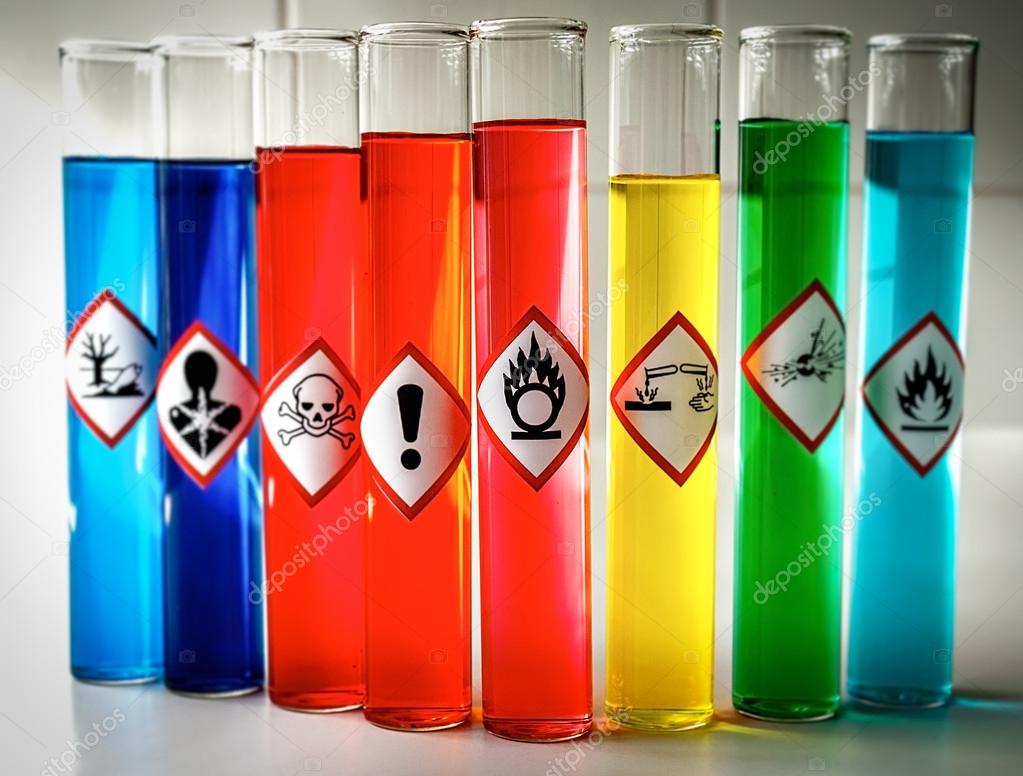
depositphotos.com
Role Of Chemical Science/ Chemistry In Our Life – Avens Blog | Avens Blog
www.avensonline.org
Stoichiometry Chemistry Quiz
/molecular-model-illustration-545862141-57dec4f93df78c9cce4ab839.jpg)
www.thoughtco.com
What Is A Chemical? (and What Isn't One)
/chemistry-glassware-56a12a083df78cf772680235.jpg)
www.thoughtco.com
Expert Advice For Managing Chemical Hazard | Train And Develop
www.trainanddevelop.ca
Chemical – NailKnowledge

nailknowledge.org
Chemical – Carbon Farming Trust
carbonfarmingtrust.com
Chemicals
www.realfoodgirlunmodified.com
Exploring Physical And Chemical Changes – Let's Talk Science

letstalkscience.ca
Chemical Solution Images

ar.inspiredpencil.com
Chemistry Pictures Images

ar.inspiredpencil.com
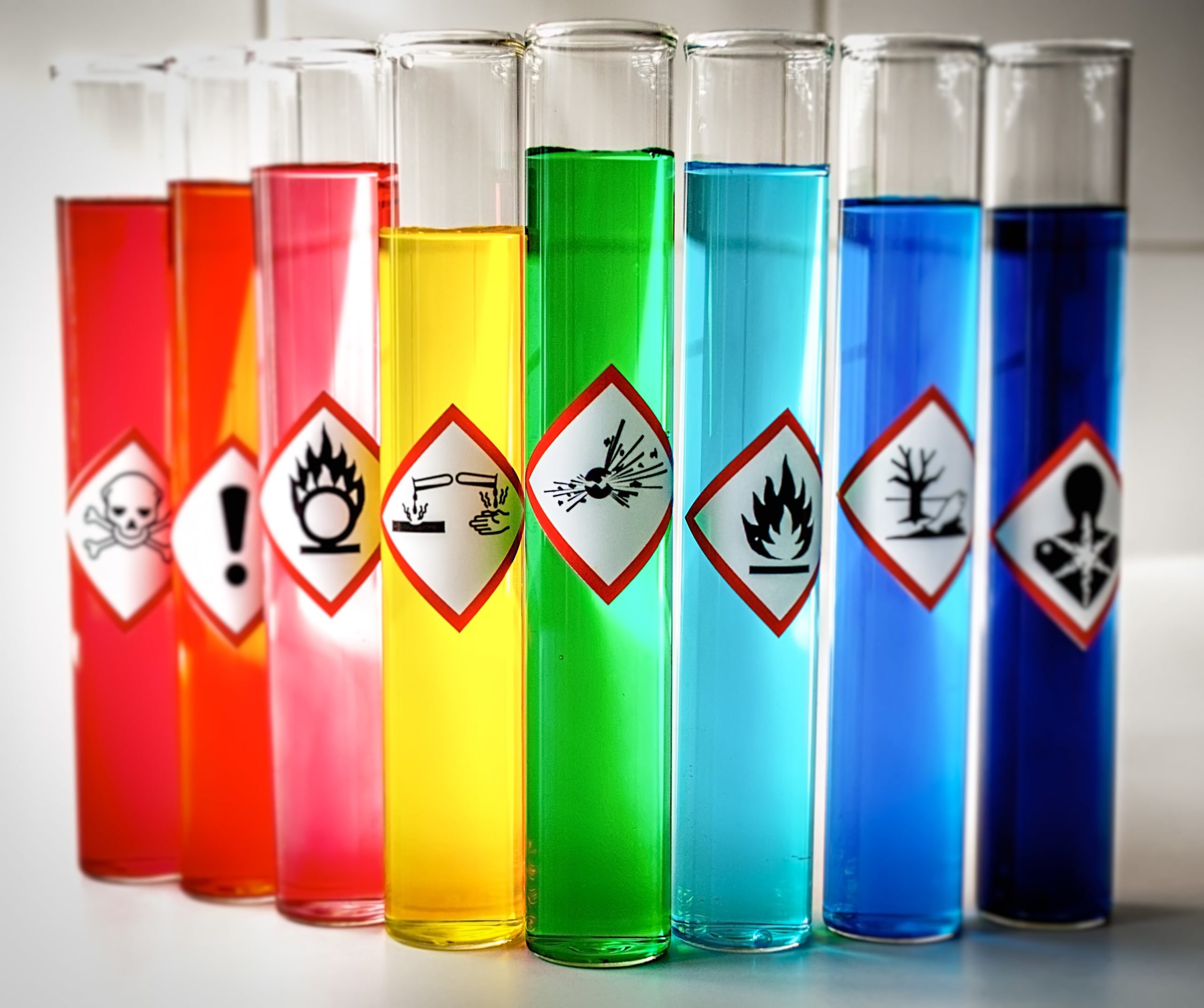
Types Of Chemical Hazards And How To Manage Them Images
www.tpsearchtool.com
Crystal White Laboratory Chemical & Reagents, V India Biosynergy | ID

www.indiamart.com
What Is A Chemical? Definition And Examples

sciencenotes.org
The Effects Of Time, Temperature, And Concentration In Chemical Reactions
medium.com
Stoichiometry chemistry quiz. Computer system predicts products of chemical reactions. Exploring physical and chemical changes