The principle of conservation of energy is a cornerstone of physics, stating that energy cannot be created or destroyed, but it can be transferred from one form to another. Understanding this principle is crucial for grasping a wide range of physical phenomena, from the simple act of a ball bouncing to the complexities of nuclear reactions. Often, students are introduced to this concept through worksheets designed to test their understanding and application of the conservation of energy. These worksheets typically involve scenarios where potential energy is converted into kinetic energy, or vice versa, or where energy is dissipated due to friction or other non-conservative forces. Tackling these problems effectively requires a solid grasp of the formulas involved and the ability to apply them to real-world situations. This often means navigating through word problems, identifying the relevant variables, and performing the correct calculations. Therefore, having access to the correct answers and explanations can be incredibly beneficial for reinforcing learning and identifying areas that need further attention. Let’s delve into some common examples and their solutions.
Conservation of Energy Worksheet Answers & Explanations
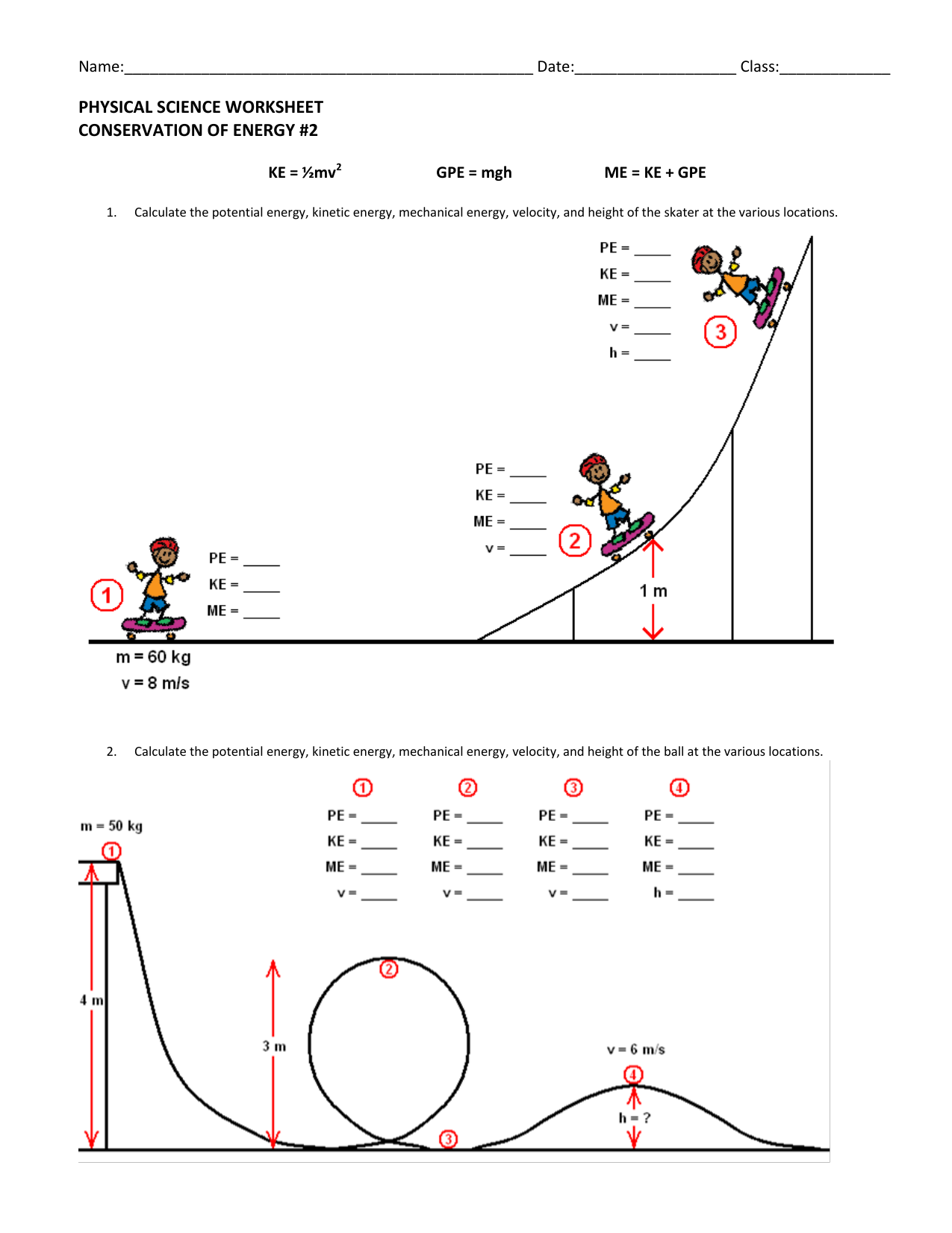
Let’s explore some common types of conservation of energy problems encountered in worksheets, along with their solutions and explanations. We’ll focus on scenarios involving potential and kinetic energy, as these are frequently featured in introductory physics coursework. Remember, the total mechanical energy of a system is the sum of its potential energy (PE) and kinetic energy (KE). In the absence of non-conservative forces like friction, this total energy remains constant.
Sample Problems and Solutions:
- Problem 1: A 2 kg ball is held 5 meters above the ground. What is its potential energy? When the ball is released, what is its kinetic energy just before it hits the ground (assuming no air resistance)?
- Answer & Explanation: Potential Energy (PE) = mgh, where m = mass, g = acceleration due to gravity (9.8 m/s²), and h = height. PE = (2 kg)(9.8 m/s²)(5 m) = 98 Joules. According to the conservation of energy, all of the potential energy will be converted into kinetic energy just before impact. Therefore, Kinetic Energy (KE) = 98 Joules.
- Problem 2: A roller coaster car with a mass of 500 kg is at the top of a 30-meter hill. What is its potential energy? If the car rolls down the hill (neglecting friction), what is its speed at the bottom of the hill?
- Answer & Explanation: PE = mgh = (500 kg)(9.8 m/s²)(30 m) = 147,000 Joules. At the bottom of the hill, all the potential energy is converted to kinetic energy. So, KE = 147,000 Joules. KE = 1/2 mv², where v is the velocity. Solving for v: 147,000 J = 1/2 (500 kg) v². v² = 588. v = √588 ≈ 24.25 m/s.
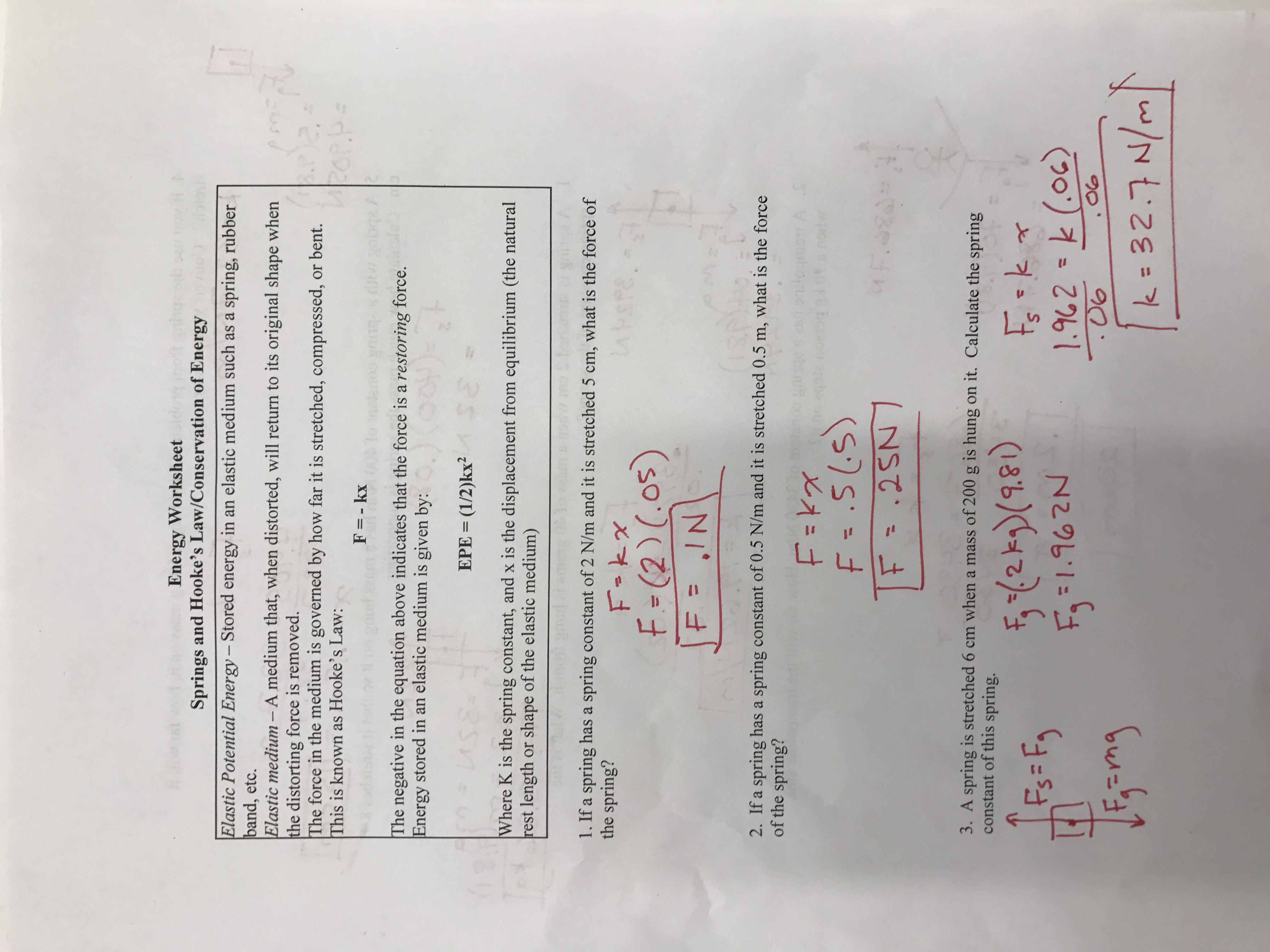
- Problem 3: A spring with a spring constant of 100 N/m is compressed by 0.2 meters. What is the elastic potential energy stored in the spring? If the spring is released and launches a 0.1 kg block, what is the block’s speed just as it leaves the spring (assuming no friction)?
- Answer & Explanation: Elastic Potential Energy (PEspring) = 1/2 kx², where k is the spring constant and x is the compression. PEspring = 1/2 (100 N/m)(0.2 m)² = 2 Joules. This elastic potential energy is converted into kinetic energy of the block. So, KE = 2 Joules. KE = 1/2 mv², where m is the mass of the block. Solving for v: 2 J = 1/2 (0.1 kg) v². v² = 40. v = √40 ≈ 6.32 m/s.
- Problem 4: A pendulum bob with a mass of 0.5 kg is released from a height of 0.1 meters above its lowest point. What is the bob’s speed as it passes through the lowest point?
- Answer & Explanation: Similar to the roller coaster example, the potential energy at the initial height is converted to kinetic energy at the lowest point. PE = mgh = (0.5 kg)(9.8 m/s²)(0.1 m) = 0.49 Joules. KE = 0.49 Joules. KE = 1/2 mv², where v is the velocity. Solving for v: 0.49 J = 1/2 (0.5 kg) v². v² = 1.96. v = √1.96 ≈ 1.4 m/s.
These examples demonstrate the basic principles involved in solving conservation of energy problems. It’s crucial to identify the different forms of energy present (potential, kinetic, elastic), determine the initial and final states of the system, and apply the conservation of energy equation. Remember to pay close attention to units and ensure they are consistent throughout your calculations. Furthermore, always consider whether non-conservative forces (like friction) are present, as they will cause energy to be dissipated as heat, thus requiring adjustments to the simple conservation of energy equation (e.g., introducing a work term).
Understanding the conservation of energy is a fundamental step in mastering physics. By working through these types of problems and reviewing the solutions, students can solidify their understanding and build confidence in their problem-solving abilities. Practice, practice, practice – that’s the key to success!
If you are searching about SOLUTION: 2 18 activation energy worksheet answers – Studypool you’ve visit to the right place. We have 20 Pictures about SOLUTION: 2 18 activation energy worksheet answers – Studypool like SOLUTION: 2 18 activation energy worksheet answers – Studypool, Conservation Of Energy Worksheet – Pro Worksheet and also SOLUTION: 2 18 activation energy worksheet answers – Studypool. Read more:
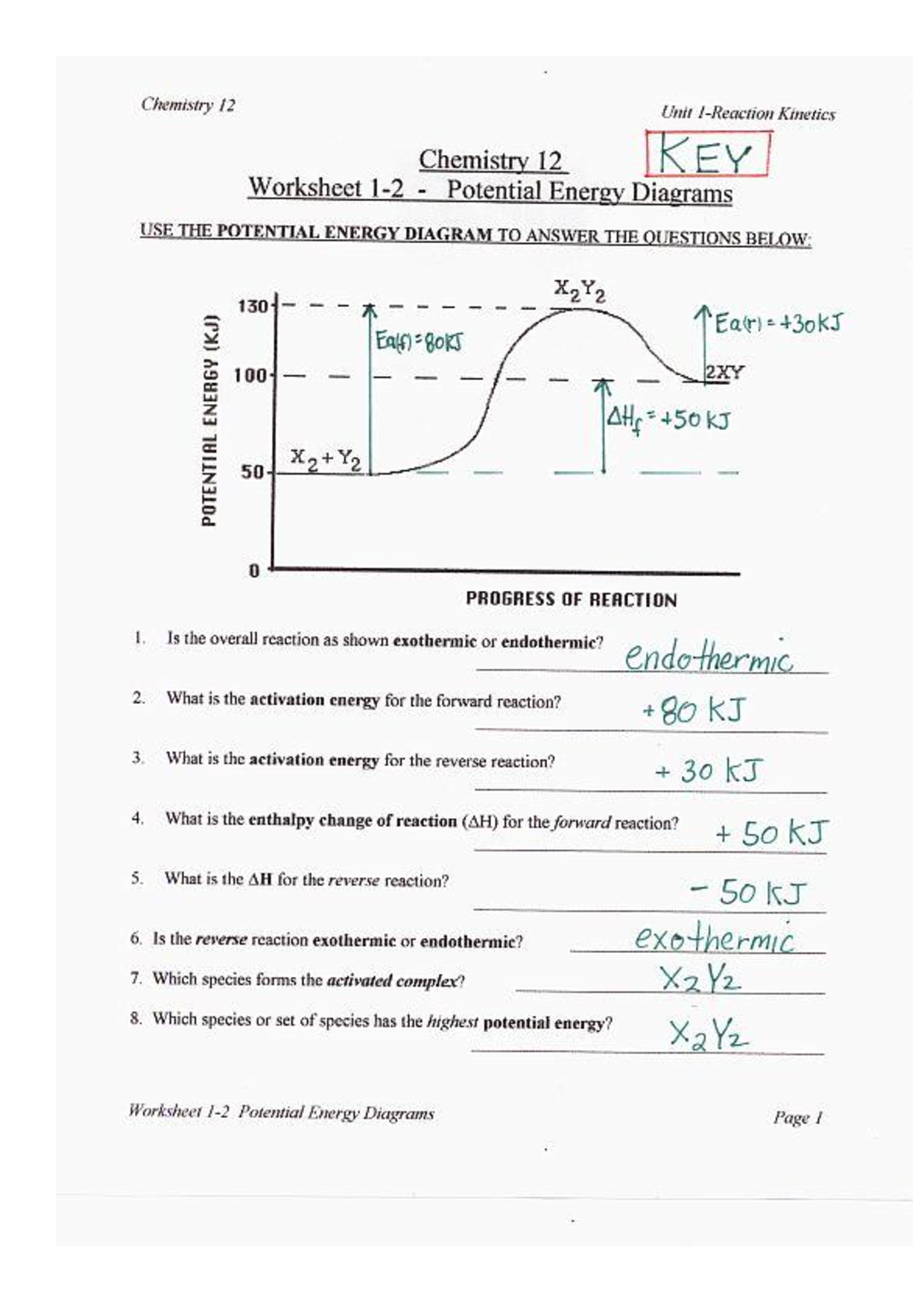
SOLUTION: 2 18 Activation Energy Worksheet Answers – Studypool
worksheets.clipart-library.com
Conservation Of Energy Worksheet: Engaging Exercises For Understanding

worksheets.clipart-library.com
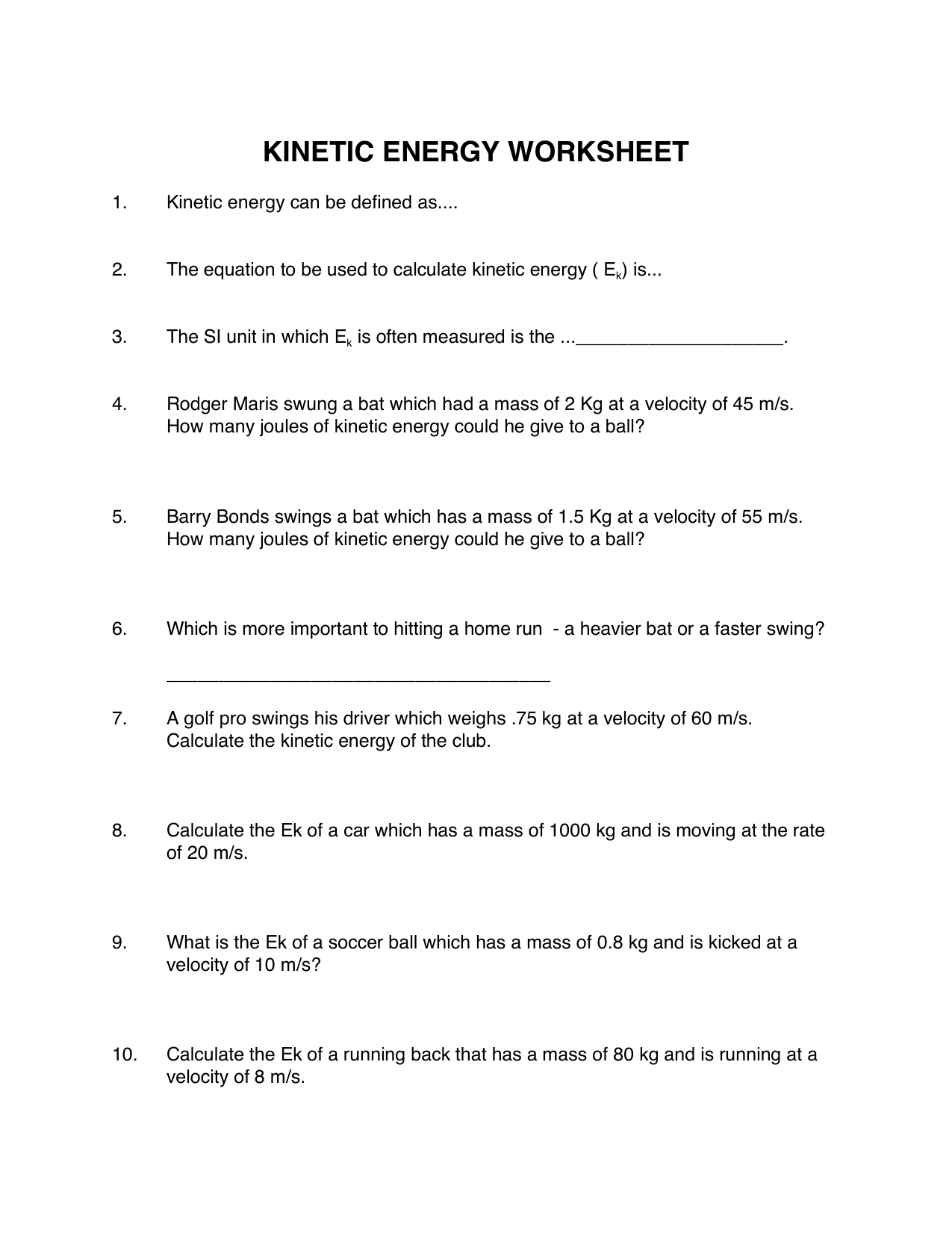
Conservation Of Energy Worksheet – Pro Worksheet
www.proworksheet.my.id
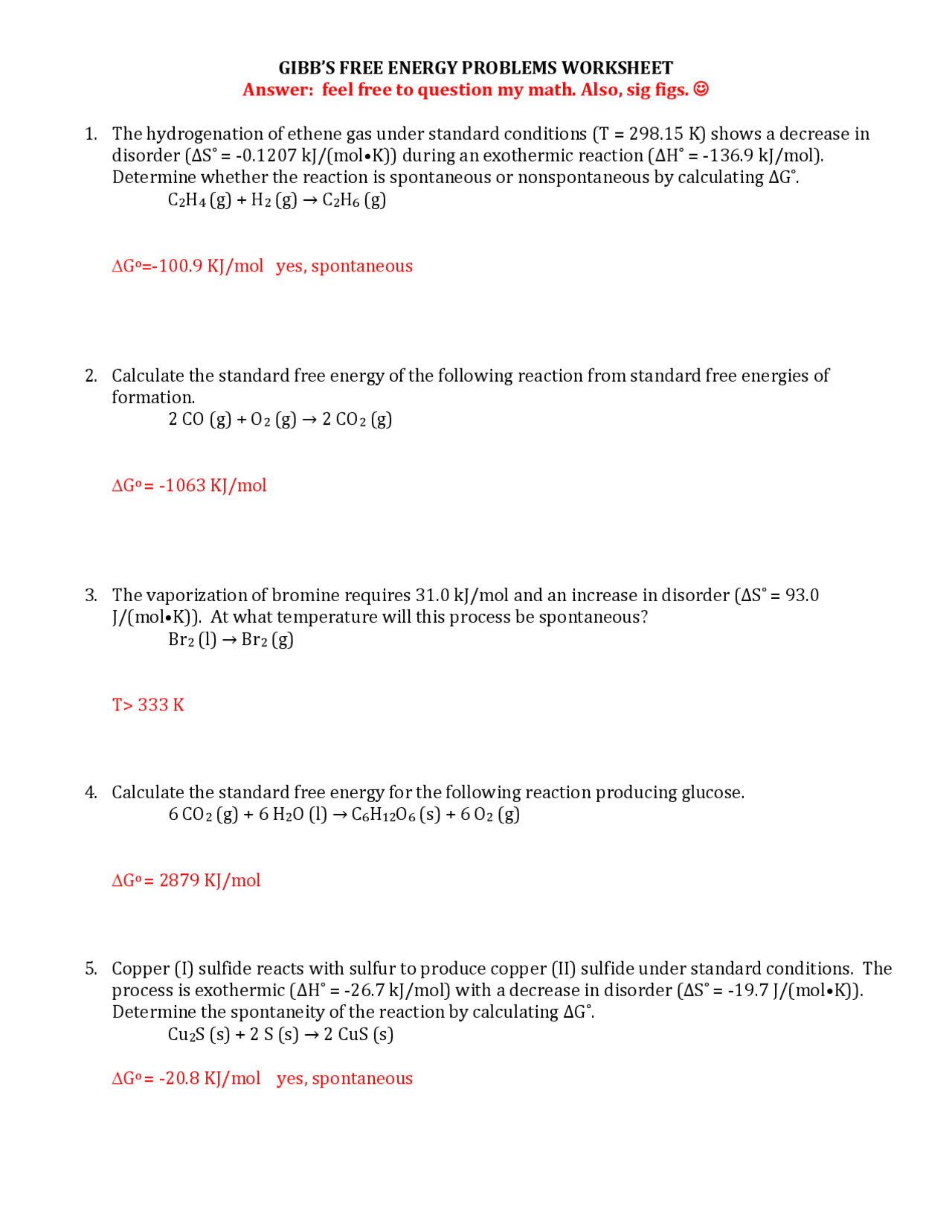
FreeEnergyProblems – AnswerKey.pdf – GIBBS FREE ENERGY PROBLEMS
worksheets.clipart-library.com
Conservation Of Momentum Worksheet Answers – Prntbl

prntbl.concejomunicipaldechinu.gov.co
Conservation Of Energy Worksheet – E-streetlight.com

www.e-streetlight.com
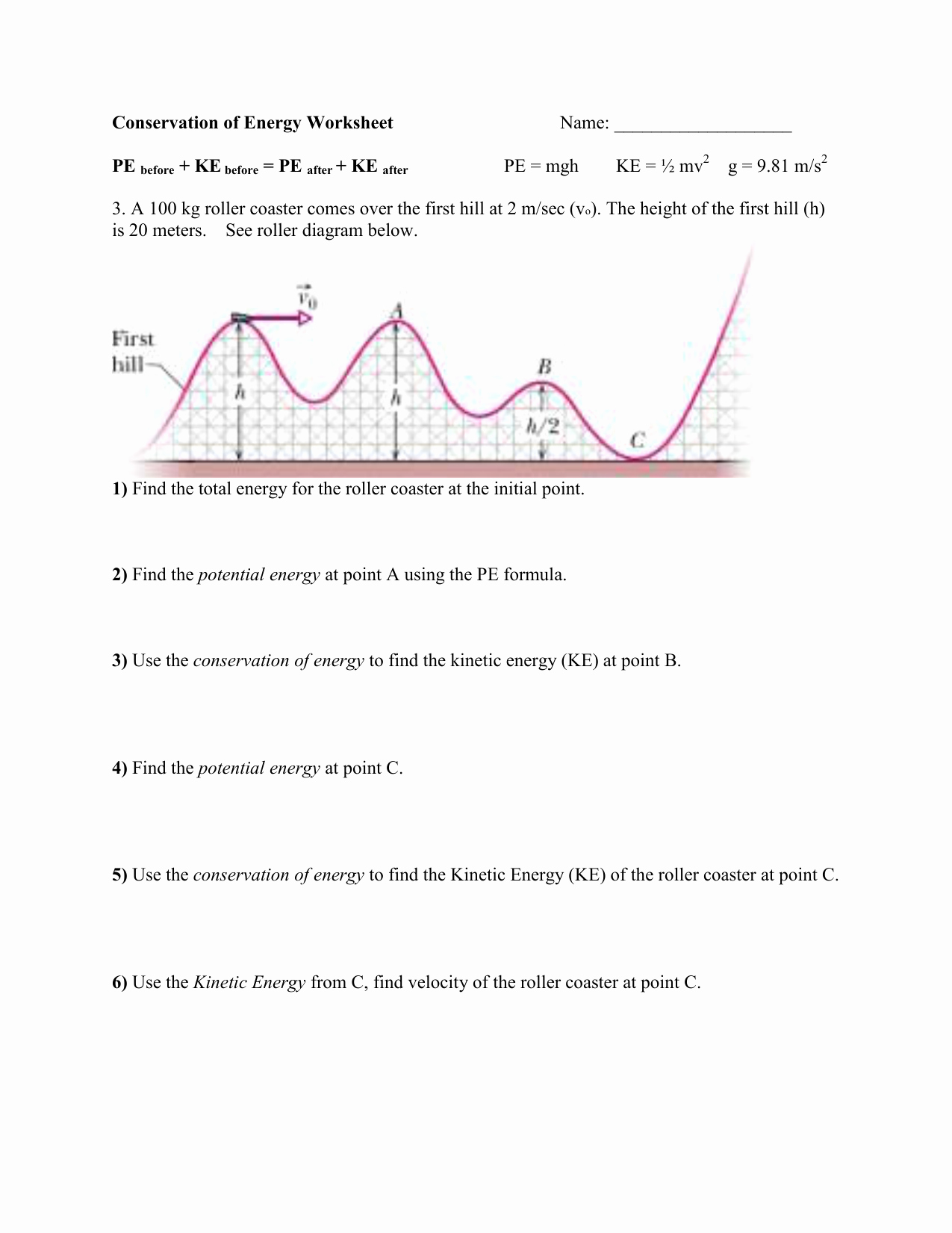
Conservation Of Energy Worksheet Lovely Conservation Energy Worksheet
chessmuseum.org
SOLUTION: Branches Of Earth Science Worksheet – Studypool – Worksheets
worksheets.clipart-library.com
Conservation Of Energy Worksheet – E-streetlight.com
www.e-streetlight.com
CONSERVATION OF ENERGY WORKSHEET | Worksheet Zone

worksheetzone.org
Work Power And Energy Worksheet: Complete With Ease | AirSlate SignNow

worksheets.clipart-library.com
Energy And Conservation Of Energy Worksheet – Printable Word Searches

davida.davivienda.com
Conservation Of Energy Worksheet – Pro Worksheet
www.proworksheet.my.id
Physical Science Worksheet Conservation Of Energy #1 At Qualityworksheets

www.pinterest.com
Physical Science Worksheet Conservation Of Energy #2 – Printable Word

davida.davivienda.com
Conservation Of Energy Worksheet Answers Chemistry 12 Worksheet 1 2

www.pinterest.com
Energy Conservation Worksheet – Energy Conservation Worksheet

worksheets.clipart-library.com
Conservation Of Energy Worksheet – E-streetlight.com

www.e-streetlight.com
Conservation Of Momentum Worksheet With Answers – Printable And

newark2.remotepc.com
SOLUTION: Heating Curve Kinetic And Potential Energy Worksheet

worksheets.clipart-library.com
Energy and conservation of energy worksheet. Conservation of momentum worksheet with answers. Work power and energy worksheet: complete with ease