Understanding ecological pyramids is crucial for grasping the intricate relationships within ecosystems. These pyramids, representing energy flow, biomass, or numbers of organisms at each trophic level, provide a visual representation of how energy and matter move through a community. Often, students grapple with the concepts presented in ecological pyramids, leading them to seek resources that can solidify their understanding. This is where a well-structured worksheet paired with a comprehensive answer key becomes invaluable. This post provides not just the answers to a typical Ecological Pyramids Worksheet, but also a deeper explanation of the underlying principles. It’s designed to help students not only check their work but also understand *why* the answers are correct.
Ecological Pyramids Worksheet Answer Key
Below is the answer key to a common Ecological Pyramids Worksheet. Remember, ecological pyramids illustrate the relative amounts of energy, biomass, or numbers of organisms at each trophic level in an ecosystem. They generally depict producers at the base, followed by primary consumers, secondary consumers, and finally, tertiary (or apex) consumers at the top.
Please note that specific worksheets may vary, but the core principles remain the same. This answer key provides solutions to questions often encountered in introductory ecology courses or high school biology.
Common Questions and Answers:
- Question: What is an ecological pyramid?
- Answer: An ecological pyramid is a graphical representation that shows the relative amounts of energy or matter contained within each trophic level in a food chain or food web.
- Question: What are the three types of ecological pyramids?
- Answer: The three types of ecological pyramids are:
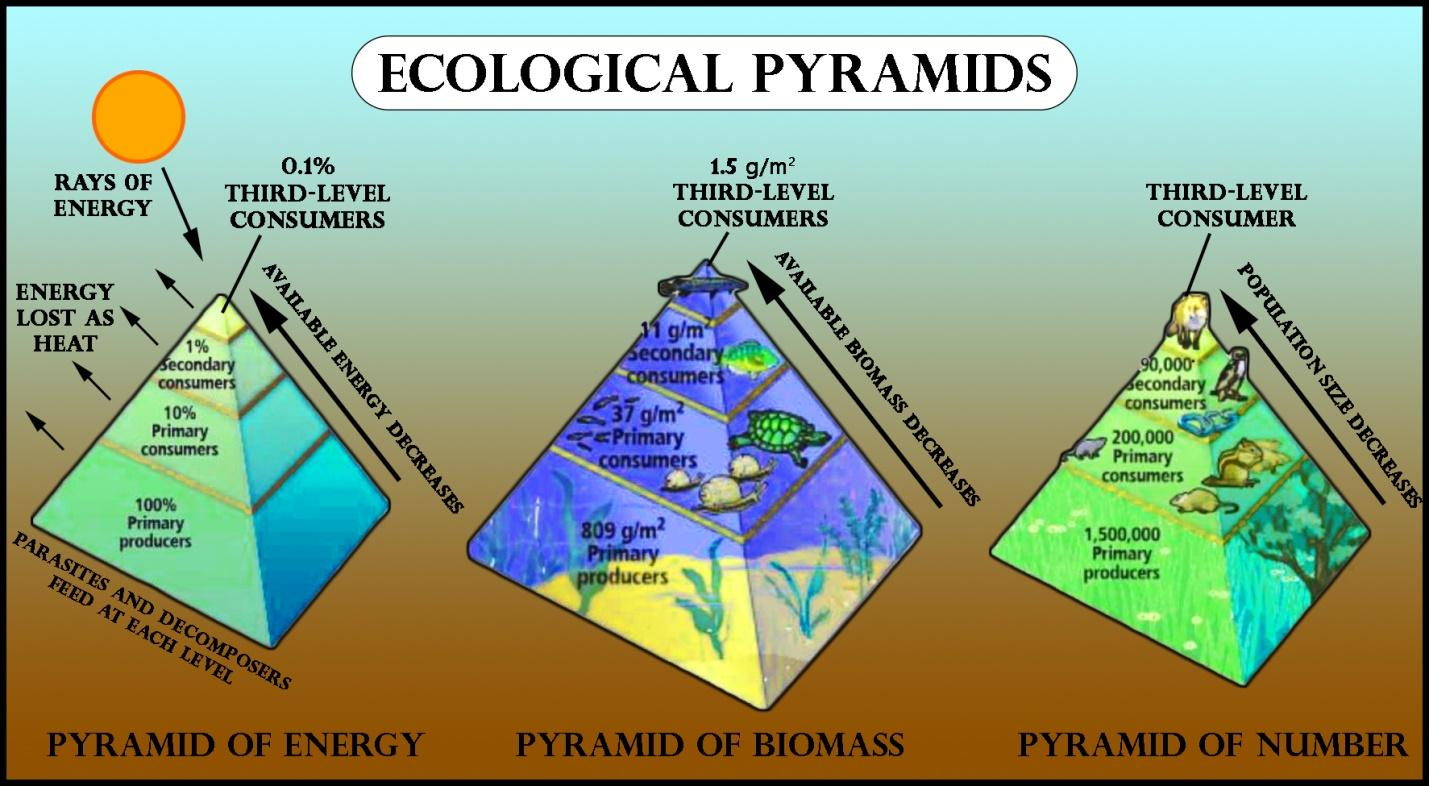
- Pyramid of Energy: Illustrates the energy flow between trophic levels.
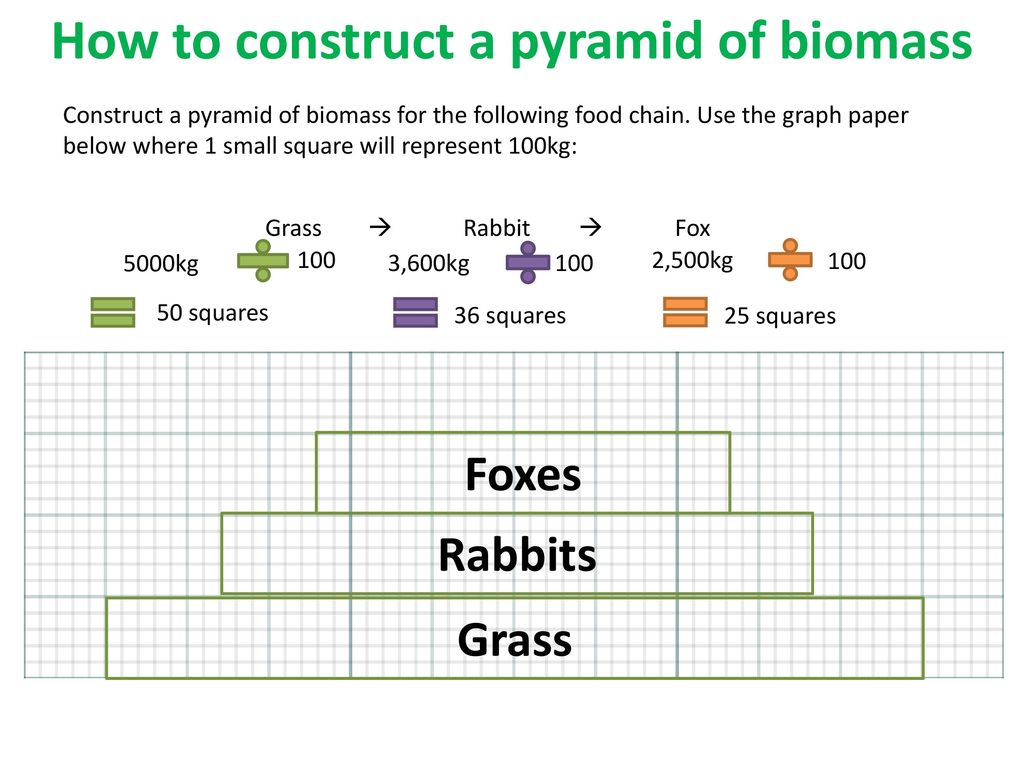
- Pyramid of Biomass: Shows the total mass of organisms at each trophic level.
- Pyramid of Numbers: Represents the number of individual organisms at each trophic level.
- Question: Why is the pyramid of energy always upright?
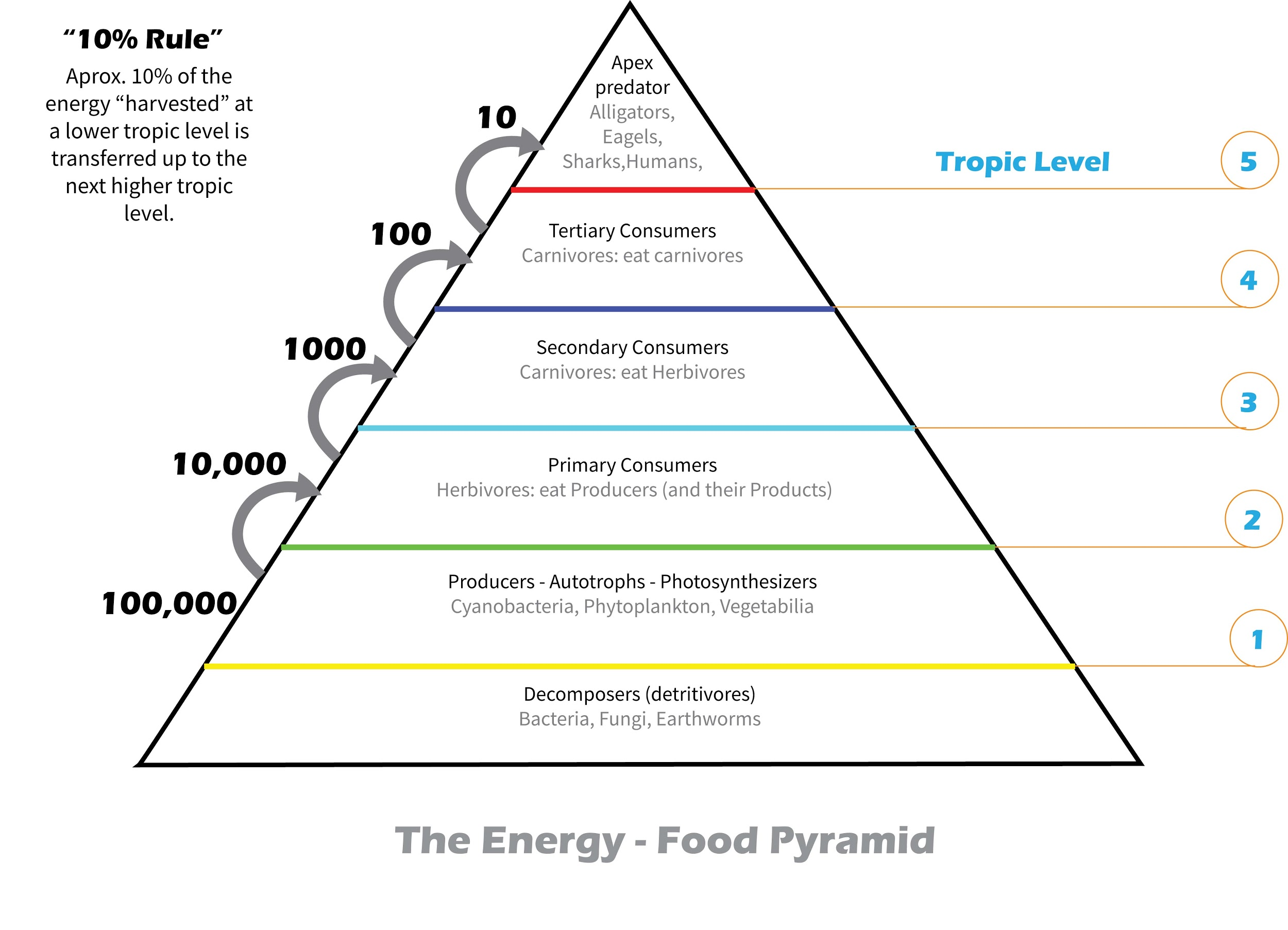
- Answer: The pyramid of energy is always upright because energy is lost as heat during each transfer from one trophic level to the next. The 10% rule dictates that only about 10% of the energy available at one trophic level is transferred to the next. The remaining 90% is used for metabolic processes or lost as heat. This means there must always be more energy at the producer level than at the primary consumer level, and so on.
- Question: Explain the 10% rule of energy transfer.
- Answer: The 10% rule states that approximately 10% of the energy stored in biomass at one trophic level is converted to biomass in the next trophic level. The remaining 90% is lost as heat during metabolic processes (respiration), excretion, or remains in unused dead material. This inefficiency in energy transfer limits the length of most food chains and food webs.
- Question: Give an example of a food chain and construct a pyramid of numbers for it.
- Answer: An example of a food chain is: Grass → Grasshopper → Frog → Snake → Hawk. A pyramid of numbers for this food chain would typically have a broad base representing the large number of grass plants, followed by fewer grasshoppers, fewer frogs, even fewer snakes, and finally, the fewest number of hawks. However, the pyramid’s shape can vary depending on the specific ecosystem and organism sizes. For example, a single large tree (producer) supporting many insects (herbivores) could result in an inverted pyramid of numbers.
- Question: What is biomass, and how does the pyramid of biomass differ from the pyramid of numbers?
- Answer: Biomass is the total mass of living organisms in a given area or volume. The pyramid of biomass depicts the total mass of organisms at each trophic level. Unlike the pyramid of numbers, which simply counts the number of individuals, the pyramid of biomass reflects the actual weight or organic matter present. The pyramid of biomass can be inverted in some aquatic ecosystems, where phytoplankton (producers) have a very high turnover rate and a small biomass compared to the zooplankton (primary consumers) that consume them.
- Question: In what types of ecosystems might you find an inverted pyramid of biomass? Explain why this happens.
- Answer: Inverted pyramids of biomass are most commonly found in aquatic ecosystems, particularly those with high primary productivity. For example, in some ocean ecosystems, phytoplankton have a very high reproductive rate but a small individual size and short lifespan. As a result, the biomass of phytoplankton is often lower than the biomass of the zooplankton that feed on them. The zooplankton have a longer lifespan and accumulate more biomass, leading to an inverted pyramid shape. The phytoplankton’s rapid turnover compensates for their lower biomass, allowing them to support a larger biomass of consumers.
This answer key provides a starting point for understanding ecological pyramids. Remember to consider the specific context of the worksheet and focus on understanding the underlying ecological principles rather than simply memorizing answers. By understanding how energy flows through ecosystems and how ecological pyramids represent these flows, you can gain a deeper appreciation for the interconnectedness of life on Earth.
If you are searching about Ecological Relationships Worksheet Answers – Pro Worksheet you’ve visit to the right page. We have 20 Images about Ecological Relationships Worksheet Answers – Pro Worksheet like Ecological pyramids worksheet answer key fresh ecological pyramid, Ecological Pyramids Worksheet Answer Key – Owhentheyanks.com and also Ecological Pyramids Worksheet Answers – E-streetlight.com. Here it is:
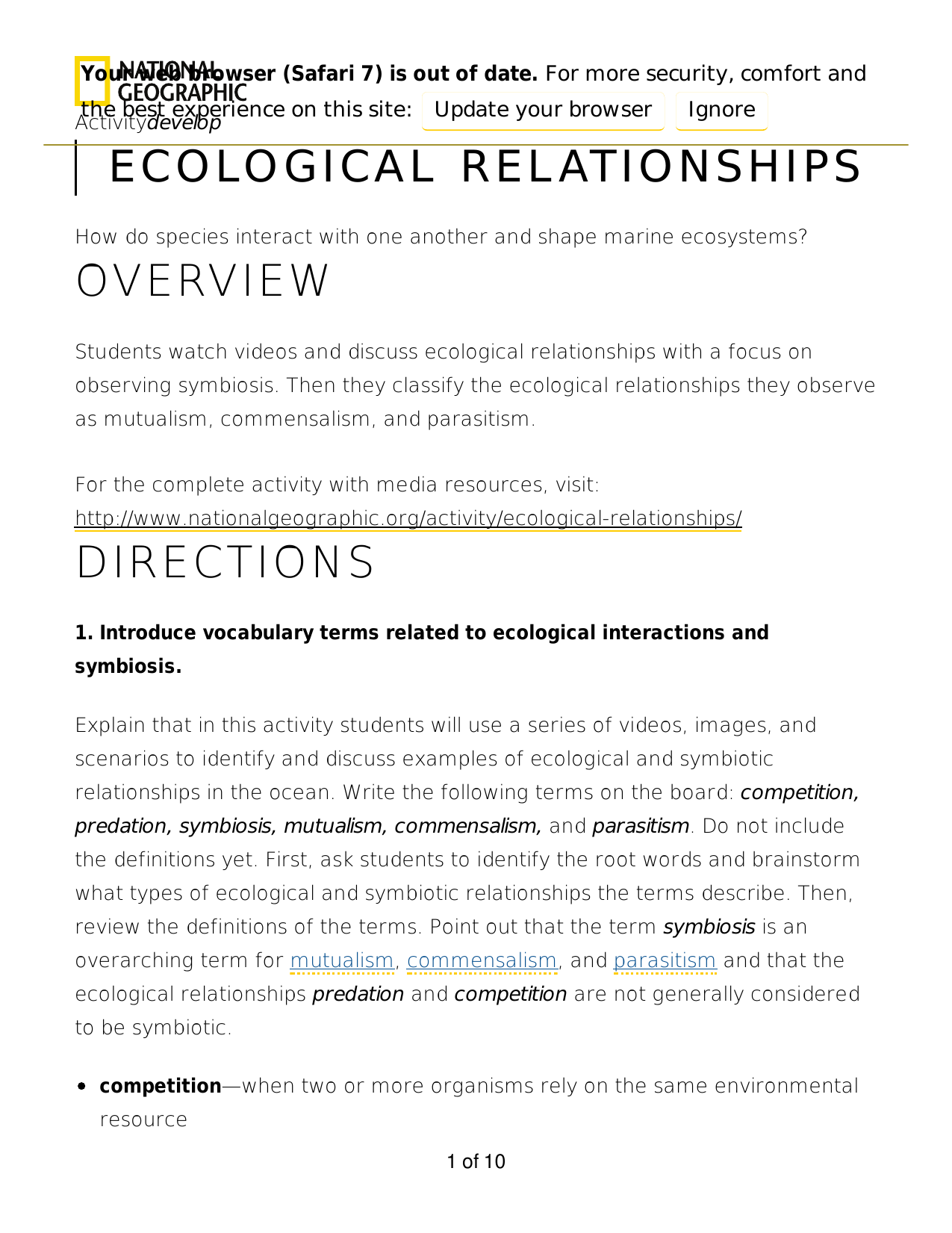
Ecological Relationships Worksheet Answers – Pro Worksheet
www.proworksheet.my.id
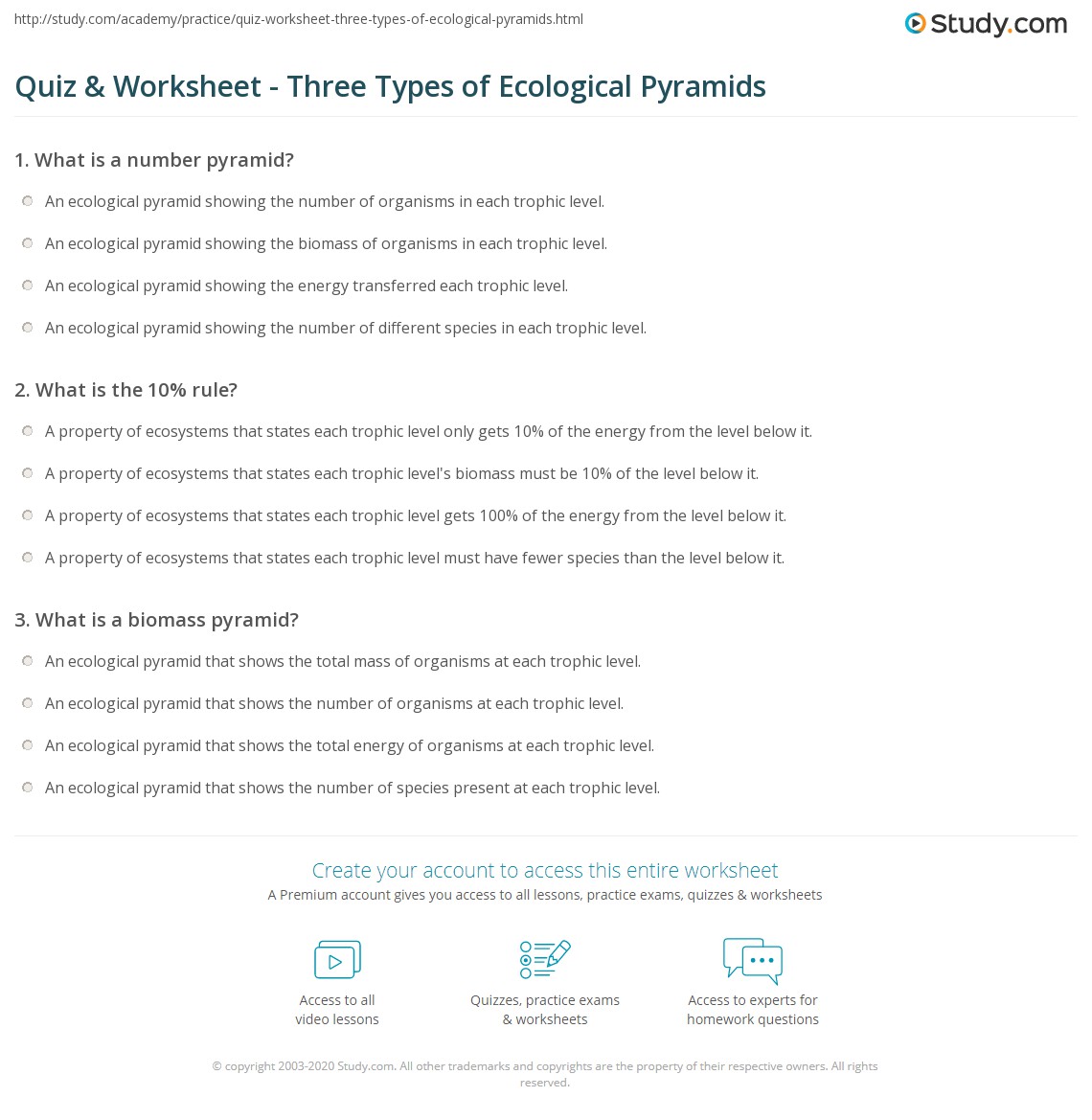
Ecological Pyramids Worksheet Answers – E-streetlight.com
www.e-streetlight.com
Copy Of Ecological Pyramids Pogil – 2022 – Ecological Pyramids How

worksheets.clipart-library.com
Ecological Pyramids Worksheet Answers – Pro Worksheet
www.proworksheet.my.id
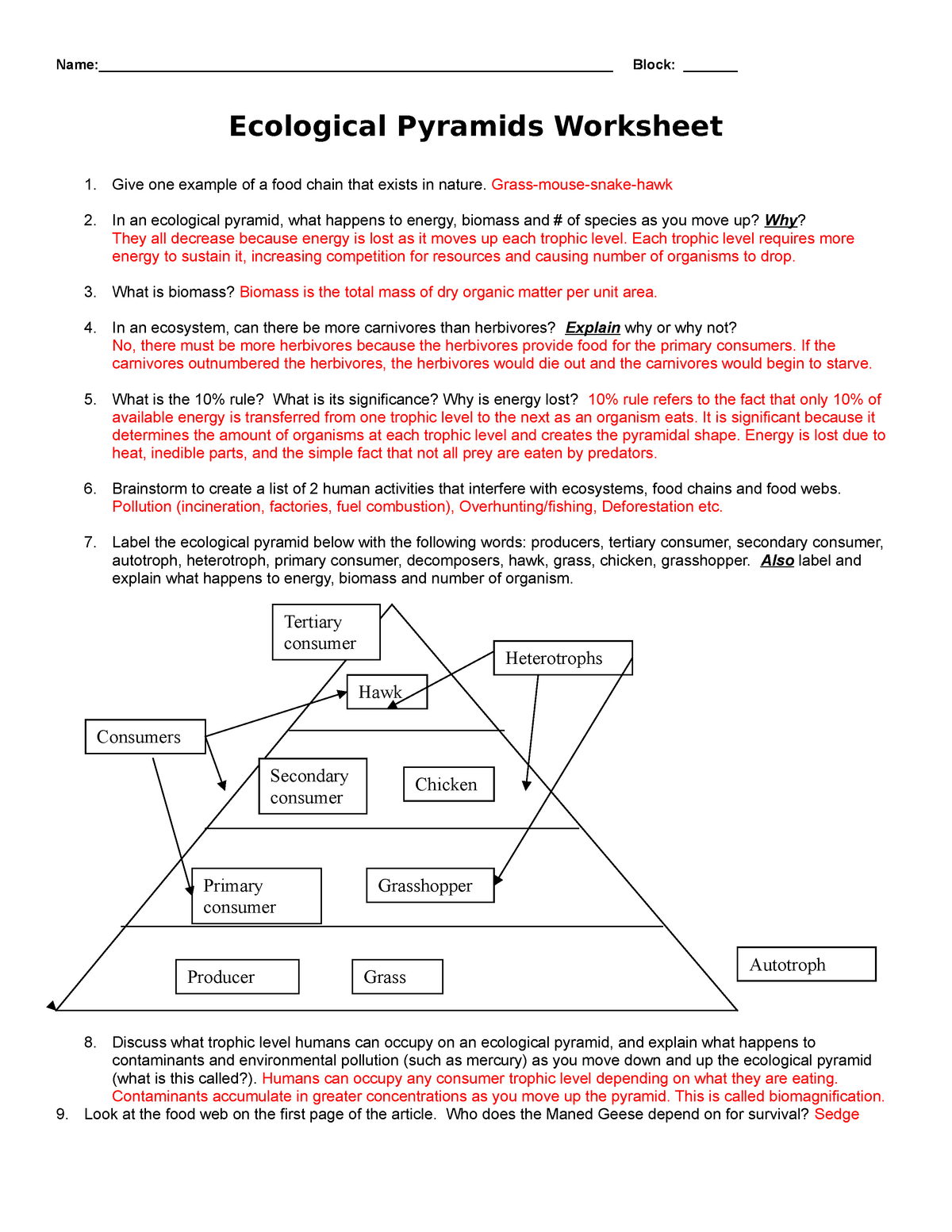
Ecological Pyramids Worksheet Answers – E-streetlight.com
www.e-streetlight.com
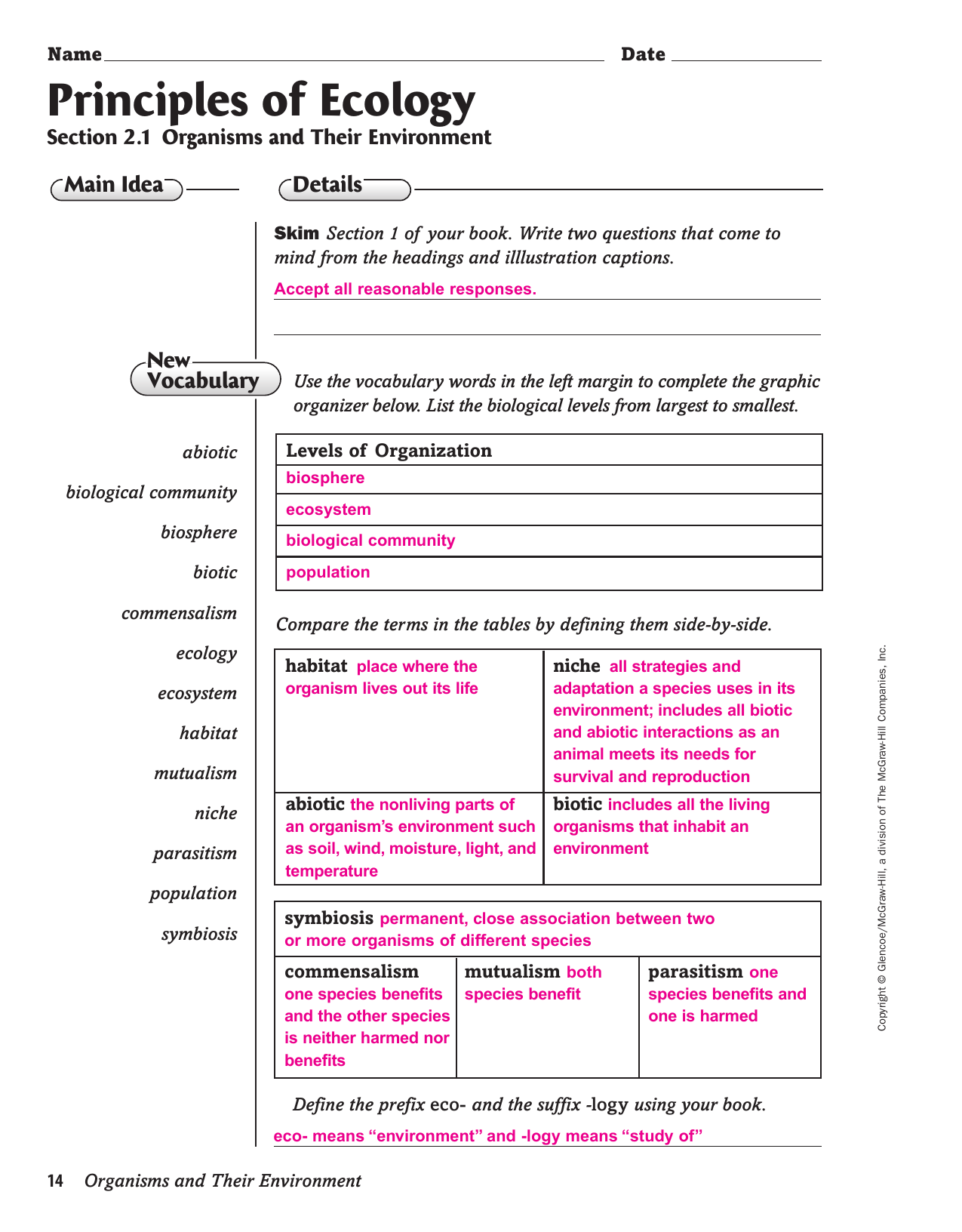
Ecological Pyramids Worksheet Answer Key – Chart Sheet Gallery
chartsheetdiagram.blogspot.com
Ecological Pyramids Worksheet Answer Key Fresh Ecological Pyramid

www.artofit.org
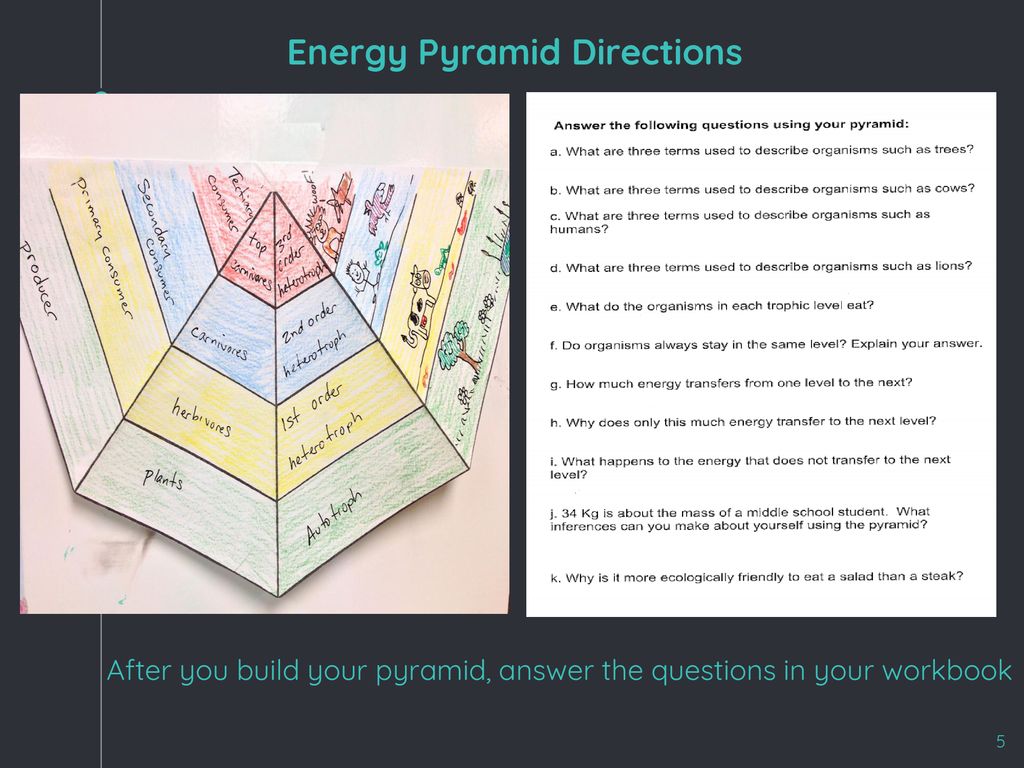
Ecological Pyramids Worksheet Answers – E-streetlight.com
www.e-streetlight.com
Ecological Pyramids Worksheet – Kid Worksheet Printable

kidprintablesheet101.blogspot.com
Ecological Pyramids Worksheet Answer Key – Artofit

www.artofit.org
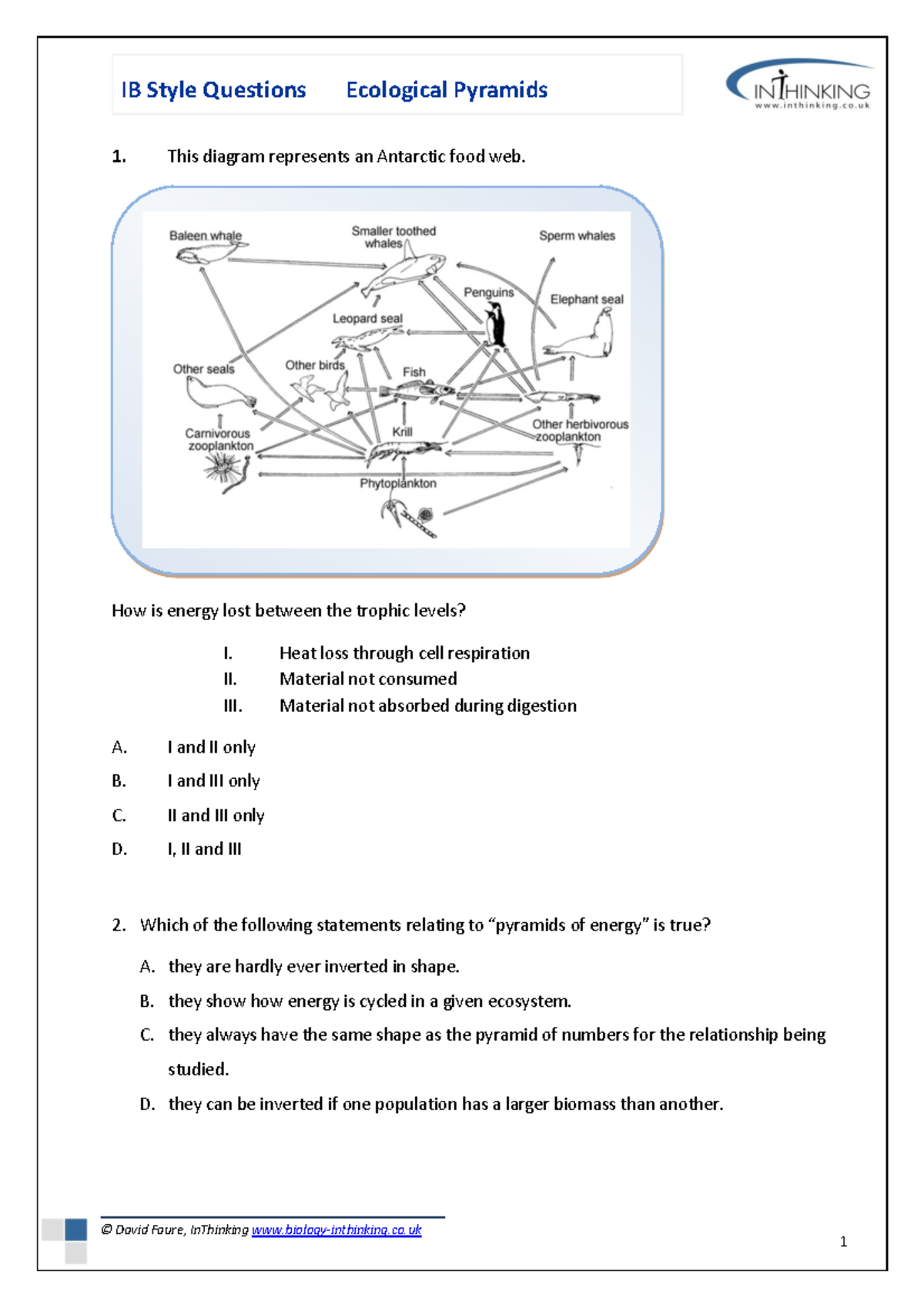
Ecological Pyramids Worksheet Answers – E-streetlight.com
www.e-streetlight.com
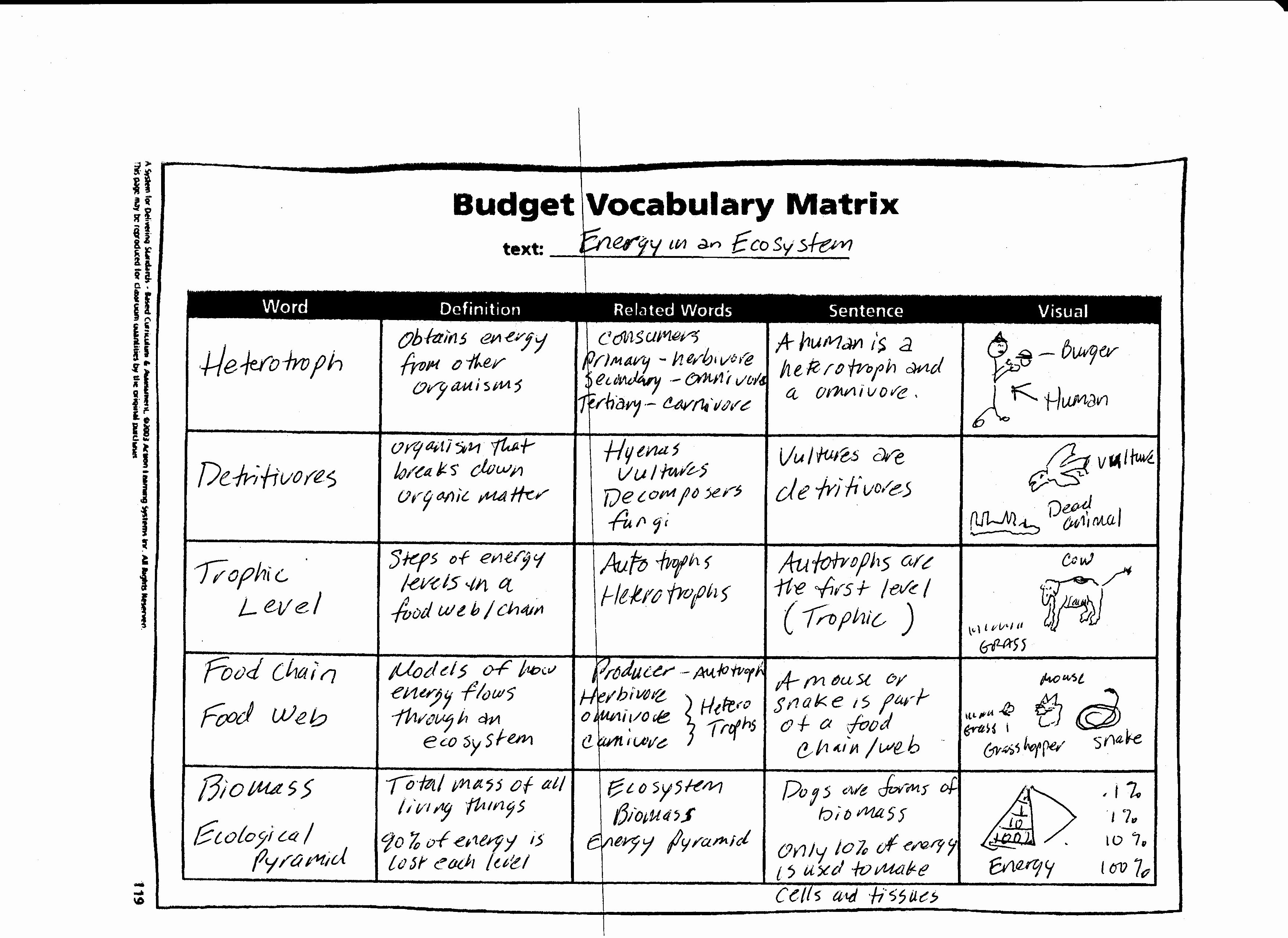
Ecological Pyramids Worksheet Answers Unique Food Chains Food Webs And
chessmuseum.org
Ecological Pyramids Worksheet Answers – Pro Worksheet
www.proworksheet.my.id
Ecological Pyramids Worksheet Answer Key – Owhentheyanks.com

www.owhentheyanks.com
Ecological Succession Worksheet Answer Key – E-streetlight.com

www.e-streetlight.com
Explore The Beauty Of Ecological Pyramids

www.pinterest.com
Ecological Pyramids Worksheet Answer Key – Owhentheyanks.com
www.owhentheyanks.com
Ecological Pyramids Pogil Worksheet Answers – Printable Calendars AT A

ataglance.randstad.com
Ecological Pyramids Worksheet Answers – Pro Worksheet
www.proworksheet.my.id
Ecological Worksheet

sahklubrad.com
Ecological succession worksheet answer key – e-streetlight.com. ecological pyramids worksheet answers – pro worksheet. ecological relationships worksheet answers – pro worksheet