Enzymes are the unsung heroes of biological processes, acting as catalysts to speed up reactions that would otherwise be too slow to sustain life. From digestion to DNA replication, enzymes are essential for virtually every biochemical process within living organisms. Understanding how they work, their properties, and the factors that influence their activity is crucial for any student studying biology, biochemistry, or related fields. Enzyme review worksheets are valuable tools for reinforcing these concepts and solidifying knowledge. Often, however, understanding the *why* behind the answers is even more important than simply memorizing them. This post aims to provide clear and comprehensive answers to a typical enzyme review worksheet, while also offering explanations to deepen your understanding.
Enzyme Review Worksheet Answers: Understanding the Basics
This section provides answers to common questions found in enzyme review worksheets, covering topics such as enzyme structure, function, and the factors affecting enzyme activity. Remember, simply knowing the answer isn’t enough; understand the reasoning behind it!
- 1. What is an enzyme?
An enzyme is a biological catalyst, typically a protein, that speeds up the rate of a specific chemical reaction without being consumed in the process.
- 2. What is the active site of an enzyme?
The active site is the region of an enzyme where the substrate binds and where catalysis occurs. It’s a three-dimensional crevice or pocket formed by specific amino acid residues.
- 3. What is a substrate?
A substrate is the molecule or molecules upon which an enzyme acts. The substrate binds to the enzyme’s active site, forming an enzyme-substrate complex.
- 4. What is an enzyme-substrate complex?
The enzyme-substrate complex is the intermediate formed when a substrate molecule binds to the active site of an enzyme. This interaction is necessary for the enzyme to catalyze the reaction.
- 5. Explain the lock-and-key model of enzyme action.
The lock-and-key model proposes that the enzyme’s active site has a rigid, specific shape that perfectly complements the shape of the substrate, like a key fitting into a lock. While a simplified model, it helps visualize the specificity of enzyme-substrate interactions.
- 6. Explain the induced-fit model of enzyme action.
The induced-fit model suggests that the enzyme’s active site is flexible and can change shape slightly to better accommodate the substrate. This conformational change optimizes the interaction between the enzyme and substrate, leading to catalysis. This model is generally considered a more accurate representation of enzyme-substrate binding than the lock-and-key model.
- 7. What are cofactors and coenzymes?
Cofactors are non-protein molecules or ions required for the proper functioning of an enzyme. They can be inorganic (e.g., metal ions like Mg2+, Zn2+) or organic (coenzymes). Coenzymes are organic cofactors, often derived from vitamins, that bind to the enzyme and participate in the catalytic reaction (e.g., NAD+, FAD).
- 8. What is enzyme denaturation?
Enzyme denaturation refers to the loss of an enzyme’s three-dimensional structure, leading to a loss of its catalytic activity. Denaturation can be caused by factors like high temperature, extreme pH, or certain chemicals.
- 9. How does temperature affect enzyme activity?
Generally, enzyme activity increases with temperature up to a certain point (the optimal temperature). Beyond the optimal temperature, the enzyme denatures, and activity decreases rapidly. Lower temperatures generally slow down enzyme activity.
- 10. How does pH affect enzyme activity?
Enzymes have an optimal pH range for activity. Deviations from this optimal pH can disrupt the enzyme’s structure and affect its ability to bind the substrate, leading to decreased activity. Extreme pH values can cause denaturation.
Enzyme Review Worksheet Answers: Inhibition and Regulation
This section focuses on the various mechanisms by which enzyme activity can be inhibited or regulated, providing answers and explanations.
- 1. What is enzyme inhibition?
Enzyme inhibition is the process by which the activity of an enzyme is reduced or completely stopped by the binding of an inhibitor molecule.
- 2. Describe competitive inhibition.
Competitive inhibition occurs when an inhibitor molecule binds to the enzyme’s active site, preventing the substrate from binding. The inhibitor “competes” with the substrate for the active site. Increasing the substrate concentration can often overcome competitive inhibition.
- 3. Describe non-competitive inhibition.
Non-competitive inhibition occurs when an inhibitor molecule binds to a site on the enzyme *other* than the active site (an allosteric site). This binding changes the shape of the enzyme, reducing its catalytic activity even if the substrate is bound to the active site. Increasing substrate concentration does *not* overcome non-competitive inhibition.
- 4. Describe uncompetitive inhibition.
Uncompetitive inhibition occurs when an inhibitor binds only to the enzyme-substrate complex, not to the free enzyme. This binding distorts the active site and prevents the reaction from proceeding. Increasing substrate concentration may actually *increase* the level of inhibition.
- 5. What is feedback inhibition?
Feedback inhibition is a regulatory mechanism where the end product of a metabolic pathway inhibits an enzyme earlier in the pathway. This prevents the overproduction of the end product and helps maintain homeostasis.
- 6. What is allosteric regulation?
Allosteric regulation involves the binding of a regulatory molecule to a site on the enzyme (an allosteric site) separate from the active site. This binding induces a conformational change in the enzyme, which can either increase (allosteric activation) or decrease (allosteric inhibition) its activity.
Tips for Studying Enzymes:
- Visualize the Processes: Use diagrams and animations to understand enzyme-substrate interactions and the mechanisms of inhibition.
- Relate to Real-World Examples: Connect enzyme function to biological processes like digestion, respiration, and photosynthesis.
- Practice Problems: Work through various problems involving enzyme kinetics and inhibition to test your understanding.
- Understand, Don’t Just Memorize: Focus on understanding the underlying principles rather than simply memorizing facts.
By understanding the fundamental concepts and mechanisms related to enzyme activity, you’ll be well-prepared to tackle any enzyme review worksheet and gain a deeper appreciation for the crucial role these biological catalysts play in life.
If you are searching about Biology Enzymes Worksheet Answers – Printable Word Searches you’ve visit to the right page. We have 20 Pictures about Biology Enzymes Worksheet Answers – Printable Word Searches like Enzyme Worksheet, Energetics and Enzyme Worksheet Answers – Docsity and also Enzymes Worksheet Answer Key – Pro Worksheet. Read more:
Biology Enzymes Worksheet Answers – Printable Word Searches

davida.davivienda.com
Enzymes Worksheets
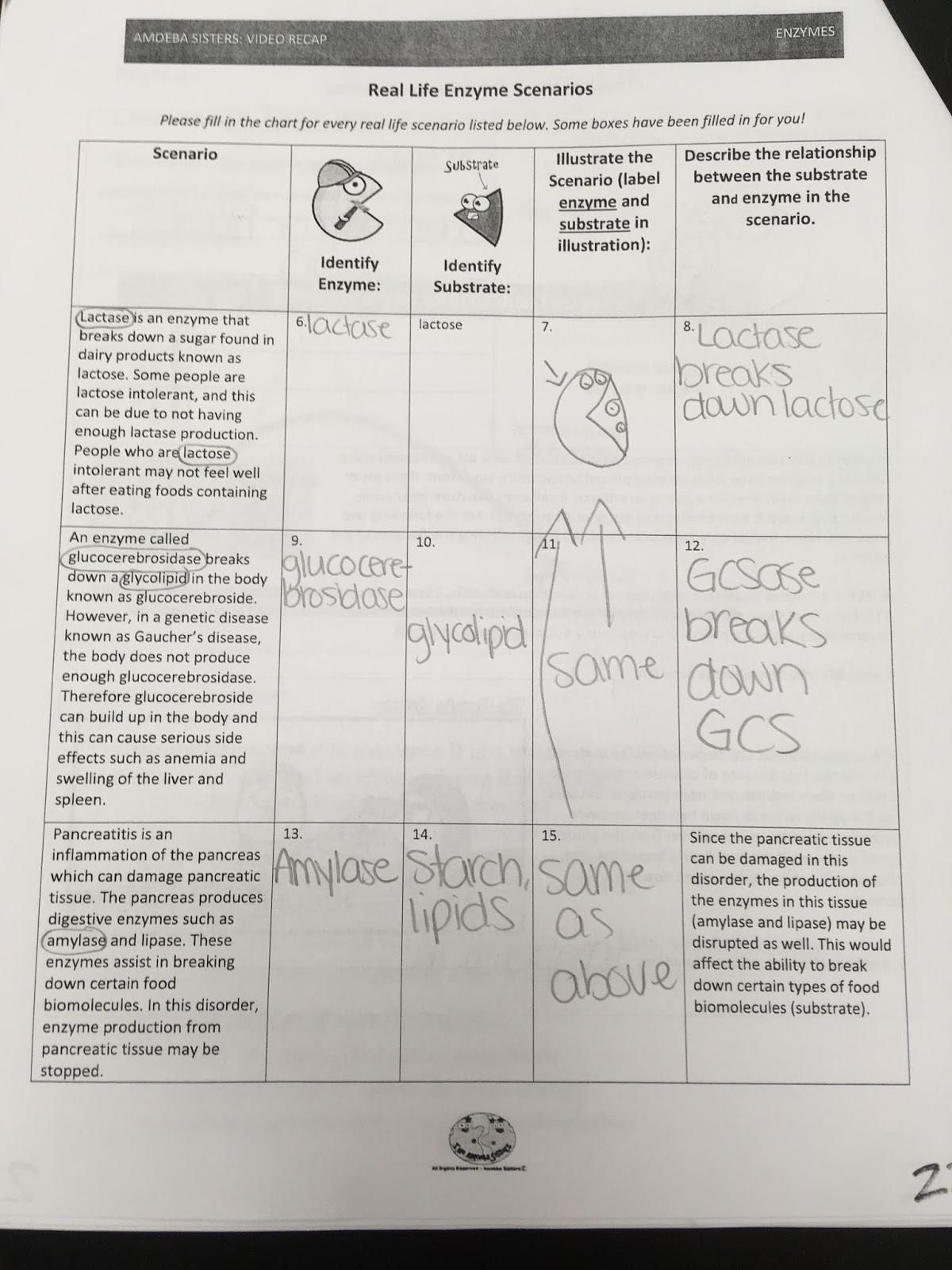
worksheetdblabor.z21.web.core.windows.net
15 Enzymes Worksheet Answer Key / Worksheeto.com
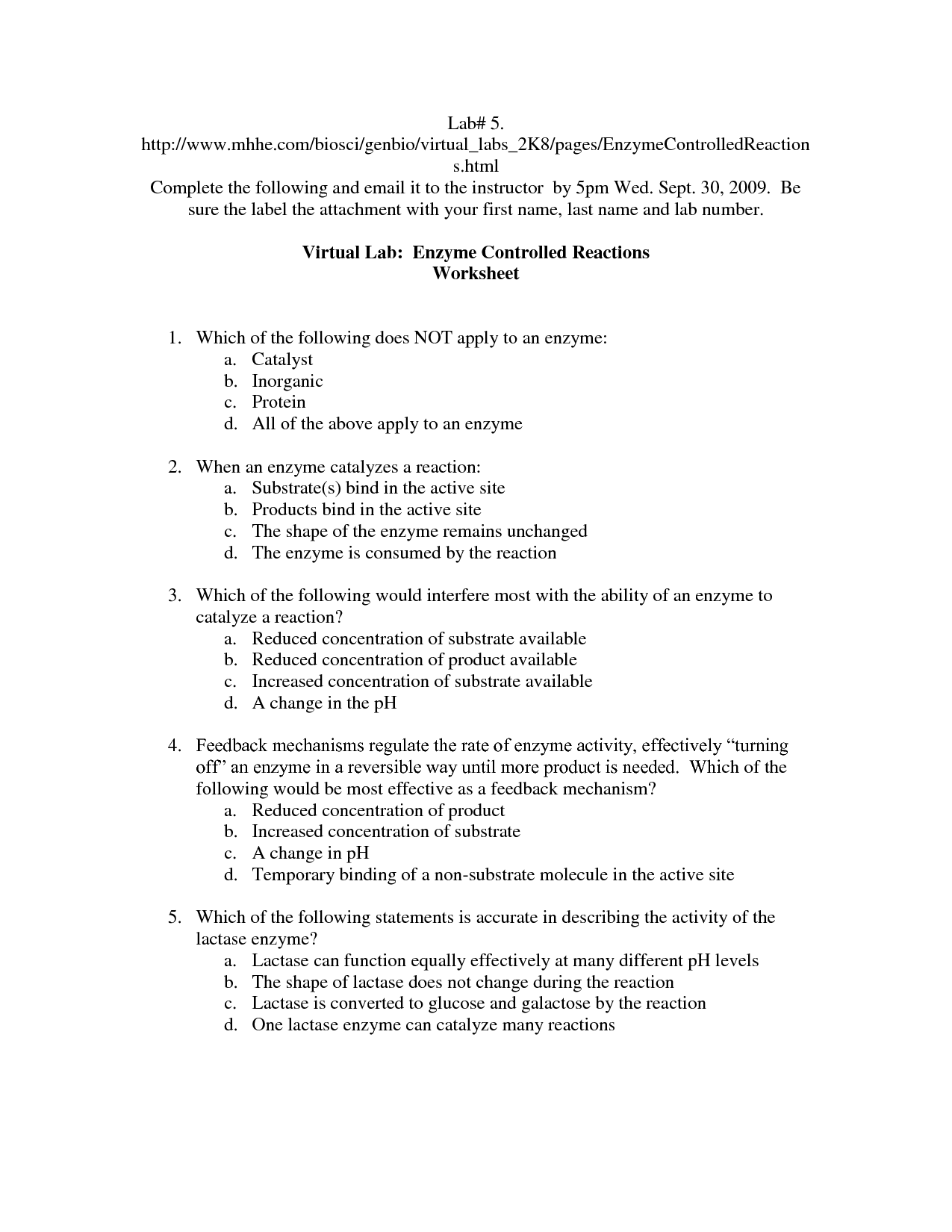
www.worksheeto.com
Enzyme Worksheet
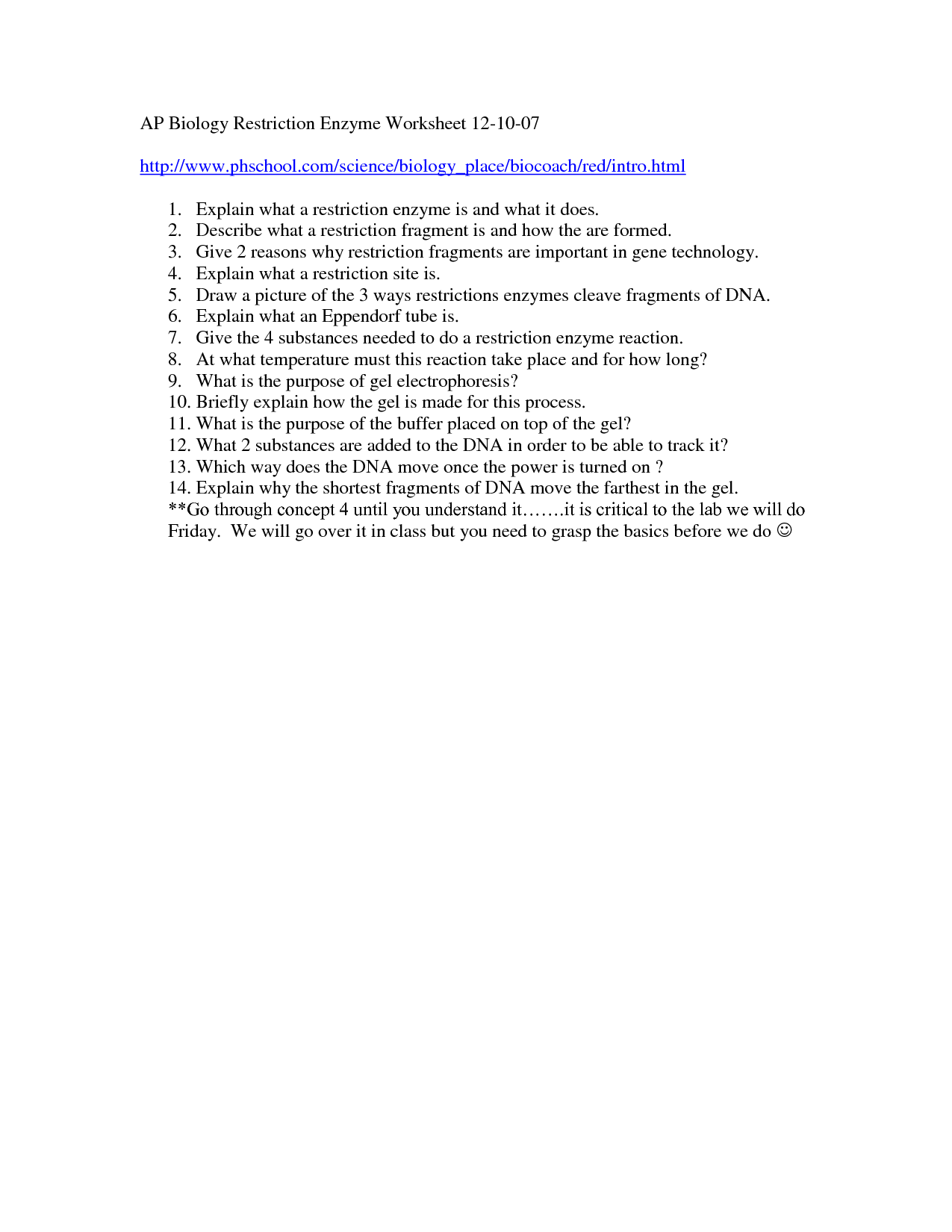
sahklubrad.com
Enzymes Worksheet Answer Key – Pro Worksheet
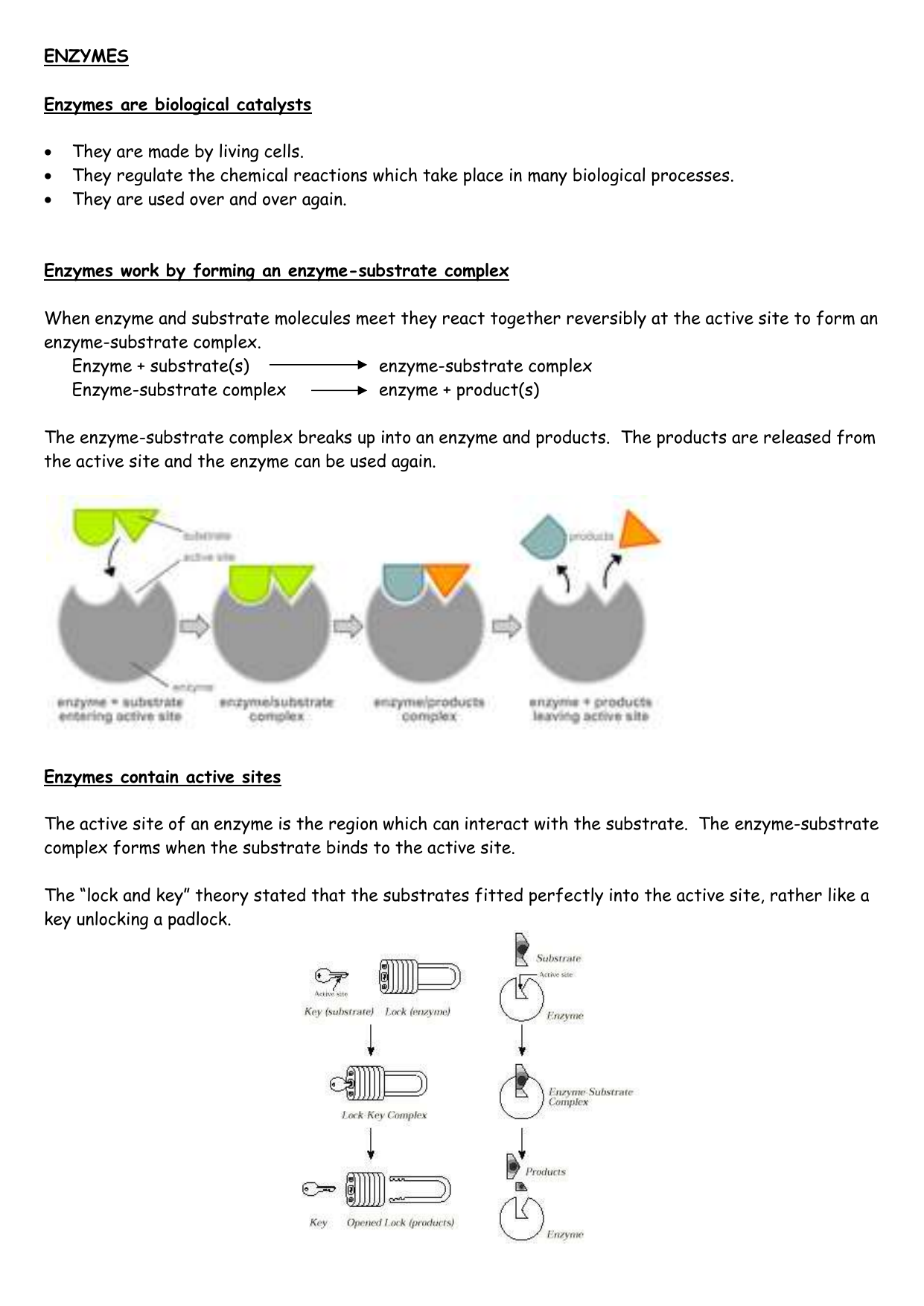
www.proworksheet.my.id
Enzyme Worksheet Answers – Printable Word Searches

davida.davivienda.com
Enzyme Worksheet Biology Answers

romanacci6bjlessonmedia.z21.web.core.windows.net
Enzyme Review Worksheet Answers

in.pinterest.com
50 Enzyme Review Worksheet Answers | Chessmuseum Template Library In

www.pinterest.com
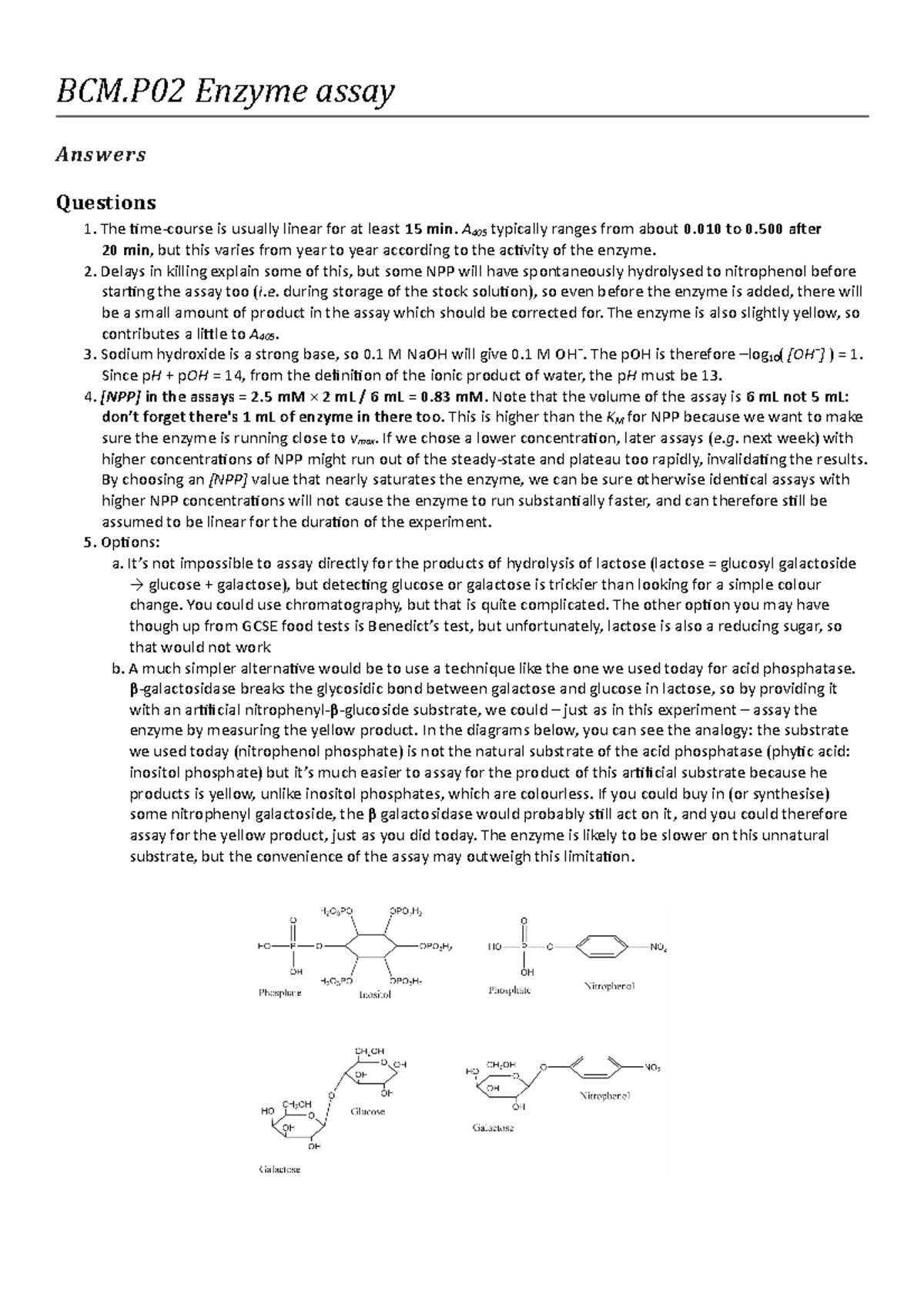
Enzyme Assay Lab Worksheet Answers – BCM Enzyme Assay Answers Questions
www.studocu.com
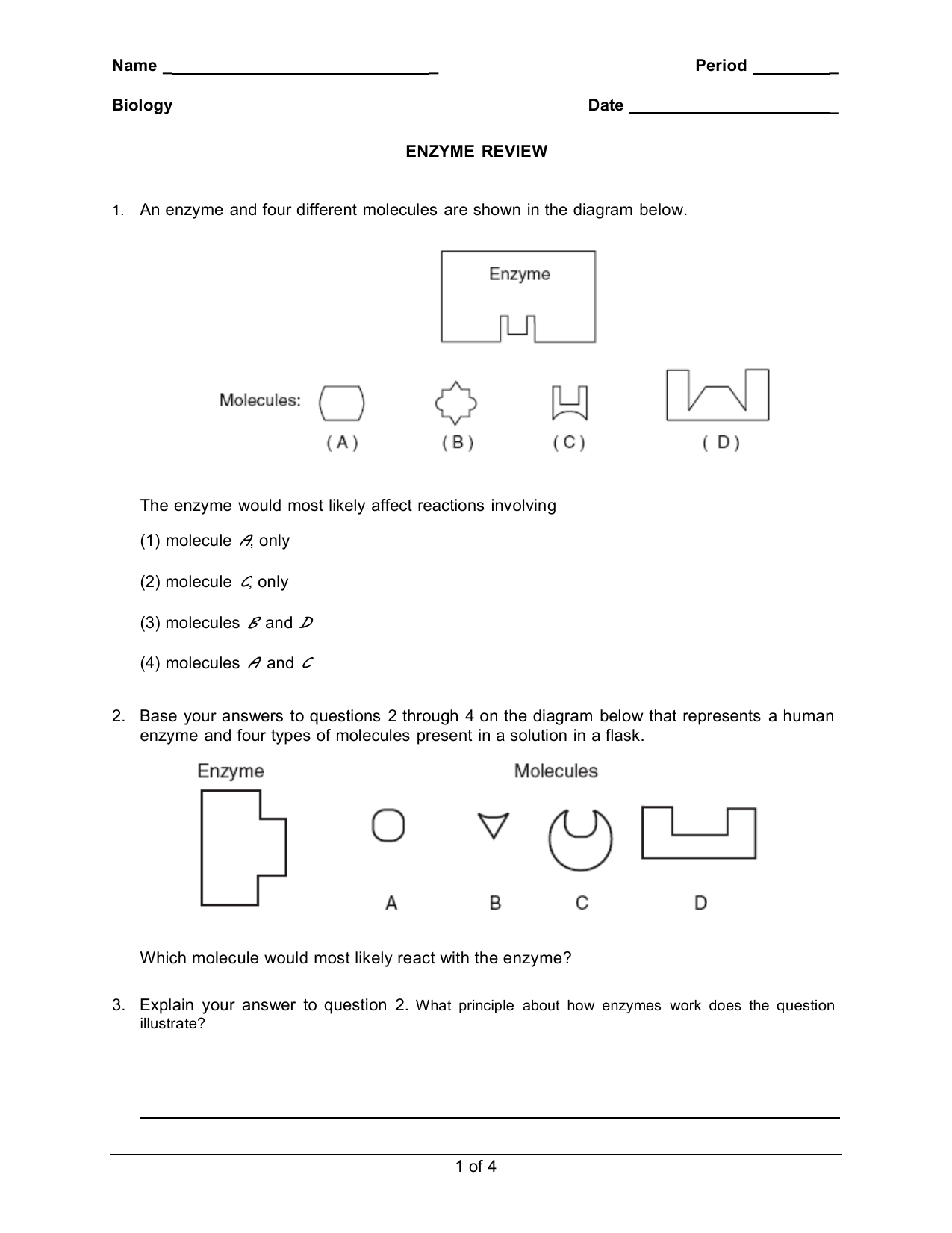
Enzymes Review Worksheet
maa-qxo.blogspot.com
Enzyme Practice Worksheet With Key | Exercises Biochemistry | Docsity

worksheets.clipart-library.com
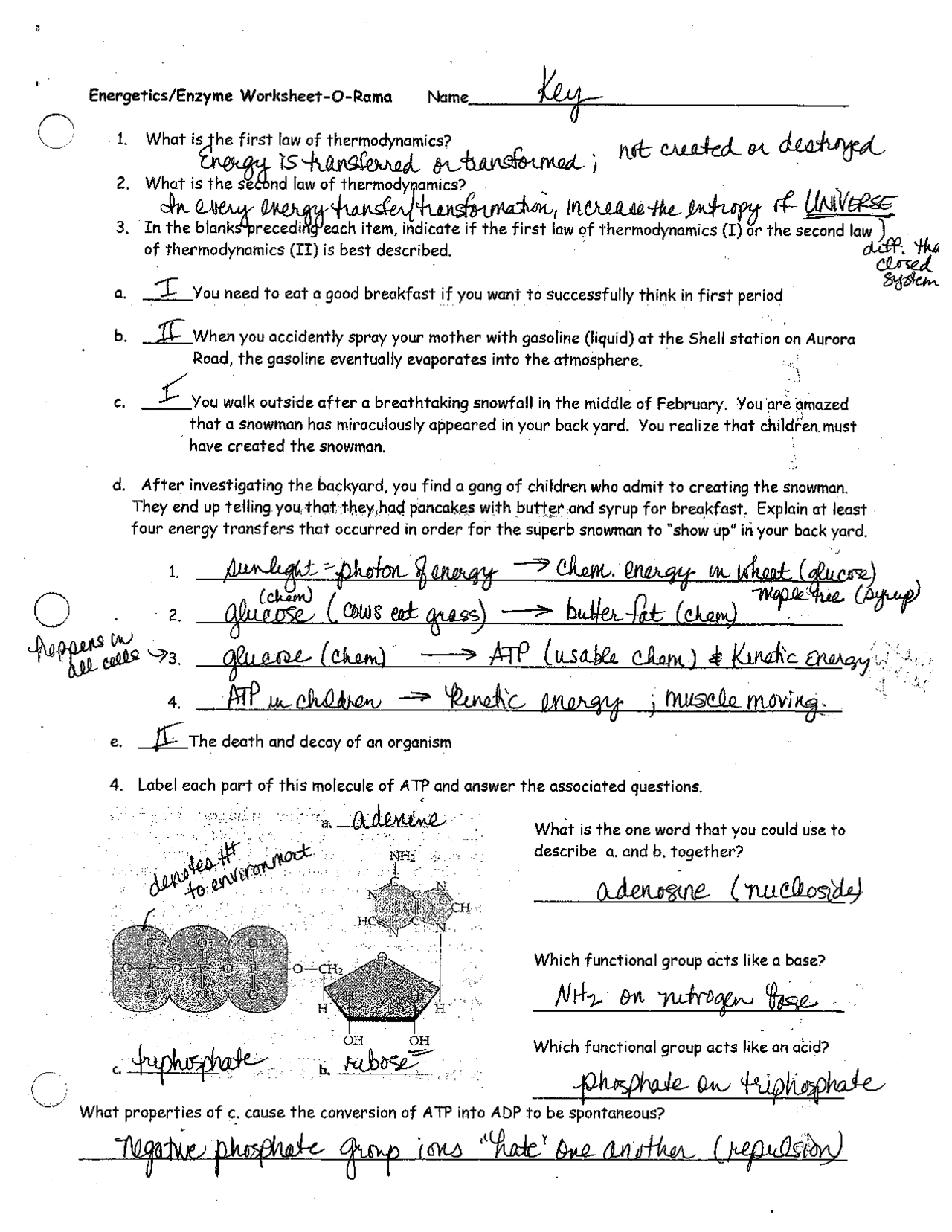
Energetics And Enzyme Worksheet Answers – Docsity
www.docsity.com
Enzyme Review Activities | Worksheet Zone

worksheetzone.org
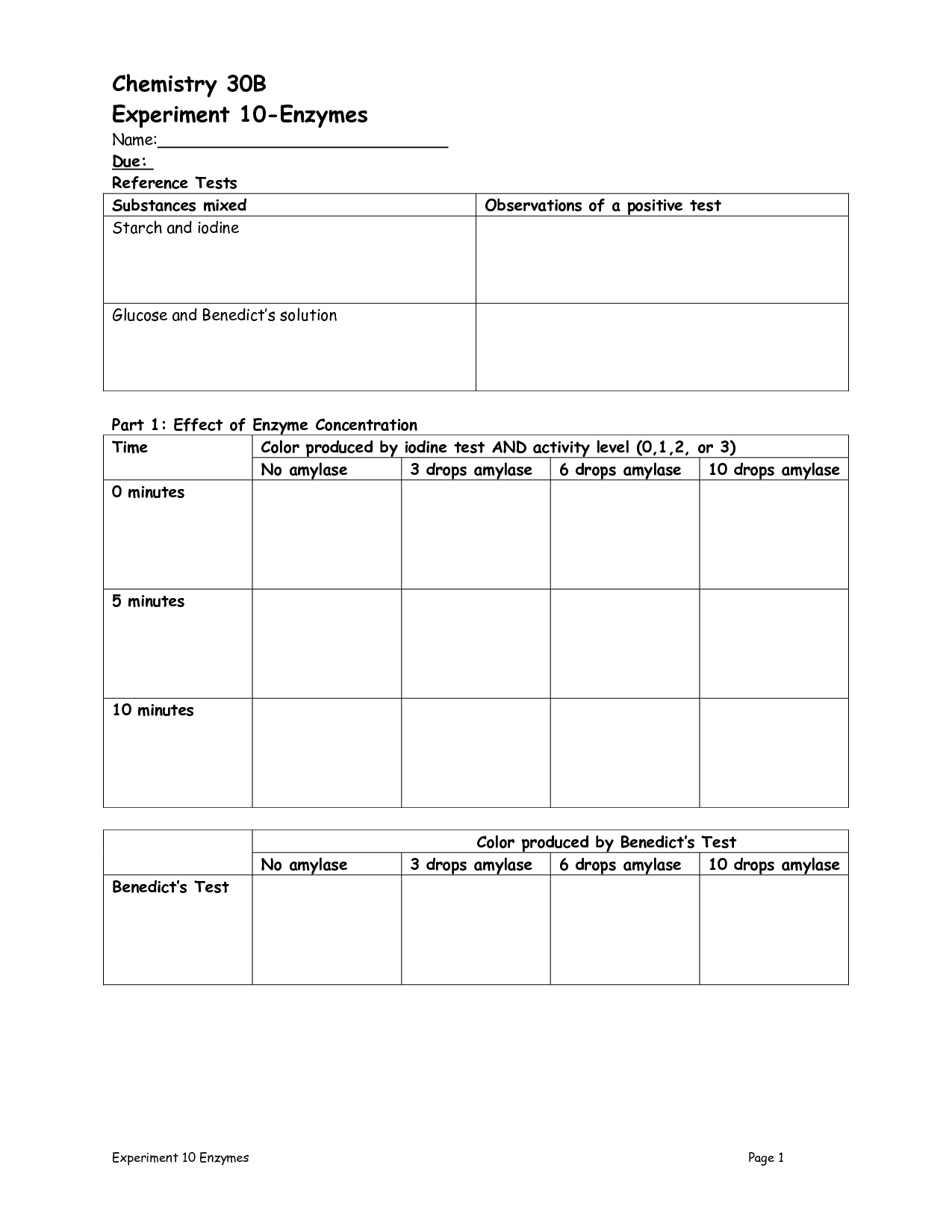
Enzyme Graph Review Worksheet At Robin Idella Blog
storage.googleapis.com
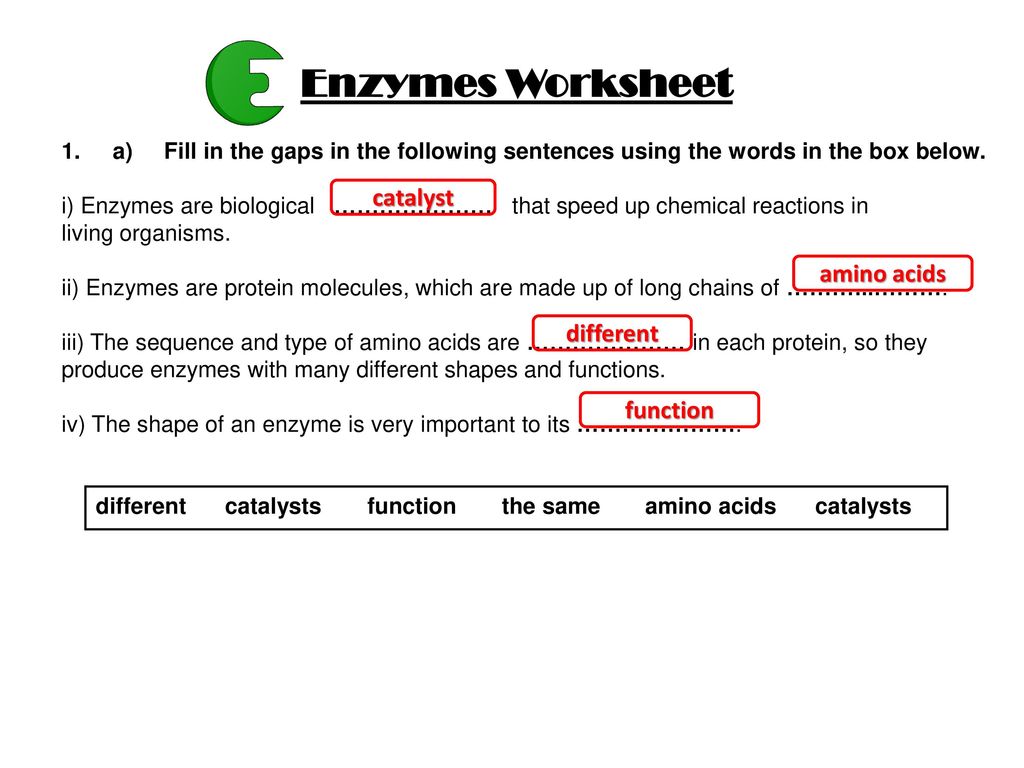
Enzyme Reactions Worksheet Answer Key – Ame.my.id
ame.my.id
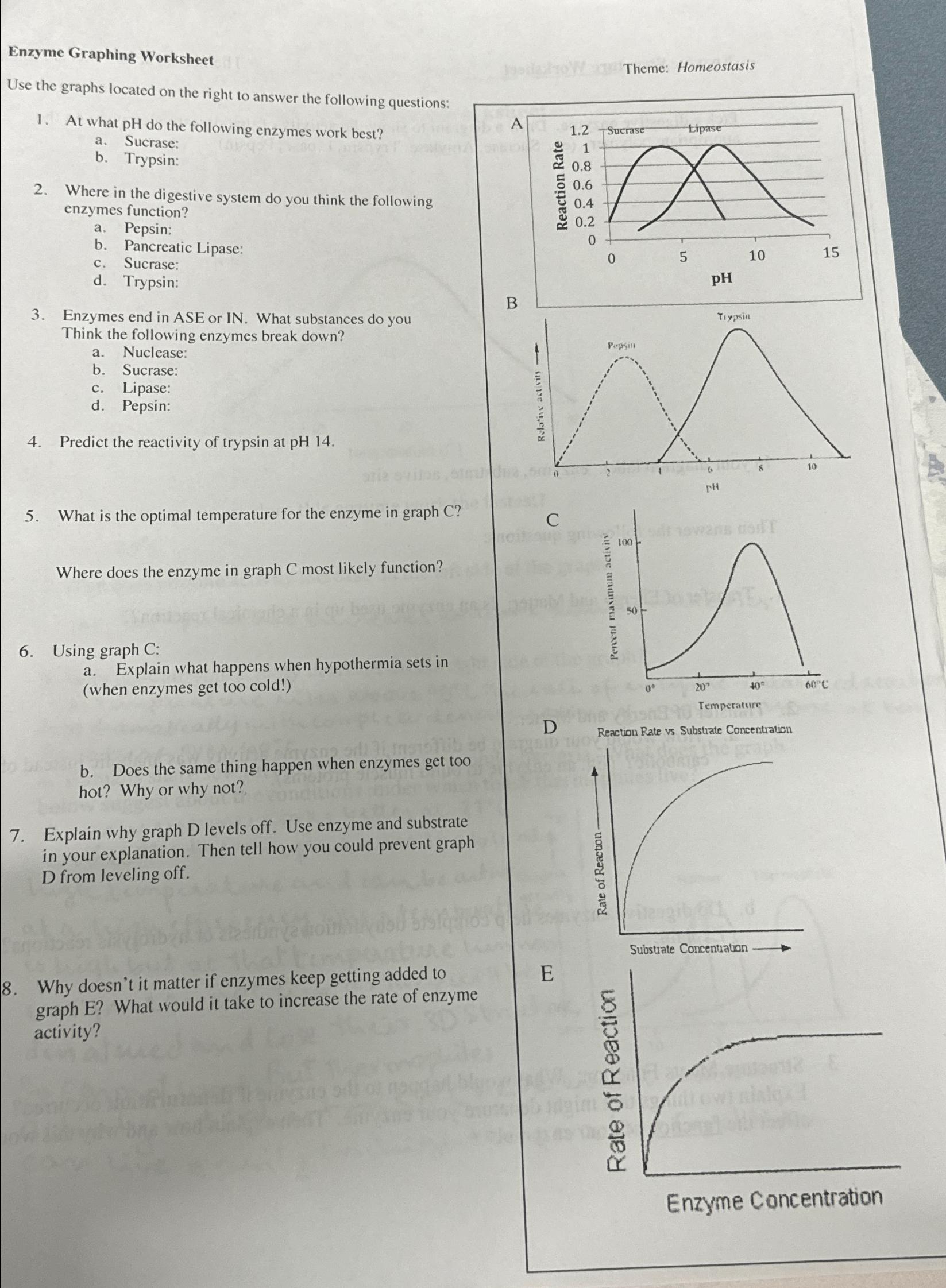
Solved Enzyme Graphing WorksheetTheme: HomeostasisUse The | Chegg.com
www.chegg.com
Mitosis Worksheet Answer Key – Honors Biology | Exercises Cell

worksheets.clipart-library.com
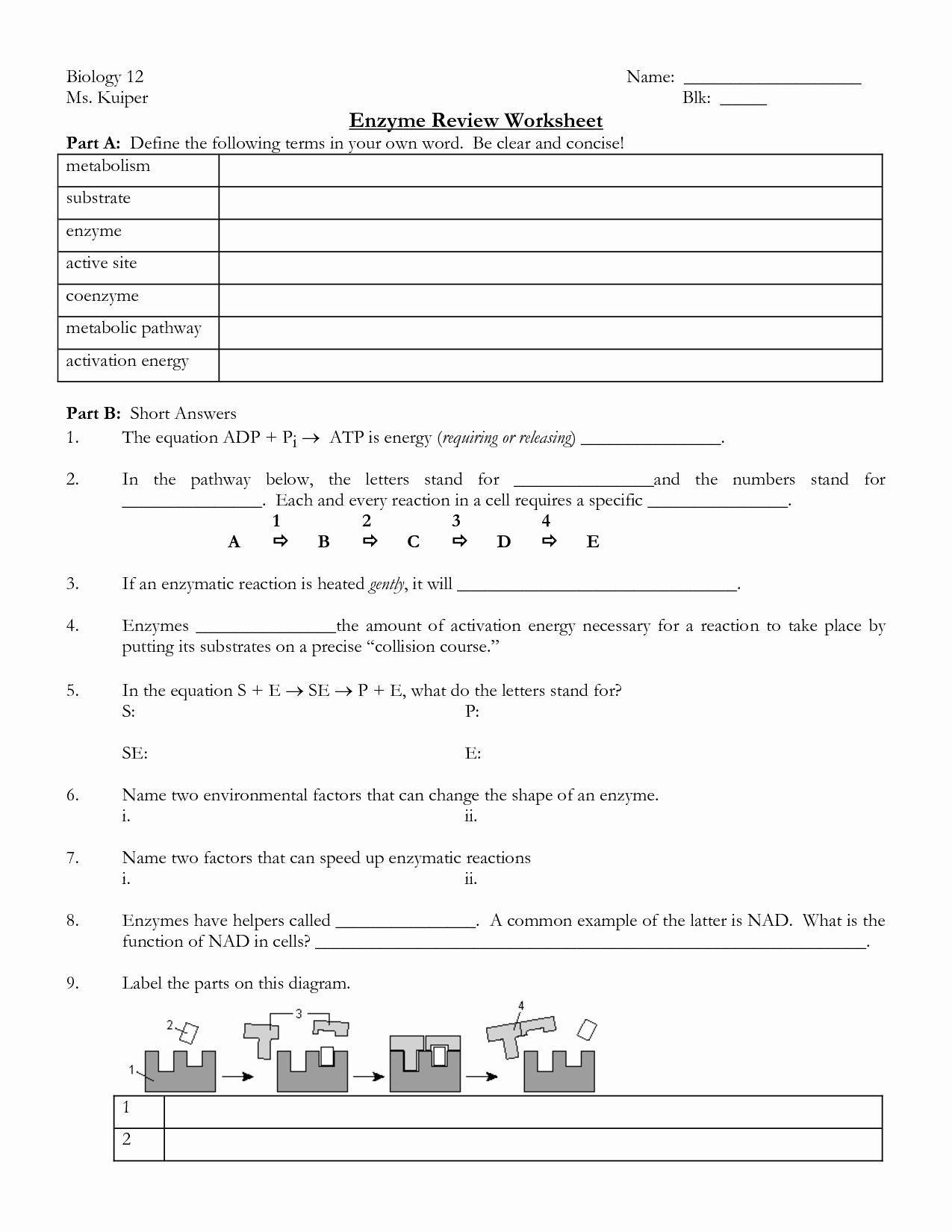
Enzyme Worksheet Answers What Is A Catalyst – Printable Word Searches
davida.davivienda.com
Biology Enzymes Worksheet Answers

learningschooltiengudajo.z4.web.core.windows.net
Solved enzyme graphing worksheettheme: homeostasisuse the. Enzymes worksheets. enzyme assay lab worksheet answers