Alright, future chemists and science enthusiasts! Are you wrestling with a periodic table worksheet and feeling more confused than a proton in an electron cloud? You’re definitely not alone. The periodic table, with its rows, columns, and seemingly random symbols, can be a daunting topic for many students. Understanding the relationships between elements, their properties, and their arrangement is fundamental to grasping the basics of chemistry. But fear not! This post is here to provide some much-needed assistance. We’ll break down the answers to a typical periodic table worksheet and explain the reasoning behind them, helping you not just memorize answers, but actually understand the concepts.
Before we dive into the answers, remember that the periodic table is organized according to increasing atomic number (the number of protons in the nucleus of an atom). Elements in the same group (vertical column) share similar chemical properties because they have the same number of valence electrons (electrons in the outermost shell). Elements in the same period (horizontal row) have the same number of electron shells. Understanding these fundamental principles is key to tackling any periodic table worksheet.
The goal of a periodic table worksheet is often to test your understanding of these properties and relationships. It might ask you to identify elements based on their properties, predict their reactivity, or determine their location on the table. A lot of the learning comes from working *through* the problems, rather than just getting the answers. But, sometimes, you just need a little guidance! So, let’s get right into it.
Periodic Table Worksheet Answers Explained
Below, you’ll find the answers to common periodic table worksheet questions, presented in an easy-to-understand format. Remember to use this as a tool to learn, not just a shortcut to finish your homework!
Common Worksheet Questions and Answers
-
Question: What is the atomic number of Oxygen?
Answer: 8
Explanation: The atomic number is the number of protons in the nucleus of an atom. You can find it directly above the element’s symbol on the periodic table.
-
Question: What is the element symbol for Gold?
Answer: Au
Explanation: Element symbols are abbreviations of the element names, often derived from Latin. Gold’s symbol, Au, comes from the Latin word “aurum.”
-
Question: To which group does Fluorine belong?
Answer: Group 17 (Halogens)
Explanation: Groups are the vertical columns on the periodic table. Group 17, also known as the halogens, are highly reactive nonmetals.
-
Question: Is Potassium a metal, nonmetal, or metalloid?
Answer: Metal
Explanation: Potassium (K) is an alkali metal, located in Group 1. Alkali metals are known for their high reactivity and metallic properties.
-
Question: Which period does Sodium belong to?
Answer: Period 3
Explanation: Periods are the horizontal rows on the periodic table. Sodium (Na) is in the third row, hence Period 3.
-
Question: How many valence electrons does Chlorine have?
Answer: 7
Explanation: Chlorine is in Group 17 (Halogens). All halogens have 7 valence electrons. This makes them highly reactive as they only need one more electron to achieve a stable octet.
-
Question: What is the atomic mass of Carbon?
Answer: Approximately 12.01 amu (atomic mass units)
Explanation: The atomic mass is the average mass of all the isotopes of an element. It’s usually found below the element symbol on the periodic table. You might see slightly different values depending on the periodic table used, but 12.01 is a common approximation for Carbon.
-
Question: Is Argon reactive or inert (non-reactive)?
Answer: Inert (non-reactive)
Explanation: Argon (Ar) is a noble gas, located in Group 18. Noble gases have a full outer shell of electrons, making them very stable and unreactive.
-
Question: Which element is in group 2 and period 3?
Answer: Magnesium (Mg)
Explanation: By finding group 2 (the alkaline earth metals) and period 3 (the third row), you can see that Magnesium is located at the intersection.
-
Question: What type of element is found in the f-block of the periodic table?
Answer: Lanthanides and Actinides (Inner Transition Metals)
Explanation: The f-block elements are located below the main body of the periodic table and are known as the lanthanides and actinides. They are all metals and many are radioactive.
These are just a few examples of the types of questions you might encounter on a periodic table worksheet. Remember to use your periodic table as a reference and pay attention to the trends and properties of elements within groups and periods. Practice makes perfect! The more you work with the periodic table, the more familiar you’ll become with its layout and the properties of the elements.
Hopefully, this guide has helped you understand the answers to your periodic table worksheet and provided a clearer understanding of the periodic table itself. Keep exploring, keep questioning, and keep learning! Good luck with your studies!
If you are searching about 14 Periodic Table Practice Worksheet Answers / worksheeto.com you’ve visit to the right web. We have 20 Pics about 14 Periodic Table Practice Worksheet Answers / worksheeto.com like Brainpop Periodic Table Of Elements Worksheet Answer Key – Fill, Periodic Table Worksheet Answers – Pro Worksheet and also Periodic Table Search and Find Activity for 6th-8th Grade – Worksheets. Here you go:
14 Periodic Table Practice Worksheet Answers / Worksheeto.com
www.worksheeto.com
Brainpop Periodic Table Of Elements Worksheet Answer Key – Fill

worksheets.clipart-library.com
Periodic Table Questions And Answers – Worksheets Library

worksheets.clipart-library.com
Periodic Table Of Elements Worksheet – Pro Worksheet
/PeriodicTableMuted-56a12d823df78cf772682aaa.png)
www.proworksheet.my.id
Periodic Table Activity Worksheet – Ame.my.id
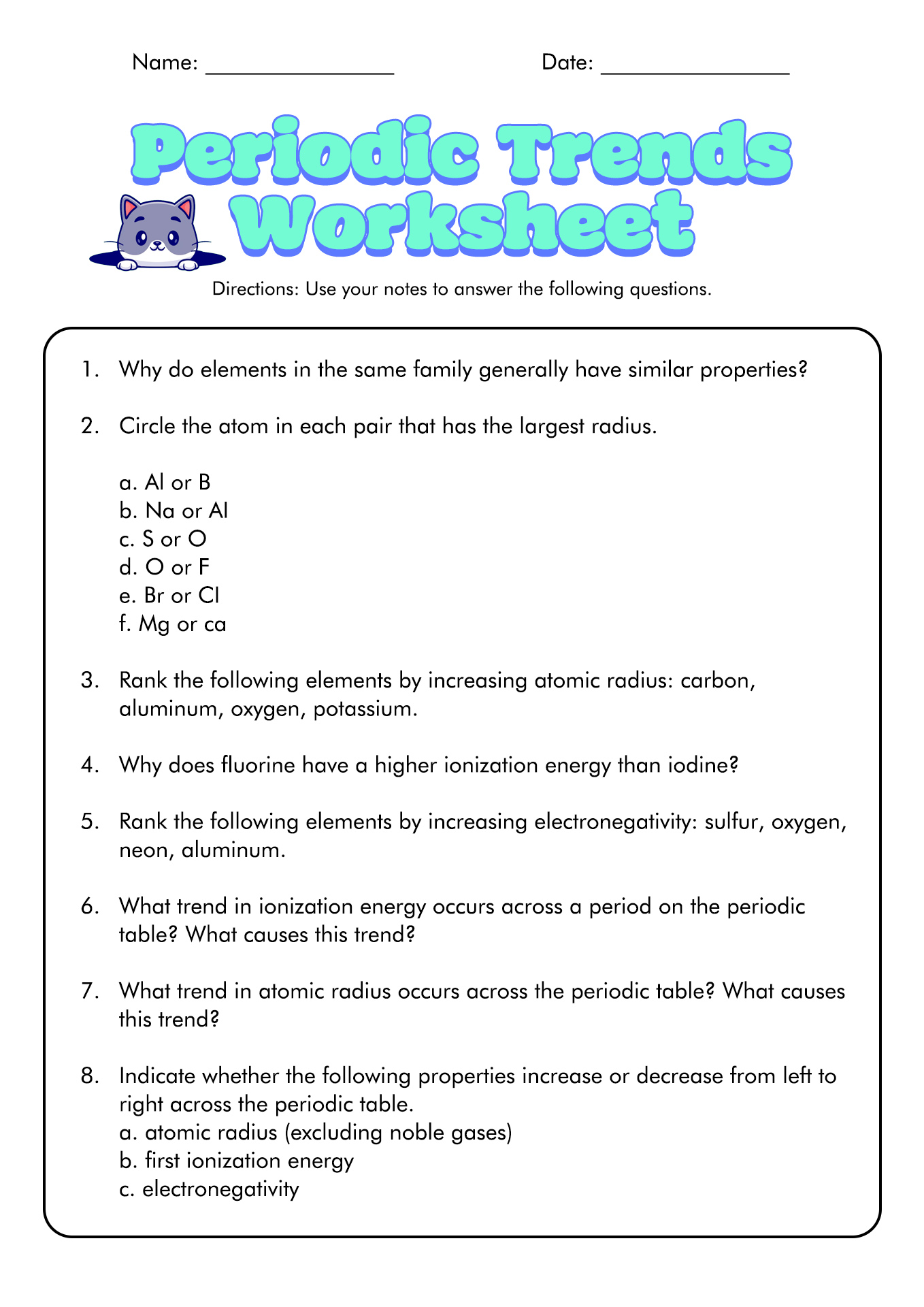
ame.my.id
Periodic Table Puzzle Worksheet Answers Best Of Periodic Table Of

www.pinterest.com
Elements Of The Periodic Table Worksheet – Flying Colors Science

worksheets.clipart-library.com
Properties Of Atoms And The Periodic Table: Vocabulary Review

worksheets.clipart-library.com
2673-2018 Periodic Table Worksheet Rev B 1 .docx – Periodic Table
www.coursehero.com
Elements Of The Periodic Table Worksheet – Flying Colors Science

worksheets.clipart-library.com
Periodic Table Worksheet Answers
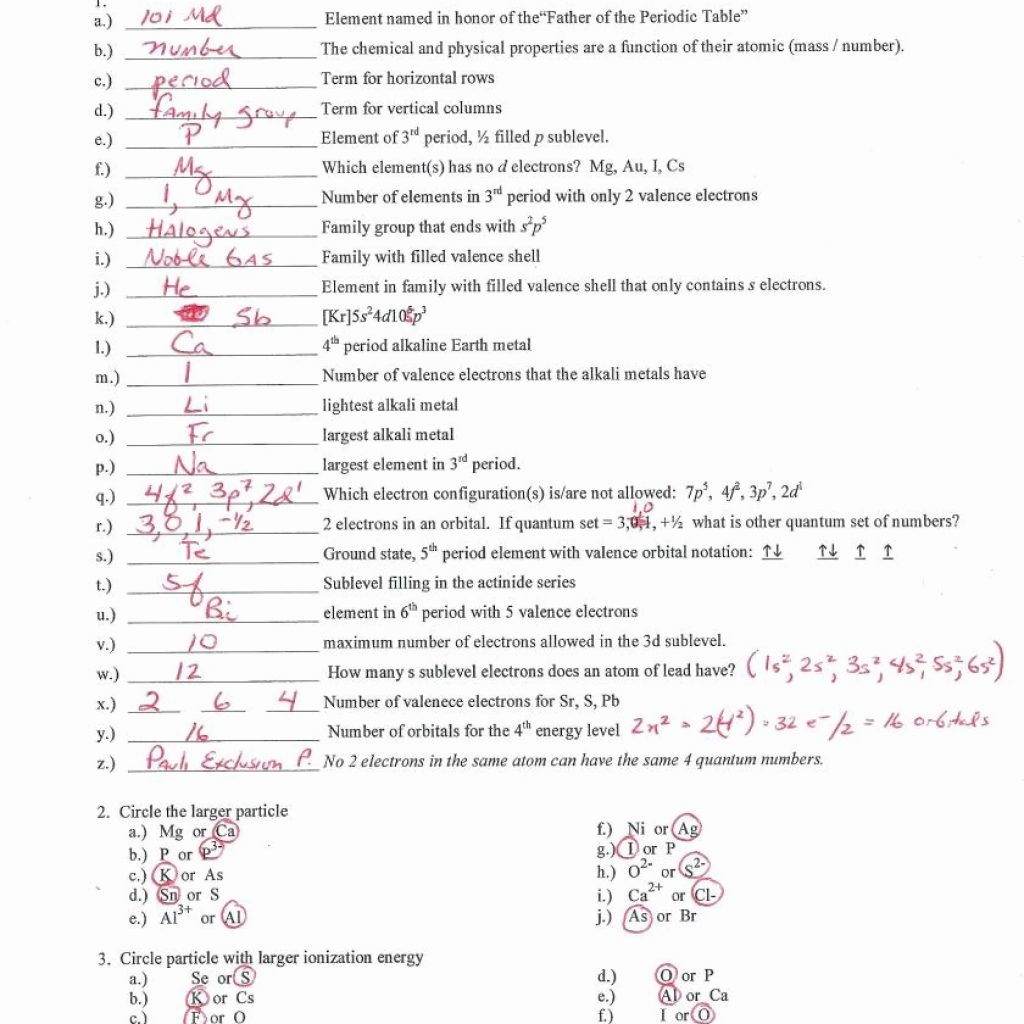
worksheetlibcomplot.z22.web.core.windows.net
Worksheet Periodic Table Answer Key – Study Skills Worksheet

revivalportal.goodwood.com
Blank Periodic Table Worksheet – E-streetlight.com
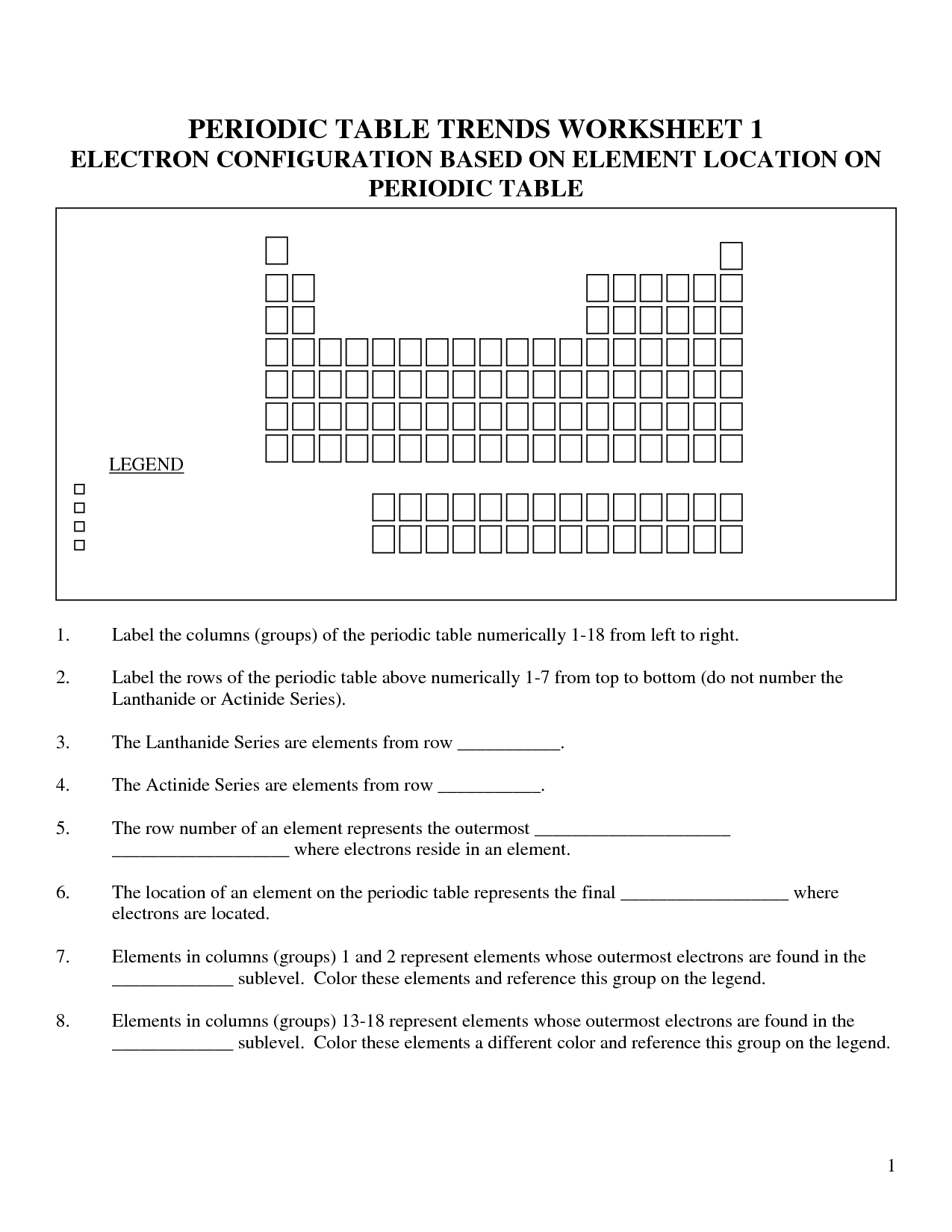
www.e-streetlight.com
Periodic Table Worksheet Answers – Pro Worksheet
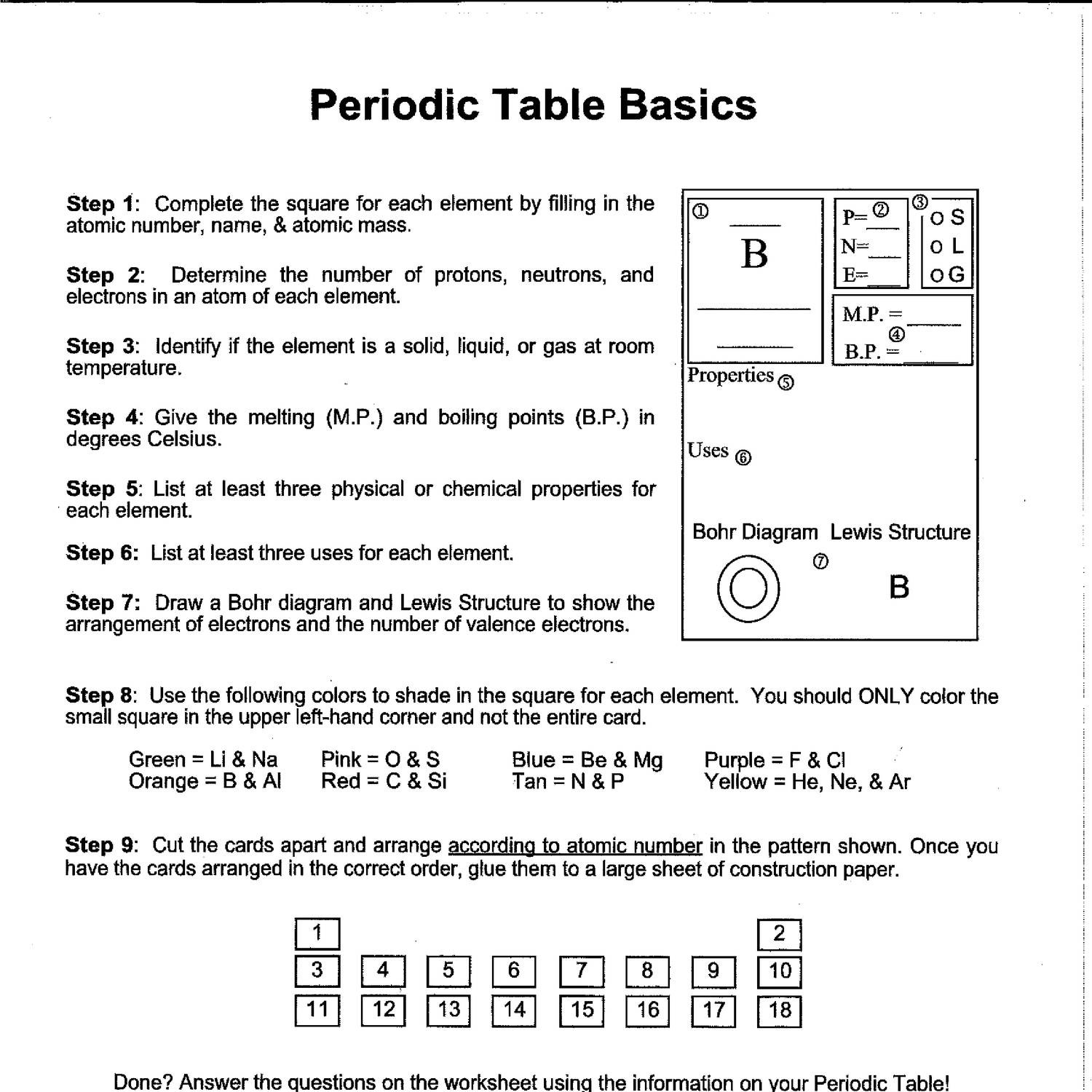
www.proworksheet.my.id
Periodic Table Of Elements Worksheet Answers | Dev.onallcylinders.com

dev.onallcylinders.com
Periodic Table Basics Worksheet Answer Key – Printable Word Searches
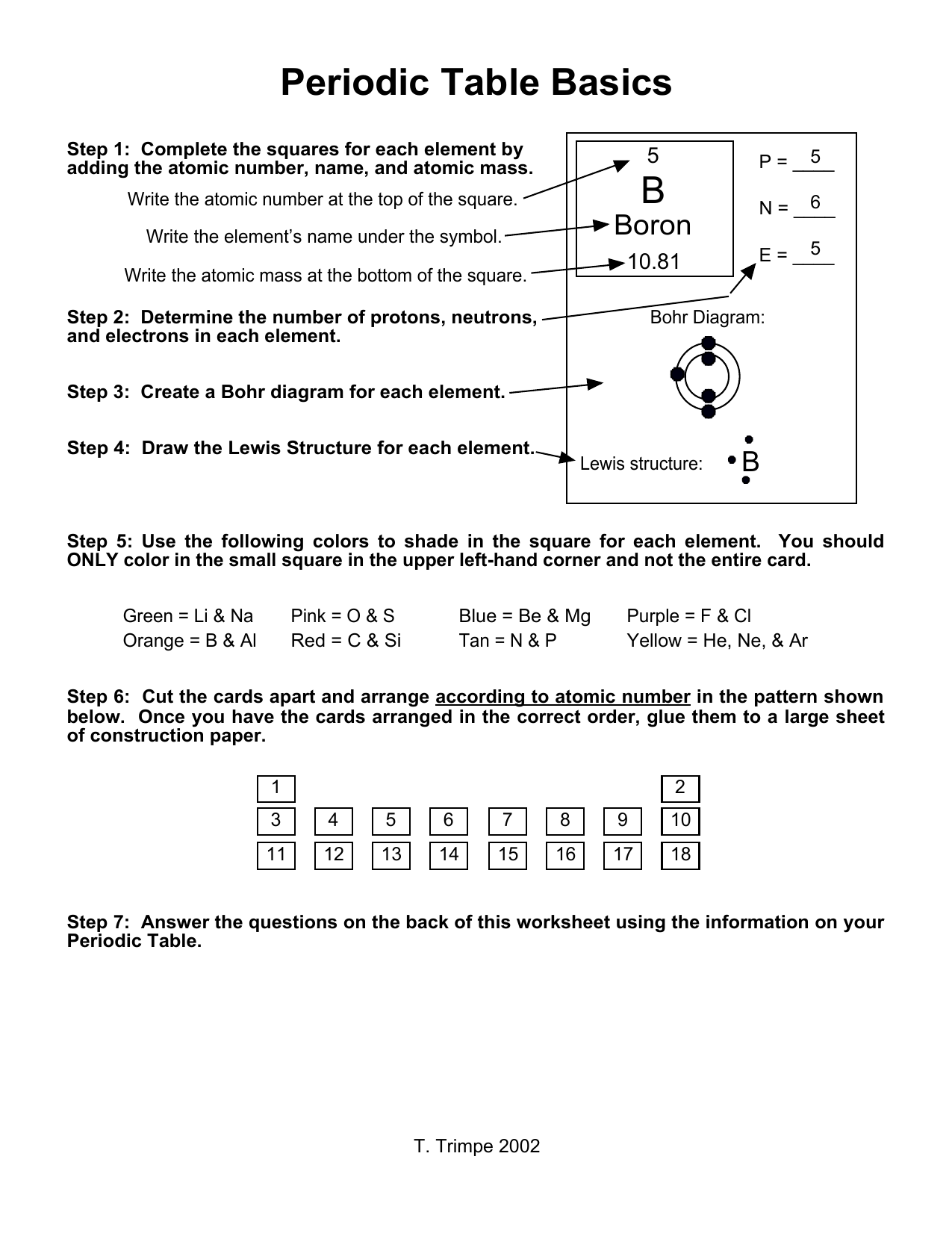
davida.davivienda.com
Periodic Table Elements Worksheet – Science, Chemistry & Matter
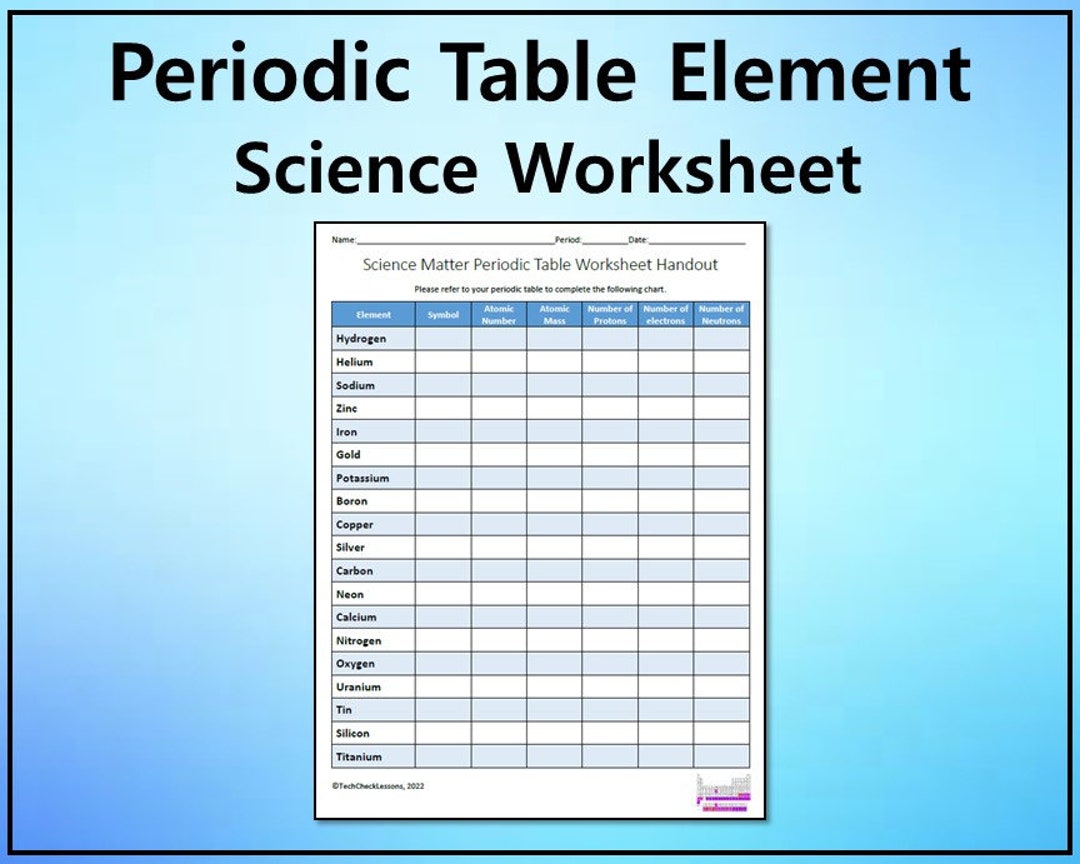
www.etsy.com
Periodic Table Search And Find Activity For 6th-8th Grade – Worksheets

worksheets.clipart-library.com
Worksheet Periodic Table Answers – Study Skills Worksheet

revivalportal.goodwood.com
Blank Periodic Table Worksheet
ar.inspiredpencil.com
Blank periodic table worksheet – e-streetlight.com. Blank periodic table worksheet – e-streetlight.com. Elements of the periodic table worksheet