Struggling with that Relative Dating Worksheet? You’re not alone! Understanding the principles of relative dating is crucial for grasping geological history and the timelines that shape our planet. Relative dating allows us to determine the *sequence* of events, telling us what happened *before* or *after* something else, even without knowing the exact numerical age (absolute age). This worksheet likely covers concepts like the Law of Superposition, the Principle of Original Horizontality, the Principle of Cross-Cutting Relationships, and identifying unconformities. It can be tricky, but with a solid understanding of these concepts, you’ll be dating rocks like a pro! This post provides a helpful answer key to guide you through common relative dating worksheet questions, explaining the reasoning behind each answer and helping you solidify your comprehension.
Understanding the Principles of Relative Dating
Before diving into the answer key, let’s quickly recap the key principles used in relative dating:
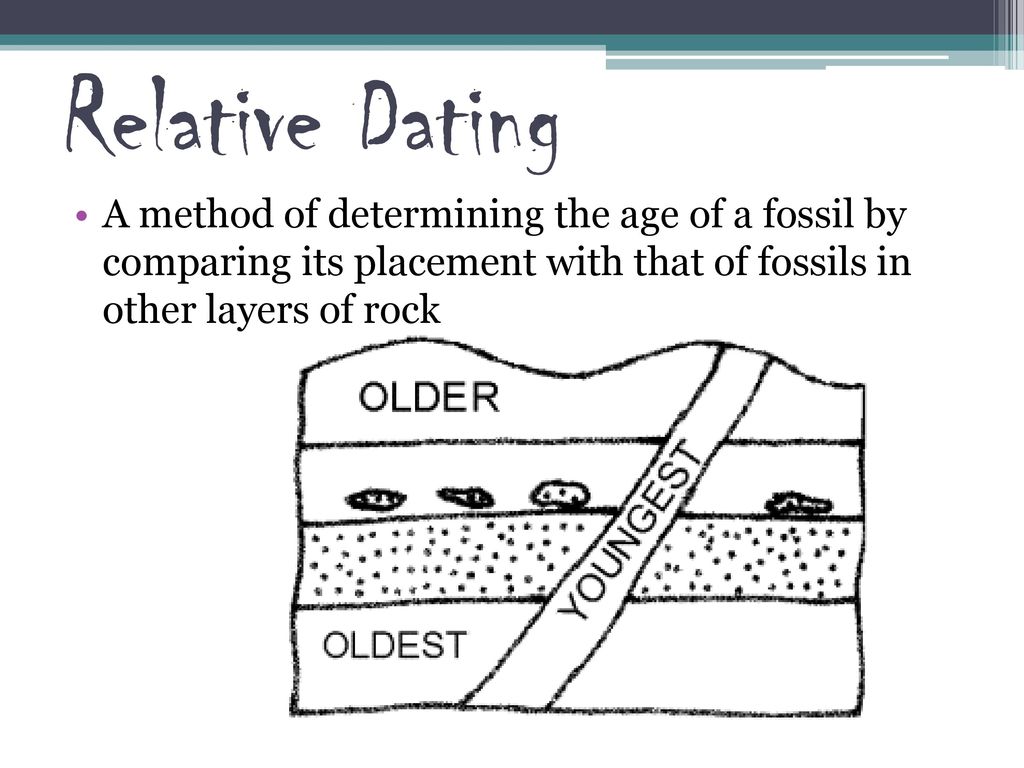
* **Law of Superposition:** In undisturbed sedimentary rock layers, the oldest layers are at the bottom, and the youngest layers are at the top. Think of it like a stack of books – the one you put down first is at the bottom, and the last one you put down is on top.
* **Principle of Original Horizontality:** Sedimentary layers are initially deposited horizontally. If we find them tilted or folded, it means they were deformed sometime *after* they were originally deposited.
* **Principle of Cross-Cutting Relationships:** Any feature that cuts across existing rock layers is younger than the layers it cuts through. This includes igneous intrusions (like dikes and sills) and faults. Imagine cutting a cake – the knife cut is younger than the cake itself.
* **Principle of Inclusions:** Inclusions are pieces of one rock unit that are contained within another. The rock containing the inclusions is younger than the rock that provided the inclusions.
* **Unconformities:** These represent gaps in the geological record, periods of erosion or non-deposition. There are three main types:
* **Angular Unconformity:** Tilted or folded sedimentary rocks are overlain by younger, horizontal sedimentary rocks.
* **Disconformity:** A period of erosion or non-deposition between parallel layers of sedimentary rock. These can be difficult to spot without fossil evidence.
* **Nonconformity:** Sedimentary rocks lie directly on top of older metamorphic or igneous rocks.
Relative Dating Worksheet Answer Key (Example)
Keep in mind that the exact questions on your worksheet may vary, but this key addresses common scenarios and provides explanations. It’s crucial to understand the *why* behind each answer, not just memorizing the order.
Example Questions and Answers
- Question 1: In a sequence of undisturbed sedimentary rocks, which layer is the oldest?
Answer: The bottom layer.
Explanation: This is based on the Law of Superposition. The bottom layer was deposited first.
- Question 2: A fault cuts through layers A, B, and C. Which is older, the fault or layer B?
Answer: Layer B is older.
Explanation: The Principle of Cross-Cutting Relationships tells us that the fault must be younger than all the layers it cuts through. Therefore, layers A, B, and C are older than the fault.
- Question 3: You find an igneous intrusion (dike) that cuts through several layers of sedimentary rock. Which is older, the sedimentary rock layers or the igneous intrusion?
Answer: The sedimentary rock layers are older.
Explanation: The Principle of Cross-Cutting Relationships applies here. The intrusion cuts through the sedimentary layers, meaning the layers had to be there first.
- Question 4: In layer X, you find inclusions of rock Y. Which is older, rock X or rock Y?
Answer: Rock Y is older.
Explanation: The Principle of Inclusions states that the inclusions are older than the rock containing them. The pieces of rock Y had to exist first in order to become inclusions within rock X.
- Question 5: You observe tilted sedimentary rock layers overlain by horizontal sedimentary rock layers. What type of unconformity is this?
Answer: Angular Unconformity.
Explanation: The key feature of an angular unconformity is the angle between the older, tilted layers and the younger, horizontal layers above.
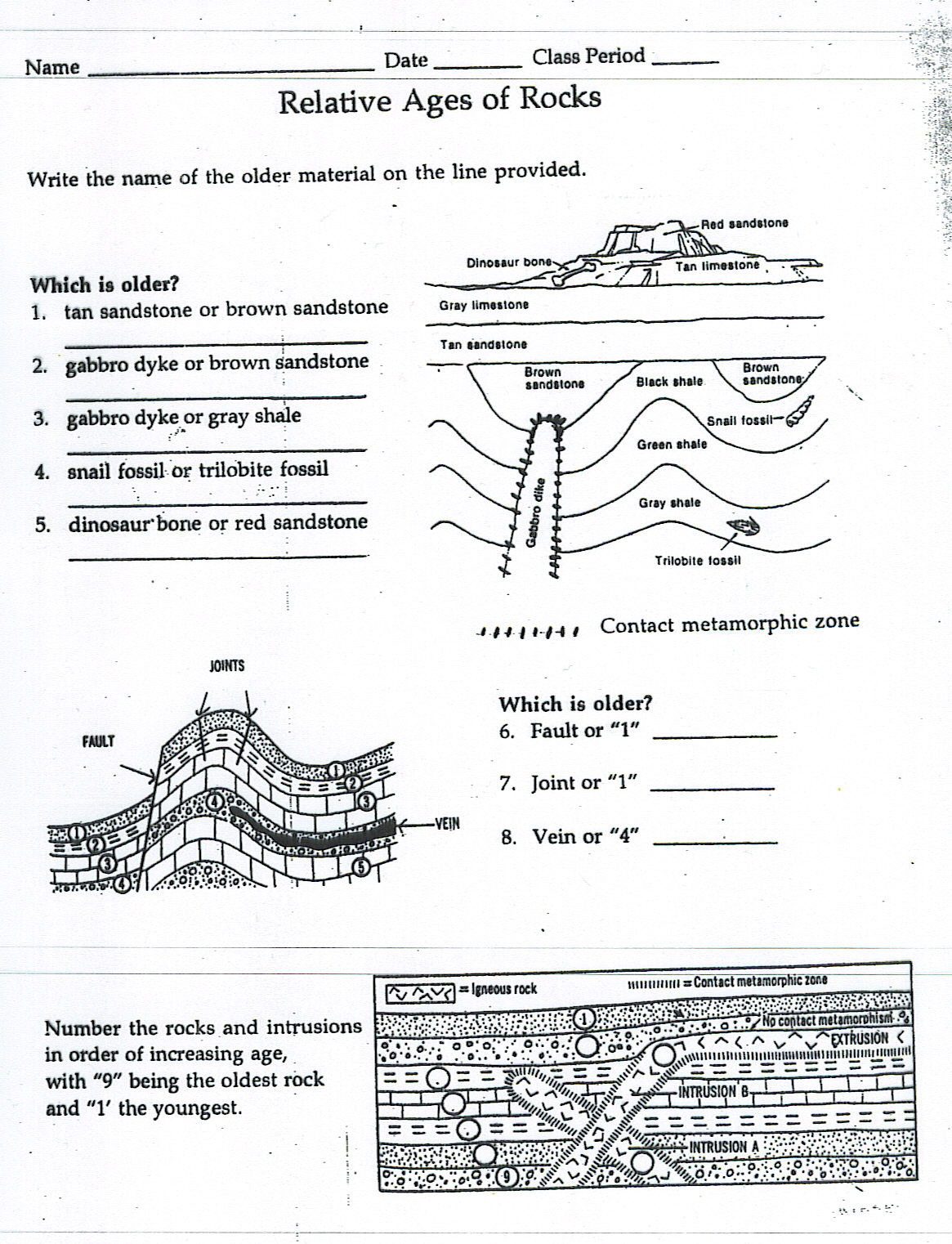
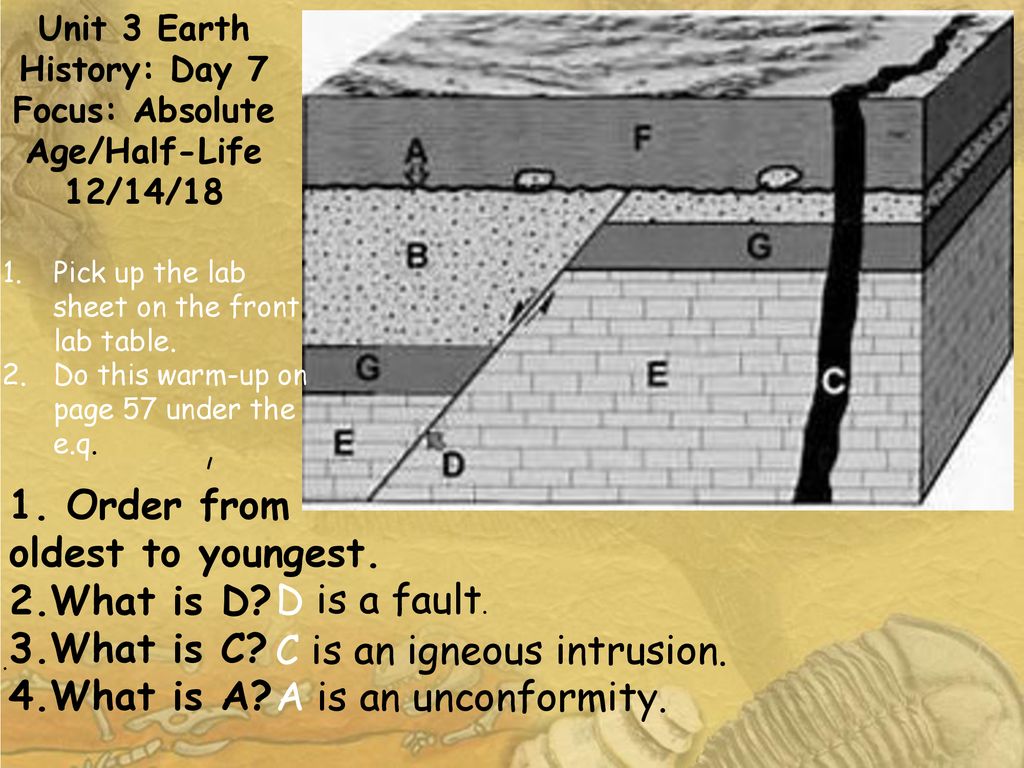
- Question 6: Using the diagram below, determine the relative order of events (from oldest to youngest): [Diagram depicting layers of sedimentary rock A, B, C, D; an igneous intrusion E; and a fault F].
Answer: The relative order is likely: A, B, C, D, E, F (or similar depending on the complexity of the diagram).
Explanation: First, the sedimentary layers A through D were deposited. Then, the igneous intrusion E cut through the layers. Finally, the fault F cut through all the existing layers and the intrusion. Careful observation of the diagram and application of the principles is key to getting the correct order.
- Question 7: What does an unconformity represent in the rock record?
Answer: A gap in the geologic record.
Explanation: Unconformities represent periods of erosion or non-deposition, meaning that some portion of geologic time is missing from the rock record at that location.
Remember to carefully examine any diagrams provided with the worksheet. Look for key features like cross-cutting relationships, tilted layers, and inclusions. Practice applying the principles of relative dating to different scenarios, and you’ll become much more confident in your ability to decipher geological timelines. Good luck!
If you are searching about Relative Dating Examples And Answers – portablechainsawmillquick you’ve came to the right web. We have 20 Pictures about Relative Dating Examples And Answers – portablechainsawmillquick like Relative Dating Worksheet Answer Key – E-streetlight.com, SOLUTION: Relative dating worksheet whats up key – Studypool and also Relative Age Dating Worksheet. Here it is:
Relative Dating Examples And Answers – Portablechainsawmillquick

portablechainsawmillquick.blogspot.com
9 Functional Group Practice Worksheet – Artofit

www.artofit.org
Relative Dating Worksheet Answer Key – Owhentheyanks.com
www.owhentheyanks.com
Relative Dating Worksheet – Printable Word Searches
davida.davivienda.com
Relative Dating Worksheet – Printable Word Searches
davida.davivienda.com
15 Section 1 Reinforcement Fossils Worksheet – Free PDF At Worksheeto.com
www.worksheeto.com
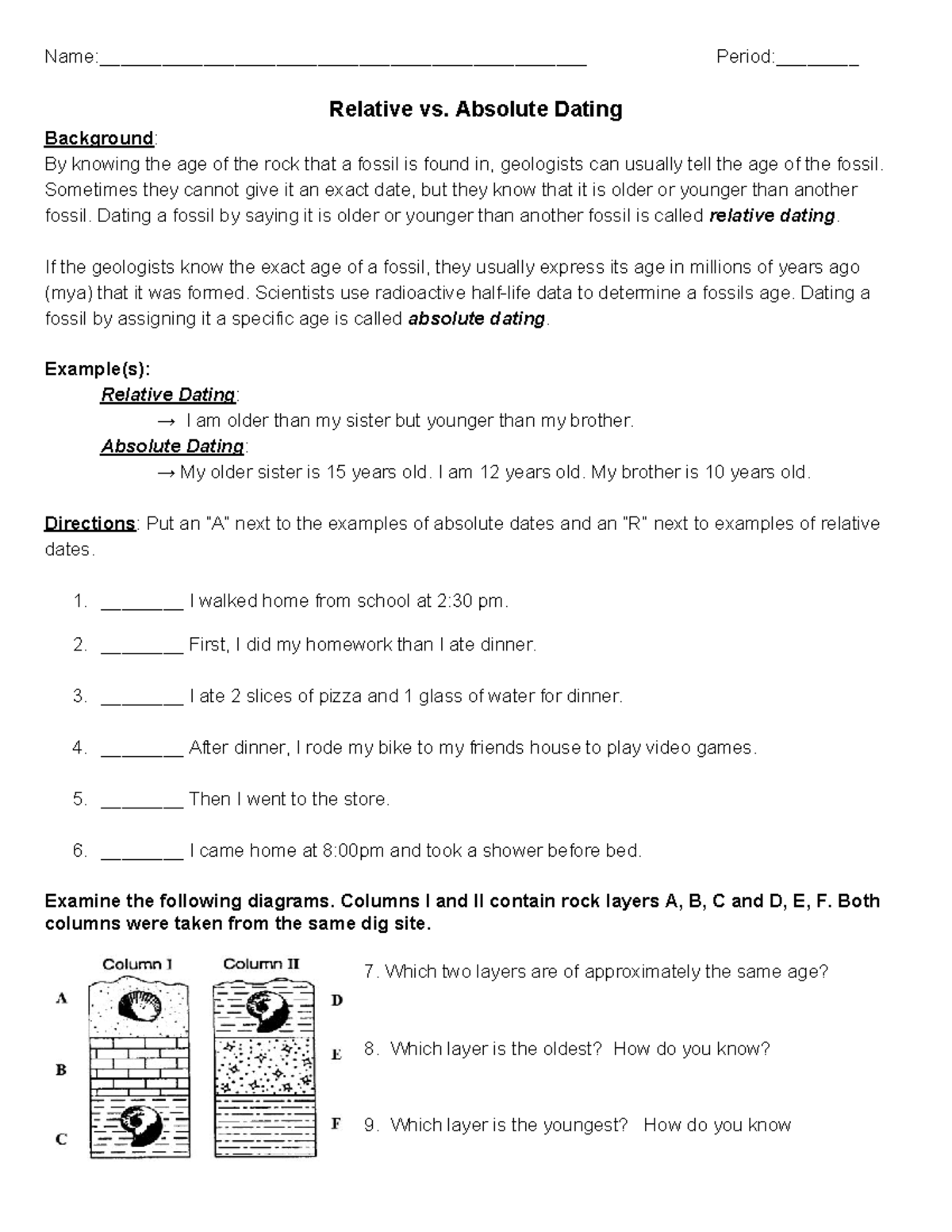
Absolute Datingvs Relative Dating Worksheet-1 – Name
www.studocu.com
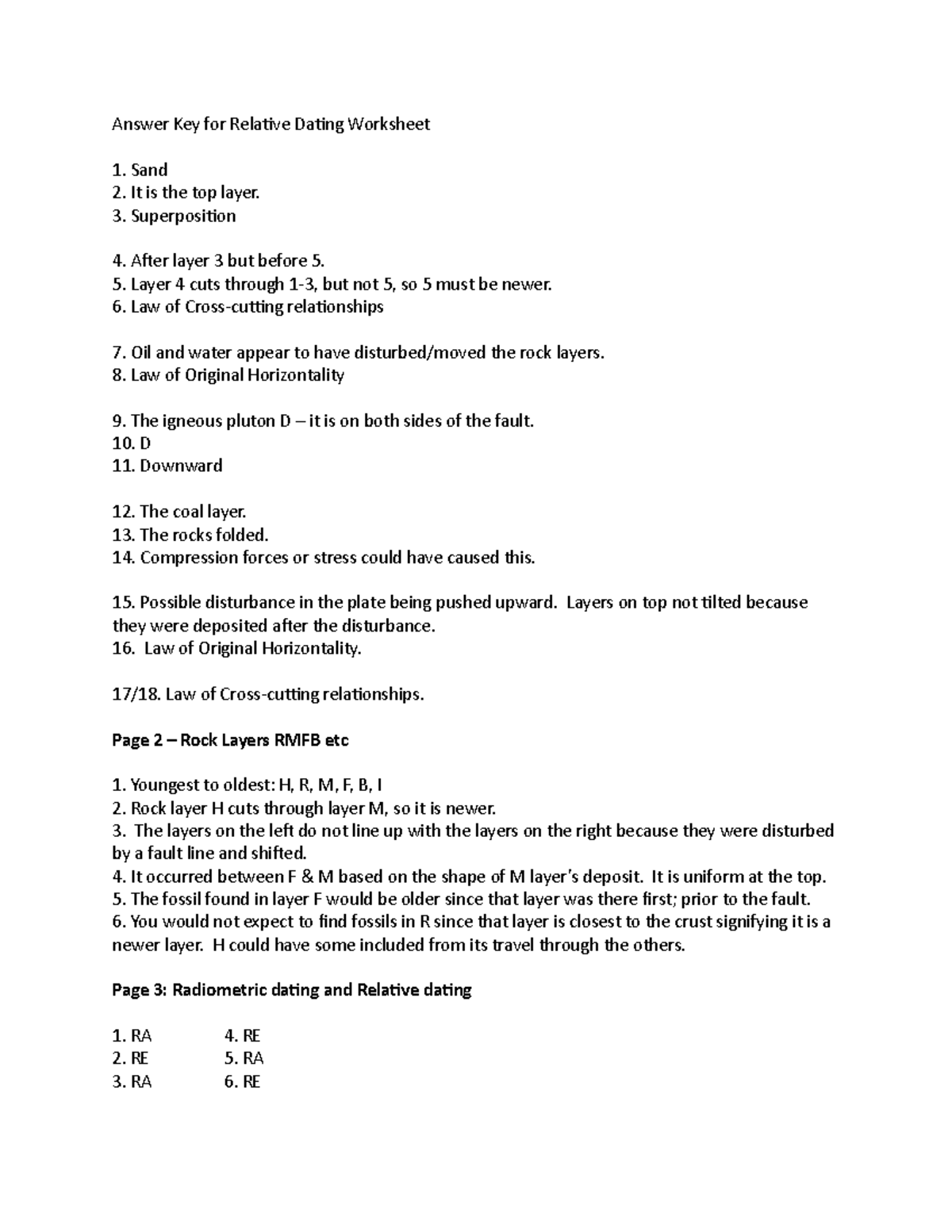
Answer Key For Relative Dating Worksheet – Answer Key For Relative
www.studocu.com
SOLUTION: Relative Dating Worksheet Whats Up Key – Studypool

worksheets.clipart-library.com
Relative Dating Worksheet Answer Key Lab Activity Relative Dating

www.pinterest.com
Relative Dating Worksheet Answer Key

www.pinterest.com
Relative Age Dating Worksheet

litrenaeg7dblearning.z14.web.core.windows.net
Relative Dating Worksheet Answer Key – Owhentheyanks.com
www.owhentheyanks.com
Relative Age Worksheet Answer Key • Suggested And Clear Explanation Of

mykeys.agencjametalmundus.com
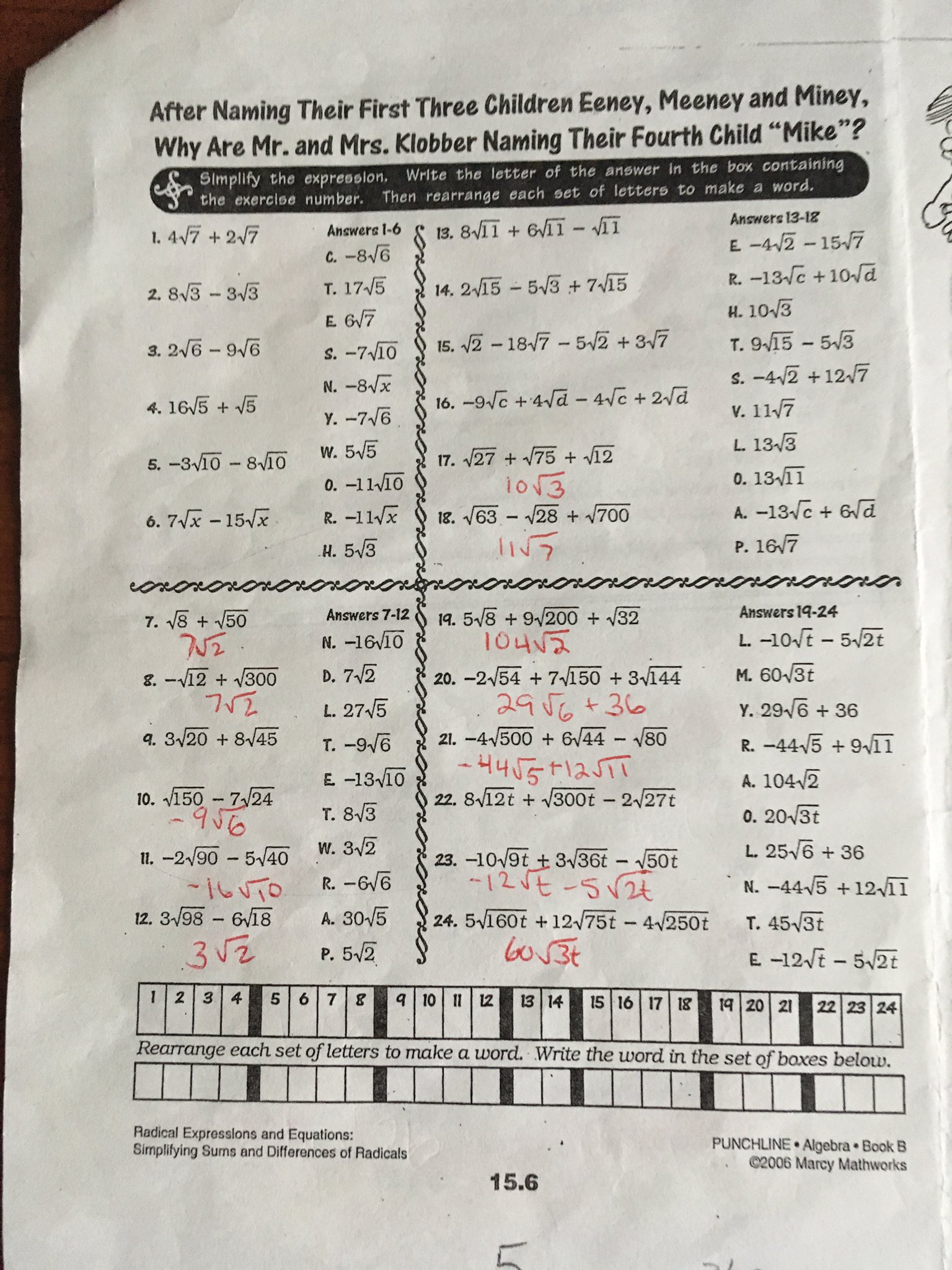
36 Matter Worksheet Answer Key Worksheet Info 2021 – Vrogue.co
www.vrogue.co
Dating Differences Defined – Ppt Download – Worksheets Library

worksheets.clipart-library.com
Relative Dating Worksheet Answer Key – E-streetlight.com
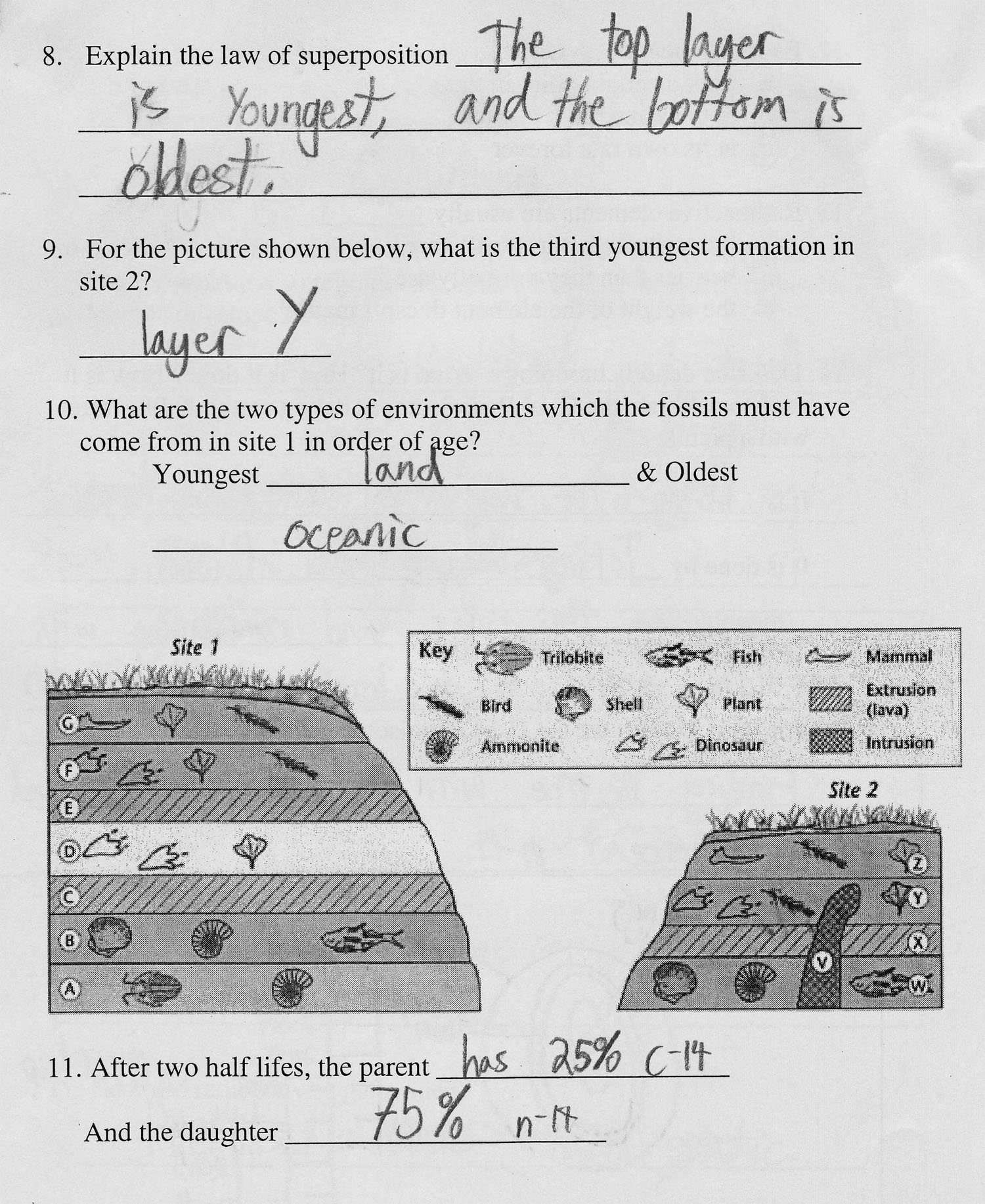
www.e-streetlight.com
Radiometric Dating Worksheet – Printable Word Searches

davida.davivienda.com
Solved Relative Dating WorksheetThis Assignment Needs To Be | Chegg.com
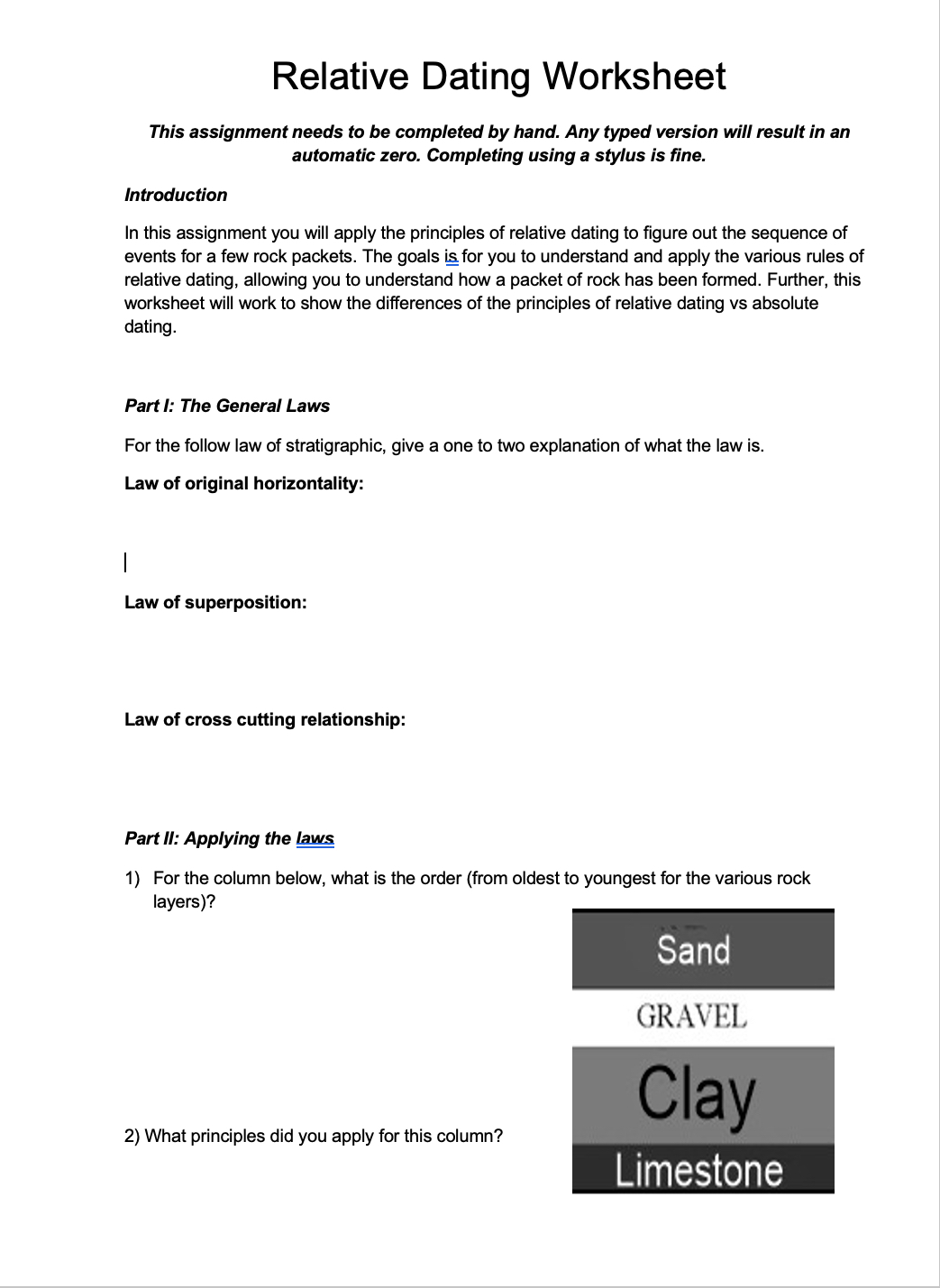
www.chegg.com
Relative Dating Worksheet Answer Key – E-streetlight.com

www.e-streetlight.com
36 matter worksheet answer key worksheet info 2021. relative dating worksheet answer key lab activity relative dating …. 15 section 1 reinforcement fossils worksheet