The Enlightenment, a pivotal era in intellectual history, reshaped Western thought and laid the foundations for modern society. This period, spanning roughly from the late 17th to the late 18th century, emphasized reason, individualism, and skepticism towards traditional authority. Understanding the core concepts of the Enlightenment is crucial for grasping the evolution of political philosophy, scientific advancement, and social reform. For students, delving into this era often involves tackling worksheets designed to test their knowledge and comprehension. However, navigating the complex ideas and key figures can be challenging. This post aims to provide a comprehensive overview of common “The Enlightenment Worksheet Answers,” helping you solidify your understanding of this transformative period.
Key Themes of the Enlightenment: Answer Keys Explained
The Enlightenment wasn’t a monolithic movement, but rather a collection of diverse ideas sharing common threads. Examining the typical questions posed in Enlightenment worksheets allows us to unravel these key themes and their corresponding answers.
Question: What are the primary characteristics of the Enlightenment?
This question focuses on identifying the core principles that defined the Enlightenment era. Here’s a breakdown of the expected answer:
- Reason and Logic: The belief that reason is the primary source of knowledge and guidance. Enlightenment thinkers advocated for the application of logic and scientific methods to understand the world and solve social problems.
- Individualism: An emphasis on the importance and autonomy of the individual. This challenged the traditional focus on collective identity and emphasized individual rights and freedoms.
- Skepticism and Questioning of Authority: A critical attitude towards traditional institutions, including the Church and absolute monarchies. Enlightenment thinkers encouraged questioning established norms and seeking evidence-based explanations.
- Natural Rights: The concept that individuals are born with inherent rights that cannot be taken away by governments. These rights typically included life, liberty, and property (as articulated by John Locke).
- Progress and Reform: A belief in the possibility of improving society through reason and reform. Enlightenment thinkers envisioned a future where progress in science, technology, and social structures would lead to a better world.
Question: How did Enlightenment ideas influence political revolutions?
This question explores the direct impact of Enlightenment thinking on major political upheavals. A good answer would include:
- American Revolution: The Enlightenment ideas of natural rights, popular sovereignty, and limited government profoundly influenced the American colonists’ decision to declare independence from British rule. The Declaration of Independence, with its emphasis on “life, liberty, and the pursuit of happiness,” is a clear embodiment of Enlightenment principles.
- French Revolution: The French Revolution was also heavily influenced by Enlightenment ideals, particularly the concepts of equality, liberty, and fraternity. The Declaration of the Rights of Man and of the Citizen, which proclaimed these rights, was a direct product of Enlightenment thought. However, the French Revolution also demonstrates the complex and sometimes violent consequences of applying these ideas in practice.
- Other Revolutions: Enlightenment ideals inspired revolutions and reform movements throughout Europe and Latin America, advocating for greater democracy, individual freedoms, and constitutional government.
Question: Who were some of the key figures of the Enlightenment and what were their contributions?
This question requires knowledge of prominent Enlightenment thinkers and their specific contributions. Here are some key figures and their major ideas:
- John Locke: Argued for natural rights, limited government, and the social contract theory. His ideas heavily influenced the American Revolution.
- Jean-Jacques Rousseau: Advocated for popular sovereignty and the general will, emphasizing the importance of individual freedom and social equality.
- Montesquieu: Developed the concept of separation of powers, advocating for dividing government authority among different branches to prevent tyranny.
- Voltaire: Championed freedom of speech and religious toleration, criticizing religious intolerance and government censorship.
- Adam Smith: Advocated for free markets and laissez-faire economics, arguing that economic prosperity is best achieved through minimal government intervention.
- Immanuel Kant: Emphasized the importance of reason and individual autonomy, arguing that individuals should act according to universal moral principles.
Challenges and Criticisms of the Enlightenment: Beyond the Textbook Answers
While the Enlightenment profoundly shaped modern society, it was not without its flaws and limitations. Some common criticisms explored in worksheets include:
- Exclusion and Inequality: Despite its emphasis on universal rights, the Enlightenment often excluded women, people of color, and the working class from its vision of equality and freedom. Many Enlightenment thinkers held prejudiced views and perpetuated social hierarchies.
- Overemphasis on Reason: Critics argued that the Enlightenment’s overemphasis on reason led to a neglect of emotions, intuition, and spiritual values. This could result in a cold and overly rationalistic worldview.
- Naivete about Human Nature: Some argue that Enlightenment thinkers were overly optimistic about human nature, believing that reason could easily overcome self-interest and corruption. The excesses of the French Revolution demonstrated the potential for Enlightenment ideals to be distorted and abused.
By understanding both the core tenets and the limitations of the Enlightenment, students can develop a more nuanced and critical appreciation of its legacy. Remember that understanding the “The Enlightenment Worksheet Answers” is not just about memorizing facts but about grasping the underlying principles and complexities of this transformative era.
If you are looking for SOLUTION: Mineral Uses Answers – Studypool – Worksheets Library you’ve visit to the right web. We have 20 Pictures about SOLUTION: Mineral Uses Answers – Studypool – Worksheets Library like Enlightenment Screenshots, Exponents Worksheets with Answer Key – Worksheets Library and also Enlightenment Screenshots. Read more:
SOLUTION: Mineral Uses Answers – Studypool – Worksheets Library

worksheets.clipart-library.com
The Enlightenment Worksheet Answers – E-streetlight.com
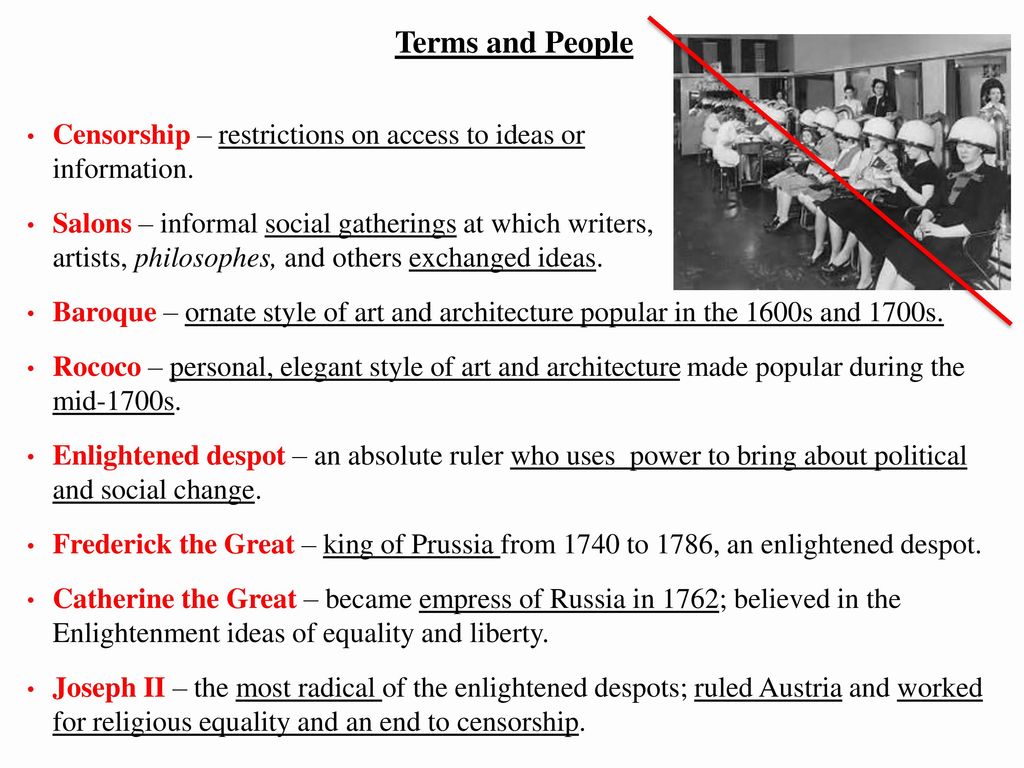
www.e-streetlight.com
Order Of Planets (Worksheet Answers ) | PDF – Worksheets Library

worksheets.clipart-library.com
The Enlightenment Crossword Puzzle Word — Db-excel.com
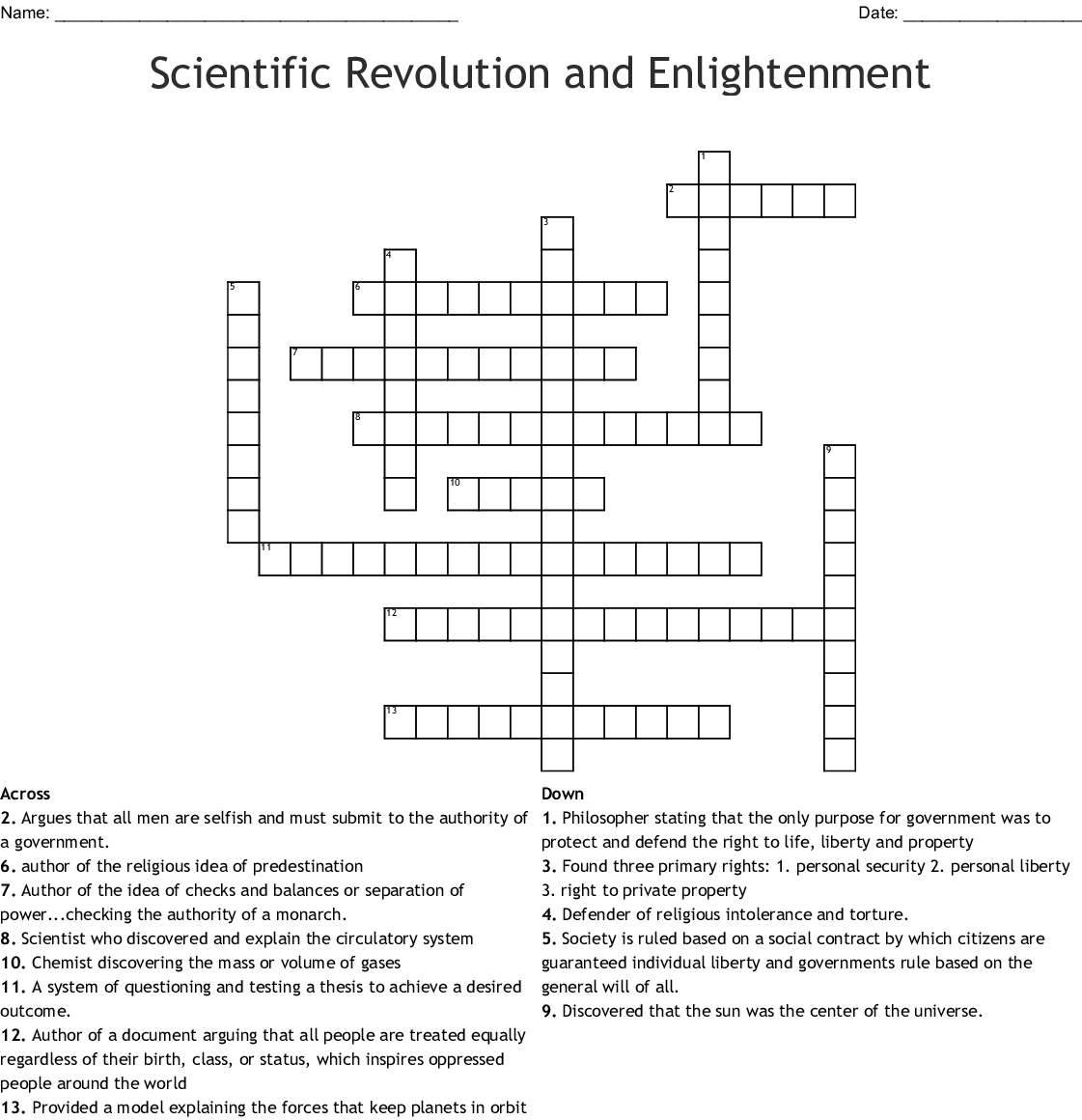
db-excel.com
Electricity And Magnetism Worksheet For 9th – 12th Grade | Lesson

worksheets.clipart-library.com
Blank Map Worksheets – Worksheets Library

worksheets.clipart-library.com
Enlightenment Screenshots

www.enlightenment.org
Practice – MathnMind – Worksheets Library – Worksheets Library

worksheets.clipart-library.com
50 The Enlightenment Worksheet Answers | Chessmuseum Template Library

www.pinterest.com
Enlightenment Screenshots

www.enlightenment.org
Enlightenment Screenshots

www.enlightenment.org
Enlightenment Thinkers Worksheet Answers – Printable Word Searches

davida.davivienda.com
French Revolution Outline (1789-1799) – Free Printable Version

worksheets.clipart-library.com
Taxes And Tax Structures Economics Government Worksheet Distance

worksheets.clipart-library.com
The Illuminating Insights: Unraveling The Philosophers Of The
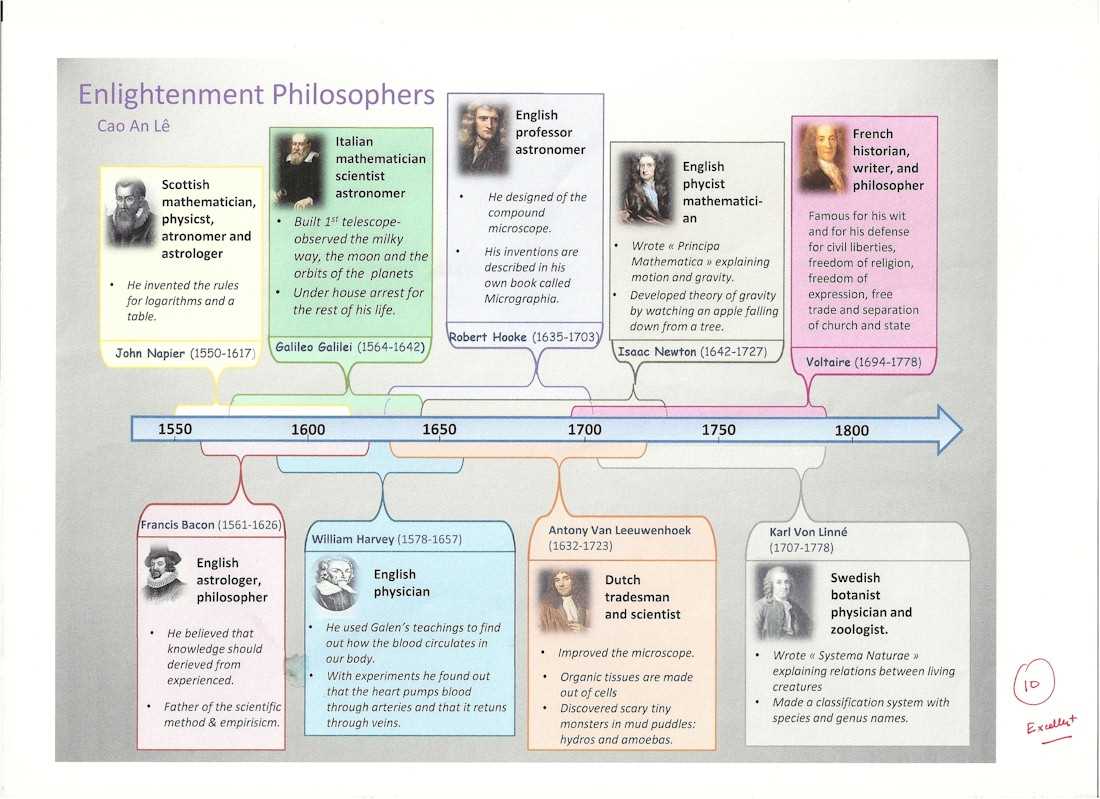
studyfinder.org
Enlightenment Thinkers Worksheet Answers – Printable Word Searches
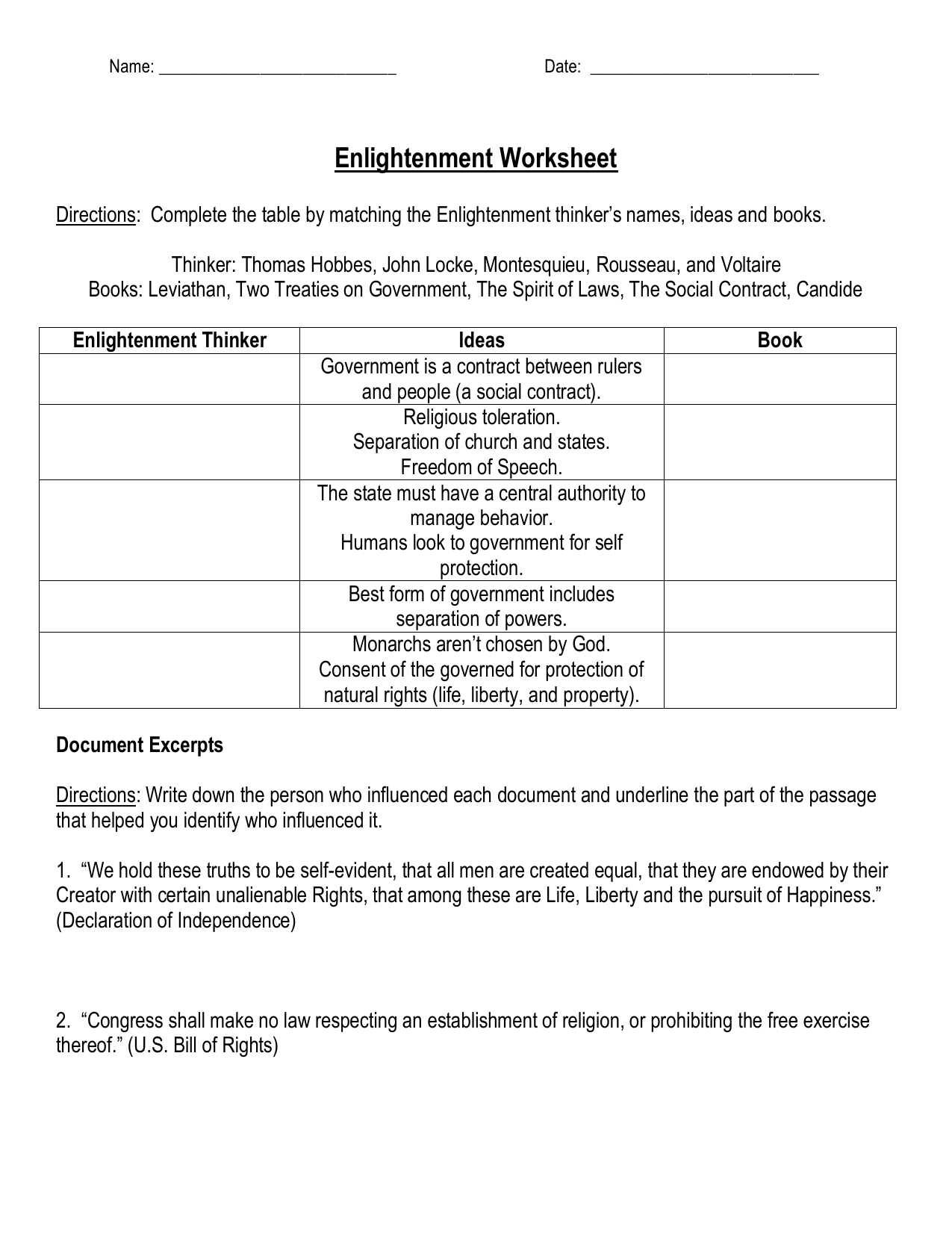
davida.davivienda.com
Free Printable Limiting Reactant And Percent Yield Worksheets

worksheets.clipart-library.com
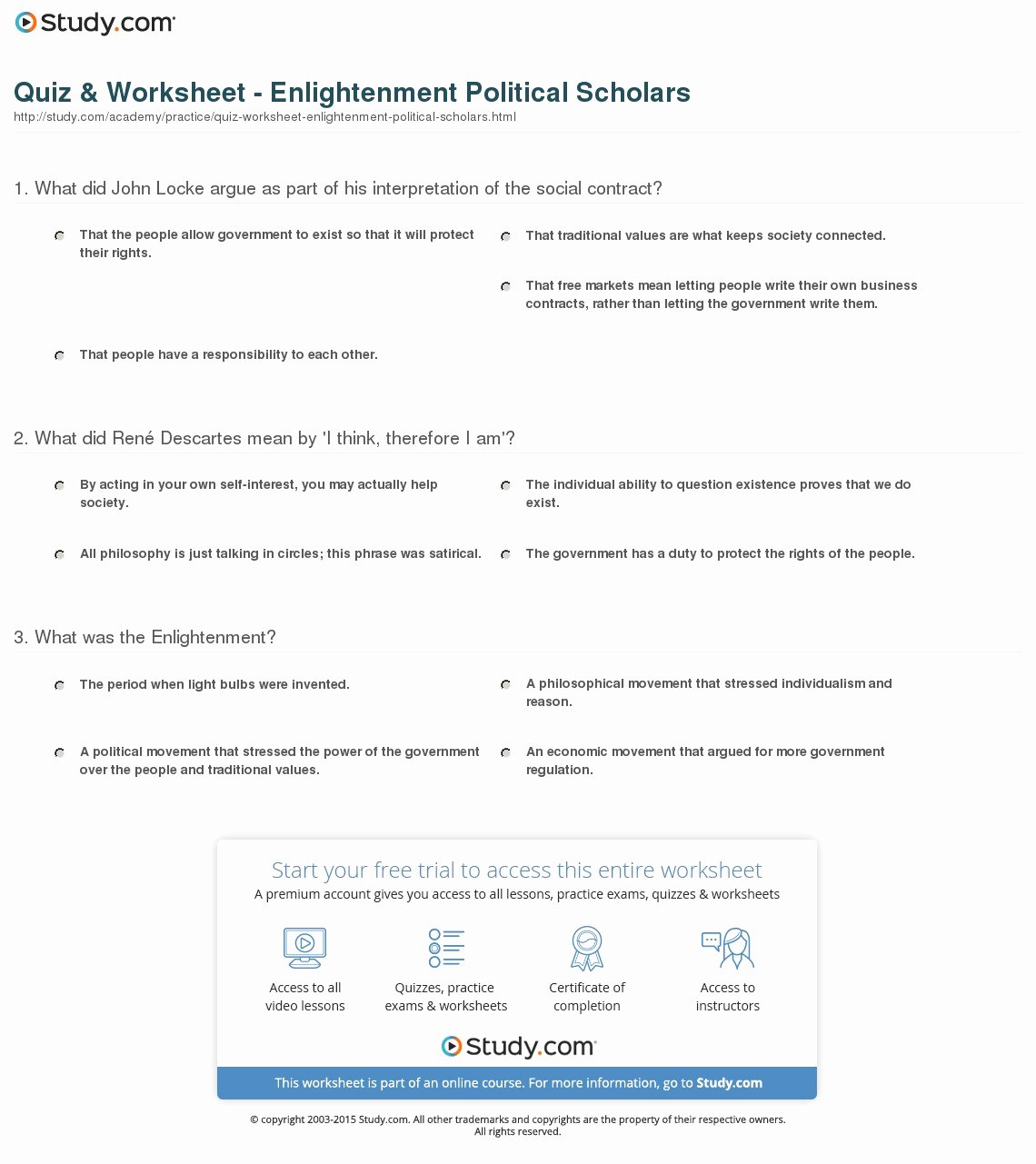
The Enlightenment Worksheet Answers – Owhentheyanks.com
www.owhentheyanks.com
SOLUTION: Lower Secondary Science 8 Worksheet Answers – Cambridge

worksheets.clipart-library.com
Exponents Worksheets With Answer Key – Worksheets Library

worksheets.clipart-library.com
The illuminating insights: unraveling the philosophers of the …. Taxes and tax structures economics government worksheet distance. Taxes and tax structures economics government worksheet distance …