pEmbark on a fascinating journey into the microscopic world with our Virus and Bacteria Worksheet! This worksheet is designed to challenge your understanding of these ubiquitous and often misunderstood microorganisms. From their basic structures and life cycles to their impact on human health, this worksheet covers a wide range of topics. Whether you’re a student brushing up on your biology basics, a teacher looking for a comprehensive assessment tool, or simply a curious mind eager to learn more, this worksheet is an excellent resource. However, understanding the key concepts is crucial for accurate completion. This post aims to provide you with the answers, but more importantly, to help you understand the “why” behind them. We’ll delve into the reasoning and scientific principles that underpin each answer, ensuring you gain a deeper appreciation for the intricate world of viruses and bacteria. Remember, rote memorization is less valuable than true comprehension. So, let’s dive in and explore the microscopic universe!
h2Virus and Bacteria Worksheet Key: A Detailed Guide
pThis section provides the answers to the Virus and Bacteria Worksheet. Remember to use this key not just for checking your work, but also as a tool for understanding the underlying concepts. Pay close attention to the explanations provided, as they will enhance your learning experience.
h3Worksheet Answers
pHere are the answers to the worksheet questions, presented in a clear and organized format:
ol
li**Question 1: Define a virus. How is it different from a bacteria?**
ul
liAnswer: A virus is a non-cellular infectious agent that can only replicate inside the living cells of an organism. It consists of genetic material (DNA or RNA) enclosed in a protein coat called a capsid. Bacteria, on the other hand, are single-celled prokaryotic organisms that can reproduce independently. They possess their own cellular machinery, including ribosomes and cytoplasm, and are capable of carrying out metabolic processes. Viruses are significantly smaller than bacteria and rely entirely on host cells for replication. They lack the organelles and enzymes necessary for independent survival and reproduction. Bacteria have cell walls, while viruses do not.
/ul
/li
li**Question 2: Describe the basic structure of a virus.**
ul
liAnswer: The basic structure of a virus typically includes:
ol type=”a”
liGenetic material: This can be either DNA or RNA, single-stranded or double-stranded.
liCapsid: A protein coat that surrounds and protects the genetic material. It is composed of subunits called capsomeres.
liEnvelope (in some viruses): A lipid membrane derived from the host cell that surrounds the capsid. Envelope viruses are often more infectious because the envelope helps them to fuse with the host cell membrane.
liSpikes (in some viruses): Glycoproteins protruding from the envelope that help the virus attach to and enter host cells.
/ol
/ul
/li
li**Question 3: What is the difference between the lytic and lysogenic cycles of viral reproduction?**
ul
liAnswer: In the lytic cycle, the virus immediately replicates inside the host cell, leading to lysis (bursting) of the cell and release of new viral particles. This cycle is characterized by rapid replication and destruction of host cells. In the lysogenic cycle, the viral DNA integrates into the host cell’s DNA, becoming a prophage. The prophage is replicated along with the host cell’s DNA during cell division. The host cell is not immediately killed. The prophage can remain dormant for extended periods and may later enter the lytic cycle due to environmental triggers.
/ul
/li
li**Question 4: Explain the role of bacteria in the environment.**
ul
liAnswer: Bacteria play crucial roles in the environment, including:
ol type=”a”
liDecomposition: Breaking down dead organic matter and recycling nutrients.
liNitrogen fixation: Converting atmospheric nitrogen into forms usable by plants.
liNutrient cycling: Participating in the cycling of essential elements like carbon, sulfur, and phosphorus.
liFood webs: Serving as a food source for other organisms.
liBioremediation: Cleaning up pollutants in the environment.
/ol
/ul
/li
li**Question 5: How can bacteria be beneficial to humans? Give examples.**
ul
liAnswer: Many bacteria are beneficial to humans, including:
ol type=”a”
liGut bacteria: Aid in digestion, produce vitamins (e.g., vitamin K, vitamin B), and protect against harmful pathogens.
liProbiotics: Live bacteria that, when consumed in adequate amounts, confer a health benefit on the host. They can improve gut health, boost immunity, and even influence mental health.
liFood production: Used in the production of yogurt, cheese, sauerkraut, and other fermented foods.
liPharmaceutical production: Used to produce antibiotics, insulin, and other important medicines.
/ol
/ul
/li
li**Question 6: Describe the structure of a typical bacterial cell.**
ul
liAnswer: A typical bacterial cell includes the following structures:
ol type=”a”
liCell wall: A rigid outer layer that provides support and protection.
liCell membrane: A selectively permeable membrane that regulates the passage of substances into and out of the cell.
liCytoplasm: The gel-like substance inside the cell containing ribosomes, DNA, and other cellular components.
liRibosomes: Sites of protein synthesis.
liDNA: A circular chromosome containing the genetic information of the bacterium.
liPlasmids (optional): Small, circular DNA molecules that can carry genes for antibiotic resistance or other traits.
liFlagella (optional): Whip-like structures used for movement.
liPili (optional): Hair-like appendages used for attachment to surfaces or other cells.
/ol>
/ul>
pBy understanding these answers and the explanations behind them, you’ll not only ace your worksheet but also gain a solid foundation in microbiology. Remember to continue exploring and asking questions – the world of viruses and bacteria is constantly evolving!
If you are looking for Sunsets and sandy beaches are simply blissful🔥 | TikTok you’ve visit to the right web. We have 14 Images about Sunsets and sandy beaches are simply blissful🔥 | TikTok like 1920x1080px | free download | HD wallpaper: Technology, NZXT, Los Virus | Esquemas, diagramas, gráficos y mapas conceptuales. and also Corona-Zahlen im Landkreis Schweinfurt aktuell: Aktuelle Daten zum. Read more:
Sunsets And Sandy Beaches Are Simply Blissful🔥 | TikTok

www.tiktok.com
1920x1080px | Free Download | HD Wallpaper: Technology, NZXT

www.wallpaperflare.com
Vellenaars Willen Positief En Warm Hart Tonen | Nieuwsblad

www.nieuwsblad.be
LIVE SUNDAY SERVICE! | Live Sunday Service! | By Philippines, Holistic

www.facebook.com
EN VIVO……. | DESCANSE EN PAZ EL ABUELO Y PAPA PEDRO MENDOZA Ta´lu

www.facebook.com
Corona-Zahlen Im Kreis Recklinghausen Aktuell: Die Coronavirus-Daten

www.news.de
Salute – 🏨🩺𝑰𝒍 𝒅𝒓 𝑴𝒂𝒓𝒄𝒐 𝑩𝒆𝒏𝒆𝒍𝒍𝒆 𝒆̀ 𝒊𝒍 𝒏𝒖𝒐𝒗𝒐 𝑫𝒊𝒓𝒆𝒕𝒕𝒐𝒓𝒆 𝒅𝒆𝒍𝒍𝒂

www.facebook.com
Gore Magala Debilidad – Cómo Vencer Y Best Guide De Armas – RoyalCDKeys
royalcdkeys.com
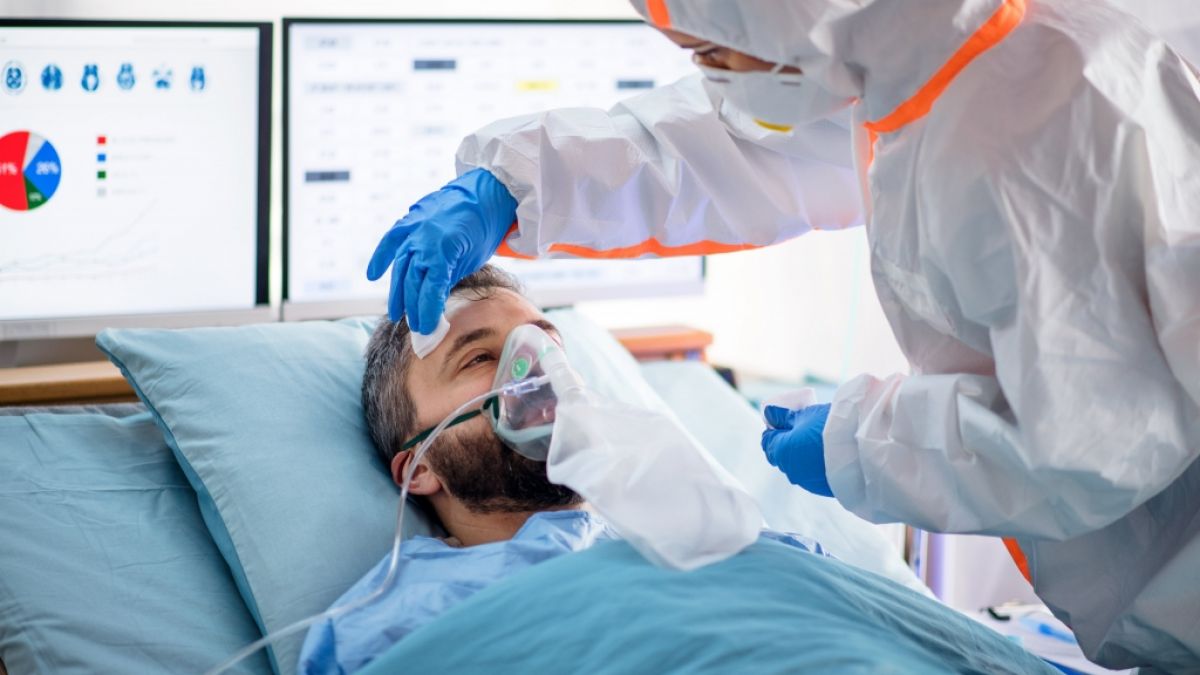
Corona-Zahlen Im Landkreis Schweinfurt Aktuell: Aktuelle Daten Zum
www.news.de
Corona Virus Face Masks | Corona Virus Face Masks And Full P… | Flickr

www.flickr.com
Infección De Ejecutables En Linux: Técnicas De Anti-debug En Frío (4/6

www.securitybydefault.com
Los Virus | Esquemas, Diagramas, Gráficos Y Mapas Conceptuales.

elesquema.blogspot.com
EN VIVO "CÁNTICOS "….MÚSICA ANDINA CRISTIANA.. Desde La Paz Bolivia

www.facebook.com
La Jornada Estado De México
/https://wp.lajornada.prod.andes.news/wp-content/uploads/2025/07/image-24.png)
lajornadaestadodemexico.com
La jornada estado de méxico. Live sunday service!. 1920x1080px