Are you wrestling with the concepts of work, power, and energy in your physics class? Do those worksheets seem to be filled with more questions than answers? Fear not! Mastering work, power, and energy is fundamental to understanding the physical world, and with a little guidance and practice, you can conquer these challenges. This post aims to demystify these concepts and provide helpful resources, including a peek at the solutions to a typical “Work Power and Energy Worksheet.” We’ll break down the definitions, formulas, and common problem types you’re likely to encounter.
Let’s start with the basics. **Work** is done when a force causes displacement. Mathematically, it’s defined as the dot product of the force and displacement vectors. If the force is constant and in the same direction as the displacement, then work (W) is simply: W = F * d, where F is the force and d is the distance over which the force acts. If the force and displacement are at an angle θ to each other, then W = F * d * cos(θ). Remember that work is a scalar quantity and is measured in Joules (J). A common mistake is forgetting to account for the angle! Think about pushing a lawnmower – only the component of your force in the direction of the lawnmower’s movement contributes to the work done.
**Power**, on the other hand, describes the rate at which work is done. It tells us how quickly energy is transferred. The formula for power (P) is: P = W / t, where W is the work done and t is the time taken. Power is also a scalar quantity and is measured in Watts (W), which is equivalent to Joules per second (J/s). A higher power rating means that more work can be done in a given amount of time. Imagine two people lifting the same weight; the person who does it faster has greater power output.
Finally, **Energy** is the capacity to do work. There are many forms of energy, but the two most relevant to introductory physics are kinetic energy (KE) and potential energy (PE). Kinetic energy is the energy of motion and is calculated as KE = (1/2) * m * v2, where m is the mass and v is the velocity. Potential energy, on the other hand, is stored energy. Gravitational potential energy (GPE) is the energy an object possesses due to its height above a reference point and is calculated as GPE = m * g * h, where m is the mass, g is the acceleration due to gravity (approximately 9.8 m/s2), and h is the height. Understanding the relationship between work and energy is crucial. The Work-Energy Theorem states that the net work done on an object is equal to the change in its kinetic energy: Wnet = ΔKE.
Now, let’s provide some answers to common questions you might find on a “Work Power and Energy Worksheet.” Please note that these are example answers and the specific numbers in your worksheet will likely differ.
Work Power and Energy Worksheet – Example Solutions
Example Problems and Solutions
-
Question 1: A box with a mass of 10 kg is pushed across a floor a distance of 5 meters with a force of 20 N. Calculate the work done on the box.
Solution:
- Identify the given values: F = 20 N, d = 5 m
- Apply the formula: W = F * d
- Calculate: W = 20 N * 5 m = 100 J
-
Question 2: An elevator lifts 5 passengers a distance of 20 meters in 10 seconds. If the average mass of each passenger is 60 kg, what is the power output of the elevator? (Assume g = 9.8 m/s2)
Solution:
- Calculate the total mass of the passengers: m = 5 * 60 kg = 300 kg
- Calculate the force required to lift the passengers: F = m * g = 300 kg * 9.8 m/s2 = 2940 N
- Calculate the work done: W = F * d = 2940 N * 20 m = 58800 J
- Calculate the power: P = W / t = 58800 J / 10 s = 5880 W
-
Question 3: A 2 kg ball is dropped from a height of 10 meters. What is its kinetic energy just before it hits the ground? (Assume g = 9.8 m/s2 and ignore air resistance).
Solution:
- Calculate the initial potential energy: GPE = m * g * h = 2 kg * 9.8 m/s2 * 10 m = 196 J
- Apply the conservation of energy principle: GPEinitial = KEfinal
- Therefore, the kinetic energy just before impact is 196 J.
-
Question 4: A force of 50 N is applied to a box at an angle of 30 degrees to the horizontal. The box moves 8 meters horizontally. Calculate the work done by the force.
Solution:
- Identify the given values: F = 50 N, d = 8 m, θ = 30 degrees
- Apply the formula: W = F * d * cos(θ)
- Calculate: W = 50 N * 8 m * cos(30°) = 50 N * 8 m * (√3 / 2) ≈ 346.41 J
-
Question 5: An engine lifts a 1000 kg car to a height of 2 meters in 5 seconds. What is the power developed by the engine?
Solution:
- Calculate the force required to lift the car: F = m * g = 1000 kg * 9.8 m/s2 = 9800 N
- Calculate the work done: W = F * d = 9800 N * 2 m = 19600 J
- Calculate the power: P = W / t = 19600 J / 5 s = 3920 W
By understanding the underlying principles and practicing with example problems, you’ll become much more comfortable tackling any “Work Power and Energy Worksheet” that comes your way. Remember to always identify the given values, choose the appropriate formula, and pay close attention to units! Good luck with your studies!
If you are looking for How Much Work Meme you’ve came to the right page. We have 20 Pictures about How Much Work Meme like Office Equipment Needed To Work From Home at John Hargrove blog, How The Wheel Of Life Can Maximise Your Work Life Bal – vrogue.co and also How Much Work Meme. Here it is:
How Much Work Meme

ar.inspiredpencil.com
Office Equipment Needed To Work From Home At John Hargrove Blog

exosbgkfq.blob.core.windows.net
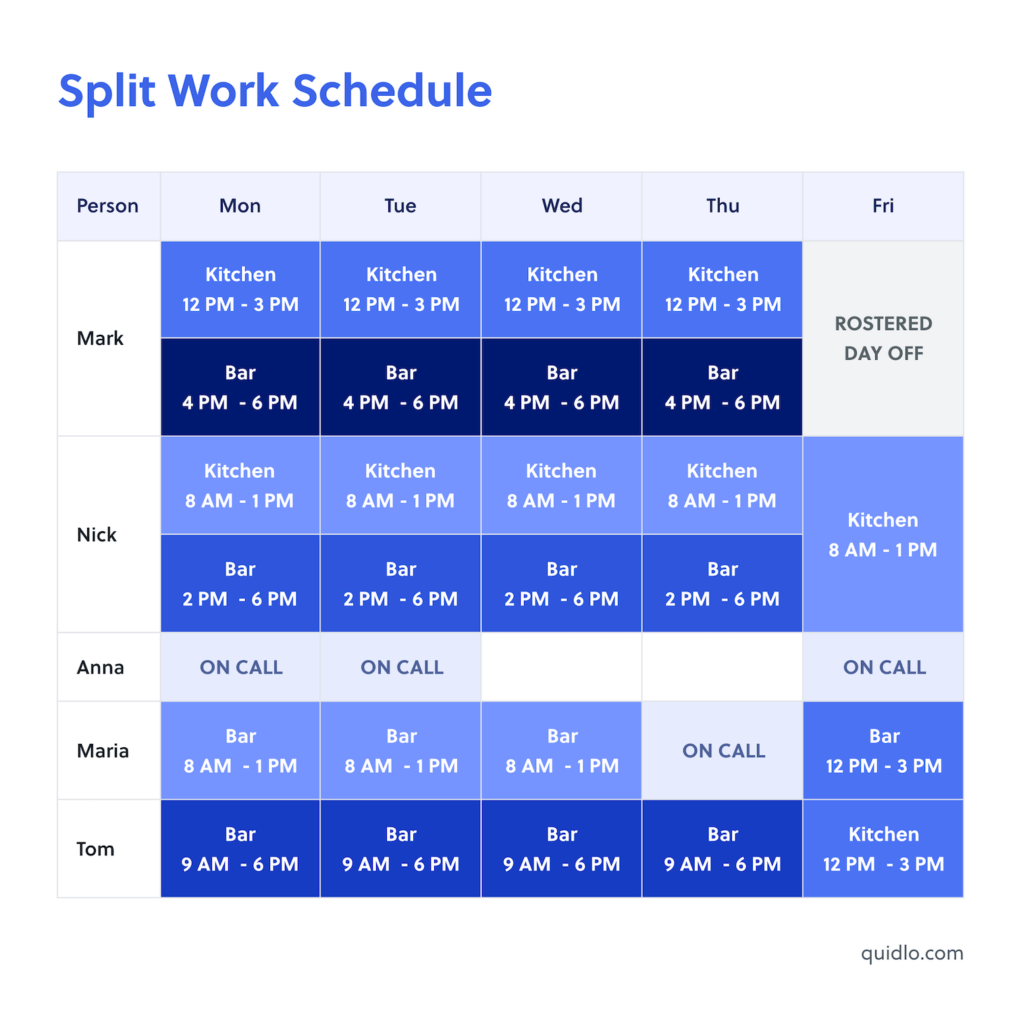
14 Types Of Work Schedules Explained – Quidlo

www.quidlo.com
Why Teamwork Makes The Dreamwork – The Collaborative Way®

collaborativeway.com
13 Ways To Answer "Why Do You Want To Work Here" | Robertson College

www.robertsoncollege.com
14 Types Of Work Schedules Explained – Quidlo
www.quidlo.com
Work Under Pressure

ar.inspiredpencil.com
Embracing Flexibility: Empowering Employees And Cultivating Work-Life

mindfulroam.blogspot.com
Working Under Pressure

ar.inspiredpencil.com
LinkedIn Open To Work And Hiring Features – Octopus CRM

octopuscrm.io
30 Inspiring I Love My Job Quotes To Succeed In Work

greetingideas.com
Smart Work Vs Hard Work | Who Wins The Game?

www.taskvirtual.com
6 Work Styles And How To Work With Each | Motion | Motion

www.usemotion.com
Five Tips On How To Reduce Stress At Work In 2023

vista.today
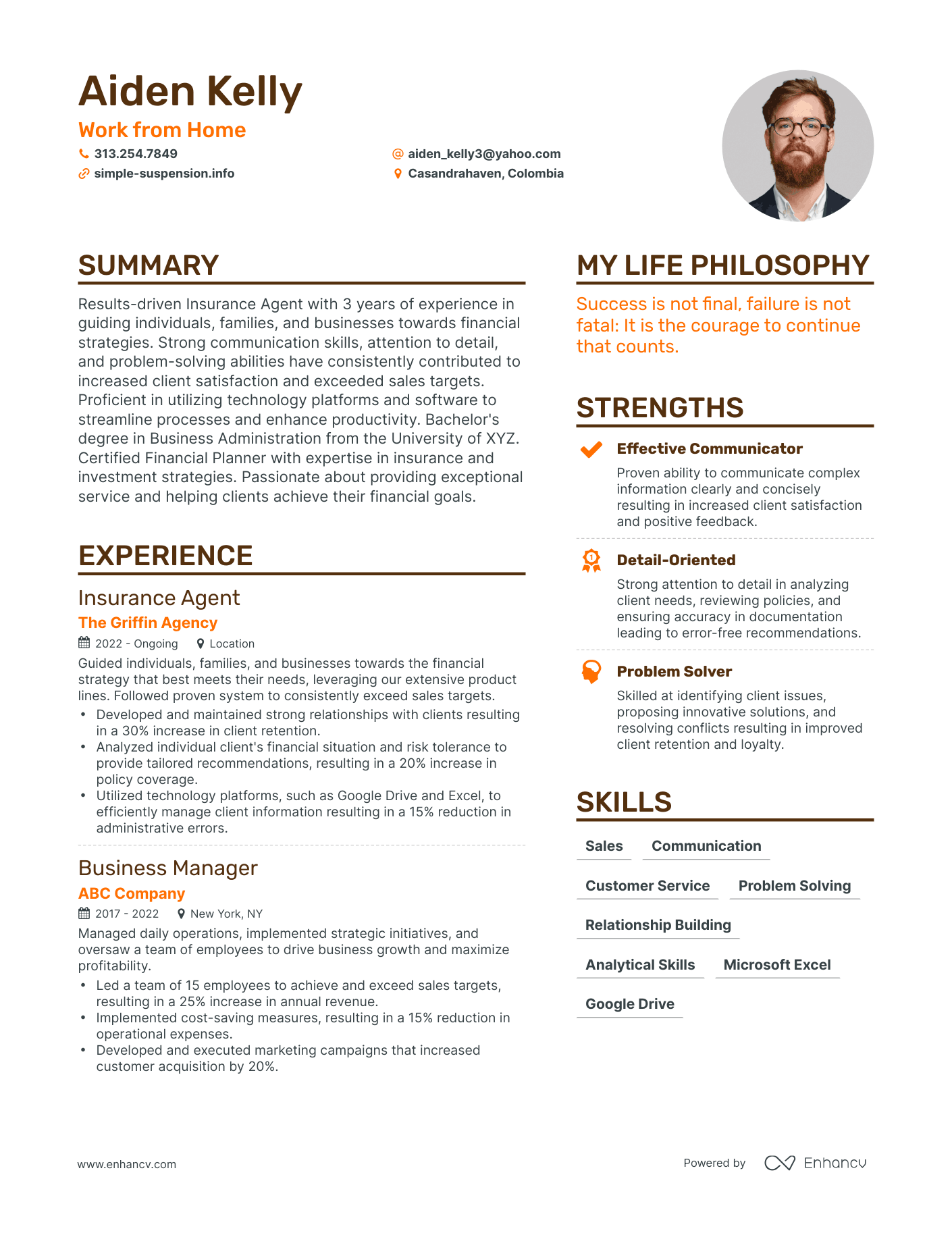
3 Successful Work From Home Resume Examples And Writing Tips For 2024
thisresumedoesnotexist.com
How The Wheel Of Life Can Maximise Your Work Life Bal – Vrogue.co

www.vrogue.co
Motivational Quotes For Work: Boost Your Productivity! | By Jahid

medium.com
Work-Life To Life Work Balance: What You Should Know | Insperity

www.insperity.com
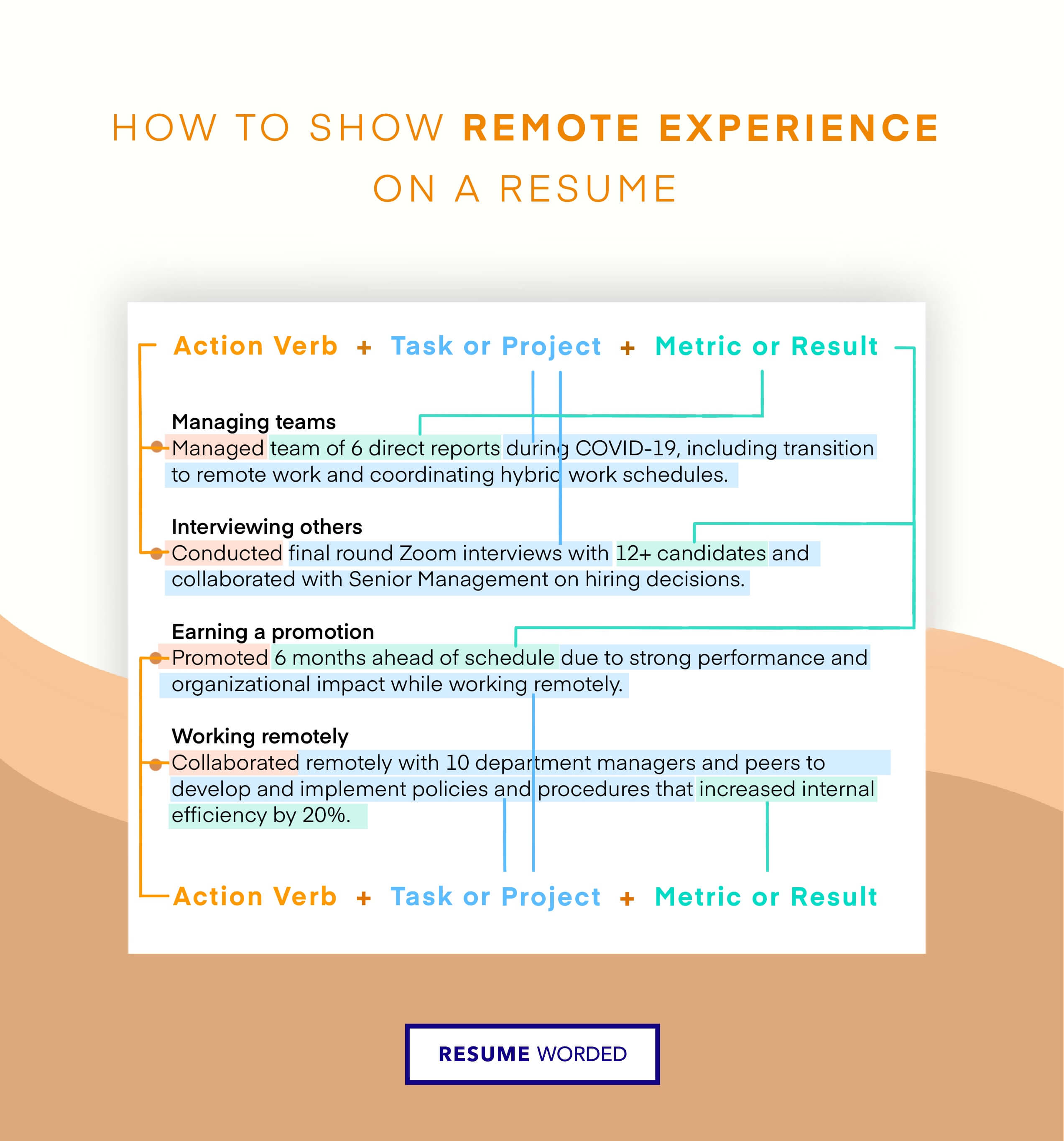
Resume Tips To Land You A Work From Home Job
resumeworded.com
Comparison Between Work From Home (WFH) And Work From Office (WFO).

www.linkedin.com
Work-life to life work balance: what you should know. Linkedin open to work and hiring features. Motivational quotes for work: boost your productivity!